


wholesale r8 twin hose exporter Performance Analysis
Introduction
R8 twin hose assemblies are critical components in hydraulic systems, serving as the conduits for pressurized fluid transmission. Primarily employed in agricultural machinery, construction equipment, and industrial applications requiring robust and reliable fluid power, these hoses represent a significant portion of the global fluid conveyance market. Their prevalence stems from their standardized fitting size (R8), facilitating interchangeability and simplifying maintenance procedures. This technical guide provides an in-depth examination of R8 twin hose assemblies, encompassing material science, manufacturing processes, performance characteristics, failure modes, and relevant industry standards. The core performance criteria for these hoses center around pressure rating, burst pressure, temperature resistance, and fluid compatibility, all of which directly impact system efficiency and operational safety. Addressing common industry pain points like premature failure due to fluid incompatibility or environmental degradation is central to this analysis.
Material Science & Manufacturing
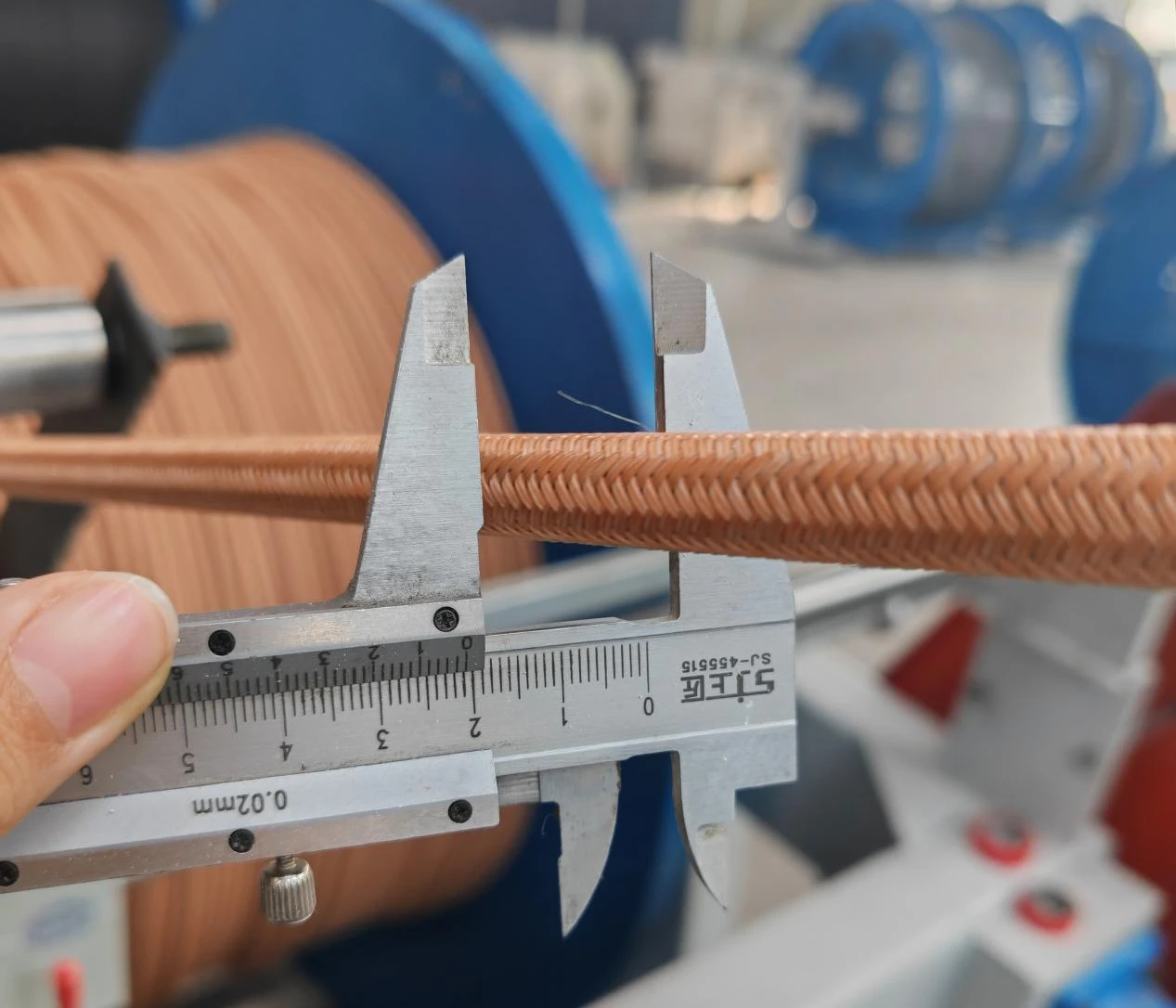
R8 twin hose assemblies are typically constructed from a multi-layered configuration. The innermost layer, or tube, is usually composed of nitrile rubber (NBR), also known as Buna-N, due to its excellent resistance to petroleum-based hydraulic fluids. NBR exhibits a Shore A hardness ranging from 40-90, influencing its flexibility and resistance to abrasion. The reinforcement layer typically consists of multiple spiral plies of high-tensile steel wire. The wire gauge and ply count are critical parameters dictating the hose's burst pressure and working pressure. Higher ply counts and thicker wire provide increased strength but reduce flexibility. An exterior cover, often made from synthetic rubber like chloroprene (CR) – also known as Neoprene – provides protection against abrasion, weathering (ozone, UV radiation), and chemical exposure. CR offers good resistance to oil, heat, and weathering, with a typical temperature range of -40°C to +100°C. Manufacturing involves extrusion of the inner tube and outer cover, followed by precise winding of the steel wire reinforcement. Vulcanization, a process of cross-linking the rubber polymers with sulfur, is crucial for achieving the desired mechanical properties and chemical resistance. Precise control of temperature, pressure, and curing time during vulcanization is essential to avoid defects like blistering or under-curing. Post-processing includes fitting attachment, pressure testing, and quality control inspection.
Performance & Engineering
The performance of R8 twin hose assemblies is governed by several engineering principles. Hose pressure rating is determined by the tensile strength of the reinforcement layer and the burst pressure is a statistically derived value, typically four times the working pressure. Fatigue life, a critical parameter for dynamic applications, is affected by factors such as pressure pulsations, temperature cycling, and bend radius. Excessive bending below the minimum recommended radius induces stress concentration, leading to premature failure. The hose's volumetric expansion under pressure is another important consideration, impacting system response time and efficiency. Fluid compatibility is paramount; incompatible fluids can cause swelling, softening, or degradation of the inner tube, resulting in leakage or complete failure. Environmental resistance is assessed through tests evaluating ozone cracking, UV degradation, and chemical resistance to common industrial fluids. Proper hose routing and support are essential to prevent abrasion, kinking, and excessive strain. Engineering standards, such as SAE J517, define the performance requirements and testing procedures for hydraulic hoses, including R8 assemblies. Static and dynamic stress analysis, employing finite element modeling (FEM), is often used during hose design to optimize reinforcement structure and predict performance under various loading conditions.
Technical Specifications
| Parameter | Specification (Typical) | Test Standard | Unit |
|---|---|---|---|
| Working Pressure | 2000-3000 | SAE J517 | PSI |
| Burst Pressure | 8000-12000 | SAE J517 | PSI |
| Inner Tube Material | Nitrile Rubber (NBR) | ASTM D2000 | - |
| Reinforcement | High-Tensile Steel Wire (Spiral Ply) | SAE J517 | - |
| Outer Cover Material | Chloroprene Rubber (CR) | ASTM D2000 | - |
| Temperature Range | -40 to +100 | SAE J517 | °C |
Failure Mode & Maintenance
R8 twin hose assemblies are susceptible to several failure modes. Fatigue cracking, initiated by repeated pressure cycling and bending, is a common cause of failure, particularly near the fitting connection. Corrosion, both internal and external, can weaken the reinforcement layer and lead to leakage. Internal corrosion often arises from the presence of water in the hydraulic fluid. External corrosion is typically caused by exposure to harsh environments. Abrasion, resulting from contact with abrasive surfaces, can damage the outer cover and eventually expose the reinforcement layer. Kinking, caused by excessive bending below the minimum bend radius, restricts fluid flow and induces stress concentration. Swelling or degradation of the inner tube, due to fluid incompatibility, can lead to leakage and system contamination. Maintenance recommendations include regular visual inspections for signs of damage, such as cracks, abrasions, or leaks. Hose assemblies should be replaced if any damage is detected. Fluid analysis should be performed periodically to ensure fluid compatibility and identify potential contaminants. Proper hose routing and support are critical to prevent abrasion and kinking. Pressure testing should be conducted after hose replacement to verify system integrity. Crimping quality of fittings should be periodically inspected to ensure a secure connection.
Industry FAQ
Q: What is the impact of using an incompatible hydraulic fluid with an R8 twin hose assembly?
A: Using an incompatible hydraulic fluid can lead to severe consequences. The fluid may cause the inner tube material (typically NBR) to swell, soften, or degrade, resulting in leakage and a loss of pressure. This degradation can be accelerated at higher temperatures. Additionally, the fluid can react with the reinforcement layer, compromising its strength and potentially leading to catastrophic failure. Always verify fluid compatibility with the hose manufacturer's specifications.
Q: How does temperature affect the performance and lifespan of an R8 hose?
A: Temperature significantly impacts R8 hose performance. Exposure to high temperatures can accelerate the degradation of rubber components, reducing their flexibility and increasing the risk of cracking. Low temperatures can make the hose brittle and more susceptible to damage from impact. Continuous operation at or near the maximum specified temperature will shorten the hose's lifespan. Thermal cycling (repeated heating and cooling) can also induce stress and fatigue, contributing to premature failure.
Q: What is the correct procedure for determining the minimum bend radius for an R8 hose?
A: The minimum bend radius is typically specified by the hose manufacturer and is often printed on the hose itself. It's a crucial parameter to prevent kinking and stress concentration. Exceeding the minimum bend radius significantly reduces the hose’s lifespan and increases the risk of failure. The radius is influenced by hose diameter and construction. Consult the manufacturer’s datasheet for the specific R8 hose in use.
Q: What are the common causes of fitting failure in R8 hose assemblies?
A: Common causes of fitting failure include improper crimping, corrosion, and mechanical damage. Insufficient crimping can lead to slippage between the hose and the fitting, resulting in leakage. Corrosion can weaken the fitting material, making it prone to failure. Mechanical damage, such as impacts or bending, can also compromise the integrity of the fitting. Regular inspection of fittings for signs of corrosion or damage is essential.
Q: How important is proper hose routing and support to extend the service life of an R8 hose?
A: Proper hose routing and support are critical for maximizing service life. Avoid routing hoses where they may be exposed to abrasion, kinking, or excessive heat. Use appropriate hose supports to prevent sagging and reduce stress. Ensure adequate clearance between the hose and moving parts. Secure hoses to prevent them from whipping or flailing, which can cause damage. Following these guidelines minimizes the risk of premature failure and ensures reliable operation.
Conclusion
R8 twin hose assemblies are indispensable components in numerous hydraulic systems, demanding a thorough understanding of their material science, manufacturing processes, and performance characteristics. Maintaining system integrity and operational efficiency hinges on selecting the correct hose specification for the application, adhering to proper installation procedures, and implementing a proactive maintenance program. The longevity and reliability of these hoses are significantly influenced by factors such as fluid compatibility, temperature control, and adherence to minimum bend radius guidelines.
Future developments in hydraulic hose technology will likely focus on the use of advanced materials, such as thermoplastic composites, to reduce weight and improve corrosion resistance. Furthermore, the integration of sensor technology into hose assemblies will enable real-time monitoring of pressure, temperature, and wear, facilitating predictive maintenance and minimizing downtime. Continued adherence to and refinement of industry standards, such as those developed by SAE and ISO, will be crucial for ensuring the safety and reliability of hydraulic systems utilizing R8 twin hose assemblies.