


wholesale polyurethane hose companies Performance Engineering

Introduction
Polyurethane (PU) hose represents a significant advancement in fluid conveyance technology, serving a diverse range of industrial applications. Wholesale polyurethane hose companies cater to sectors including, but not limited to, hydraulic systems, pneumatic tools, material handling, and chemical transfer. Unlike traditional rubber hoses, PU hose offers superior abrasion resistance, flexibility, and resistance to many oils and solvents. Positioned within the fluid power and material transport supply chain, PU hose bridges the gap between component manufacturers (PU resin producers, fitting suppliers) and end-users across varied industries. Core performance characteristics – burst pressure, working pressure, temperature range, and chemical compatibility – dictate the suitability of a specific PU hose for a given application. A key industry pain point centers on ensuring consistent material quality and dimensional accuracy, particularly as demand for high-performance, specialized hoses increases. Another challenge is addressing the growing need for environmentally sustainable materials and production processes within the polyurethane industry.
Material Science & Manufacturing
Polyurethane is a polymer formed by the reaction of a polyol and an isocyanate. The specific types and ratios of these reactants, along with additives, determine the final properties of the PU hose. Polyols commonly used include polyester polyols and polyether polyols, each offering distinct characteristics. Polyester polyols contribute to better abrasion resistance and oil resistance, while polyether polyols provide superior hydrolysis resistance. Isocyanates, typically MDI (methylene diphenyl diisocyanate) or TDI (toluene diisocyanate), drive the polymerization process. Key manufacturing processes for PU hose include extrusion, casting, and spiral wrapping. Extrusion involves forcing molten PU through a die to create a seamless tube. Casting is used for producing thicker-walled hoses or those with embedded reinforcements. Spiral wrapping utilizes a thermoplastic or steel wire spirally wound within the PU matrix to enhance pressure resistance. Critical parameters during manufacturing include precise temperature control to ensure complete reaction and consistent viscosity, accurate die sizing to maintain dimensional tolerances, and proper curing to achieve desired hardness and tensile strength. The addition of plasticizers affects flexibility, while stabilizers protect against UV degradation. Reinforcement materials, such as textile braids (typically nylon or aramid) and steel wire, are crucial for withstanding high pressures. Chemical compatibility assessments of the polyol/isocyanate blend with the conveyed media are paramount to prevent swelling, degradation, or hose failure.
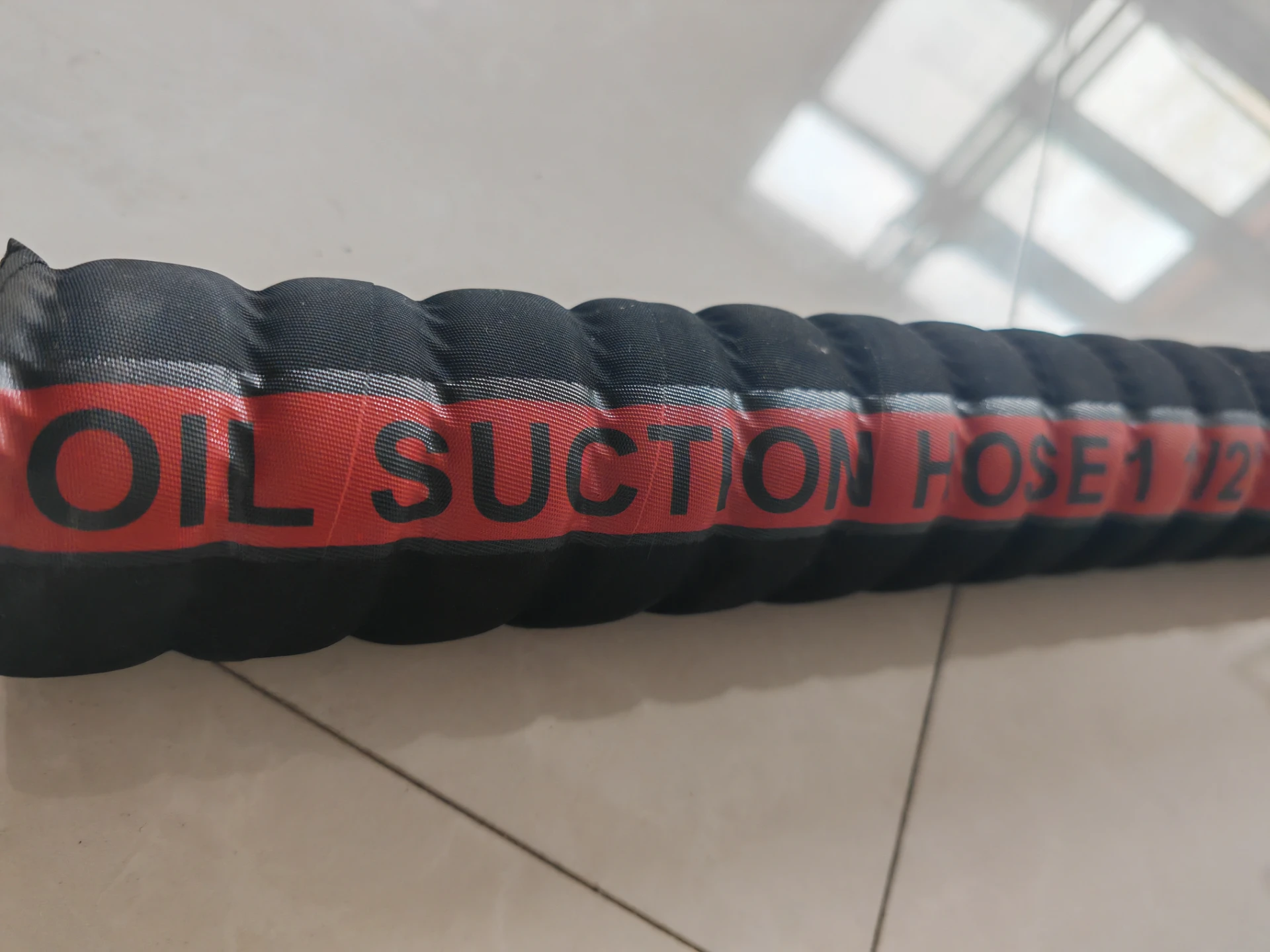
Performance & Engineering
PU hose performance is heavily dictated by its ability to withstand internal pressure, external forces, and environmental conditions. Burst pressure, the maximum pressure the hose can withstand before failure, is a critical specification. Working pressure, typically specified as a fraction of the burst pressure (e.g., 1/4), represents the safe operating limit. Force analysis involves evaluating hoop stress (tension within the hose wall due to internal pressure) and longitudinal stress (tension along the hose length due to end load). Finite element analysis (FEA) is frequently employed to model stress distribution and optimize hose design. Environmental resistance encompasses temperature range (minimum and maximum operating temperatures), UV resistance (preventing degradation from sunlight), and chemical compatibility (resistance to swelling, cracking, or dissolving when exposed to various fluids). Compliance requirements vary by industry and region. Hydraulic hose must meet standards like SAE J517, while food-grade hose requires compliance with FDA regulations. Flexibility, measured by bend radius, is also a crucial parameter, impacting ease of installation and maneuverability. Static dissipation, preventing the buildup of static electricity, is critical in applications involving flammable fluids. Fatigue life, the number of pressure cycles the hose can endure before failure, is particularly important for dynamic applications.
Technical Specifications
| Parameter | Typical Value (Hydraulic Hose) | Typical Value (Pneumatic Hose) | Typical Value (Chemical Transfer Hose) |
|---|---|---|---|
| Working Pressure (PSI) | 3000 - 5000 | 150 - 300 | 100 - 1000 (depending on chemical) |
| Burst Pressure (PSI) | 9000 - 15000 | 450 - 900 | 300 - 3000 (depending on chemical) |
| Temperature Range (°F) | -40 to +250 | -40 to +176 | -40 to +212 (chemical dependent) |
| Tensile Strength (PSI) | 4000 - 6000 | 2500 - 4000 | 3000 - 5000 |
| Elongation at Break (%) | 300 - 500 | 400 - 600 | 200 - 400 |
| Abrasion Resistance (Taber Abrasion Index) | 50 - 100 | 80 - 150 | 60 - 120 |
Failure Mode & Maintenance
Common failure modes for PU hose include burst failure due to exceeding pressure limits, fatigue cracking from repeated flexing, abrasion damage from external contact, chemical degradation from incompatible fluids, and permeation (leakage of fluid through the hose wall). Fatigue cracking often initiates at points of high stress concentration, such as near fittings or bends. Abrasion damage is particularly prevalent in applications where the hose is exposed to rough surfaces. Chemical degradation manifests as swelling, softening, or cracking of the PU material. Permeation is influenced by the permeability of the PU material and the differential pressure across the hose wall. Failure analysis often involves visual inspection for cracks, blisters, or discoloration, followed by material testing (e.g., tensile strength, elongation) to assess degradation. Preventive maintenance includes regular visual inspections, pressure testing, and replacement of hoses showing signs of wear or damage. Proper hose routing and support (using clamps and sleeves) minimize stress and abrasion. Avoid sharp bends and kinks. Store hoses in a cool, dry place away from direct sunlight and chemicals. Regularly check fitting connections for tightness and corrosion.
Industry FAQ
Q: What is the key difference between polyester and polyether polyurethane hoses in terms of application suitability?
A: Polyester polyurethane hoses excel in applications requiring high abrasion resistance and oil resistance, making them ideal for hydraulic systems and environments with significant particulate matter. Polyether polyurethane hoses, conversely, demonstrate superior resistance to hydrolysis (degradation by water) and are therefore preferred in pneumatic systems and applications where exposure to moisture is prevalent.
Q: How does hose reinforcement impact its performance characteristics?
A: Hose reinforcement, whether textile braid or steel wire, dramatically increases the hose’s burst pressure and resistance to collapse under vacuum. Textile braids offer flexibility and are suitable for moderate pressure applications, while steel wire provides the highest pressure resistance and is commonly used in heavy-duty hydraulic systems. The type of reinforcement affects the hose’s bend radius and overall weight.
Q: What testing should be performed to verify the chemical compatibility of a PU hose with a specific fluid?
A: Immersion testing is the primary method. A sample of the hose material is immersed in the fluid for a specified period at a controlled temperature. Post-immersion, the hose is inspected for swelling, softening, discoloration, and changes in physical properties (tensile strength, elongation). Weight gain or loss is measured to quantify swelling. Accelerated aging tests can simulate long-term exposure.
Q: What are the limitations of polyurethane hose compared to other hose materials like rubber or PTFE?
A: While PU hose offers excellent abrasion resistance and flexibility, it generally has lower temperature resistance than PTFE (Teflon) hose. Compared to some rubber hoses, PU hose can be more susceptible to certain chemicals, particularly strong acids and bases. PTFE excels in extreme temperature and chemical environments, while rubber often provides lower cost for less demanding applications.
Q: How can I determine the appropriate safety factor for selecting a polyurethane hose for a hydraulic application?
A: A safety factor of 4:1 is commonly recommended for hydraulic applications, meaning the burst pressure of the hose should be at least four times the maximum working pressure of the system. However, the specific safety factor may vary based on the criticality of the application, the operating conditions (temperature, pressure fluctuations), and industry regulations. Consulting with a hose manufacturer or qualified engineer is crucial.
Conclusion
Polyurethane hose technology represents a vital component in modern industrial fluid conveyance. Its combination of flexibility, abrasion resistance, and chemical compatibility makes it a compelling alternative to traditional materials in a wide array of applications. Understanding the nuances of material selection, manufacturing processes, and performance parameters is paramount for ensuring optimal hose performance and longevity.
Future trends in the polyurethane hose industry will likely focus on the development of more sustainable materials, including bio-based polyols and recyclable polyurethane formulations. Advances in manufacturing techniques, such as precision extrusion and automated braiding, will further enhance hose quality and reduce production costs. Continued research into chemical resistance and permeation characteristics will expand the range of applications for polyurethane hose, solidifying its position as a leading fluid conveyance solution.