


wholesale germany standard hydraulic hose exporter Performance Analysis
Introduction
Hydraulic hoses conforming to German standards represent a critical component in numerous industrial applications, offering reliable fluid conveyance under high pressure and demanding operational conditions. As a wholesale exporter, providing hoses that meet stringent German specifications – encompassing DIN EN standards – is paramount. This guide details the construction, performance characteristics, failure modes, and maintenance considerations for these hoses. Their technical position in the industry chain is as the final element in a hydraulic power transmission system, directly influencing system efficiency, safety, and longevity. Core performance is defined by pressure capacity, burst strength, flexibility, and resistance to hydraulic fluid degradation and environmental factors. The focus is on hoses designed for demanding applications such as construction machinery, agricultural equipment, material handling, and industrial manufacturing, consistently delivering precise and reliable performance, minimizing downtime, and ensuring operational safety.
Material Science & Manufacturing
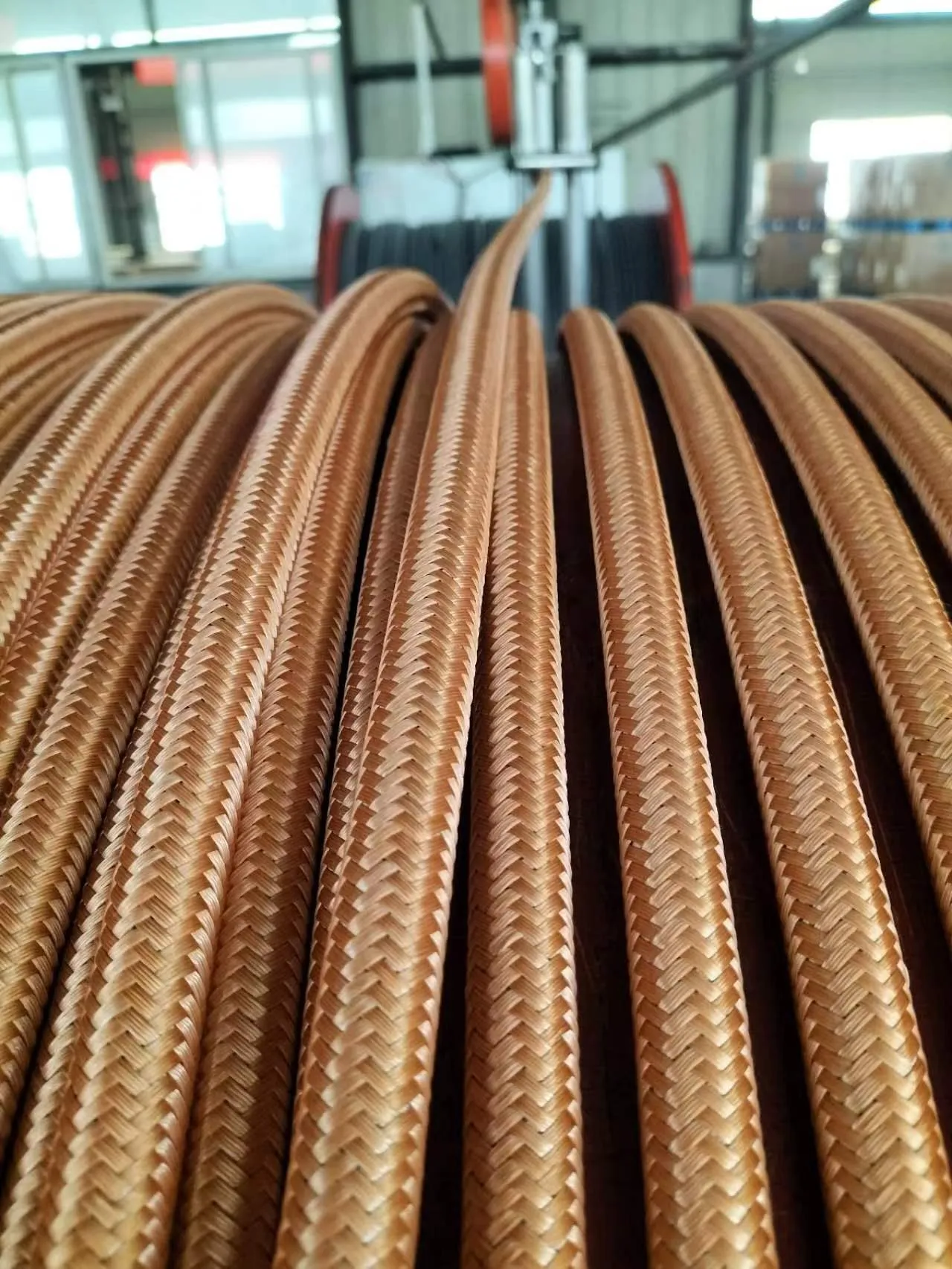
German standard hydraulic hoses are typically constructed from a combination of materials selected for their compatibility with hydraulic fluids and ability to withstand high pressures. The inner tube is commonly made of synthetic rubber compounds such as nitrile rubber (NBR), ethylene propylene diene monomer (EPDM), or fluorocarbon rubber (FKM/Viton), chosen based on fluid compatibility and temperature requirements. NBR offers good resistance to petroleum-based fluids, EPDM excels in phosphate ester applications, and FKM provides superior resistance to aggressive fluids and high temperatures. Reinforcement layers consist of multiple plies of high-tensile steel wire, spirally or braided, to provide the necessary burst strength and pressure resistance. The outer cover is usually a synthetic rubber blend, such as chloroprene rubber (CR), offering abrasion, weathering, and ozone resistance.
Manufacturing processes involve extrusion of the inner tube and cover, followed by precise winding or braiding of the reinforcement layers. Critical parameters include precise control of rubber compound formulations, steel wire tension during braiding, and curing temperatures and times. Extrusion quality directly impacts inner tube uniformity and dimensional accuracy. Braiding tension is crucial for achieving the specified burst pressure. Curing processes must be carefully monitored to ensure complete vulcanization of the rubber compounds, maximizing their physical properties and chemical resistance. Post-production testing, including pressure testing to failure, dimensional checks, and leak tests, is vital for quality assurance. Furthermore, adherence to German manufacturing standards requires rigorous documentation and traceability of materials and processes.

Performance & Engineering
The performance of German standard hydraulic hoses is governed by several engineering principles. Force analysis centers on the hoop stress within the hose wall, determined by the internal fluid pressure and hose diameter. This stress directly impacts the hose's ability to withstand pressure without failure. Environmental resistance is crucial, and hoses must maintain their integrity across a wide temperature range and in the presence of contaminants like oil, dirt, and salt spray. Compliance requirements, particularly DIN EN standards, dictate minimum burst pressures, safety factors, and dimensional tolerances. Hose flexibility is engineered through careful selection of rubber compounds and reinforcement layer construction. Spiral reinforcement offers greater flexibility than braided reinforcement, but typically lower burst pressure.
Furthermore, the phenomenon of hose expansion under pressure must be accounted for in system design. Excessive expansion can lead to decreased system efficiency and potential damage to hydraulic components. Proper hose routing and support are essential to prevent kinking, abrasion, and excessive bending stress. Furthermore, the selection of appropriate fittings is critical to ensure a leak-proof and secure connection. Fittings must be compatible with the hose material and rated for the same pressure and temperature as the hose itself. The German standards emphasize the importance of system-level performance and require comprehensive testing to validate the hose’s suitability for its intended application.
Technical Specifications
| Parameter | DIN EN Standard Requirement | Typical Value (DN6-100 R1AT) | Unit |
|---|---|---|---|
| Working Pressure | DIN EN 853 1AT | 315 | bar |
| Burst Pressure | DIN EN 853 1AT (4:1 safety factor) | 1260 | bar |
| Temperature Range | DIN EN 853 | -40 to +100 | °C |
| Inner Tube Material | DIN EN 853 | NBR (Nitrile Rubber) | - |
| Reinforcement | DIN EN 853 | Spiral Steel Wire | - |
| Outer Cover Material | DIN EN 853 | CR (Chloroprene Rubber) | - |
Failure Mode & Maintenance
Hydraulic hose failures can stem from several modes. Fatigue cracking, resulting from repeated flexing and pressure cycling, is a common issue, especially in applications with high dynamic loads. Delamination occurs when the reinforcement layers separate from the inner tube or cover, leading to a loss of pressure containment. Degradation of the rubber compounds due to exposure to high temperatures, UV radiation, or aggressive fluids can reduce their elasticity and strength. Oxidation causes hardening and cracking of the rubber, diminishing its sealing ability. Abrasion from external contact can damage the outer cover, exposing the reinforcement layers to corrosion.
Preventive maintenance is crucial. Regular visual inspections should identify signs of cracking, abrasion, or swelling. Pressure testing can reveal internal leaks. Hoses should be replaced at recommended intervals or when signs of damage are detected. Proper hose routing and support prevent kinking and abrasion. Avoid sharp bends and direct contact with hot surfaces. Store hoses in a cool, dry place away from direct sunlight and ozone sources. When disconnecting hoses, ensure the system is depressurized to prevent sudden fluid release and potential injury. Flush the hydraulic system regularly to remove contaminants that can accelerate hose degradation. Always use properly rated fittings and tighten them to the manufacturer's specifications. A well-documented maintenance schedule and thorough record-keeping are essential for maximizing hose life and minimizing downtime.
Industry FAQ
Q: What is the significance of the “1AT” designation in DIN EN 853?
A: The "1AT" designation signifies a specific performance class according to DIN EN 853. It indicates a hose with a steel wire spiral reinforcement and is rated for a 4:1 safety factor, meaning the burst pressure is four times the working pressure. This classification ensures a defined level of reliability and safety for demanding hydraulic applications.
Q: How does temperature affect the performance of nitrile rubber (NBR) hoses?
A: NBR hoses have a limited temperature range. Exposure to high temperatures (above 100°C) can cause the rubber to degrade, losing its elasticity and resistance to hydraulic fluids. Low temperatures (below -40°C) can cause the rubber to become brittle and prone to cracking. Maintaining the hose within the specified temperature range is critical for optimal performance.
Q: What are the potential consequences of using a hose with an incompatible inner tube material?
A: Using a hose with an incompatible inner tube material can lead to rapid degradation of the rubber, resulting in leaks, swelling, and ultimately, hose failure. The inner tube material must be chemically compatible with the hydraulic fluid being used. For example, using an NBR hose with phosphate ester fluids will cause the NBR to swell and deteriorate.
Q: What is the recommended procedure for inspecting hydraulic hoses for damage?
A: A thorough inspection should include a visual check for cracks, abrasions, swelling, or discoloration of the rubber. Pay close attention to the hose near fittings and along its entire length. Gently flex the hose to check for delamination. Also, inspect the fittings for signs of corrosion or damage. Any signs of damage necessitate immediate hose replacement.
Q: What role do fittings play in the overall performance and safety of a hydraulic hose assembly?
A: Fittings are a crucial part of a hydraulic hose assembly. They must be properly sized, rated for the same pressure and temperature as the hose, and securely connected to both the hose and the hydraulic system. Leaky or improperly installed fittings can lead to fluid loss, reduced system efficiency, and potential safety hazards. It’s vital to use fittings that meet German standards and are compatible with the hose material.
Conclusion
German standard hydraulic hoses are engineered for reliability and performance in demanding applications. Understanding the intricacies of their material science, manufacturing processes, and potential failure modes is critical for ensuring operational safety and minimizing downtime. As wholesale exporters, adhering to these rigorous standards is non-negotiable, guaranteeing compatibility and longevity in complex hydraulic systems.
The continued evolution of hydraulic technology necessitates a proactive approach to hose selection and maintenance. Future developments may include the integration of smart sensors for real-time pressure and temperature monitoring, as well as the development of more durable and environmentally friendly rubber compounds. Ultimately, a commitment to quality, adherence to German standards, and a focus on preventative maintenance will remain paramount for optimizing the performance and lifespan of these essential components.