


wholesale flexible hydraulic hose products Performance Engineering
Introduction
Wholesale flexible hydraulic hose products are critical components in fluid power systems across a vast range of industries including construction, agriculture, manufacturing, and automotive. These hoses transmit hydraulic fluid to actuators and other components, enabling the performance of work. Unlike rigid piping, flexible hoses accommodate movement, vibration, and misalignment, crucial for dynamic applications. This technical guide provides an in-depth analysis of their material science, manufacturing processes, performance characteristics, potential failure modes, and relevant industry standards. A key pain point within the industry revolves around hose life expectancy, consistently achieving reliable performance under demanding conditions (high pressure, temperature extremes, and corrosive environments), and ensuring consistent quality across large-scale wholesale orders. The selection criteria extend beyond simple burst pressure to encompass considerations like permeation resistance, abrasion resistance, and compatibility with the hydraulic fluid in use. Proper hose assembly and maintenance are also critical areas prone to errors that lead to system failures.
Material Science & Manufacturing
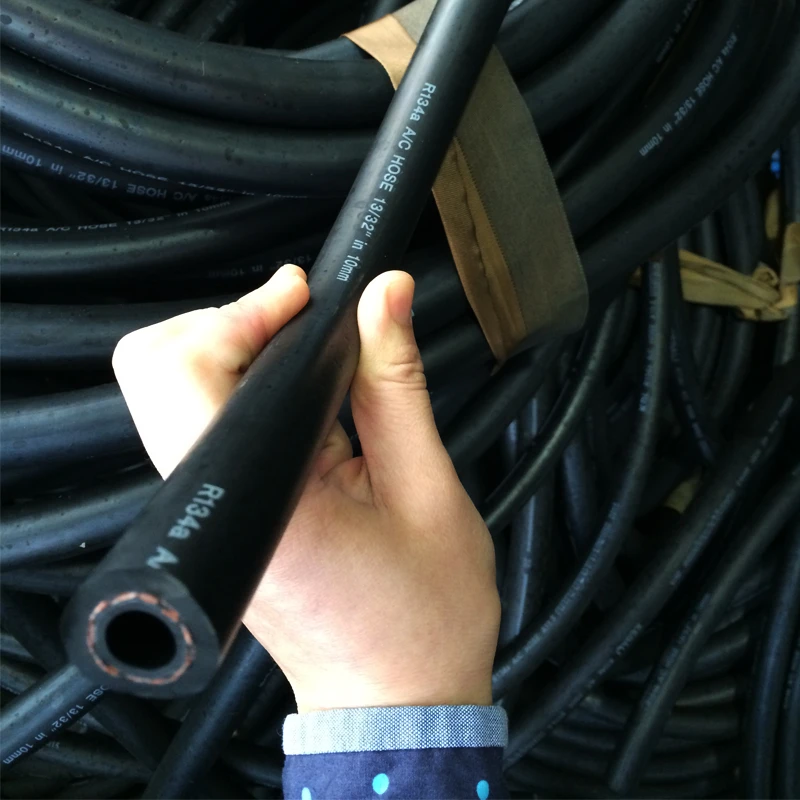
Flexible hydraulic hoses are typically constructed from multiple layers, each serving a specific function. The innermost layer, the tube, is typically made from synthetic rubbers like nitrile (NBR), ethylene propylene diene monomer (EPDM), or fluorocarbon (FKM/Viton) chosen for their compatibility with specific hydraulic fluids. NBR is common for petroleum-based fluids, EPDM for phosphate ester fluids, and FKM provides exceptional resistance to a wide range of aggressive chemicals and high temperatures. The reinforcement layer provides the hose’s pressure-bearing capability and is often composed of high-tensile steel wire (single or multiple spiral plies) or synthetic fiber braids (aramid, polyester). Steel wire offers superior pressure resistance, while fiber braids provide flexibility and resistance to corrosion. The outer cover, typically a synthetic rubber such as chloroprene (CR) or polyurethane (PU), protects the reinforcement layer from abrasion, weathering, and chemical attack.
Manufacturing involves several key processes. The tube is extruded through a die to achieve the desired inner diameter and wall thickness. The reinforcement layer is then applied – steel wire is spirally wound onto the tube, while fiber braids are woven over it. These layers are bonded together using adhesives and vulcanization (curing) processes. Precise temperature and pressure control during vulcanization are crucial for achieving optimal adhesion and material properties. The outer cover is then extruded over the reinforced tube. Critical parameters include maintaining consistent rubber compound viscosity, accurate wire tension during winding, and precise curing times. Quality control checks throughout the process include dimensional inspections, pressure testing, and adhesion testing to ensure the hose meets specified standards. Skiving, a process of removing a portion of the outer cover at the ends, facilitates hose assembly.
Performance & Engineering
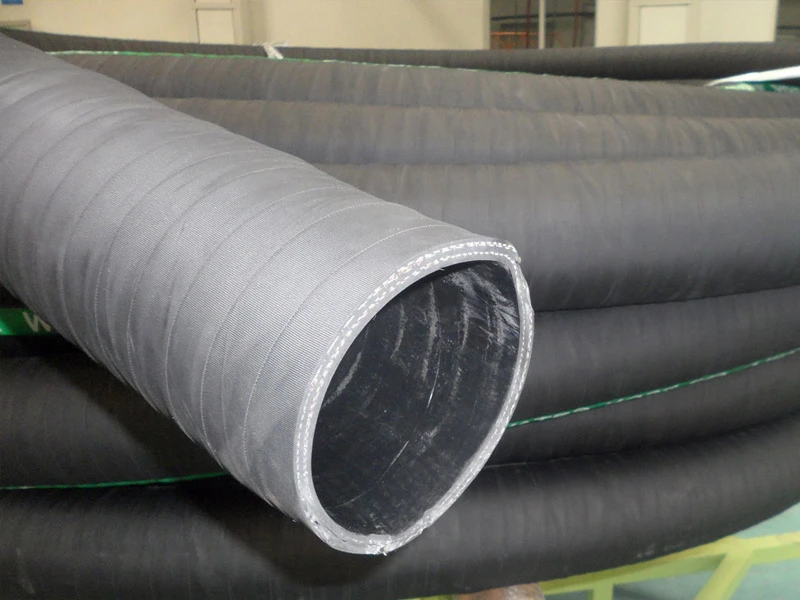
Hydraulic hose performance is defined by several key engineering parameters. Burst pressure is the maximum pressure the hose can withstand before failure, a critical safety parameter. Working pressure, typically specified as a fraction of the burst pressure (e.g., 1/4), represents the recommended operating pressure. Impulse pressure, often overlooked, measures the hose's ability to withstand cyclical pressure fluctuations, prevalent in hydraulic systems with reciprocating pumps or valves. Temperature range defines the operating limits; exceeding these limits can lead to material degradation and failure.
Force analysis is central to hose design. The reinforcement layer must withstand hoop stress generated by internal pressure. Finite element analysis (FEA) is frequently used to model stress distribution and optimize reinforcement layer configuration. Flexibility, measured by bend radius, is crucial for preventing kinking and damage during operation. The hose must also exhibit resistance to permeation – the leakage of hydraulic fluid through the hose wall. Permeation rates are influenced by fluid viscosity, temperature, and hose material. Compliance requirements, such as those set by SAE (Society of Automotive Engineers) and EN (European Norms), dictate performance standards and testing procedures. Proper hose assembly, utilizing correctly sized fittings and crimping procedures, is paramount for achieving the rated performance. Improper crimping can lead to premature failure due to fitting blow-off or hose deformation.
Technical Specifications
| Parameter | Unit | Typical Value (NBR/Steel Wire) | Typical Value (FKM/Fiber Braid) |
|---|---|---|---|
| Working Pressure | PSI | 3000 | 2000 |
| Burst Pressure | PSI | 12000 | 8000 |
| Temperature Range | °F | -40 to +212 | -20 to +450 |
| Inner Diameter | inches | 0.5 - 2.0 | 0.25 - 1.0 |
| Outer Diameter | inches | 0.75 - 2.5 | 0.5 - 1.5 |
| Minimum Bend Radius | inches | 6 - 12 | 4 - 8 |
Failure Mode & Maintenance
Common failure modes in hydraulic hoses include burst failure due to exceeding the working pressure, pinhole leaks caused by internal abrasion or material defects, and fitting blow-off resulting from improper crimping. Fatigue cracking, occurring after repeated flexing, is a significant concern, particularly in applications with high vibration. External abrasion can damage the cover, exposing the reinforcement layer to corrosion. Oil permeation can lead to fluid loss and environmental contamination. Degradation of the rubber material due to exposure to heat, ozone, or UV radiation weakens the hose and reduces its lifespan. Oxidation of the hydraulic fluid can accelerate rubber degradation.
Preventative maintenance is crucial. Regular visual inspections should identify cracks, abrasions, swelling, or leaks. Hoses should be replaced periodically, even if no visible damage is present, based on the application’s severity and operating conditions. Proper routing and support are essential to prevent excessive bending and abrasion. Using correctly sized and rated fittings is critical. Hoses should be stored in a cool, dry, and dark environment to prevent degradation. When replacing hoses, ensure compatibility with the hydraulic fluid. Crimping procedures must adhere to manufacturer’s specifications. Implementing a hose management program, including tracking hose age and replacement schedules, can significantly reduce downtime and improve safety.
Industry FAQ
Q: What is the impact of hydraulic fluid type on hose selection?
A: Hydraulic fluid compatibility is paramount. Using an incompatible fluid can cause the hose tube to swell, soften, or degrade, leading to leaks or failure. NBR is generally suitable for petroleum-based fluids, while EPDM is preferred for phosphate ester fluids. FKM offers broad compatibility but is more expensive. Always consult fluid compatibility charts and the hose manufacturer's recommendations.
Q: How does temperature affect hose performance and lifespan?
A: Elevated temperatures accelerate rubber degradation and reduce the hose's pressure rating. Low temperatures can cause the rubber to stiffen and become less flexible, increasing the risk of cracking. Operating the hose outside its specified temperature range significantly reduces its service life. Heat shielding may be necessary in high-temperature applications.
Q: What are the common causes of hose fitting failure?
A: Improper crimping is the most frequent cause of fitting failure. Insufficient crimp strength allows the fitting to slip or blow off under pressure. Over-crimping can damage the hose reinforcement. Using incorrect fittings, corrosion, and thread damage can also contribute to failures. Regular inspection of fittings for tightness and corrosion is crucial.
Q: What is the importance of impulse pressure rating?
A: Impulse pressure rating determines the hose’s ability to withstand pressure pulsations, common in systems with positive displacement pumps. Ignoring impulse pressure can lead to premature fatigue failure, even if the working pressure is not exceeded. Select hoses with an adequate impulse pressure rating for the application.
Q: How should hydraulic hoses be stored to maximize their lifespan?
A: Hoses should be stored in a cool, dry, and dark environment, away from direct sunlight, ozone sources (e.g., electric motors), and extreme temperatures. They should be stored loosely coiled or hung, avoiding sharp bends. Protect hoses from physical damage during storage and transport.
Conclusion
The selection and maintenance of wholesale flexible hydraulic hoses are critical for the reliable and safe operation of hydraulic systems. Understanding the material science, manufacturing processes, and performance characteristics of these components is essential for engineers and procurement professionals alike. Addressing key pain points like hose lifespan, quality consistency, and proper installation through diligent inspection, preventative maintenance, and adherence to industry standards minimizes the risk of costly downtime and potential safety hazards.
Future advancements in hydraulic hose technology are focused on developing materials with enhanced temperature resistance, improved chemical compatibility, and increased durability. Smart hose technologies, incorporating sensors to monitor pressure, temperature, and leakage, are emerging, providing real-time data for predictive maintenance. Continued adherence to evolving industry regulations and standards will remain paramount for ensuring optimal performance and safety.