


wholesale durable rubber hydraulic hose factory Performance Analysis
Introduction
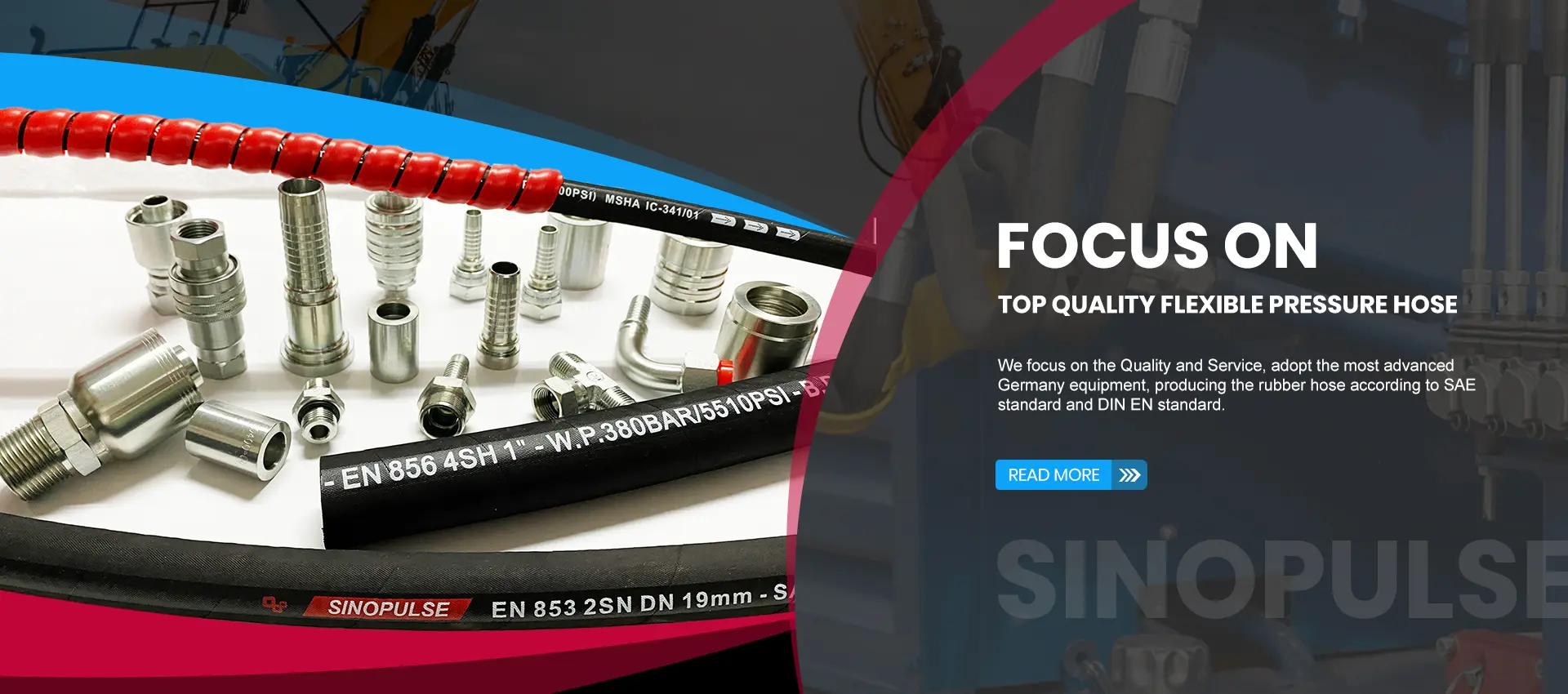
Rubber hydraulic hose constitutes a critical component in fluid power systems across diverse industrial applications, including construction, agriculture, manufacturing, and automotive. This technical guide focuses on wholesale durable rubber hydraulic hose, examining its construction, material properties, manufacturing processes, performance characteristics, failure modes, and relevant industry standards. The escalating demands for increased operational efficiency, improved safety protocols, and prolonged equipment lifespan necessitate a thorough understanding of hydraulic hose technology. The core performance of a hydraulic hose is defined by its pressure rating, burst pressure, temperature range, fluid compatibility, and resistance to abrasion and environmental degradation. This guide intends to provide comprehensive technical information for procurement managers, engineers, and maintenance personnel involved in the selection, installation, and maintenance of these essential industrial components. The industry faces ongoing challenges related to hose compatibility with new hydraulic fluids (particularly environmentally friendly formulations), the need for lighter-weight hose constructions, and ensuring reliable performance in increasingly demanding operational environments.
Material Science & Manufacturing
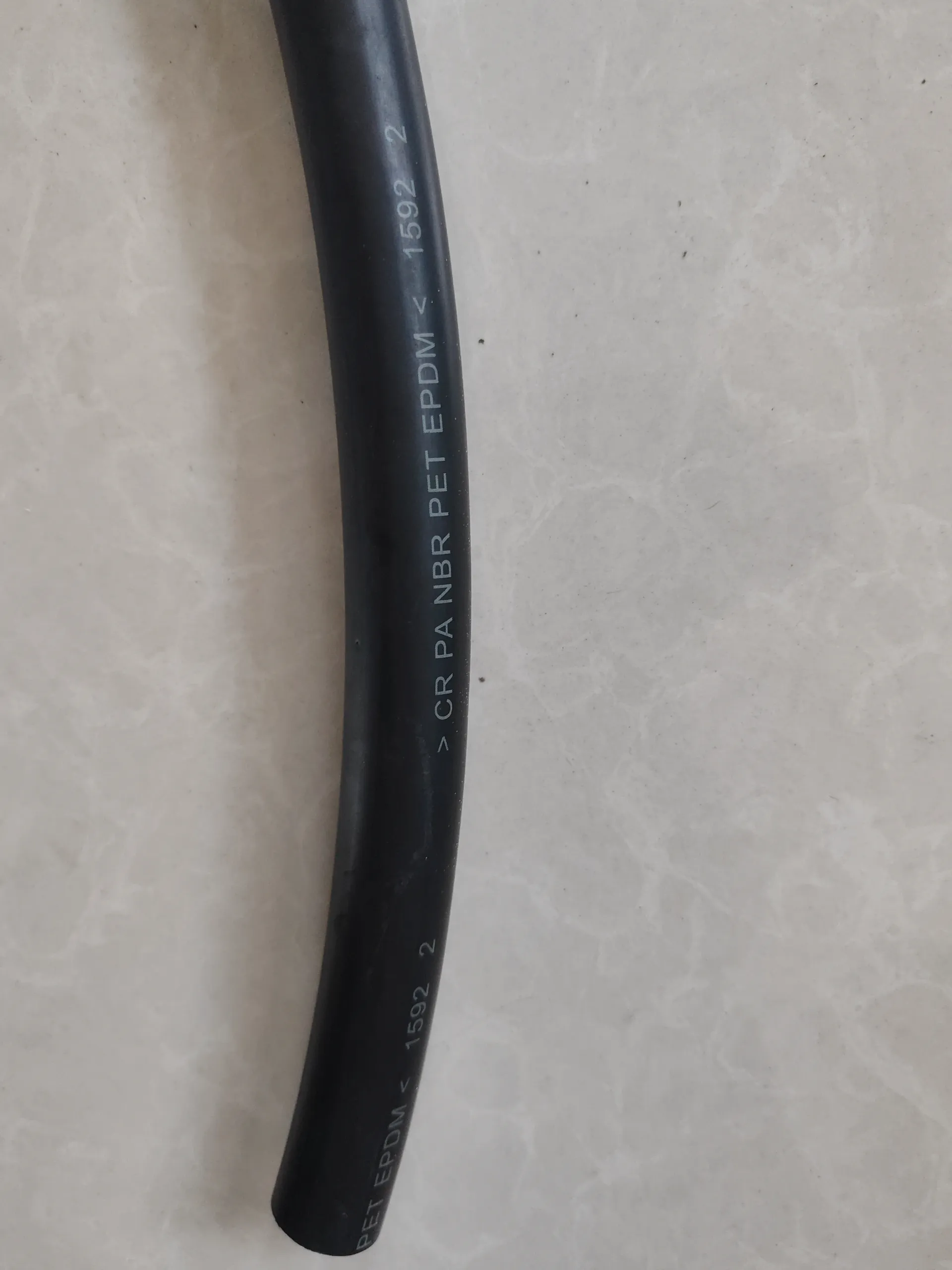
The construction of a durable rubber hydraulic hose begins with the selection of appropriate materials. The inner tube, which comes into direct contact with the hydraulic fluid, is commonly made of synthetic rubber compounds such as nitrile (NBR), ethylene propylene diene monomer (EPDM), or fluorocarbon (FKM – Viton). NBR offers good resistance to petroleum-based hydraulic fluids, while EPDM excels in phosphate ester fluid compatibility and high-temperature applications. FKM provides superior resistance to a broad spectrum of fluids and extreme temperatures but at a higher cost. Reinforcement layers are crucial for withstanding high pressures and preventing hose burst. These typically consist of multiple plies of high-tensile steel wire, spiraled or braided, sometimes in combination with textile reinforcement. The outer cover, providing abrasion and weather resistance, is generally composed of synthetic rubber such as chloroprene (CR) or polyurethane (PU).
Manufacturing processes include tube extrusion, reinforcement layer winding or braiding, and outer cover extrusion. Precise control of extrusion parameters – temperature, pressure, and die geometry – is essential for ensuring consistent tube dimensions and material properties. Steel wire braiding requires precise tension control to maintain layer integrity and achieve the desired pressure rating. Curing (vulcanization) is a critical step, involving heating the assembled hose under pressure to crosslink the rubber compounds, enhancing their elasticity, strength, and resistance to degradation. Quality control checks throughout the manufacturing process include dimensional inspections, pressure testing, and material property analysis (e.g., tensile strength, elongation, hardness). Improper curing or reinforcement inconsistencies can lead to premature hose failure.
Performance & Engineering
Hydraulic hose performance is fundamentally governed by its ability to withstand internal pressure without bursting or collapsing. Burst pressure is typically four times the working pressure, providing a safety factor. The hose's ability to resist deformation under pressure is critical to maintaining efficient fluid flow. Force analysis involves calculating hoop stress within the hose wall, considering factors like internal pressure, hose diameter, and reinforcement layer configuration. Environmental resistance is paramount; hoses are exposed to temperature extremes, UV radiation, ozone, and various chemicals. Temperature affects rubber elasticity; high temperatures can reduce strength and increase susceptibility to degradation, while low temperatures can cause brittleness. Compliance with industry standards, such as SAE J517 and EN 853, ensures that hoses meet minimum performance requirements.
Functional implementation requires careful consideration of hose routing and fitting selection. Sharp bends and excessive flexing can lead to fatigue failure. Fittings must be correctly sized and crimped to provide a secure, leak-proof connection. Hose guard protection (spiral wrap or sleeve) is often employed in applications prone to abrasion or impact damage. The choice of hose construction (e.g., spiral-wound vs. braided) depends on the specific application requirements – spiral-wound hoses generally offer higher flexibility and kink resistance, while braided hoses provide greater burst strength. Proper hose assembly and installation are vital for preventing premature failure and ensuring system reliability.
Technical Specifications
| Parameter | SAE 100R2AT | SAE 100R6 | EN 853 2SN | DIN EN 853 1SN |
|---|---|---|---|---|
| Working Pressure (PSI) | 2220 | 2000 | 200 bar (2900 PSI) | 160 bar (2320 PSI) |
| Burst Pressure (PSI) | 6660 | 6000 | 600 bar (8700 PSI) | 480 bar (6960 PSI) |
| Temperature Range (°F) | -40 to +212 | -40 to +176 | -40 to +100 | -40 to +70 |
| Inner Tube Material | NBR | NBR | NBR | NBR |
| Reinforcement | 2AT (Spiral Steel) | 6 Spiral Steel | 2 Steel Wire Spiral | 1 Steel Wire Braid |
| Cover Material | Synthetic Rubber | Synthetic Rubber | Synthetic Rubber | Synthetic Rubber |
Failure Mode & Maintenance
Hydraulic hose failure can manifest in several ways, each with distinct causes. Fatigue cracking, often occurring near fittings, results from repeated flexing and pressure cycling. This is exacerbated by excessive bending radius and improper installation. Bursting, a catastrophic failure, is usually caused by exceeding the hose’s pressure rating or internal damage to the reinforcement layers. Abrasion damage occurs when the outer cover is worn away by rubbing against abrasive surfaces. Internal degradation can arise from fluid incompatibility, leading to swelling, softening, or cracking of the inner tube. Oxidation and ozone attack cause the rubber compounds to become brittle and lose elasticity.
Preventative maintenance is crucial for extending hose lifespan and preventing failures. Regular visual inspections should be conducted to identify signs of abrasion, cracking, swelling, or leaks. Hoses should be replaced if any damage is detected. Proper hose routing and support are essential to minimize stress. Fluid compatibility must be verified before using a hose with a particular hydraulic fluid. Periodic pressure testing can help identify hoses that are nearing the end of their service life. Correct fitting selection and crimping are paramount. When replacing hoses, it's best practice to replace fittings as well, ensuring compatibility and a secure connection. Keep hoses clean and protected from harsh environments. Implement a preventative maintenance schedule based on operating conditions and hose usage.
Industry FAQ
Q: What is the impact of using incorrect hydraulic fluid on hose lifespan?
A: Using an incompatible hydraulic fluid can severely compromise hose lifespan. Fluids not specifically formulated for the hose’s inner tube material can cause swelling, softening, or chemical degradation of the rubber, leading to premature failure. For example, using a petroleum-based fluid in a hose designed for phosphate ester fluids will quickly cause the hose to deteriorate.
Q: How do I determine the correct hose pressure rating for my application?
A: The hose pressure rating must exceed the maximum system pressure, including any pressure spikes or surges. Always select a hose with a working pressure at least four times the maximum system pressure. Consider the operating temperature as pressure ratings are often derated at higher temperatures.
Q: What are the best practices for minimizing hose twist during installation?
A: Hose twist can induce internal stress and lead to premature failure. Always ensure the hose is fully extended during installation. Avoid forcibly twisting the hose during routing. Use swivel fittings where necessary to accommodate movement and prevent torsional stress.
Q: How does temperature affect the performance of a hydraulic hose?
A: Temperature significantly impacts rubber elasticity and strength. High temperatures reduce tensile strength and increase susceptibility to degradation. Low temperatures can cause brittleness and cracking. Select a hose rated for the expected operating temperature range. Consider using hoses with specialized temperature-resistant compounds for extreme environments.
Q: What is the proper procedure for crimping hydraulic hose fittings?
A: Correct crimping is essential for a leak-proof and secure connection. Utilize a calibrated crimping machine and dies specifically designed for the hose and fitting combination. Follow the manufacturer’s crimping specifications precisely. Improper crimping can lead to leaks, hose blow-off, or fitting failure.
Conclusion
Wholesale durable rubber hydraulic hose is a foundational element within countless industrial systems, demanding careful material selection, precise manufacturing, and diligent maintenance. Understanding the interplay between material science, performance engineering, and potential failure modes is paramount for ensuring reliable operation and maximizing service life. The choice of hose construction and compatibility with specific hydraulic fluids represent key decision points, directly influencing the system's overall efficiency and safety.
Continued advancements in rubber compound technology and reinforcement materials are driving the development of lighter, more durable, and more versatile hydraulic hoses. Future trends include the adoption of smart hose technologies with integrated sensors for real-time monitoring of pressure, temperature, and structural integrity. Proactive maintenance programs, coupled with adherence to relevant industry standards, will remain crucial for mitigating risks and optimizing the performance of these critical industrial components.