


sae hydraulic rubber hose suppliers Performance Analysis

Introduction
SAE hydraulic rubber hose, a critical component in fluid power systems, facilitates the transmission of hydraulic fluid to actuators and other components. Suppliers of these hoses operate within a highly regulated landscape dictated by the Society of Automotive Engineers (SAE) standards, particularly J517, J189, and J343. These standards define performance characteristics including pressure ratings, temperature resistance, and fluid compatibility. The core performance of hydraulic hose is characterized by its burst pressure, working pressure, and bend radius, directly influencing system reliability and operational safety. This guide provides an in-depth technical analysis of SAE hydraulic rubber hose, encompassing material science, manufacturing processes, performance engineering, failure modes, and relevant industry standards, geared towards procurement managers and engineers in industrial applications.
Material Science & Manufacturing
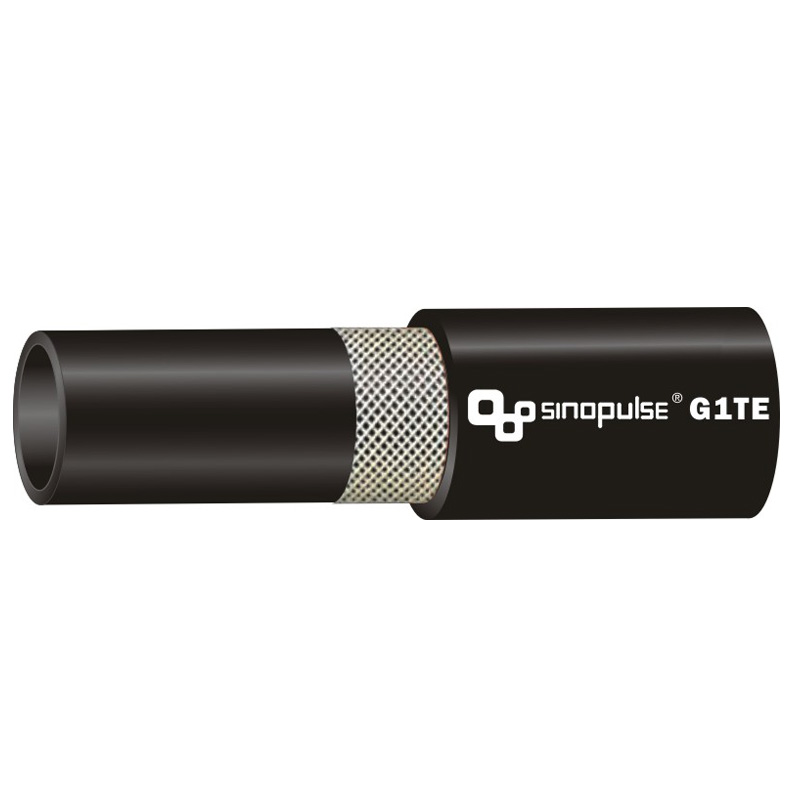
The construction of SAE hydraulic rubber hose relies on a multi-layered configuration. The innermost layer, the tube, is typically composed of synthetic rubber compounds such as nitrile (NBR), ethylene propylene diene monomer (EPDM), or chloroprene (CR), selected based on fluid compatibility. NBR is commonly used for petroleum-based fluids, EPDM for phosphate ester fluids, and CR offers broad chemical resistance. The reinforcement layer, crucial for pressure containment, consists of multiple high-tensile strength steel wire braids or spirals. The number of braids dictates the hose's pressure rating; higher braid counts equate to greater burst pressure. An exterior cover, typically a synthetic rubber compound like polyurethane or polyester, provides abrasion, ozone, and weathering resistance. Manufacturing processes involve extrusion of the inner tube and outer cover, followed by precise winding of the reinforcement layers. Critical parameter control includes maintaining consistent rubber compound viscosity during extrusion, ensuring accurate braid pitch and tension, and achieving proper vulcanization (curing) to optimize rubber properties like tensile strength and elongation. Vulcanization temperature and duration are vital, as under-curing results in low strength and tackiness, while over-curing can lead to brittleness and reduced flexibility. Specialized equipment, including hydraulic presses and curing ovens, is essential for consistent product quality.
Performance & Engineering
Hydraulic hose performance is governed by several engineering principles. Force analysis considers internal fluid pressure acting radially on the tube, counteracted by the tensile strength of the reinforcement layers. Hose selection requires careful consideration of the system's maximum operating pressure, temperature, and fluid type. Environmental resistance is crucial; prolonged exposure to UV radiation, ozone, and extreme temperatures can degrade the rubber compounds, reducing flexibility and increasing the risk of failure. Compliance with SAE standards necessitates rigorous testing, including burst pressure testing, impulse testing (simulating pressure pulsations), and temperature cycling. The bend radius is a critical parameter; exceeding the minimum bend radius induces stress concentrations in the hose wall, accelerating fatigue failure. Proper hose assembly, including the selection of appropriate fittings and crimping procedures, is paramount. Incorrect crimping can lead to fitting leakage or hose blow-off. Furthermore, factors like fluid velocity and the presence of contaminants impact hose life. High fluid velocities can cause erosion of the inner tube, while abrasive particles accelerate wear and tear. Proper filtration of hydraulic fluid is therefore essential for maximizing hose longevity.
Technical Specifications
| Parameter | Unit | SAE 100R1AT | SAE 100R2AT |
|---|---|---|---|
| Working Pressure | psi | 1000 | 1200 |
| Burst Pressure | psi | 3000 | 3600 |
| Temperature Range | °F | -40 to +212 | -40 to +212 |
| Reinforcement | - | Single Wire Braid | Double Wire Braid |
| Tube Material | - | NBR | NBR |
| Cover Material | - | Polyurethane | Polyurethane |
Failure Mode & Maintenance
Hydraulic hose failure can manifest in several ways. Fatigue cracking, resulting from repeated pressure cycling and bending, is a common mode, particularly near the fittings. Delamination, the separation of reinforcement layers from the tube or cover, is often caused by inadequate bonding during manufacturing or exposure to harsh chemicals. Degradation of the rubber compounds, induced by UV radiation, ozone, or extreme temperatures, leads to loss of flexibility and cracking. Oxidation of the hydraulic fluid can also accelerate rubber degradation. Fitting corrosion can create leakage paths and weaken the connection. Impulse pressures, sudden pressure spikes, can exceed the hose's rated capacity, causing rupture. Maintenance strategies include regular visual inspections for signs of cracking, abrasion, or swelling. Pressure testing can identify leaks and assess hose integrity. Proper routing and support are essential to prevent excessive bending and abrasion. Using the correct fittings and ensuring proper crimping are critical for preventing fitting-related failures. Fluid analysis should be performed periodically to monitor contamination levels and fluid degradation. Replacing hoses at recommended intervals, based on operating conditions and fluid type, is a proactive maintenance practice.
Industry FAQ
Q: What is the significance of the SAE J517 standard in hydraulic hose selection?
A: SAE J517 is the primary standard defining the performance characteristics of hydraulic hose. It classifies hoses based on their pressure ratings, construction types, and fluid compatibility. Selecting a hose compliant with J517 ensures it meets minimum safety and performance requirements for the intended application, mitigating the risk of catastrophic failure.
Q: How does the number of reinforcement braids affect hose pressure rating?
A: The number of reinforcement braids directly correlates with the hose’s ability to withstand internal pressure. Each braid layer adds tensile strength, resisting radial expansion of the tube under pressure. A higher braid count results in a higher burst pressure and working pressure rating.
Q: What are the implications of using a hose with an incorrect bend radius?
A: Exceeding the minimum specified bend radius induces significant stress concentration in the hose wall, particularly at the bend. This localized stress accelerates fatigue failure, leading to premature cracking and potential rupture. Maintaining the recommended bend radius is crucial for hose longevity.
Q: What role does hydraulic fluid contamination play in hose failure?
A: Contaminants in hydraulic fluid, such as abrasive particles, can act as an abrasive agent, eroding the inner tube and damaging seals. Chemical contaminants can degrade the rubber compounds. Maintaining clean hydraulic fluid through proper filtration is essential for extending hose life and preventing premature failure.
Q: What is the best practice for storing hydraulic hose before installation?
A: Hydraulic hose should be stored in a cool, dry, and dark environment, away from direct sunlight, ozone sources, and extreme temperatures. Hoses should be coiled loosely to avoid kinking and stress. Avoid storing hoses in contact with incompatible materials, such as solvents or chemicals. Protect hoses from physical damage during storage and handling.
Conclusion
SAE hydraulic rubber hose represents a complex interplay of material science, manufacturing precision, and rigorous engineering. Understanding the key parameters – pressure ratings, fluid compatibility, temperature limits, and bend radii – is fundamental for proper hose selection and application. Compliance with SAE standards, particularly J517, is non-negotiable for ensuring system safety and reliability.
Proactive maintenance, including regular inspections, fluid analysis, and adherence to recommended replacement intervals, significantly extends hose life and minimizes the risk of catastrophic failure. Selecting a reputable supplier who demonstrates a commitment to quality control and adherence to industry standards is paramount. Continuous advancements in rubber compound technology and hose construction techniques promise to further enhance the performance and durability of hydraulic hose in demanding industrial environments.