


sae hydraulic rubber hose products Performance Analysis

Introduction
SAE hydraulic rubber hose products represent a critical component in hydraulic systems across a diverse range of industries, including construction, agriculture, manufacturing, and automotive. These hoses are engineered to safely and efficiently transmit hydraulic fluid under high pressure, facilitating the operation of machinery and equipment. Their technical position within the industry chain is defined by adherence to Society of Automotive Engineers (SAE) standards, ensuring interchangeability and performance reliability. Core performance characteristics include burst pressure, working pressure, temperature resistance, and fluid compatibility. The selection of an appropriate SAE hydraulic hose necessitates a thorough understanding of the application's operational parameters and potential exposure to environmental factors. Failure to do so can lead to catastrophic system failure, safety hazards, and substantial downtime, representing a significant pain point for operators and maintenance personnel. This guide provides a comprehensive overview of SAE hydraulic rubber hose technology, covering material science, manufacturing processes, performance considerations, failure modes, and relevant industry standards.
Material Science & Manufacturing
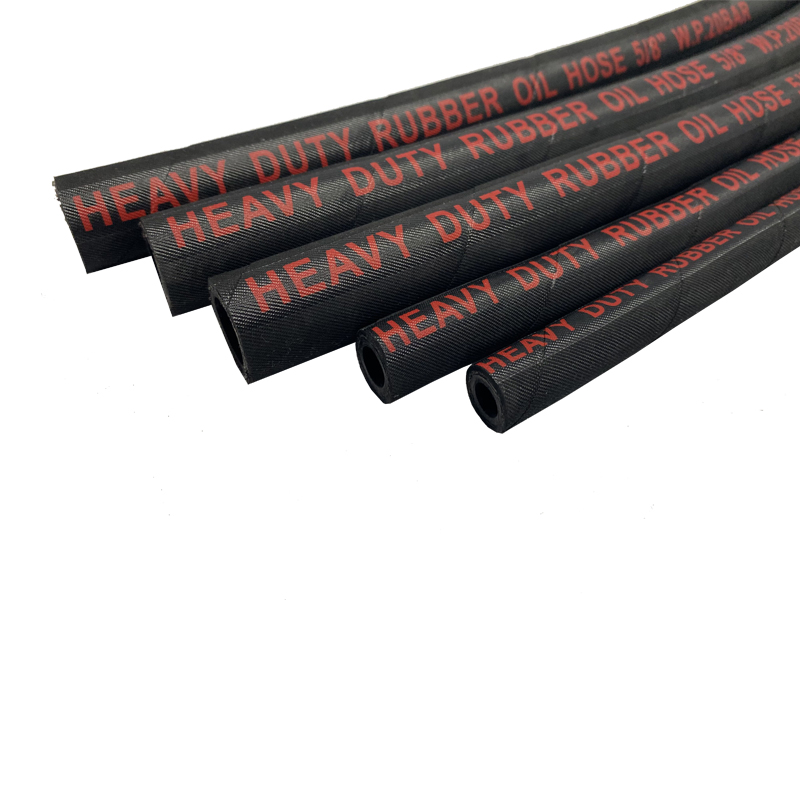
SAE hydraulic rubber hoses are typically constructed from multiple layers, each contributing to specific performance characteristics. The inner tube, in direct contact with the hydraulic fluid, is commonly made from synthetic rubbers such as nitrile (NBR), ethylene propylene diene monomer (EPDM), or fluorocarbon (FKM/Viton). NBR offers excellent resistance to petroleum-based fluids and is cost-effective, making it suitable for general-purpose applications. EPDM provides superior resistance to heat, ozone, and weathering, ideal for outdoor or high-temperature environments. FKM provides exceptional resistance to a broad range of chemicals and high temperatures, but at a higher cost, reserved for demanding applications. Reinforcement layers are crucial for withstanding high pressures and consist of multiple braids or spirals of high-strength steel wire. The number and configuration of these layers directly correlate with the hose’s working and burst pressures. The outer cover, providing protection against abrasion, oil, and environmental degradation, is generally composed of synthetic rubber like chloroprene (CR) or polyurethane.
Manufacturing processes vary depending on hose type and construction. A common method involves extrusion of the inner tube and outer cover, followed by the application of reinforcement layers via a spiral winding or braiding process. Curing, or vulcanization, is a critical step where the rubber compounds are cross-linked using heat and pressure, imparting elasticity, strength, and chemical resistance. Quality control is paramount, with rigorous testing performed at each stage to ensure dimensional accuracy, material integrity, and performance compliance. Key parameters controlled during manufacturing include rubber compound formulation, extrusion temperature, reinforcement layer tension, and curing time and temperature. Improper control of these parameters can lead to defects such as porosity, delamination, or insufficient pressure ratings.
Performance & Engineering
The performance of SAE hydraulic hoses is governed by several engineering principles. Burst pressure, the maximum pressure the hose can withstand before rupture, is a primary design consideration and is directly linked to the reinforcement layer configuration and material properties. Working pressure, typically a fraction of the burst pressure (determined by a safety factor, often 4:1), defines the maximum allowable operating pressure. Hose deflection, or bending radius, is another critical parameter; exceeding the minimum bend radius can induce stress concentration and premature failure. Environmental resistance is crucial, considering exposure to temperature extremes, ozone, UV radiation, and chemical contaminants.
Force analysis is essential during hose design and application. Internal pressure creates hoop stress in the hose wall, which is resisted by the reinforcement layers. External bending loads induce tensile and compressive stresses. In addition, axial loads from hose routing and connection points must be accounted for. Compliance requirements, as defined by SAE standards (discussed below), dictate minimum performance levels for various hose types. Functional implementation necessitates proper hose assembly practices, including the correct selection of fittings, crimping procedures, and routing techniques to minimize stress and ensure long-term reliability. Incorrectly crimped fittings or improper routing can significantly reduce hose lifespan and create potential safety hazards.
Technical Specifications
| Hose Type (SAE Standard) | Working Pressure (PSI) | Burst Pressure (PSI) | Temperature Range (°F) |
|---|---|---|---|
| SAE 100 R1 AT | 1000 | 4000 | -40 to +212 |
| SAE 100 R2 AT | 1200 | 4800 | -40 to +212 |
| SAE 100 R6 | 600 | 2400 | -40 to +180 |
| SAE 100 R7 | 750 | 3000 | -40 to +180 |
| SAE 100 R8 | 1000 | 4000 | -40 to +180 |
| SAE 100 R12 | 1500 | 6000 | -40 to +212 |
Failure Mode & Maintenance
SAE hydraulic rubber hoses are susceptible to various failure modes. Fatigue cracking, caused by repeated flexing and pressure cycles, is a common occurrence, particularly in applications with high dynamic loading. Delamination, the separation of layers within the hose wall, can result from manufacturing defects, material incompatibility, or excessive temperature fluctuations. Degradation of the rubber compounds due to exposure to ozone, UV radiation, or chemical contaminants can lead to reduced flexibility and increased susceptibility to cracking. Oxidation, particularly in high-temperature environments, can cause hardening and embrittlement of the rubber. External damage, such as abrasion, impact, or kinking, can also compromise hose integrity.
Preventive maintenance is crucial for maximizing hose lifespan and ensuring safe operation. Regular visual inspections should be conducted to identify signs of cracking, abrasion, swelling, or leakage. Hose routing should be carefully planned to minimize bending stress and avoid contact with sharp edges or hot surfaces. Properly torqued fittings are essential to prevent leakage and premature failure. Hydraulic fluid should be regularly analyzed to detect contamination and maintain optimal fluid properties. When replacing hoses, it is essential to use hoses and fittings that are compatible with the hydraulic fluid and operating conditions. Damaged or suspect hoses should be replaced immediately. Record keeping of hose replacement dates and inspection findings helps facilitate proactive maintenance schedules and identify recurring issues.
Industry FAQ
Q: What is the difference between SAE 100 R1 AT and SAE 100 R2 AT hoses, and when would I choose one over the other?
A: Both SAE 100 R1 AT and R2 AT hoses are designed for hydraulic applications with high-pressure capabilities. The primary difference lies in their reinforcement construction. R2 AT hoses generally have a higher steel wire spiral reinforcement count, resulting in a higher working pressure (typically 1200 PSI vs. 1000 PSI for R1 AT) and increased resistance to bending. Choose R2 AT for applications requiring higher pressures or more demanding bend radii, while R1 AT is suitable for general-purpose applications where pressure requirements are moderate.
Q: How does temperature affect the performance and lifespan of a hydraulic hose?
A: Temperature significantly impacts rubber compound properties. High temperatures can accelerate oxidation and degradation, leading to reduced flexibility and strength. Low temperatures can cause rubber to become brittle and more susceptible to cracking. Exceeding the hose’s specified temperature range can drastically shorten its lifespan. Selecting a hose with a rubber compound specifically designed for the anticipated temperature range is critical.
Q: What are the common causes of hose fitting failures?
A: Common causes include improper crimping, corrosion, and incompatible materials. Insufficient crimping can result in leakage and eventual fitting separation. Corrosion can weaken the fitting and lead to failure. Using fittings made from materials incompatible with the hydraulic fluid can accelerate corrosion or cause swelling and deformation. Ensure proper crimping procedures, use corrosion-resistant fittings, and verify material compatibility.
Q: What is the importance of the 'AT' designation in SAE hose standards?
A: The "AT" designation signifies “Aftermarket” and indicates that the hose has undergone additional testing to demonstrate compatibility with a broader range of hydraulic fluids and operating conditions. This typically includes testing with newer, more sophisticated fluids and harsher environmental conditions, providing enhanced reliability and durability in real-world applications.
Q: How often should hydraulic hoses be inspected and replaced?
A: The inspection frequency depends on the application and operating conditions. As a general guideline, conduct visual inspections monthly, or more frequently in harsh environments. Hoses should be replaced immediately if any signs of damage (cracking, abrasion, swelling, leakage) are observed, or if they have reached their recommended service life (typically 5-7 years, even without visible damage). Maintaining a detailed inspection and replacement log is highly recommended.
Conclusion
SAE hydraulic rubber hoses are engineered components requiring careful selection, installation, and maintenance to ensure reliable performance and prevent costly downtime. A thorough understanding of material science, manufacturing processes, and performance characteristics is essential for making informed decisions. Adherence to SAE standards and industry best practices is paramount for maximizing hose lifespan and maintaining a safe operating environment. The proper hose, when applied correctly, delivers reliable fluid power transmission, contributing significantly to the efficiency and safety of hydraulic systems.
Looking forward, advancements in rubber compound technology and hose construction are continually improving the performance and durability of these critical components. Focus areas include the development of more chemically resistant materials, lighter-weight hose designs, and enhanced monitoring systems for detecting early signs of failure. Proactive maintenance programs, coupled with ongoing training for maintenance personnel, will remain crucial for maximizing the return on investment in hydraulic hose technology and ensuring the continued reliability of hydraulic systems across a diverse range of industries.