


sae 100 r7 hose exporters Performance Analysis
Introduction
SAE 100R7 hose represents a critical component in hydraulic systems across diverse industries, including construction, agriculture, mining, and manufacturing. It's a non-reinforced hydraulic hose designed for medium-pressure applications. Exporters specializing in this hose type serve a global market demanding reliable fluid conveyance. This guide provides an in-depth technical overview of SAE 100R7 hose, encompassing material science, manufacturing processes, performance characteristics, potential failure modes, and relevant industry standards. The core performance characteristic of 100R7 is its flexibility and suitability for a wide temperature range, making it a versatile option for numerous hydraulic applications where reinforcement isn't a primary requirement. A key industry pain point for purchasers lies in consistent quality control across different manufacturers and ensuring adherence to the stringent SAE specifications, as deviations can lead to premature failure and costly downtime. Furthermore, understanding the chemical compatibility of the hose material with the hydraulic fluid used is paramount for long-term reliability.
Material Science & Manufacturing
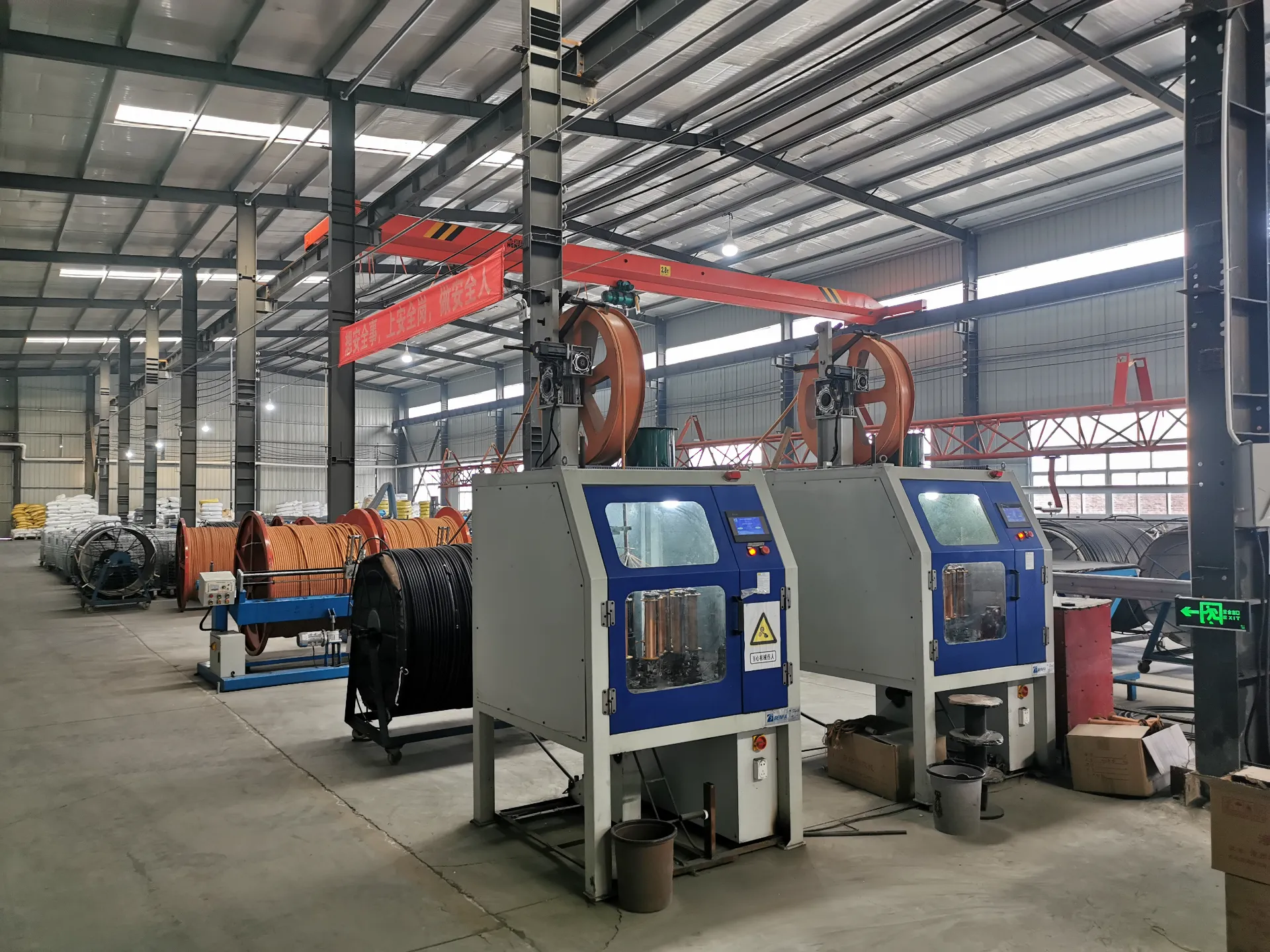
SAE 100R7 hose construction typically utilizes a synthetic rubber inner tube, commonly based on nitrile rubber (NBR) due to its excellent resistance to petroleum-based hydraulic fluids. NBR’s acrylonitrile content directly influences its oil resistance; higher content generally correlates with improved resistance but reduced flexibility at low temperatures. The cover, providing environmental protection and abrasion resistance, is frequently composed of chloroprene rubber (CR), also known as neoprene, offering good weather resistance and ozone protection. Manufacturing begins with the compounding of these rubber materials, incorporating fillers like carbon black for reinforcement and plasticizers to enhance flexibility. Extrusion processes form the inner tube and cover, followed by spiral winding of textile braid (typically polyester) for structural integrity – though 100R7 is specifically non-reinforced. This is a critical distinction. Parameter control during extrusion is vital, including temperature, pressure, and screw speed, to ensure consistent wall thickness and material homogeneity. Curing, or vulcanization, is performed to crosslink the rubber polymers, enhancing strength, elasticity, and resistance to degradation. Final inspection includes dimensional checks, pressure testing (to specified burst pressures), and visual inspection for defects. The chemical compatibility between the NBR inner tube and the hydraulic fluid is governed by the fluid’s additive package; incompatibilities can lead to swelling, softening, or cracking of the rubber.

Performance & Engineering
The performance of SAE 100R7 hose is characterized by its working pressure, burst pressure, and temperature range. Working pressure is determined through hydrostatic testing, and the hose must withstand at least three times the working pressure during a burst test. Force analysis considers hoop stress within the hose wall under pressure, influenced by diameter and wall thickness. Environmental resistance is crucial; prolonged exposure to UV radiation, ozone, and extreme temperatures can degrade the rubber compounds, leading to reduced flexibility and increased susceptibility to cracking. SAE J517 standard defines the performance requirements. Compliance with RoHS (Restriction of Hazardous Substances) and REACH (Registration, Evaluation, Authorisation and Restriction of Chemicals) regulations is also essential for export markets, restricting the use of certain heavy metals and other harmful substances. Functional implementation relies on proper hose assembly using compatible fittings. Incorrect crimping can compromise the hose’s integrity, leading to leakage or failure. The bend radius is a critical engineering consideration; exceeding the minimum bend radius introduces stress concentrations, accelerating fatigue and potentially causing failure. Temperature excursions above or below the specified range can significantly reduce hose life.
Technical Specifications
| Parameter | Unit | SAE 100R7 Specification | Typical Value (Exporter Offering) |
|---|---|---|---|
| Working Pressure | PSI | Up to 1000 | 800-1000 |
| Burst Pressure | PSI | 3000 Minimum | 2400-3000 |
| Temperature Range | °F | -40 to +212 | -40 to +212 |
| Inner Tube Material | - | Nitrile Rubber (NBR) | NBR |
| Cover Material | - | Chloroprene Rubber (CR) | CR |
| Reinforcement | - | None (Non-Reinforced) | None |
Failure Mode & Maintenance
Common failure modes in SAE 100R7 hose include pinhole leaks caused by abrasion or ozone cracking, burst failures due to exceeding pressure limits, and degradation of the rubber compounds due to prolonged exposure to harsh environments. Fatigue cracking can occur at connection points or areas subjected to repeated bending. Delamination, while less common in non-reinforced hoses, can occur if the bond between the inner tube and cover is compromised during manufacturing. Oxidation, particularly in the presence of high temperatures and oxygen, can lead to hardening and cracking of the rubber. Failure analysis typically involves visual inspection, pressure testing, and microscopic examination of the fractured surface to determine the root cause. Maintenance best practices include regular visual inspections for signs of damage, proper storage to protect from UV radiation and extreme temperatures, and periodic replacement based on service life and operating conditions. Avoid kinking or sharply bending the hose, as this introduces stress concentrations. Ensure compatibility between the hose material and the hydraulic fluid used. Regularly check fittings for tightness and signs of corrosion. Implement a preventative maintenance schedule to proactively identify and address potential issues before they lead to failure.
Industry FAQ
Q: What is the primary difference between SAE 100R7 and SAE 100R6 hose, and when would I choose one over the other?
A: The key difference is reinforcement. SAE 100R6 is a reinforced hose with multiple steel wire braids, providing significantly higher pressure capabilities. SAE 100R7 is non-reinforced and suitable for lower-pressure applications. Choose 100R6 when the hydraulic system operates at higher pressures (above 1000 PSI) and requires greater strength. Choose 100R7 for lower-pressure systems where flexibility and cost are primary considerations.
Q: How does the acrylonitrile content in the NBR inner tube affect its performance?
A: Higher acrylonitrile content improves oil resistance but reduces flexibility at low temperatures. Conversely, lower acrylonitrile content provides better low-temperature flexibility but compromises oil resistance. Exporters need to carefully balance these properties based on the intended application and operating environment.
Q: What is the impact of improper crimping on SAE 100R7 hose assemblies?
A: Improper crimping can lead to a compromised seal between the hose and the fitting, resulting in leakage. Over-crimping can damage the hose reinforcement (even though 100R7 is non-reinforced, excessive crimping damages the cover), while under-crimping provides insufficient grip. Proper crimping requires calibrated tools and adherence to fitting manufacturer’s specifications.
Q: What are the implications of RoHS and REACH compliance for SAE 100R7 hose exports?
A: RoHS restricts the use of hazardous substances like lead, mercury, and cadmium. REACH regulates the registration, evaluation, authorization, and restriction of chemical substances. Compliance is essential for accessing many international markets, particularly the European Union. Exporters must provide documentation demonstrating that their products meet these requirements.
Q: How should SAE 100R7 hose be stored to maximize its shelf life?
A: Hose should be stored in a cool, dry, and well-ventilated area, away from direct sunlight, ozone sources (e.g., electric motors), and extreme temperatures. It’s best stored coiled loosely, avoiding sharp bends or kinks. Proper storage minimizes degradation and extends the usable life of the hose.
Conclusion
SAE 100R7 hose remains a versatile and cost-effective solution for medium-pressure hydraulic applications. Its material composition, specifically the combination of NBR and CR, provides a balance of oil resistance, flexibility, and environmental protection. Successful exporters demonstrate rigorous quality control throughout the manufacturing process, ensuring adherence to SAE J517 specifications and relevant international regulations like RoHS and REACH. Understanding potential failure modes and implementing preventative maintenance programs are critical for maximizing hose lifespan and minimizing downtime.
The continued demand for SAE 100R7 hose hinges on its adaptability and reliability. Future advancements may focus on developing more sustainable rubber compounds and improving manufacturing processes to enhance durability and reduce environmental impact. Maintaining a thorough understanding of hydraulic system requirements and proactively addressing industry challenges will be key for exporters seeking to maintain a competitive edge in the global market.