


Polyurethane Hose Pricelist Technical Analysis
Introduction
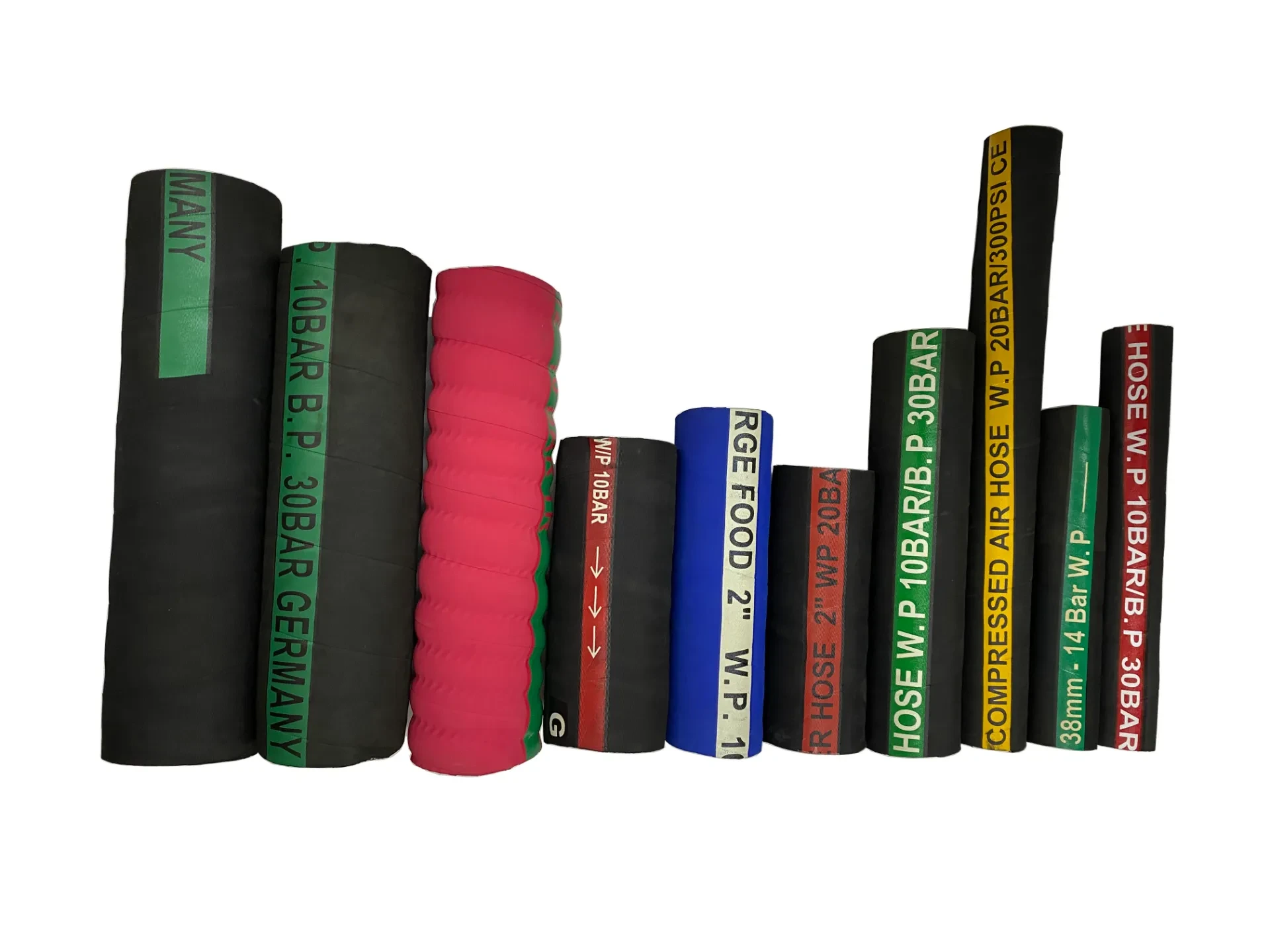
Polyurethane (PU) hose represents a critical fluid conveyance component across diverse industrial sectors, including hydraulic systems, pneumatic machinery, chemical transfer, and material handling. Distinguished by its exceptional abrasion resistance, flexibility, and resistance to oils and solvents, PU hose often serves as a premium alternative to rubber hoses in demanding applications. This guide provides a comprehensive technical overview of PU hose, encompassing material science, manufacturing processes, performance characteristics, failure modes, and relevant industry standards. The price point of PU hose is directly correlated to its construction – specifically the material grade of the polyurethane, reinforcement layers (if any), hose diameter, wall thickness, and working pressure rating. Understanding these factors is paramount for informed procurement and optimal system performance. Compared to alternatives like PVC or rubber hoses, PU generally commands a higher initial cost but offers a significantly extended service life and reduced total cost of ownership in abrasive or chemically aggressive environments. The industry chain positions PU hose manufacturing downstream from raw material suppliers (polyols, isocyanates) and serves upstream applications requiring robust and reliable fluid transfer.
Material Science & Manufacturing
Polyurethane is a polymer formed by the reaction of a polyol and an isocyanate. The specific type of polyol and isocyanate used dictates the final properties of the PU hose. Polyester-based polyurethanes offer superior abrasion resistance and tensile strength, while polyether-based polyurethanes exhibit better hydrolytic stability (resistance to degradation in wet environments). The shore hardness, typically ranging from 60A to 95A, influences flexibility and resistance to deformation. Manufacturing PU hose generally involves extrusion. The liquid polyurethane mixture is pumped through a die, shaping the hose’s internal diameter and wall thickness. Key parameters during extrusion include temperature control (to optimize reaction kinetics and prevent degradation), pressure regulation (to ensure consistent wall thickness), and die design (to minimize internal stresses). Reinforcement layers, commonly comprised of high-tensile textile braids (typically polyester or aramid) or spiral-wound steel wire, are often incorporated during the extrusion process to enhance burst pressure and prevent kinking. Post-extrusion processes may include vulcanization (curing to improve chemical resistance and mechanical properties) and surface treatments (for abrasion resistance or static dissipation). Chemical compatibility is a crucial consideration. PU is generally resistant to oils, fuels, and many solvents, but prolonged exposure to strong acids, bases, and certain chlorinated hydrocarbons can cause swelling and degradation. The raw materials' purity and accurate stoichiometric ratios during polymerization are fundamental to achieving consistent product quality. Maintaining precise control over these factors is essential for meeting stringent industry specifications.

Performance & Engineering
The performance of PU hose is fundamentally governed by its ability to withstand internal pressure, external loads, and environmental stresses. Burst pressure, a critical performance parameter, is determined by the hose’s material strength and reinforcement configuration. Working pressure is typically specified as a fraction of the burst pressure (e.g., 1/4 of burst pressure), providing a safety factor. Tensile strength, measured in MPa or PSI, indicates the maximum stress the hose can withstand before breaking. Elongation at break, expressed as a percentage, reflects the hose’s ductility. Fatigue resistance, a significant concern in dynamic applications, is assessed through cyclic pressure testing. The number of cycles to failure at a specified pressure and frequency is a key metric. Environmental resistance is assessed by exposing the hose to various fluids, temperatures, and UV radiation to evaluate degradation rates. Compliance with industry standards (discussed in the footer) often necessitates specific performance testing, such as impulse testing (simulating pressure surges) and kink testing (evaluating resistance to collapse). Force analysis involves calculating stresses within the hose wall under internal pressure and external bending. Finite element analysis (FEA) is frequently employed to optimize hose designs and predict performance under complex loading conditions. Electrostatic dissipative (ESD) PU hose is engineered to prevent static charge buildup, essential in applications where flammable fluids or sensitive electronics are present. This is achieved through the incorporation of conductive additives, such as carbon black.
Technical Specifications
| Parameter | Unit | Typical Value (Standard Grade) | Typical Value (High-Performance Grade) |
|---|---|---|---|
| Working Pressure | PSI | 300 | 500 |
| Burst Pressure | PSI | 1200 | 2000 |
| Tensile Strength | MPa | 20 | 35 |
| Elongation at Break | % | 400 | 500 |
| Shore Hardness | A | 90 | 95 |
| Temperature Range | °C | -40 to +80 | -40 to +100 |
Failure Mode & Maintenance
PU hose, while robust, is susceptible to various failure modes. Abrasion, particularly in applications involving abrasive media, can lead to gradual wear and thinning of the hose wall. Hydrolytic degradation, caused by prolonged exposure to water or humidity, can result in polymer chain scission and loss of mechanical properties, especially in polyether-based PU. Chemical attack from incompatible fluids can cause swelling, softening, and eventual failure. Fatigue cracking, initiated by cyclic pressure fluctuations, can propagate over time, leading to catastrophic failure. Kinking, resulting from excessive bending, can restrict flow and damage the reinforcement layers. Oxidation, particularly at elevated temperatures, can cause embrittlement and cracking. Maintenance practices include regular visual inspection for signs of wear, cracking, or swelling. Pressure testing should be performed periodically to verify the hose's integrity. Avoid exceeding the specified working pressure. Proper storage is crucial; store hoses in a cool, dry place away from direct sunlight and chemicals. Damaged hoses should be replaced immediately. Preventive maintenance, such as using protective sleeves in abrasive environments and implementing a regular cleaning schedule, can significantly extend the hose's service life. Analyzing failed hoses through microscopic examination can provide valuable insights into the root cause of failure and inform future material selection and maintenance strategies.
Industry FAQ
Q: What is the primary difference between polyester and polyether based polyurethane hoses, and which is better suited for hydraulic applications involving water-glycol fluids?
A: Polyester-based PU hoses generally exhibit superior abrasion resistance and higher tensile strength, making them ideal for dry abrasive applications. However, they are susceptible to hydrolysis (degradation by water). Polyether-based PU hoses, conversely, offer excellent hydrolytic stability, making them the preferred choice for hydraulic systems using water-glycol fluids, where constant exposure to moisture is expected. For water-glycol applications, the polyether grade provides significantly longer service life despite potentially slightly lower abrasion resistance.
Q: How does hose reinforcement affect its performance characteristics, specifically regarding burst pressure and kink resistance?
A: Hose reinforcement dramatically impacts performance. Textile braid reinforcement (polyester or aramid) increases burst pressure by distributing stress along the hose wall and resisting hoop stress. Spiral-wound steel wire reinforcement provides even greater burst pressure resistance and also significantly improves kink resistance by maintaining the hose’s shape under vacuum or bending. The tighter the braid or the closer the wire winding, the higher the burst pressure and kink resistance.
Q: What is the impact of temperature on the performance of polyurethane hoses, and what precautions should be taken in high-temperature environments?
A: Elevated temperatures can degrade the polyurethane polymer, reducing its tensile strength, elongation, and chemical resistance. Prolonged exposure to high temperatures can lead to embrittlement and cracking. In high-temperature environments (approaching the upper temperature limit of the hose), it is critical to select a PU hose specifically formulated for high-temperature applications, avoid exceeding the specified temperature limits, and consider using heat shielding or cooling systems to mitigate thermal stress.
Q: What are the advantages of using ESD polyurethane hoses in specific industrial applications?
A: Electrostatic dissipative (ESD) PU hoses prevent the buildup of static electricity, which is crucial in environments where flammable liquids or gases are present, or where sensitive electronic components could be damaged by electrostatic discharge. They are commonly used in fuel transfer, chemical processing, and powder handling applications to minimize the risk of ignition or component failure. ESD properties are achieved by incorporating conductive additives into the polyurethane matrix.
Q: What is the recommended service life for a polyurethane hose, and how can its remaining useful life be assessed?
A: The recommended service life for a PU hose varies significantly based on application conditions. Under ideal conditions (moderate temperature, compatible fluids, minimal abrasion), a PU hose can last several years. However, in harsh environments, the service life may be considerably shorter. Regular visual inspection, pressure testing, and monitoring for signs of wear, cracking, or swelling are essential. Periodic material testing (e.g., tensile strength measurements) can provide a more quantitative assessment of the remaining useful life. Implementing a proactive replacement schedule based on operating conditions and inspection results is best practice.
Conclusion
Polyurethane hose offers a compelling combination of durability, flexibility, and chemical resistance, making it a preferred choice for numerous industrial fluid transfer applications. Its performance is intricately linked to the underlying material science – the specific polyol and isocyanate chemistry – and the manufacturing processes employed. Understanding the trade-offs between different polyurethane formulations and reinforcement techniques is vital for selecting the optimal hose for a given application. Proper maintenance, including regular inspection and adherence to specified operating limits, is crucial for maximizing service life and preventing premature failure.
The continued development of PU hose technology focuses on enhancing its resistance to extreme temperatures, improving its hydrolytic stability, and incorporating smart features such as embedded sensors for real-time monitoring of pressure and temperature. Adherence to relevant industry standards ensures product quality and safety, providing confidence in the hose's performance and reliability. As industrial applications become increasingly demanding, polyurethane hose will undoubtedly remain a critical component in fluid power and process control systems.