


polyester yarn braid r7 r8 hose factories Performance Analysis
Introduction
Polyester yarn braid reinforcement for hydraulic hoses, specifically R7 and R8 constructions, represents a critical component in fluid power systems across diverse industries including construction, agriculture, mining, and manufacturing. These hoses are engineered to reliably convey hydraulic fluid under high pressure and varying temperature conditions. The R7 and R8 designations refer to Society of Automotive Engineers (SAE) pressure ratings, with R7 indicating a working pressure of 750 psi and R8 indicating a working pressure of 1000 psi. The polyester braid provides the tensile strength necessary to contain these pressures while maintaining flexibility. The core challenge within the hose manufacturing sector centers around achieving consistent braid coverage, ensuring chemical compatibility of the polyester with various hydraulic fluids, and maintaining dimensional stability throughout the hose's service life. Understanding the intricacies of polyester yarn properties, braiding processes, and failure mechanisms is paramount for manufacturers aiming to produce durable, reliable, and compliant hose assemblies. This guide provides an in-depth technical analysis of polyester yarn braid R7/R8 hose construction, addressing material science, manufacturing processes, performance characteristics, potential failure modes, and relevant industry standards.
Material Science & Manufacturing
The core material of the reinforcement braid is typically high-tenacity polyester yarn, commonly Polyethylene Terephthalate (PET). PET possesses excellent tensile strength (3-7 GPa), moderate elongation at break (20-50%), and good resistance to abrasion. The raw material is produced through the polymerization of ethylene glycol and terephthalic acid. Fiber properties, notably denier (weight per unit length) and tenacity, are tightly controlled during yarn production. Manufacturing the braid involves a complex process. Spools of polyester yarn are simultaneously interlaced on a braiding machine, typically a horizontal or vertical braiding machine with a varying number of carriers (typically 16-48). Braiding angle is a crucial parameter, influencing hose pressure capacity and flexibility; typical angles range from 54° to 70°. Post-braiding, the braid undergoes heat setting, a critical process to stabilize the braid structure, reduce shrinkage, and improve dimensional stability. Parameters such as temperature (180-220°C) and dwell time (30-60 minutes) are precisely controlled. The quality of the braid is heavily dependent on yarn consistency, braiding machine maintenance (to avoid yarn breakage and uneven tension), and precise heat-setting parameters. Chemical compatibility of the polyester with hydraulic fluids (mineral oil, synthetic fluids, water-glycol fluids) is also a significant consideration, as prolonged exposure can lead to fiber degradation and reduced hose performance.
Performance & Engineering
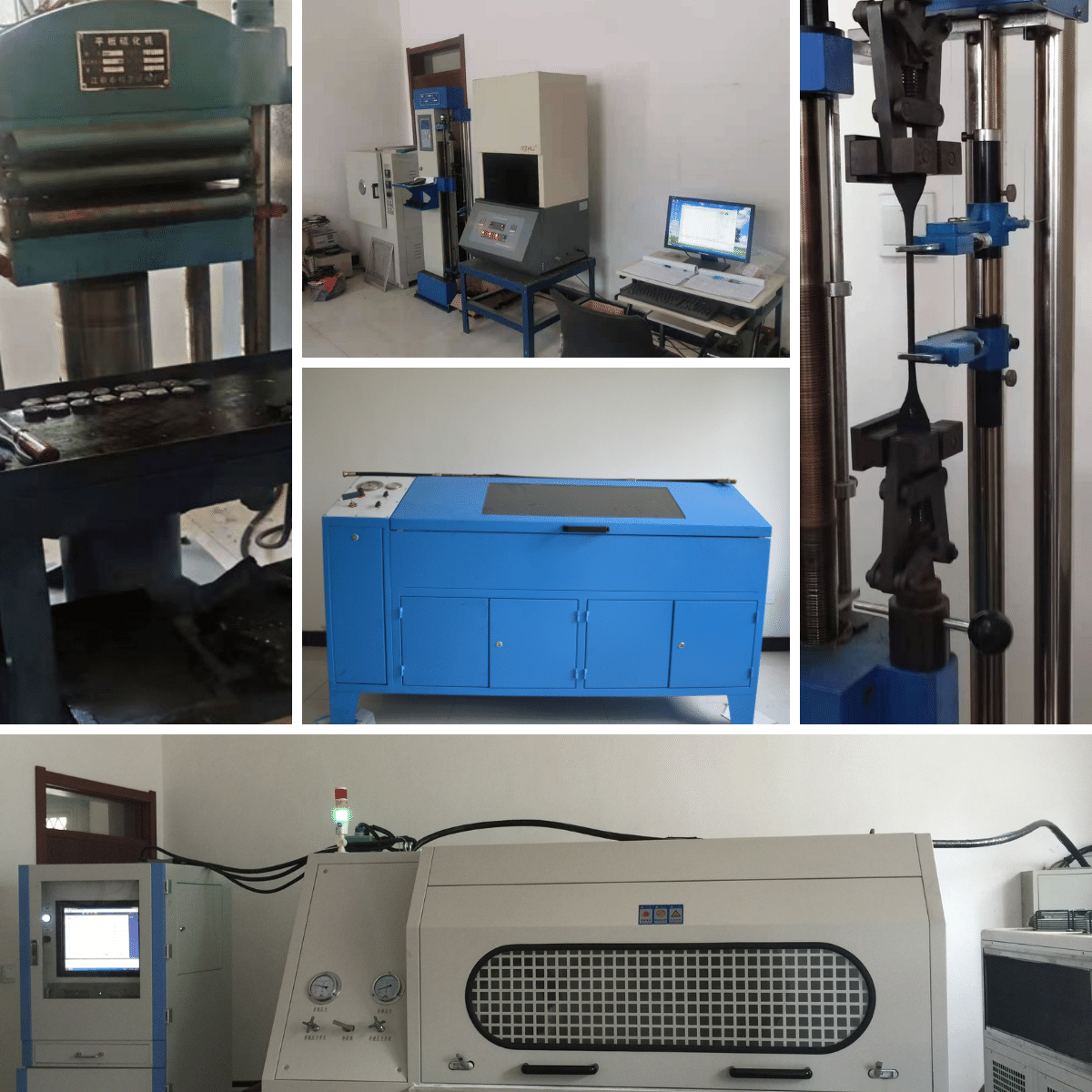
The primary function of the polyester braid is to provide the tensile strength required to withstand internal hydraulic pressure. Force analysis involves calculating hoop stress within the hose wall based on the operating pressure and hose inner diameter. The braid’s tensile capacity must exceed the calculated hoop stress with an appropriate safety factor (typically 4:1). Flexibility is another key performance characteristic. The braiding angle and braid coverage percentage directly influence the hose’s bend radius. Lower braiding angles generally result in more flexible hoses but may reduce pressure capacity. Environmental resistance is critical. Polyester exhibits limited resistance to UV degradation; prolonged exposure to sunlight can cause fiber embrittlement and reduced strength. Temperature fluctuations also impact performance. High temperatures can reduce polyester’s tensile strength, while low temperatures can increase its stiffness. Compliance requirements, such as those outlined in SAE J517 and EN 856, dictate minimum burst pressure, impulse pressure, and temperature ratings. Meeting these standards requires rigorous testing, including hydrostatic testing, impulse testing, and temperature cycling. Furthermore, the interaction between the polyester braid and the inner tube material (typically synthetic rubber like SBR or NBR) must be considered to prevent adhesion or delamination, which can lead to premature failure.
Technical Specifications
| Parameter | R7 Hose Specification | R8 Hose Specification | Testing Standard |
|---|---|---|---|
| Working Pressure (psi) | 750 | 1000 | SAE J517 |
| Burst Pressure (psi) | 2250 | 3000 | SAE J517 |
| Braid Coverage (%) | 65-75 | 70-80 | Visual Inspection & Weight per unit length |
| Polyester Yarn Tenacity (cN/tex) | 60-80 | 70-90 | ASTM D2256 |
| Operating Temperature Range (°C) | -40 to +100 | -40 to +100 | SAE J517 |
| Braiding Angle (degrees) | 54-62 | 58-68 | Dimensional Measurement |
Failure Mode & Maintenance
Common failure modes in polyester braid R7/R8 hoses include braid relaxation (leading to reduced pressure capacity), fiber fatigue cracking (due to repeated flexing and high-pressure cycles), and chemical degradation of the polyester yarn. Fatigue cracking typically initiates at points of high stress concentration, such as where the braid crosses over imperfections in the inner tube. Delamination between the braid and the inner tube can occur due to inadequate bonding or chemical incompatibility. Hydrolytic degradation, caused by exposure to water-glycol fluids, weakens the polyester fibers over time. Oxidation, accelerated by high temperatures, can also lead to fiber embrittlement. Preventive maintenance includes regular visual inspections for signs of abrasion, cracking, or swelling. Hose assemblies should be replaced if any signs of damage are detected. Avoid exceeding the hose’s working pressure or operating temperature limits. Proper hose routing and support are crucial to prevent kinking and abrasion. Storage should be in a cool, dry place away from direct sunlight. Periodic pressure testing can help identify hoses nearing the end of their service life. Replacement should follow manufacturer’s recommendations and industry best practices.
Industry FAQ
Q: What is the impact of braid coverage on hose performance?
A: Higher braid coverage generally results in increased pressure capacity and improved resistance to hose expansion under pressure. However, excessively high coverage can reduce flexibility, making the hose more difficult to route. A balance must be achieved based on the application’s specific requirements.
Q: How does temperature affect the performance of polyester braid hoses?
A: Elevated temperatures can reduce the tensile strength of the polyester yarn, decreasing the hose’s pressure capacity. Low temperatures can increase the stiffness of the hose, making it more susceptible to kinking and damage. Operation within the specified temperature range is crucial.
Q: What are the implications of using incompatible hydraulic fluids with polyester braid hoses?
A: Using fluids incompatible with polyester can lead to fiber degradation, swelling, or cracking, resulting in premature hose failure. Compatibility charts should be consulted to ensure the fluid is suitable for the hose construction.
Q: How can we mitigate the risk of fatigue cracking in high-cycle applications?
A: Utilizing a higher braid coverage percentage, selecting a hose with a more flexible construction (lower braiding angle), and minimizing hose bending radius can help reduce stress concentrations and mitigate fatigue cracking. Regular inspection and replacement schedules are also essential.
Q: What standards are used to verify the quality and performance of R7/R8 hoses?
A: SAE J517 is the primary standard for hydraulic hose performance requirements, including working pressure, burst pressure, and temperature ratings. EN 856 is the European equivalent. ASTM standards, such as ASTM D2256 for yarn tenacity, are used for material testing.
Conclusion
Polyester yarn braid R7/R8 hydraulic hoses represent a robust and versatile solution for fluid power applications. The performance of these hoses is critically dependent on the interplay of material properties, manufacturing precision, and operating conditions. Maintaining consistent yarn quality, controlling braiding parameters, and ensuring proper heat setting are essential for achieving optimal hose performance and longevity. Understanding the potential failure modes, such as fatigue cracking and chemical degradation, is crucial for implementing effective preventative maintenance programs.
Future advancements in hose technology may focus on developing more chemically resistant polyester yarns, exploring alternative braiding techniques to enhance flexibility and pressure capacity, and integrating sensor technologies for real-time monitoring of hose condition. Adherence to international standards, combined with rigorous quality control procedures, will continue to be paramount in ensuring the safety and reliability of these critical components.