


oem rubber hose pricelist Performance Analysis
Introduction
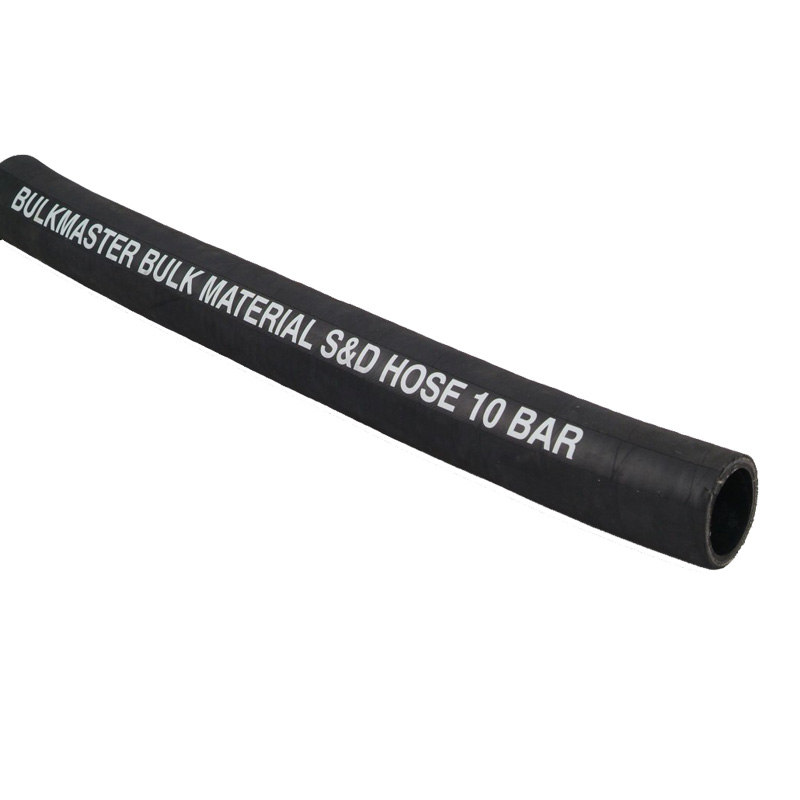
OEM rubber hoses are critical components in a wide range of industrial applications, including hydraulic systems, fluid transfer, and pneumatic equipment. They are manufactured to specific customer specifications, often involving unique materials, dimensions, and performance characteristics. This guide provides a comprehensive technical overview of OEM rubber hoses, encompassing material science, manufacturing processes, performance parameters, failure modes, and relevant industry standards. The industry faces persistent challenges regarding hose longevity in harsh operating environments, maintaining consistent quality across large production volumes, and ensuring compliance with increasingly stringent environmental regulations. Price volatility of raw materials (synthetic rubber, reinforcing fibers) also poses a significant procurement concern. This document aims to equip engineers, procurement managers, and quality control personnel with the knowledge required to select, implement, and maintain OEM rubber hose solutions effectively. Core performance characteristics center around pressure rating, temperature resistance, fluid compatibility, and resistance to abrasion and external damage.
Material Science & Manufacturing
The core material in OEM rubber hoses is typically a synthetic rubber compound, commonly utilizing Nitrile (NBR), Ethylene Propylene Diene Monomer (EPDM), Chloroprene (CR – Neoprene), or Fluorocarbon (FKM – Viton). NBR offers excellent resistance to oil and fuels, but limited temperature range. EPDM excels in resistance to weathering, ozone, and heat, but is less compatible with petroleum-based fluids. CR provides a balance of properties and good abrasion resistance. FKM provides exceptional resistance to high temperatures and aggressive chemicals but is significantly more expensive. Reinforcement layers are crucial for pressure handling. These are typically comprised of high-tensile strength fibers such as aramid (Kevlar), polyester, or steel wire, arranged in spiral or braided configurations. The manufacturing process generally involves several stages. First, the rubber compound is mixed and calendered to form a continuous sheet. This sheet is then wrapped around the reinforcement layers. A subsequent extrusion process forms the hose to its final dimensions. Critical parameters during extrusion include die temperature, screw speed, and cooling rate, all of which influence the rubber’s final properties (hardness, tensile strength, elongation). Curing (vulcanization) is a crucial step, utilizing heat and pressure to crosslink the rubber molecules, providing elasticity and strength. Post-curing inspection, including pressure testing and dimensional verification, ensures quality control. Proper control of material ratios, mixing homogeneity, and curing time are paramount to prevent defects like porosity or incomplete vulcanization. Chemical compatibility between the rubber compound and the reinforced materials must also be carefully evaluated to avoid bond degradation.
Performance & Engineering
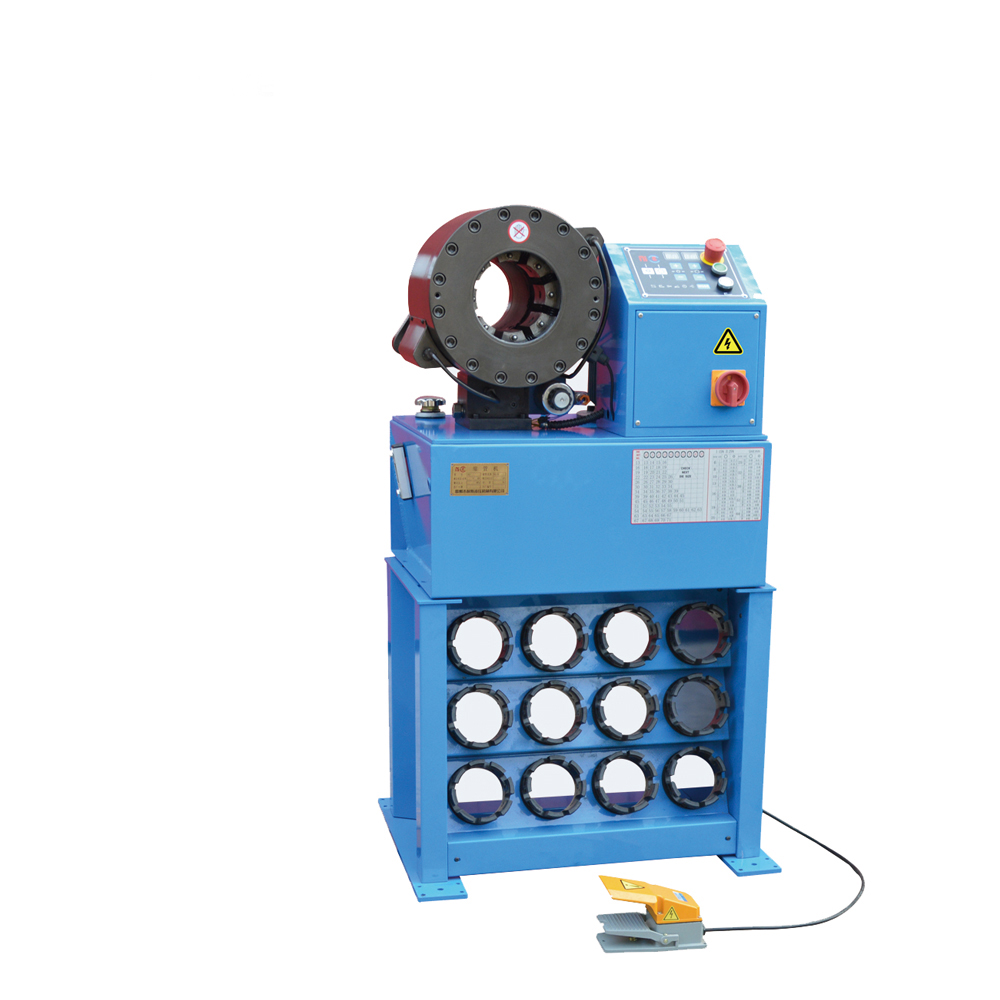
The performance of OEM rubber hoses is dictated by a complex interplay of material properties and engineering design. Burst pressure is a critical parameter, determined by the reinforcement layer’s tensile strength and the rubber compound's ability to withstand internal pressure. Hose wall thickness directly impacts burst pressure, but also influences flexibility and weight. Temperature resistance is a key consideration, as rubber compounds degrade at elevated temperatures. Prolonged exposure to high temperatures can lead to hardening, cracking, and reduced flexibility. Fluid compatibility is paramount; incompatible fluids can cause swelling, softening, or degradation of the rubber, leading to premature failure. Abrasion resistance is important in applications where the hose is exposed to abrasive materials or rubbing surfaces. Fatigue resistance, or the ability to withstand repeated flexing and pressure cycles, is a significant factor in dynamic applications. Finite Element Analysis (FEA) is frequently employed to model stress distribution within the hose under various loading conditions, optimizing reinforcement design and predicting potential failure points. Compliance requirements often dictate specific performance criteria, such as meeting SAE J517 standards for hydraulic hose or ISO 14330 for pneumatic applications. Proper hose routing and support are essential to prevent kinking, twisting, and excessive stress concentration, all of which can compromise performance and lifespan.
Technical Specifications
| Parameter | NBR Hose (Typical) | EPDM Hose (Typical) | FKM Hose (Typical) | Aramid Reinforcement |
|---|---|---|---|---|
| Operating Pressure (PSI) | Up to 3000 | Up to 2000 | Up to 5000 | Tensile Strength: 230 MPa |
| Temperature Range (°F) | -40 to 212 | -58 to 275 | -20 to 450 | Elongation at Break: 3% |
| Fluid Compatibility | Oil, Fuel | Water, Glycol | Chemicals, High Temp Fluids | Modulus of Elasticity: 80 GPa |
| Abrasion Resistance (Taber Index) | 80 | 120 | 100 | Specific Gravity: 1.45 |
| Tensile Strength (MPa) | 20 | 18 | 25 | Diameter Tolerance: +/- 0.1mm |
| Elongation at Break (%) | 500 | 600 | 300 | Burst Pressure Ratio (4:1) |
Failure Mode & Maintenance
OEM rubber hoses are susceptible to several failure modes. Fatigue cracking, resulting from repeated flexing under pressure, is a common issue, particularly in dynamic applications. This often initiates at the inner radius of bends. Abrasion wear occurs when the hose is exposed to abrasive materials or rubbing surfaces. Chemical degradation can occur if the hose is exposed to incompatible fluids, leading to swelling, softening, or cracking. Ozone cracking is prevalent in EPDM hoses exposed to ozone-rich environments. Permeation, the diffusion of fluids through the hose wall, can lead to loss of pressure and contamination. Fitting failure, such as corrosion or loosening, can also compromise hose integrity. Preventive maintenance is crucial to maximize hose lifespan. Regular visual inspections should be conducted to identify signs of wear, cracking, or swelling. Hose pressure should be periodically checked to ensure it remains within the specified operating limits. Proper cleaning and lubrication of fittings can prevent corrosion. When replacing hoses, ensure the new hose is compatible with the fluid and operating conditions. Avoid sharp bends and kinks during installation. Implement a hose management program that tracks hose age, usage, and maintenance history. Failure analysis, including microscopic examination of fractured surfaces, can help identify the root cause of failures and prevent recurrence. Proper storage of hoses, away from direct sunlight and ozone sources, is also essential to prevent degradation.
Industry FAQ
Q: What is the impact of reinforcement material on hose burst pressure and flexibility?
A: Steel wire reinforcement provides the highest burst pressure capability but results in the lowest flexibility. Aramid fibers offer a good balance between burst pressure and flexibility, while polyester reinforcement provides the highest flexibility but lower burst pressure. The reinforcement's braid angle also influences these properties; a steeper angle yields higher burst pressure but reduced flexibility.
Q: How do I select the appropriate rubber compound for a specific application?
A: Fluid compatibility is the primary factor. NBR is suitable for oil and fuel, EPDM for water and glycol, and FKM for aggressive chemicals and high temperatures. Consider the operating temperature range, pressure requirements, and potential exposure to ozone or UV radiation. Consult a rubber compound datasheet for detailed compatibility information.
Q: What are the common causes of hose permeation, and how can it be mitigated?
A: Permeation is caused by the diffusion of fluids through the hose wall. It's more pronounced with gases and low-molecular-weight liquids. Mitigation strategies include selecting a rubber compound with low permeability, increasing hose wall thickness, and using a barrier layer within the hose construction.
Q: How does hose layline marking contribute to quality control and traceability?
A: Layline markings provide crucial information about the hose manufacturer, manufacturing date, pressure rating, and material specifications. This information aids in quality control, traceability, and identification of potential issues. Consistent and accurate layline markings are essential for maintaining product integrity.
Q: What safety precautions should be observed when working with pressurized rubber hoses?
A: Always depressurize the hose before disconnecting fittings. Wear appropriate personal protective equipment (PPE), including safety glasses and gloves. Ensure fittings are properly tightened and secured. Avoid kinking or twisting the hose during operation. Regularly inspect hoses for signs of damage or wear. Never exceed the hose’s maximum operating pressure.
Conclusion
The selection and implementation of OEM rubber hoses require a thorough understanding of material science, manufacturing processes, and performance characteristics. Careful consideration of fluid compatibility, temperature range, pressure requirements, and potential failure modes is paramount to ensuring reliable and long-lasting performance. The industry trend towards higher performance materials and more stringent safety regulations necessitate continuous improvement in hose design and manufacturing techniques.
Effective maintenance programs, including regular inspections and proper hose handling procedures, are crucial for maximizing hose lifespan and preventing costly downtime. By adhering to industry standards and best practices, engineers and procurement managers can confidently select and implement OEM rubber hose solutions that meet the demanding requirements of modern industrial applications.