


oem r1/r2 hydraulic hose product Performance Analysis
Introduction
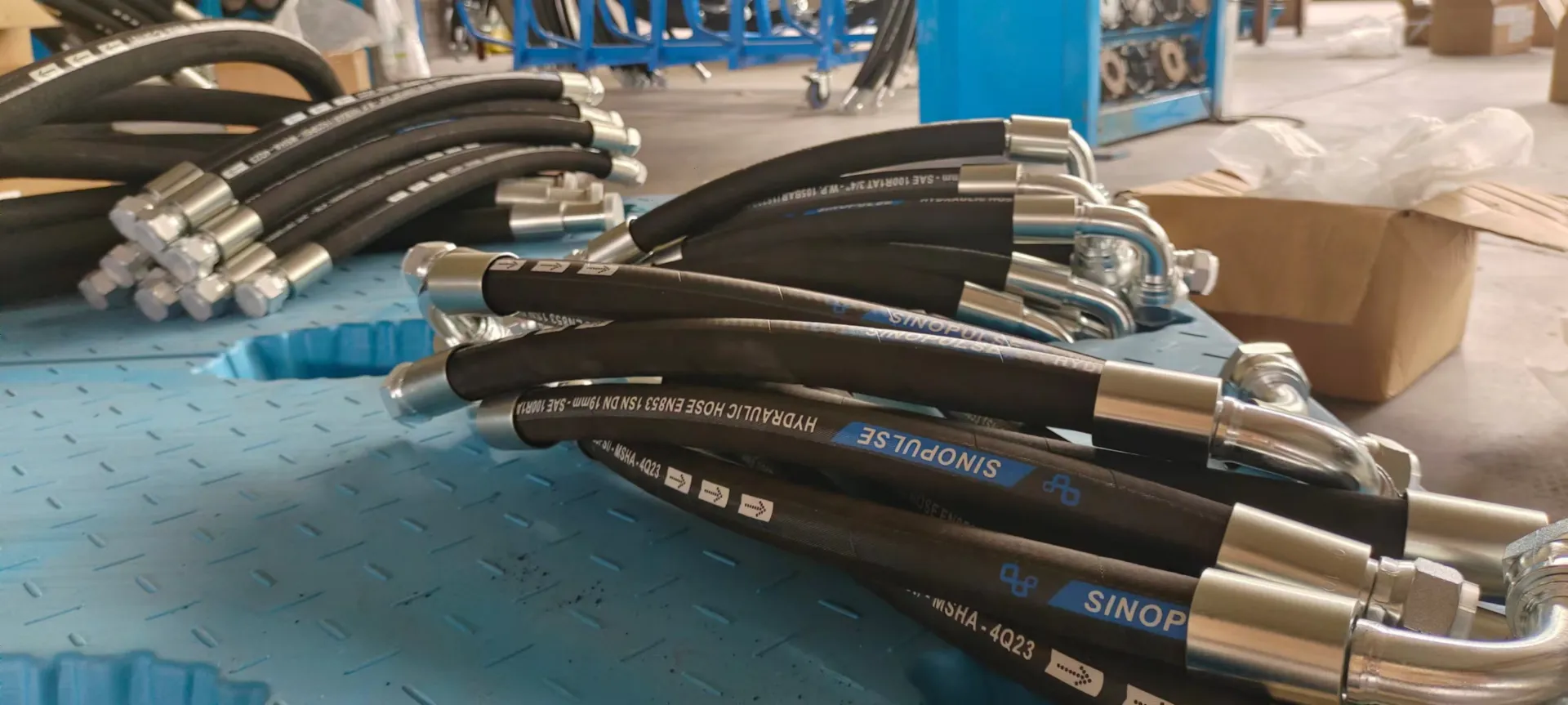
OEM R1/R2 hydraulic hose represents a critical component in fluid power systems, characterized by its robust construction and adherence to Society of Automotive Engineers (SAE) standards. Positioned within the hydraulic system as the conduit for transferring pressurized fluid – typically hydraulic oil – between pumps, valves, actuators, and reservoirs, the R1/R2 hose’s performance directly impacts system efficiency and reliability. This guide provides an in-depth exploration of its material science, manufacturing, performance characteristics, potential failure modes, and relevant industry standards. The core performance of these hoses is defined by their pressure rating, temperature range, and resistance to fluid compatibility, influencing applications ranging from construction equipment and agricultural machinery to industrial manufacturing and mobile hydraulics. A primary industry pain point revolves around premature hose failure due to improper specification, installation, or maintenance, leading to costly downtime and safety concerns. Understanding the nuances of R1/R2 hose construction is therefore paramount for engineers, procurement managers, and maintenance personnel.
Material Science & Manufacturing
The construction of an OEM R1/R2 hydraulic hose typically involves four key layers: the inner tube, reinforcement layers, outer cover, and sometimes an intermediate layer. The inner tube, crucial for fluid compatibility, is commonly composed of synthetic rubber compounds such as nitrile rubber (NBR), also known as Buna-N, for general oil-based hydraulic fluids, or fluorocarbon rubber (FKM), like Viton, for applications requiring resistance to high temperatures, aggressive chemicals, and fuels. NBR exhibits excellent abrasion resistance and a temperature range of -40°C to +121°C, while FKM extends this to -26°C to +204°C with superior chemical resistance. The reinforcement layer, providing burst strength, traditionally utilizes multiple braids of high-tensile steel wire. The number of braids directly correlates with the hose’s working pressure rating – R1 hoses generally have one braid, while R2 hoses have two. Steel wire selection focuses on high yield strength and ductility to prevent brittle failure. The outer cover, protecting against abrasion, ozone, and weathering, commonly employs synthetic rubber like chloroprene (CR) or ethylene propylene diene monomer (EPDM). CR provides excellent resistance to oils and weathering, with a temperature range of -45°C to +77°C. EPDM excels in ozone and UV resistance, operating effectively from -53°C to +150°C. The manufacturing process begins with extrusion of the inner tube and outer cover. Reinforcement braids are wound onto the inner tube, followed by the outer cover extrusion. Critical parameters include precise control of rubber compound mixing ratios, braid tension, and vulcanization (curing) temperature and time. Improper vulcanization can lead to rubber degradation and reduced hose life. Post-production testing, including burst pressure testing and leak testing, ensures quality control.
Performance & Engineering
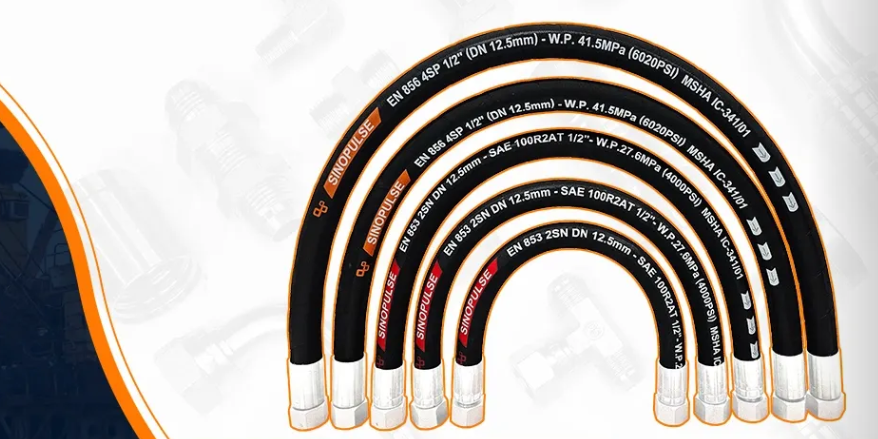
The performance of an OEM R1/R2 hydraulic hose is governed by several engineering principles. Burst pressure, a critical safety parameter, is determined by the tensile strength of the reinforcement layers and the inner tube's ability to contain pressure. Working pressure is a fraction of the burst pressure, typically with a 4:1 safety factor as specified by SAE standards. Hose bend radius is a crucial factor preventing kinking and damage to the reinforcement layers. Exceeding the minimum bend radius creates stress concentrations, leading to premature failure. Force analysis reveals that internal fluid pressure exerts hoop stress on the inner tube, while external bending induces flexural stress. These stresses must be within the material’s limits to prevent rupture or cracking. Environmental resistance is another key consideration. Exposure to extreme temperatures affects rubber compound elasticity and can cause hardening or softening. Fluid compatibility is paramount; incompatible fluids can cause swelling, degradation, and loss of flexibility. Compliance requirements, such as REACH and RoHS regulations, necessitate the use of materials free from hazardous substances. Installation practices significantly influence hose lifespan. Proper fitting selection, correct crimping procedures, and avoidance of twisting or stretching are essential. Dynamic applications, involving constant flexing and pulsation, require hoses with enhanced fatigue resistance. Specialized constructions, such as spiral-wound hoses, can better withstand dynamic stresses.
Technical Specifications
| Parameter | R1 Hose | R2 Hose | Units |
|---|---|---|---|
| Working Pressure | 1500 | 3000 | psi |
| Burst Pressure | 6000 | 12000 | psi |
| Inner Tube Material | NBR (Buna-N) | NBR (Buna-N) or FKM (Viton) | - |
| Reinforcement | Single Steel Wire Braid | Double Steel Wire Braid | - |
| Outer Cover Material | CR (Chloroprene) | CR (Chloroprene) or EPDM | - |
| Temperature Range | -40°C to +121°C | -40°C to +121°C (NBR) or -26°C to +204°C (FKM) | °C |
Failure Mode & Maintenance
OEM R1/R2 hydraulic hoses are susceptible to several failure modes. Fatigue cracking, particularly in dynamically stressed applications, originates from repeated flexing and pressure cycling. Microscopic cracks initiate in the reinforcement layers and propagate over time, eventually leading to rupture. Delamination occurs when the bonding between layers weakens, allowing separation and loss of structural integrity. This can be caused by improper vulcanization or exposure to incompatible fluids. Oxidation and weathering degrade the outer cover, reducing its abrasion resistance and protective capabilities. Exposure to ozone and UV radiation accelerates this process. Internal degradation of the inner tube, caused by chemical attack or thermal breakdown, results in swelling, softening, and loss of fluid containment. External damage, such as abrasion, cutting, or crushing, compromises the hose’s structural integrity. Proper maintenance is crucial for preventing premature failure. Regular visual inspections should identify cracks, abrasions, bulges, or leaks. Hose routing should avoid sharp bends, twisting, and contact with hot surfaces or abrasive materials. Fluid cleanliness is essential; contamination can accelerate internal degradation. When replacing hoses, ensure correct size and specification, and always use properly crimped fittings. Periodic pressure testing can detect subtle leaks or weaknesses before catastrophic failure occurs. A preventative maintenance schedule, based on operating conditions and application severity, will maximize hose lifespan and ensure safe operation.
Industry FAQ
Q: What is the primary difference between R1 and R2 hydraulic hoses regarding application suitability?
A: The key difference lies in their pressure rating and reinforcement. R1 hoses, with a single braid, are suitable for lower-pressure applications (typically up to 1500 psi), while R2 hoses, featuring two braids, are designed for higher-pressure systems (up to 3000 psi). Selecting the appropriate hose is crucial to ensure safe and reliable operation. Using an R1 hose in an application requiring R2 specifications is a significant safety hazard.
Q: How does temperature affect the performance and lifespan of an R1/R2 hose?
A: Temperature extremes significantly impact hose performance. High temperatures can cause rubber compounds to soften and lose elasticity, reducing pressure capacity and increasing the risk of leaks. Low temperatures can cause hardening and cracking, particularly in the outer cover. Exceeding the specified temperature range can dramatically shorten hose lifespan and compromise safety.
Q: What is the impact of fluid incompatibility on hydraulic hose failure?
A: Fluid incompatibility is a major cause of hose failure. Certain fluids can cause swelling, degradation, or softening of the inner tube material, leading to leaks or rupture. For example, using petroleum-based fluids with a hose designed for synthetic fluids will likely result in rapid degradation. Always verify fluid compatibility with the hose manufacturer’s specifications.
Q: What are the critical considerations for proper hose crimping?
A: Proper crimping is essential for a leak-free and reliable connection. The crimp must create a secure bond between the hose and the fitting without damaging the reinforcement layers. Using the correct die size, crimping machine settings, and fitting specifications is critical. Over-crimping can crush the reinforcement, while under-crimping can lead to leakage.
Q: What preventative maintenance practices are recommended for hydraulic hoses?
A: Regular visual inspections are paramount, looking for cracks, abrasions, leaks, and bulges. Ensure proper hose routing to avoid sharp bends and contact with abrasive surfaces. Maintain fluid cleanliness through filtration. Periodically check fitting tightness. Consider pressure testing as part of a preventative maintenance program. Document inspection findings and replacement history for trend analysis.
Conclusion
OEM R1/R2 hydraulic hoses are integral components in numerous industrial applications, demanding a thorough understanding of their material science, manufacturing processes, and performance characteristics. Proper selection, installation, and maintenance are critical to ensuring their reliability and preventing costly failures. This guide has detailed the specific properties of each component layer, the importance of adhering to SAE standards, and common failure modes.
Continued advancements in hydraulic hose technology are focusing on improved materials, such as thermoplastic constructions, and innovative manufacturing techniques to enhance durability and performance. A proactive approach to hose management, incorporating regular inspections, preventative maintenance, and adherence to industry best practices, will maximize operational efficiency and safety in fluid power systems.