


oem hydraulic hose pricelist Performance Analysis
Introduction
OEM hydraulic hoses are critical components in fluid power systems, serving as the lifeline for transmitting hydraulic fluid to actuators and other devices. Their technical position within the industrial chain sits between hose manufacturers specializing in raw material processing and finished goods assembly, catering directly to equipment manufacturers (OEMs) across sectors like construction, agriculture, manufacturing, and material handling. Core performance characteristics revolve around pressure rating, temperature tolerance, fluid compatibility, and resistance to abrasion and kinking. The selection of the appropriate hose is paramount for system efficiency, reliability, and operator safety. A detailed understanding of material properties, manufacturing processes, and applicable standards is essential for procuring and utilizing these components effectively. OEM pricelists, therefore, aren’t simply about cost, but represent a comprehensive package of specifications designed to meet specific application demands, minimizing downtime and ensuring long-term operational stability. The rising complexity of hydraulic systems and increasingly stringent safety regulations drive the demand for high-performance, reliable hydraulic hose assemblies delivered through specialized OEM channels.
Material Science & Manufacturing
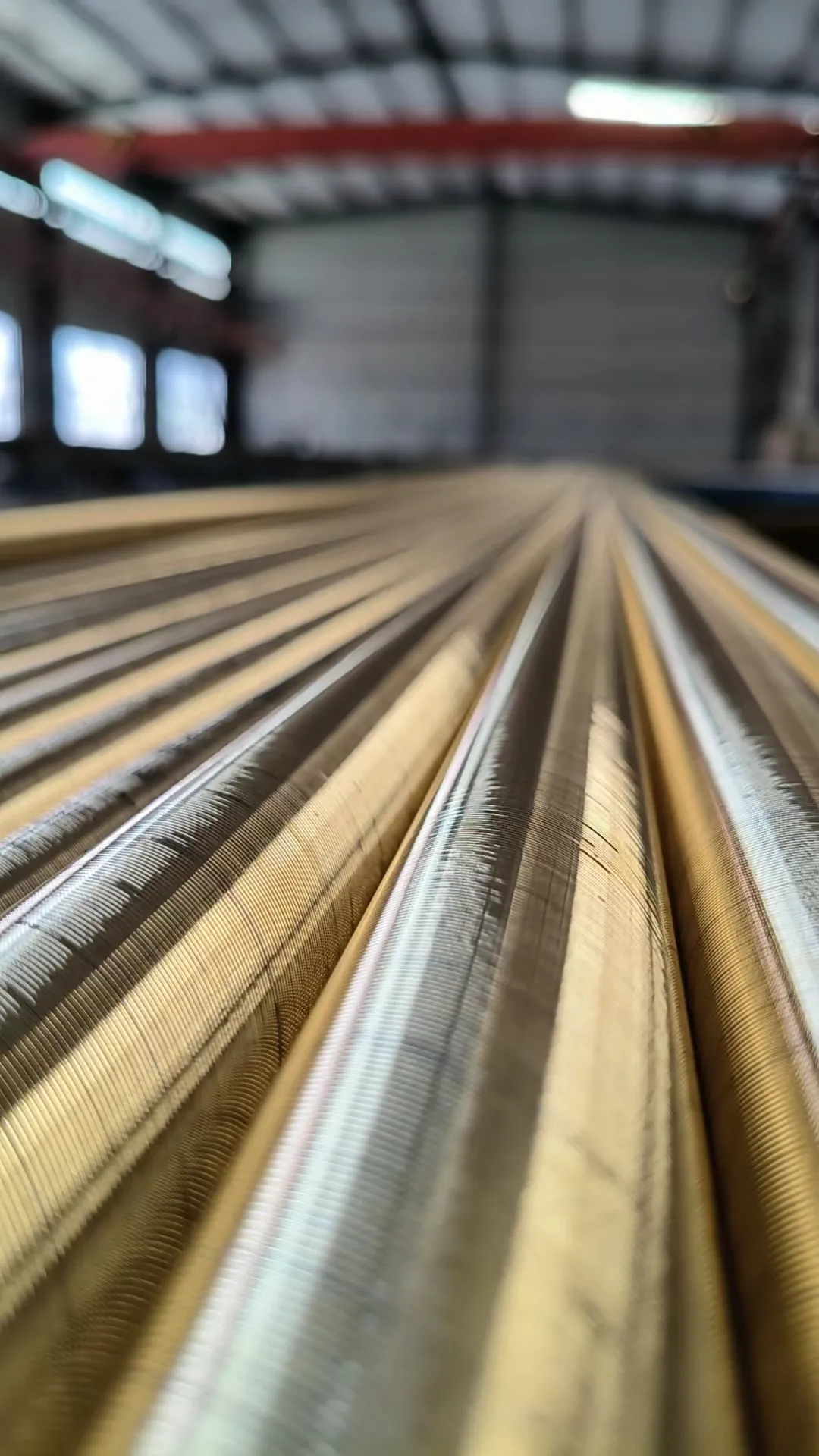
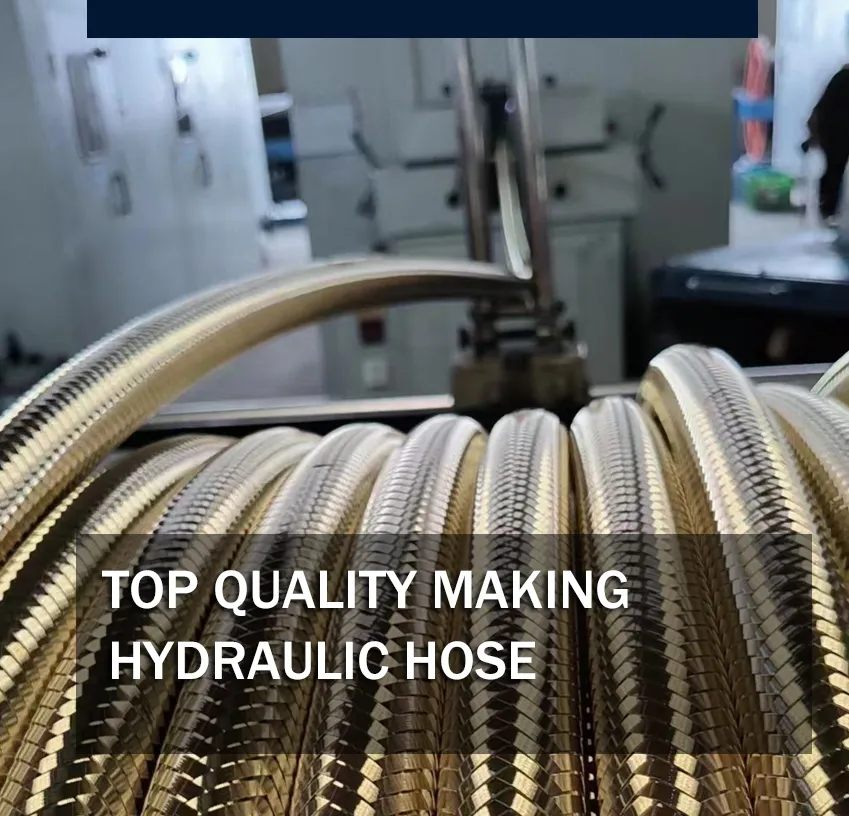
Hydraulic hoses are typically constructed from several layers of materials, each contributing specific properties to the overall performance. The inner tube, in direct contact with the fluid, is commonly made from synthetic rubbers such as nitrile (NBR), ethylene propylene diene monomer (EPDM), or fluorocarbon (FKM/Viton), selected based on fluid compatibility. NBR provides excellent resistance to petroleum-based fluids, EPDM excels in phosphate ester fluids, and FKM is utilized for highly corrosive or high-temperature applications. The reinforcement layer, providing strength and pressure resistance, is commonly comprised of multiple braids of high-tensile steel wire. The number of braids dictates the working pressure capacity of the hose; typically, 1SP (single braid), 2SP (two braids), and 4SP (four braids) are standard configurations. An outer cover, usually made from synthetic rubber like polyurethane or chloroprene, protects the reinforcement layers from abrasion, weathering, and chemical attack. Manufacturing processes vary depending on hose type. Braiding involves precisely winding steel wire helically around a mandrel. Extrusion is used to form the inner tube and outer cover. Vulcanization, a curing process utilizing heat and pressure, crosslinks the rubber polymers, enhancing strength, elasticity, and resistance to degradation. Parameter control during vulcanization – temperature, pressure, and time – is critical to achieving optimal material properties. Pre- and post-curing tests including tensile strength and elongation tests are conducted to ensure consistent product quality. Furthermore, the proper adhesion between layers is verified via peel tests to prevent delamination under pressure.
Performance & Engineering
The performance of a hydraulic hose is dictated by its ability to withstand internal pressure, external forces, and environmental conditions. Force analysis centers on hoop stress within the hose wall, calculated based on internal pressure and hose diameter. Reinforcement layers are engineered to counteract this stress, preventing burst failures. External forces, such as bending, kinking, and axial tension, can also compromise hose integrity. Bending radius is a critical parameter; exceeding the minimum bending radius can cause internal damage and premature failure. Kinking occurs when the hose collapses under pressure, restricting flow and potentially damaging the hose. Environmental resistance encompasses temperature extremes, UV exposure, ozone degradation, and chemical attack. High temperatures can accelerate rubber degradation, reducing flexibility and increasing the risk of cracking. UV and ozone exposure cause surface cracking and embrittlement. Fluid compatibility is also crucial; incompatible fluids can cause swelling, softening, or dissolving of the inner tube. Compliance requirements often include adherence to standards like ISO 6899 (hydraulic hoses) and SAE J517 (rubber hoses for petroleum-based fluids), specifying minimum performance criteria for pressure rating, temperature range, and chemical resistance. Finite Element Analysis (FEA) is increasingly used to model hose behavior under various loading conditions, optimizing design and predicting potential failure points.
Technical Specifications
| Parameter | Unit | Standard Specification (2SP Hose) | Premium Specification (4SP Hose) |
|---|---|---|---|
| Working Pressure | PSI | 2250 | 3500 |
| Burst Pressure | PSI | 6750 | 10500 |
| Temperature Range | °F | -40 to +212 | -40 to +250 |
| Inner Tube Material | - | NBR (Nitrile Rubber) | FKM (Fluorocarbon/Viton) |
| Reinforcement | - | Two Steel Wire Braids | Four Steel Wire Braids |
| Outer Cover Material | - | Synthetic Rubber (CPE) | Polyurethane |
Failure Mode & Maintenance
Hydraulic hose failures commonly arise from several mechanisms. Fatigue cracking, induced by repeated flexing and pressure cycling, is a prevalent issue, particularly in dynamic applications. This typically initiates at the inner tube and propagates through the reinforcement layers. Delamination, the separation of layers, occurs due to poor adhesion or chemical attack, weakening the hose structure. Degradation of the rubber compounds, accelerated by heat, UV exposure, and fluid incompatibility, reduces flexibility and increases the risk of cracking. Oxidation leads to hardening and embrittlement of the rubber, compromising its sealing capabilities. Kinking results in localized stress concentrations, potentially leading to rupture. External abrasion damages the outer cover, exposing the reinforcement layers to corrosion. Proper maintenance is crucial for extending hose life. Regular visual inspections should identify signs of wear, cracking, swelling, or abrasion. Hoses should be replaced if damage is detected or if they have exceeded their recommended service life. Maintain proper hose routing to avoid sharp bends and contact with abrasive surfaces. Use appropriate fittings and ensure they are securely tightened. Implement a fluid cleanliness program to minimize contamination, which can accelerate wear and damage. Regularly check fluid levels and condition. Consider using hose guards to protect against abrasion and impact damage. Documentation of hose installation dates, usage conditions, and maintenance records assists in predicting potential failures and optimizing replacement schedules.
Industry FAQ
Q: What is the impact of fluid velocity on hydraulic hose lifespan?
A: Higher fluid velocity increases the rate of erosion on the inner tube, particularly when abrasive particles are present. This accelerates wear and can lead to premature failure. Maintaining optimal fluid velocity, as specified by the equipment manufacturer, is crucial for maximizing hose life. Utilizing filters and ensuring fluid cleanliness are also important mitigation strategies.
Q: How do different fitting types affect hose performance and reliability?
A: Fitting types – crimped, field-attachable, and permanent – each have their advantages and disadvantages. Crimped fittings, when properly applied, provide the most secure and reliable connection. Field-attachable fittings offer convenience for on-site repairs but may have lower pressure ratings. Improperly installed or incompatible fittings can lead to leaks, pressure loss, and hose failure.
Q: What is the significance of hose bend radius in hydraulic systems?
A: Exceeding the minimum bend radius puts excessive stress on the hose reinforcement and inner tube, leading to cracking and reduced lifespan. Proper hose routing and support are essential to maintain the specified bend radius and prevent premature failure.
Q: What are the considerations when selecting a hose for high-temperature applications?
A: High temperatures accelerate rubber degradation. Selecting a hose with an inner tube and outer cover made from heat-resistant materials, such as FKM or silicone, is crucial. Also, consider using a higher-rated reinforcement to compensate for the reduced strength of the rubber at elevated temperatures.
Q: How does hose selection impact overall system efficiency?
A: Using a hose with an inadequate inner diameter creates flow restriction, increasing pressure drop and reducing system efficiency. Selecting the appropriate hose size and minimizing the number of bends and fittings helps maintain optimal flow rates and maximize system performance.
Conclusion
The selection and maintenance of OEM hydraulic hoses are fundamental to the reliable operation of fluid power systems. A comprehensive understanding of material science, manufacturing processes, performance characteristics, and potential failure modes is essential for procurement professionals and engineers. Properly specifying hoses based on application demands, adhering to relevant industry standards, and implementing a proactive maintenance program directly contribute to reduced downtime, enhanced safety, and optimized system efficiency.
Looking forward, advancements in hose materials and manufacturing techniques will continue to improve performance and durability. The integration of smart hose technology, incorporating sensors for pressure, temperature, and leak detection, will enable predictive maintenance and further enhance system reliability. Emphasis on sustainable materials and environmentally friendly manufacturing processes will become increasingly important as industries strive for greater environmental responsibility.