


oem hydraulic hose exporters Performance Engineering
Introduction
OEM hydraulic hose exporters operate within a critical segment of the fluid power industry, supplying customized hose assemblies directly to equipment manufacturers (OEMs). These hoses aren’t simply conduits; they are engineered components integral to the safe and efficient operation of heavy machinery across diverse sectors like construction, agriculture, mining, and manufacturing. Their technical position in the supply chain is characterized by stringent quality control, adherence to precise specifications, and a deep understanding of hydraulic system dynamics. Core performance metrics revolve around pressure rating, burst strength, impulse resistance, temperature tolerance, and fluid compatibility, all dictated by the application's demands. A primary industry pain point lies in consistently meeting evolving OEM requirements for increasingly demanding operating conditions, including higher pressures, specialized fluids, and reduced hose weight. Maintaining traceability and rigorous testing protocols throughout the manufacturing process is also paramount, as failure in a hydraulic system can lead to significant downtime and safety hazards. The market is characterized by a need for rapid prototyping, flexible production volumes, and competitive pricing while upholding the highest engineering standards.
Material Science & Manufacturing
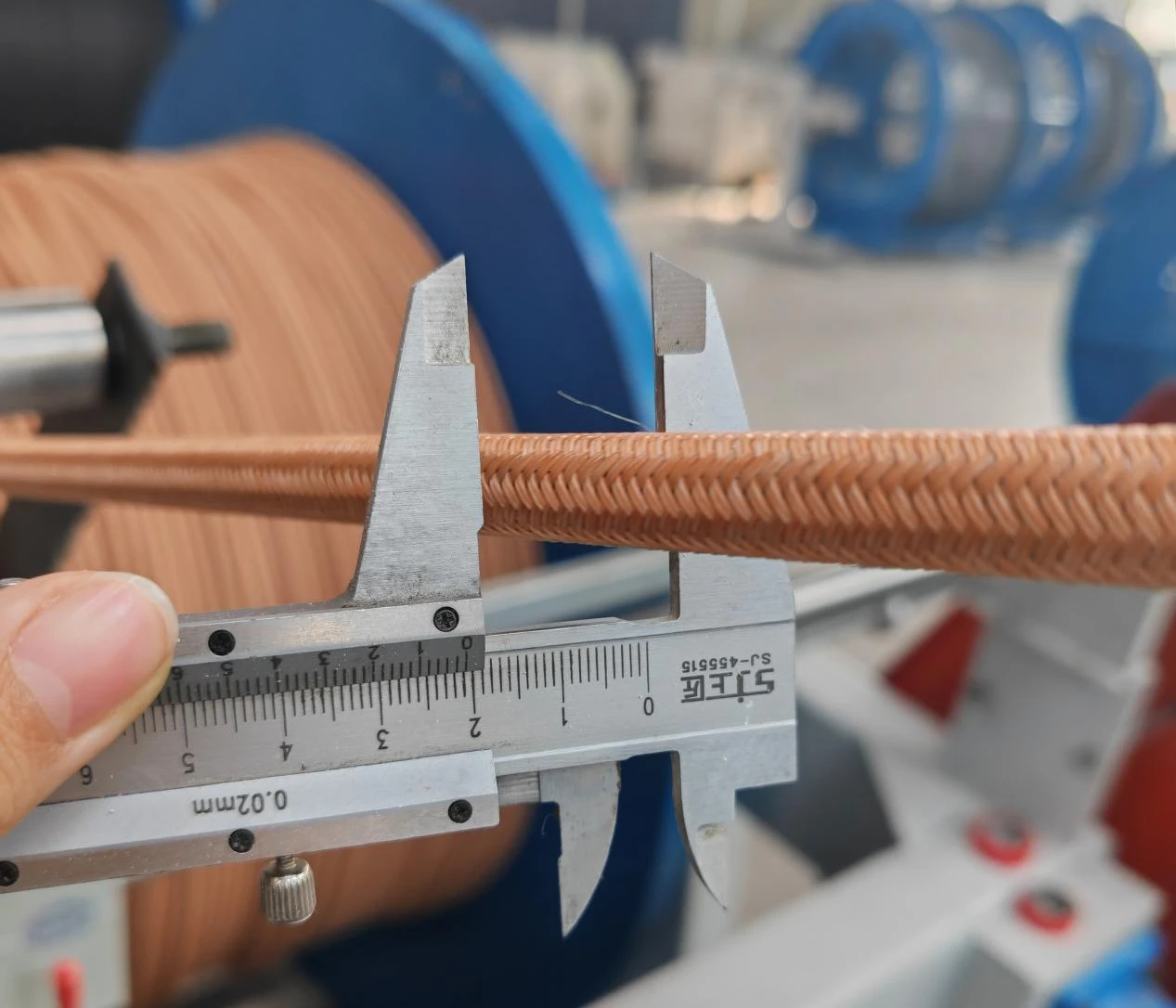
Hydraulic hoses are typically constructed from several layers, each contributing to specific performance characteristics. The inner tube, responsible for fluid containment, is commonly made from synthetic rubbers such as nitrile (NBR) for petroleum-based fluids, or fluoropolymers like PTFE or FKM for aggressive chemicals and high temperatures. NBR offers good abrasion resistance and cost-effectiveness, but its temperature range is limited. PTFE provides exceptional chemical resistance and a wide temperature range, but is more expensive and can be less flexible. The reinforcement layer provides the hose’s strength and resistance to pressure. This layer commonly utilizes high-tensile steel wire, often spiraled or braided, with varying numbers of layers dictating the pressure capacity. Aramid fiber reinforcement is also used, offering lighter weight and corrosion resistance, but typically lower pressure ratings than steel. The outer cover provides environmental protection against abrasion, ozone, UV exposure, and oil contamination. Common materials include synthetic rubbers like chloroprene (CR) and polyurethane (PU). Manufacturing processes vary depending on hose type and complexity. Braided hoses are manufactured by interlacing steel wires around a mandrel, followed by rubber extrusion and vulcanization. Spiraled hoses involve wrapping pre-formed steel wire helically around a mandrel, followed by extrusion and vulcanization. Critical parameters during manufacturing include wire tension, rubber compound consistency, vulcanization temperature and time, and dimensional accuracy. Precise control of these parameters is essential to achieve consistent performance and prevent premature failure. Quality control utilizes destructive testing (burst pressure, impulse testing) and non-destructive testing (dimensional checks, visual inspection).

Performance & Engineering
The performance of a hydraulic hose is governed by several key engineering principles. Pressure rating, typically expressed in PSI or bar, is determined by the reinforcement layer’s strength and the inner tube’s ability to contain the fluid. Burst pressure is a safety factor, usually 3-4 times the working pressure. Impulse resistance is critical in applications with pulsating flow, requiring the hose to withstand repeated pressure surges without failure. This is often evaluated using impulse testing machines that subject the hose to cyclical pressure loads. Temperature tolerance is dictated by the materials used in each layer; extreme temperatures can degrade rubber compounds and reduce hose flexibility. Fluid compatibility is paramount; incompatible fluids can cause swelling, softening, or cracking of the inner tube. Force analysis involves calculating the stresses induced in the hose due to internal pressure, bending, and axial loading. Finite element analysis (FEA) is often employed to optimize hose design and predict performance under various operating conditions. Compliance requirements include adherence to industry standards (SAE, DIN, EN) and OEM-specific specifications. Hose assemblies often include fittings, which must be securely attached to the hose and compatible with the hydraulic system. Fitting selection considers pressure rating, thread type, fluid compatibility, and application environment. Proper hose routing and support are crucial to prevent kinking, abrasion, and excessive bending, all of which can significantly reduce hose life.
Technical Specifications
| Parameter | Unit | Typical Value (NBR Inner Tube, Steel Wire Reinforcement) | Typical Value (PTFE Inner Tube, Aramid Reinforcement) |
|---|---|---|---|
| Working Pressure | PSI | 3000 | 2000 |
| Burst Pressure | PSI | 9000 | 6000 |
| Temperature Range | °F | -40 to 212 | -65 to 450 |
| Inner Tube Material | - | Nitrile Rubber (NBR) | Polytetrafluoroethylene (PTFE) |
| Reinforcement Material | - | High-Tensile Steel Wire | Aramid Fiber |
| Outer Cover Material | - | Chloroprene Rubber (CR) | Polyurethane (PU) |
Failure Mode & Maintenance
Hydraulic hose failure can manifest in several ways. Fatigue cracking, often initiated at the fitting connection, occurs due to repeated bending and flexing. This is exacerbated by excessive bending radius and improper hose support. Delamination, the separation of layers within the hose, can result from incompatible materials or manufacturing defects. Degradation of the rubber compounds due to exposure to ozone, UV radiation, or chemicals can lead to cracking and leakage. Oxidation of the steel wire reinforcement can reduce its strength and contribute to hose failure. Abrasion from external sources can damage the outer cover, exposing the reinforcement layer to corrosion. Improper installation, such as over-tightening fittings or incorrect hose routing, significantly accelerates failure rates. Maintenance practices should include regular visual inspection for signs of cracking, abrasion, or leakage. Hose assemblies should be replaced periodically based on manufacturer recommendations and application severity. Proper storage conditions are also crucial; hoses should be stored in a cool, dry place away from direct sunlight and chemicals. When replacing hoses, ensure compatibility with the hydraulic fluid and operating conditions. Utilize appropriate tools for fitting installation and tightening to avoid damage. Record keeping of hose replacement dates and failure analysis data can help identify recurring issues and optimize hose selection and maintenance procedures.
Industry FAQ
Q: What are the key differences between DIN EN 489 and SAE J517 hydraulic hose standards?
A: DIN EN 489 (European) and SAE J517 (American) are both widely recognized standards for hydraulic hoses, but they differ in testing methods, performance criteria, and sizing conventions. SAE J517 generally uses higher pressure ratings and impulse cycle testing durations. DIN EN 489 focuses on a broader range of applications and includes more detailed requirements for marking and traceability. The standards also differ in their approach to bend radius requirements and fitting compatibility.
Q: How does the choice of hydraulic fluid impact hose selection?
A: Hydraulic fluid compatibility is critical. Petroleum-based fluids are compatible with NBR inner tubes, but can degrade other elastomers. Phosphate ester fluids require specialized hose materials like FKM or PTFE. Water-glycol fluids also require specific materials to prevent swelling and leakage. Using an incompatible fluid can lead to rapid hose degradation and catastrophic failure.
Q: What is the impact of hose length on pressure loss?
A: Longer hose lengths increase pressure loss due to friction within the hose. This is especially significant in high-flow applications. Reducing hose length or increasing hose diameter can minimize pressure loss. Hose manufacturers provide pressure loss charts to help engineers select the appropriate hose size and length.
Q: How do I determine the correct hose bend radius for a given application?
A: Excessive bending can damage the reinforcement layer and reduce hose life. The minimum bend radius is typically specified by the hose manufacturer and is dependent on hose construction and pressure rating. Adhering to the recommended bend radius prevents kinking and ensures long-term reliability.
Q: What are the benefits of using composite hoses (e.g., aramid reinforced) over traditional steel wire reinforced hoses?
A: Composite hoses offer several advantages, including lighter weight, improved corrosion resistance, and greater flexibility. They are particularly well-suited for applications where weight is a critical factor or where corrosion is a concern. However, they generally have lower pressure ratings and impulse resistance compared to steel wire reinforced hoses.
Conclusion
The selection and implementation of OEM hydraulic hoses demand a comprehensive understanding of material science, manufacturing processes, and performance engineering. The optimal hose solution is not simply a matter of price, but a careful consideration of the specific application requirements, including pressure, temperature, fluid compatibility, and environmental conditions. Consistent adherence to industry standards, rigorous quality control, and proactive maintenance practices are essential for ensuring long-term reliability and minimizing the risk of catastrophic failure.
Future trends in hydraulic hose technology are likely to focus on the development of lighter-weight materials, improved abrasion resistance, and enhanced monitoring capabilities. Smart hoses equipped with sensors can provide real-time data on pressure, temperature, and fluid condition, enabling predictive maintenance and reducing downtime. The integration of advanced modeling and simulation tools will further optimize hose design and performance. Ultimately, the continued evolution of hydraulic hose technology will be driven by the need for increased efficiency, safety, and sustainability.