


oem flexible metal hose products Performance Analysis
Introduction
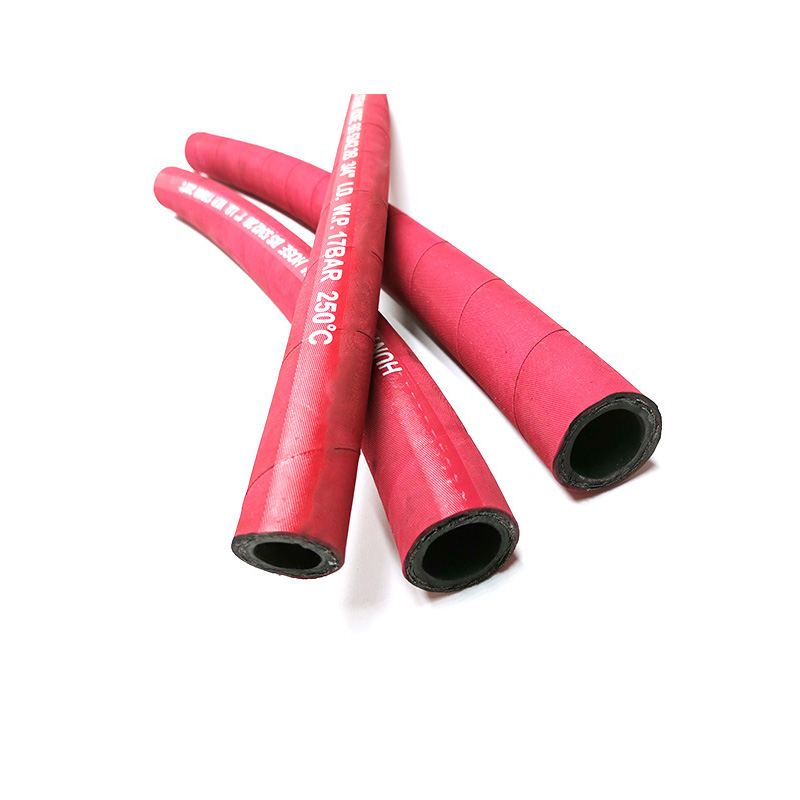
OEM flexible metal hoses are critical components in numerous industrial applications, serving as conduits for fluids, gases, and even solids while accommodating movement, vibration, and thermal expansion. These hoses represent a significant advancement over rigid piping systems, offering increased design flexibility, reduced stress on connected equipment, and improved system reliability. They are engineered to withstand demanding operating conditions, including high pressures, extreme temperatures, and corrosive environments. The core performance characteristics – pressure rating, flexibility, temperature resistance, and media compatibility – are determined by the hose’s construction, encompassing the core material, braiding, and end fittings. In the broader industrial chain, these hoses function as the interface between stationary and moving components in systems ranging from automotive exhaust lines and hydraulic machinery to chemical processing and aerospace applications. Understanding their material composition, manufacturing process, and potential failure modes is paramount for ensuring optimal performance and longevity.
Material Science & Manufacturing
The core of a flexible metal hose typically consists of corrugated metal tubing, most commonly stainless steel (304, 316, 321 grades being prevalent due to their corrosion resistance and high-temperature strength). Other materials like Inconel and Hastelloy are employed in highly corrosive or extreme temperature applications. The stainless steel’s austenitic structure provides excellent ductility for forming the corrugations. Manufacturing begins with forming a continuous strip of metal into a sinusoidal wave through a profiling process. This process, involving rollers and dies, dictates the corrugation profile, influencing the hose’s flexibility and pressure-bearing capacity. The strip is then helically wound and longitudinally welded to create the core. The welding process – typically TIG (Tungsten Inert Gas) welding – is crucial to maintain the material’s integrity and prevent leaks. Following core fabrication, the hose is reinforced with an external braiding, usually stainless steel, to enhance its pressure resistance and prevent bursting. Braiding patterns (single, double, or multiple layers) directly correlate with the pressure rating. End fittings, selected based on application requirements (NPT, SAE, BSP, etc.), are attached via crimping, swaging, or welding, ensuring a leak-proof connection. Quality control involves hydrostatic testing to verify pressure integrity, leak testing, and dimensional inspection. Parameter control during manufacturing focuses on consistent corrugation height and pitch, precise welding parameters (current, voltage, gas flow), and accurate braiding density. Material certifications (mill test reports) are essential for traceability and verification of material composition.
Performance & Engineering
The performance of a flexible metal hose is dictated by several critical engineering parameters. Force analysis is essential to determine the bending radius, axial stretch, and torsional stress the hose can withstand without kinking or failure. These values are influenced by the core material's yield strength, the braiding's stiffness, and the hose's diameter. Environmental resistance is paramount. Corrosion is a primary concern, necessitating material selection based on the conveyed media and the surrounding environment. Stainless steel’s passivation layer provides inherent corrosion resistance, but specific alloys are required for aggressive chemicals. Temperature cycling induces thermal stress, requiring consideration of the material’s coefficient of thermal expansion. Fatigue life is a crucial factor in applications involving continuous movement or vibration. The hose’s ability to endure repeated bending cycles without cracking or failure is critical. Compliance with industry standards (SAE J526 for automotive, ISO 10380 for general industrial applications) dictates minimum performance requirements. Finite Element Analysis (FEA) is frequently employed to simulate stress distribution under various loading conditions, optimizing hose design for specific applications. Proper hose routing and support are essential to prevent excessive bending or strain, maximizing its service life. Furthermore, understanding the fluid dynamics within the hose—pressure drop, flow velocity, and potential for erosion—is crucial for maintaining efficient system operation.
Technical Specifications
| Parameter | Unit | Typical Value (Stainless Steel 304) | Typical Value (Stainless Steel 316) |
|---|---|---|---|
| Working Pressure | PSI | 2500 | 3000 |
| Burst Pressure | PSI | 7500 | 9000 |
| Temperature Range | °F | -40 to 650 | -40 to 600 |
| Minimum Bending Radius | inches | 6 | 6 |
| Material (Core) | - | SS304 | SS316 |
| Material (Braid) | - | SS304 | SS316 |
Failure Mode & Maintenance
Common failure modes in flexible metal hoses include fatigue cracking, corrosion, abrasion, and end fitting failure. Fatigue cracking typically originates at points of high stress concentration, such as the corrugation roots or at the interface between the core and braid. Repeated bending and vibration exacerbate this issue. Corrosion, especially galvanic corrosion when dissimilar metals are in contact, can lead to material degradation and eventual perforation. Abrasion can occur due to contact with abrasive materials or improper routing. End fitting failures often stem from improper installation, over-tightening, or corrosion of the fitting material. Leakage is a frequent symptom of these failures. Failure analysis should involve visual inspection for cracks, corrosion pits, and braid damage, as well as pressure testing to identify leaks. Preventative maintenance includes regular visual inspections, checking for signs of damage or corrosion, and ensuring proper hose routing and support. Periodic pressure testing is recommended, especially in critical applications. Lubricating the hose’s exterior can reduce friction and wear. If corrosion is detected, replacing the hose with a more corrosion-resistant alloy is advisable. Proper storage is essential; hoses should be stored in a dry, clean environment, protected from direct sunlight and extreme temperatures. Avoid sharp bends during installation and operation. Consider using protective sleeves or guards in areas prone to abrasion.
Industry FAQ
Q: What is the impact of hose diameter on pressure rating?
A: Generally, increasing hose diameter reduces the pressure rating for a given material and construction. A larger diameter requires a thicker wall or more braiding to maintain the same pressure containment capability. The stress on the material increases with diameter under internal pressure.
Q: How does the braiding angle affect hose flexibility and pressure resistance?
A: A smaller braiding angle generally provides greater flexibility, allowing the hose to bend more easily. However, it also reduces the hose’s axial strength and pressure resistance. A larger braiding angle increases rigidity and pressure capacity but reduces flexibility.
Q: What material should I choose for a hose conveying highly corrosive chemicals?
A: For highly corrosive environments, alloys like Inconel, Hastelloy, or specific grades of stainless steel (e.g., 316L) are recommended. The material selection must be based on the specific chemical’s compatibility with the hose material. Chemical resistance charts should be consulted.
Q: What are the best practices for installing end fittings on a flexible metal hose?
A: Proper installation is critical. Follow the manufacturer’s instructions carefully. Avoid over-tightening, which can damage the hose. Ensure the fitting is properly seated and that the crimp or weld is secure. Use the correct tools for the fitting type.
Q: How can I determine the appropriate bending radius for a flexible metal hose?
A: The minimum bending radius is typically specified by the manufacturer and is dependent on the hose’s diameter, construction, and material. Exceeding the specified bending radius can cause kinking and premature failure. Consult the product datasheet for the recommended radius.
Conclusion
OEM flexible metal hoses are sophisticated engineered components essential for countless industrial applications. Their performance and longevity are intrinsically linked to careful material selection, precise manufacturing processes, and a thorough understanding of potential failure modes. Optimizing hose design for specific operational demands – pressure, temperature, media compatibility, and movement – is crucial for maximizing system reliability and minimizing downtime.
Looking forward, advancements in materials science, such as the development of new alloys with enhanced corrosion resistance and high-temperature strength, will further expand the applications of flexible metal hoses. Continued refinement of manufacturing techniques, including automated welding and non-destructive testing, will improve quality control and reduce production costs. The integration of smart sensors within the hose structure for real-time monitoring of pressure, temperature, and strain will offer predictive maintenance capabilities, ultimately enhancing safety and efficiency.