


oem automotive hose company Performance Analysis
Introduction
OEM automotive hoses are critical components within vehicle fluid conveyance systems, facilitating the transfer of essential fluids such as coolant, brake fluid, power steering fluid, and fuel. They are not simply flexible tubes; they are engineered systems designed to withstand extreme temperatures, pressures, and chemical exposure while maintaining long-term reliability. This guide provides a comprehensive technical overview of OEM automotive hoses, covering material science, manufacturing processes, performance characteristics, failure modes, and relevant industry standards. The increasing complexity of modern automotive powertrains – including hybrid and electric vehicle systems – demands increasingly sophisticated hose designs and materials. A core pain point for automotive manufacturers and Tier 1 suppliers is ensuring consistent hose performance across diverse fluid types and operating conditions, coupled with minimizing weight and achieving long service life to meet stringent vehicle warranty requirements. This guide aims to address these challenges by detailing the critical engineering considerations in automotive hose design and selection.
Material Science & Manufacturing
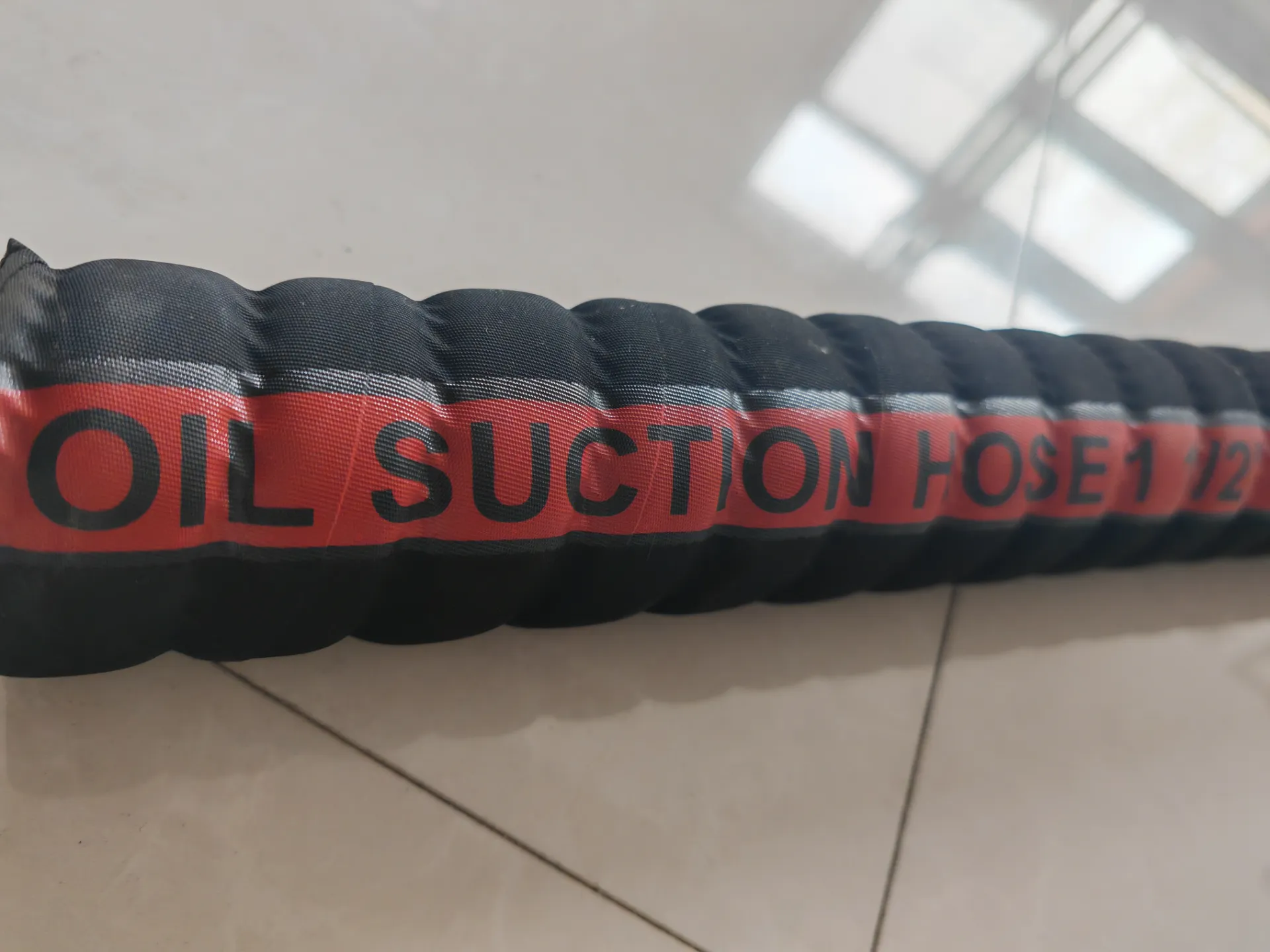
Automotive hoses are typically constructed from multiple layers, each contributing to specific performance characteristics. The innermost layer, the tube, is in direct contact with the conveyed fluid and is often comprised of specialized elastomers such as fluoropolymers (FKM/Viton), nitrile rubber (NBR), ethylene propylene diene monomer (EPDM), or chloroprene rubber (CR/Neoprene). The selection of the tube material depends heavily on the fluid compatibility requirements. For example, FKM is preferred for fuel lines due to its excellent resistance to gasoline and diesel, while EPDM is common in coolant hoses due to its temperature and chemical resistance. The reinforcement layer provides structural integrity and burst resistance. Common reinforcement materials include high-tensile textile braiding (polyester, nylon, aramid fibers) or spiral-wound steel wire. Aramid fibers offer a high strength-to-weight ratio, contributing to lightweight hose designs. The outer cover provides environmental protection against abrasion, ozone, UV radiation, and oil contamination, typically utilizing materials like EPDM, polyurethane (PU), or polychloroprene. Manufacturing processes vary depending on the hose construction. Tube extrusion is used to create the inner liner, followed by reinforcement layer application (braiding or winding). A curing process, involving heat and pressure, vulcanizes the rubber compounds, achieving the desired mechanical properties. Quality control includes hydrostatic testing to verify burst pressure and leak testing to ensure fluid containment. Parameter control during extrusion (temperature, pressure, screw speed) and curing (temperature, time, pressure) is crucial for consistent product quality.
Performance & Engineering
Automotive hose performance is governed by several key engineering principles. Burst pressure, determined by the reinforcement layer, must exceed the maximum system pressure with a significant safety factor. Tensile strength and elongation at break are critical for handling and installation, and resistance to kink and collapse under vacuum conditions is essential. Thermal performance is also crucial, with hoses needing to withstand continuous operating temperatures ranging from -40°C to +150°C (or higher for turbocharger applications). Fluid compatibility, as previously mentioned, prevents swelling, softening, or degradation of the hose material. Furthermore, hoses are subjected to dynamic stress due to engine vibrations and vehicle movement. Fatigue analysis, employing finite element modeling (FEM), is often used to predict hose life under cyclical loading. Compliance with automotive industry standards, such as SAE J20 and ISO 16949, is paramount. Environmental resistance, including ozone cracking, UV degradation, and resistance to road salts, is essential for long-term durability. The engineering challenge lies in balancing these competing performance requirements while optimizing hose weight and cost. The move towards smaller, turbocharged engines puts increased stress on hoses due to higher operating temperatures and pressures, demanding advanced material selection and design optimization.
Technical Specifications
| Parameter | SAE J20R3 Class 2 (Typical Fuel Hose) | SAE J20R7 (Typical Coolant Hose) | SAE J30R9 (Power Steering Hose) | Unit |
|---|---|---|---|---|
| Working Pressure | 125 | 75 | 200 | psi |
| Burst Pressure | 500 | 300 | 800 | psi |
| Temperature Range | -40 to 121 | -40 to 135 | -40 to 149 | °C |
| Tube Material | FKM (Viton) | EPDM | NBR | - |
| Reinforcement | Textile Braid (Aramid) | Textile Braid (Polyester) | Spiral Wire (Steel) | - |
| Cover Material | EPDM | EPDM | EPDM | - |
Failure Mode & Maintenance
Automotive hose failure can occur due to several mechanisms. Fatigue cracking develops over time due to repeated flexing and pressure cycling, often initiating at areas of high stress concentration (e.g., hose ends, bends). Permeation of fluids through the hose wall, particularly with fuel hoses, can lead to fuel loss and potential fire hazards. Chemical degradation occurs when the hose material is exposed to incompatible fluids, causing swelling, softening, or cracking. Thermal degradation arises from prolonged exposure to high temperatures, leading to hardening and embrittlement of the rubber compounds. Ozone cracking is prevalent in outer covers exposed to atmospheric ozone. Abrasion damages the outer cover, compromising its protective function. Maintenance typically involves visual inspection for cracks, leaks, swelling, or abrasion. Replacement is recommended at regular intervals (as specified by the vehicle manufacturer) or when any signs of degradation are detected. Proper torque specifications during hose clamp installation are crucial to prevent leaks and ensure a secure connection. Avoid bending hoses excessively during installation, as this can induce stress and accelerate fatigue failure. When replacing hoses, it is essential to use hoses that meet or exceed the original equipment manufacturer's (OEM) specifications. Using incorrect materials or dimensions can lead to premature failure and potentially compromise vehicle safety.
Industry FAQ
Q: What is the primary difference between FKM and EPDM in automotive hose applications?
A: FKM (Viton) offers superior resistance to fuels, oils, and aggressive chemicals compared to EPDM. However, it's typically more expensive. EPDM excels in coolant applications due to its excellent heat and water resistance. The choice depends on the fluid being conveyed and the operating environment.
Q: How does reinforcement material impact hose burst pressure and flexibility?
A: Higher tensile strength reinforcement materials, like aramid fibers or steel wire, increase burst pressure. However, steel wire reinforcement generally reduces hose flexibility compared to textile braiding. Balancing these factors is a key design consideration.
Q: What is the significance of hydrostatic testing during hose manufacturing?
A: Hydrostatic testing subjects hoses to pressures significantly exceeding their working pressure to identify any weaknesses or leaks. It's a critical quality control step to ensure the hose meets safety requirements and can withstand real-world operating conditions.
Q: How do I determine the correct hose specification for a replacement application?
A: Always refer to the vehicle's service manual or the original hose markings. Match the hose's working pressure, temperature range, fluid compatibility, and dimensions (inner diameter, outer diameter, length) to the OEM specifications. Using a non-compliant hose can result in failure and safety hazards.
Q: What are the challenges associated with hoses in modern downsized, turbocharged engines?
A: Downsized turbocharged engines operate at higher temperatures and pressures, requiring hoses with superior heat resistance, burst strength, and fluid compatibility. The increased stress levels demand more robust materials and designs, such as multi-layer construction with advanced reinforcement materials.
Conclusion
OEM automotive hoses represent a complex interplay of material science, engineering design, and manufacturing precision. The selection of appropriate materials, coupled with robust manufacturing processes and stringent quality control, are essential for ensuring long-term reliability and vehicle safety. The industry trend towards more demanding operating conditions – driven by advancements in powertrain technology – necessitates continuous innovation in hose materials and construction techniques.
Future developments are likely to focus on lightweight hose designs utilizing advanced composites, self-healing materials to mitigate minor damage, and sensor-integrated hoses for real-time condition monitoring. Understanding the failure modes and implementing proactive maintenance procedures remain critical for maximizing hose service life and preventing catastrophic failures. The OEM automotive hose market demands a commitment to rigorous testing, adherence to industry standards, and a deep understanding of fluid dynamics and material behavior.