


odm wrapped cover hydraulic hose pricelist Performance Analysis
Introduction
Wrapped cover hydraulic hoses, specifically those offered through ODM (Original Design Manufacturing) services, constitute a critical component within fluid power systems across diverse industrial applications. These hoses are engineered for the conveyance of hydraulic fluid under substantial pressure, facilitating the operation of heavy machinery in sectors such as construction, agriculture, mining, and manufacturing. The ODM model allows for customization of hose construction – including reinforcement layers, cover materials, and end fitting connections – to meet exacting performance criteria. This guide provides a detailed technical analysis of ODM wrapped cover hydraulic hoses, encompassing material science, manufacturing processes, performance characteristics, potential failure modes, maintenance procedures, and relevant industry standards. Core industry pain points addressed include ensuring burst pressure integrity, maintaining flexibility across operating temperatures, preventing fluid contamination, and mitigating long-term degradation due to environmental exposure and fluid compatibility issues. Understanding these factors is essential for procurement managers, design engineers, and maintenance personnel alike.
Material Science & Manufacturing
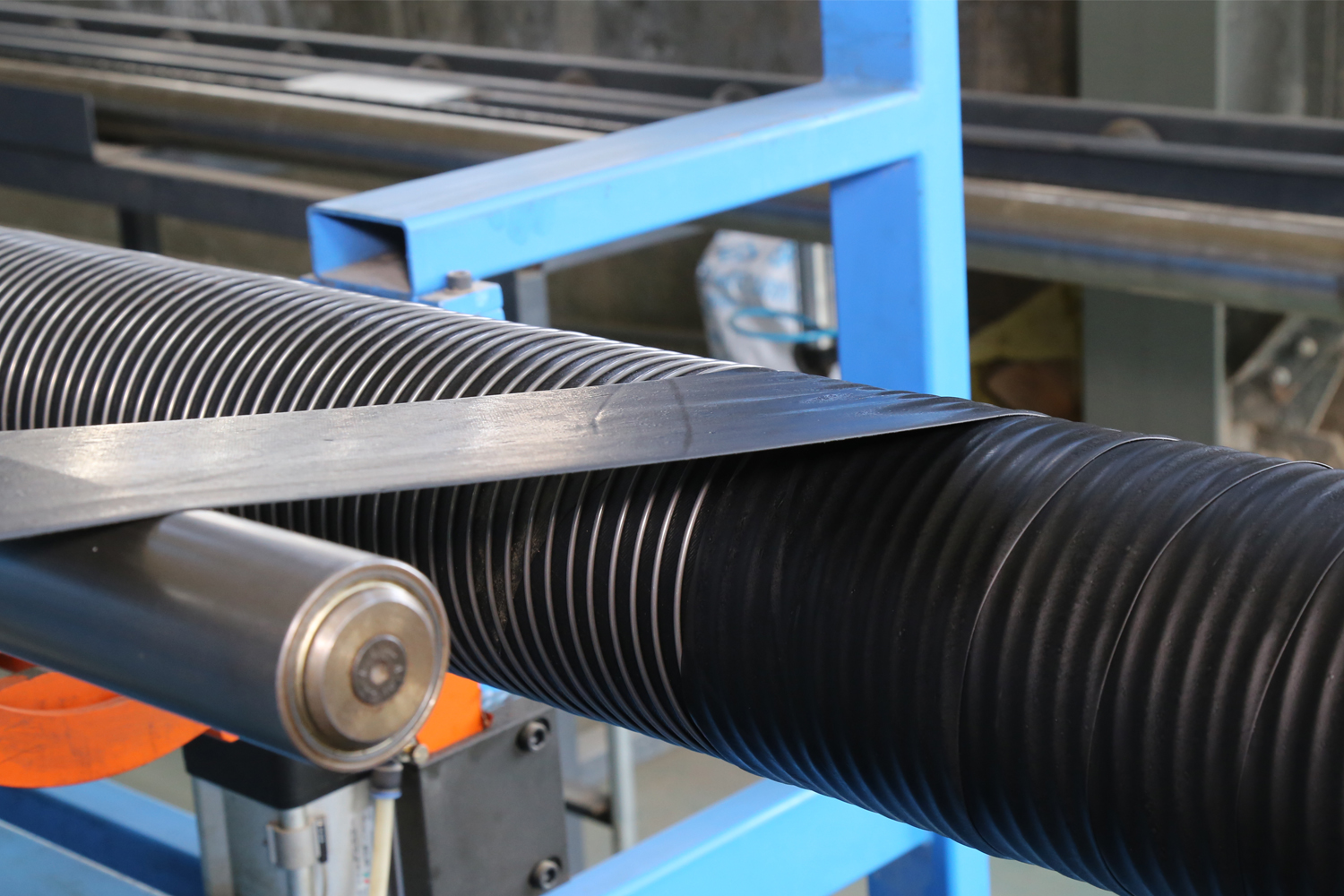
The construction of a wrapped cover hydraulic hose relies on a synergistic combination of materials. The inner tube, typically formulated from nitrile rubber (NBR), ethylene propylene diene monomer (EPDM), or polytetrafluoroethylene (PTFE), provides fluid resistance. NBR is widely favored for its compatibility with petroleum-based hydraulic fluids, exhibiting good abrasion resistance, but has limited temperature range. EPDM offers superior resistance to heat, ozone, and weathering, making it suitable for outdoor applications. PTFE provides exceptional chemical inertness, handling aggressive fluids but at a higher cost. Reinforcement layers, crucial for withstanding pressure, are commonly comprised of multiple braids of high-tensile steel wire. The number and construction of these braids (e.g., 1SP, 2SP, 4SP – single, double, and four spiral ply) directly correlate to the hose’s maximum working pressure. The wrap cover itself is generally constructed from synthetic rubber compounds like chloroprene (CR) or a polyurethane blend, chosen for its resistance to abrasion, oil, and weathering. Manufacturing commences with the extrusion of the inner tube, followed by the application of reinforcement layers via spiraling machinery. Precise tension control during braiding is critical to ensure uniform pressure resistance. The cover is then applied through a wrapping process, often involving multiple layers and heat vulcanization to bond the components. Parameter control during vulcanization – including temperature, pressure, and time – are key to achieving optimal material crosslinking and ensuring the hose’s mechanical integrity. Batch traceability and dimensional inspection are integral parts of quality control.
Performance & Engineering
Performance analysis of wrapped cover hydraulic hoses necessitates consideration of several critical engineering parameters. Burst pressure, defined as the pressure at which the hose fails catastrophically, is a primary specification, typically validated through hydrostatic testing to a factor of safety (e.g., 4:1) above the working pressure. Flexibility, essential for routing in confined spaces, is influenced by the hose’s diameter, reinforcement construction, and cover compound. Bend radius limitations are defined to prevent kinking and damage to the reinforcement layers. Environmental resistance is assessed through exposure testing to factors such as temperature extremes, UV radiation, ozone, and fluid exposure. Hydraulic fluid compatibility is paramount; incompatible fluids can cause swelling, degradation, and ultimately, hose failure. Force analysis involves calculating hoop stress within the hose wall under internal pressure, and assessing the tensile load capacity of the reinforcement layers. Compliance with industry standards such as SAE J517 and EN 853 is critical to ensure safety and reliability. Furthermore, the selection of end fittings (e.g., crimped, swaged, or field-attachable) must be compatible with the hose construction and hydraulic system to prevent leakage and ensure structural integrity. Proper fitting installation – including correct crimp dimensions and torque specifications – is vital for maintaining performance.
Technical Specifications
| Parameter | Unit | Typical Value (SAE 100R4 Type) | Typical Value (EN 853 1SN Type) |
|---|---|---|---|
| Working Pressure | MPa | 21 | 20.6 |
| Burst Pressure | MPa | 84 | 82.4 |
| Temperature Range | °C | -40 to +100 | -40 to +100 |
| Inner Tube Material | - | NBR | NBR |
| Reinforcement | - | 4SP Steel Wire Braid | 1SN Steel Wire Spiral |
| Cover Material | - | CR | CR |
Failure Mode & Maintenance
Wrapped cover hydraulic hoses are susceptible to several failure modes. Fatigue cracking, initiated by repeated flexing and pressure cycling, often occurs at the connection points between the hose and fittings. Delamination, the separation of reinforcement layers, can result from improper bonding during manufacturing or exposure to excessive heat. Degradation of the inner tube due to fluid incompatibility or oxidation leads to swelling, softening, and eventual rupture. Abrasion damage to the cover, caused by rubbing against other components, can expose the reinforcement layers to corrosion. External damage, such as cuts or punctures, compromises the hose’s integrity. Preventive maintenance is crucial. Regular visual inspection for cracks, abrasions, and leaks is essential. Hose routing should minimize bending and contact with abrasive surfaces. Fluid contamination should be controlled through filtration. Hose replacement should be scheduled based on operating conditions and manufacturer recommendations, often specified in terms of service life or operating hours. Proper storage – protected from UV radiation and extreme temperatures – extends the hose’s lifespan. In the event of a hose failure, a thorough root cause analysis is recommended to identify and address the underlying issue.
Industry FAQ
Q: What is the impact of different reinforcement braid constructions (1SP, 2SP, 4SP) on hose performance?
A: The number of spiral plies (SP) directly influences the hose’s burst pressure and rigidity. A 4SP hose, with four braids, offers significantly higher pressure capacity and is less prone to expansion under pressure, making it suitable for high-pressure applications. However, it's less flexible than a 2SP or 1SP hose. A 1SP hose provides greater flexibility but at the expense of pressure rating.
Q: How does the choice of inner tube material affect fluid compatibility?
A: Inner tube material compatibility is crucial. NBR is generally suitable for petroleum-based fluids, but it degrades in phosphate ester fluids. EPDM is excellent for water-glycol and some synthetic fluids, but not for petroleum oils. PTFE provides universal compatibility but is more expensive and may exhibit lower flexibility.
Q: What are the key considerations for selecting the appropriate hose cover material?
A: Cover material selection depends on the operating environment. Chloroprene (CR) offers good abrasion and oil resistance, while polyurethane provides superior abrasion resistance and cut resistance. For outdoor applications, a weather-resistant cover is essential.
Q: What is the significance of the SAE J517 and EN 853 standards?
A: SAE J517 and EN 853 are internationally recognized standards that define performance requirements for hydraulic hoses. Compliance with these standards ensures that the hose meets minimum safety and performance criteria, providing assurance of quality and reliability.
Q: How can I determine the correct hose size for my application?
A: Hose size selection requires considering the flow rate, working pressure, and fitting size. Larger diameter hoses reduce pressure drop but are less flexible. The hose ID (inner diameter) must match the fitting ID to prevent leakage. Consult manufacturer’s sizing charts and consider the application’s specific requirements.
Conclusion
ODM wrapped cover hydraulic hoses represent a crucial element in countless hydraulic systems, demanding a thorough understanding of their material properties, manufacturing processes, and performance characteristics. Effective selection necessitates a careful evaluation of application-specific requirements, including pressure, temperature, fluid compatibility, and environmental conditions. Failure to adequately address these factors can lead to premature failure, system downtime, and potential safety hazards.
Looking forward, advancements in materials science and manufacturing techniques are likely to yield hydraulic hoses with enhanced performance, extended service life, and improved environmental sustainability. Continued adherence to industry standards, coupled with robust quality control procedures, remains paramount to ensuring the reliability and safety of these critical components.