


odm wire spiral hydraulic hose suppliers Performance Analysis

Introduction
Wire spiral hydraulic hoses are a critical component in fluid power systems across a diverse range of industries, including construction, agriculture, mining, and manufacturing. These hoses are designed to convey hydraulic fluid under high pressure, enabling the operation of heavy machinery and equipment. This guide focuses on the technical aspects of wire spiral hydraulic hoses supplied by ODMs (Original Design Manufacturers), delving into material science, manufacturing processes, performance characteristics, failure modes, and relevant industry standards. The inherent flexibility and high-pressure capacity of wire spiral hoses differentiate them from other hose types, like braided hoses, making them suitable for demanding applications. The key performance parameters include working pressure, burst pressure, temperature range, and fluid compatibility. Understanding these factors is crucial for selecting the appropriate hose for a given application and ensuring system reliability. A prevalent industry pain point is ensuring consistent quality from ODMs, particularly regarding adherence to stringent international standards and material specifications.
Material Science & Manufacturing
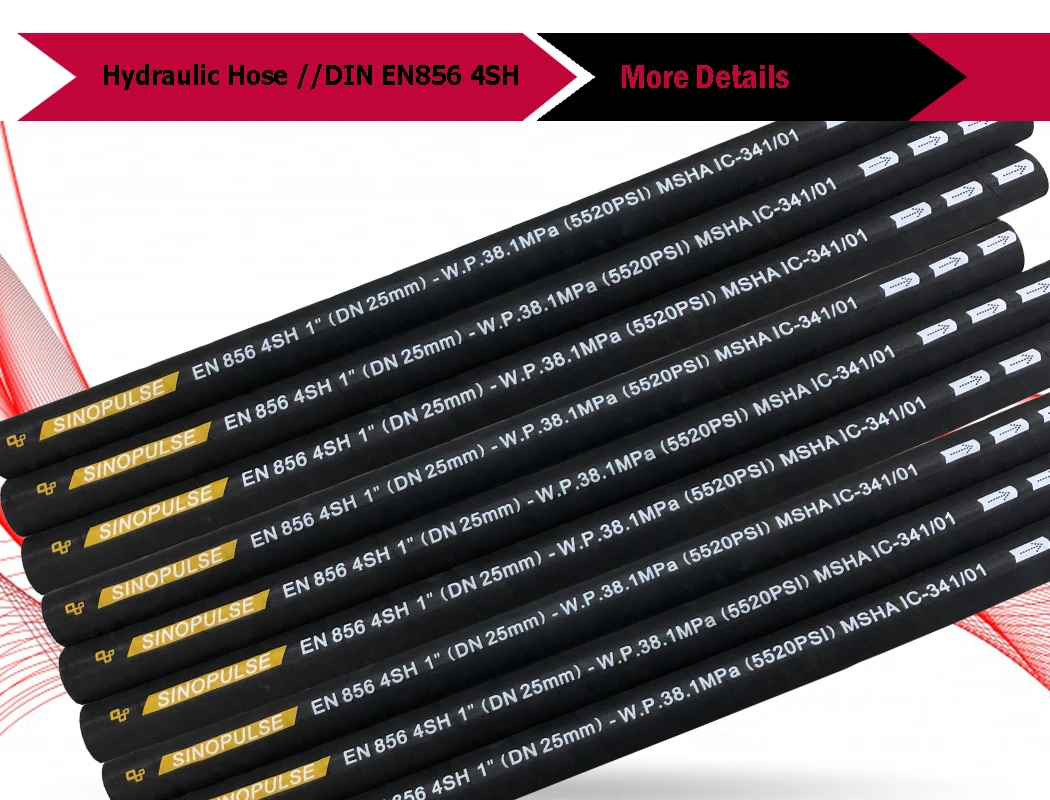
Wire spiral hydraulic hoses are typically constructed of multiple layers. The inner tube, responsible for fluid containment, is commonly made from synthetic rubbers like nitrile (NBR), ethylene propylene diene monomer (EPDM), or fluorocarbon (FKM – Viton). NBR offers excellent resistance to petroleum-based fluids, EPDM excels in applications requiring resistance to heat, ozone, and weathering, while FKM provides superior resistance to aggressive chemicals and high temperatures. The reinforcement layer, the defining characteristic of wire spiral hoses, consists of multiple high-tensile steel wires spirally wound around the inner tube. The wire’s material composition (typically high-carbon steel) and diameter significantly impact the hose's pressure rating and flexibility. An outer cover, often composed of chloroprene (CR) or polyurethane, provides protection against abrasion, ozone, UV radiation, and environmental degradation. The manufacturing process begins with extrusion of the inner tube. The spiral wire is then precisely wound onto the extruded tube using specialized winding machines. Precise tension control during winding is paramount to achieving consistent pressure ratings and preventing premature failure. Finally, the outer cover is extruded over the reinforcement layer, followed by curing to vulcanize the rubber compounds and bond the layers together. Parameter control during extrusion (temperature, pressure, screw speed) and curing (temperature, time) is critical. Improper curing can lead to under-vulcanization, resulting in reduced strength and durability, or over-vulcanization, leading to brittleness and cracking.
Performance & Engineering
The performance of a wire spiral hydraulic hose is dictated by several engineering principles. The pressure rating is determined by the tensile strength of the steel wire, the number of layers, and the diameter of the hose. Hoop stress analysis is used to calculate the maximum allowable working pressure (MWP) and burst pressure. Flexibility is a key attribute, and is affected by the wire pitch (distance between adjacent wires) and the wire diameter. A smaller pitch and smaller diameter wires increase flexibility but reduce pressure capacity. Environmental resistance is crucial; exposure to extreme temperatures, UV radiation, and corrosive fluids can degrade the rubber compounds, leading to failure. The hose must also withstand fatigue caused by repeated flexing and pressure cycling. Finite element analysis (FEA) is often employed to simulate stress distribution under various loading conditions and optimize the hose design. Compliance requirements vary depending on the region and application. For example, in the automotive industry, hoses must meet SAE J517 standards. In the oil and gas industry, they must comply with API Q1 standards. Proper hose assembly, including correct crimping of the end fittings, is essential for ensuring leak-free operation and preventing premature failure. Improper crimping can lead to fitting slippage or hose rupture.
Technical Specifications
| Parameter | Unit | Typical Value (1” ID Hose) | Test Standard |
|---|---|---|---|
| Working Pressure | PSI | 4,000 - 6,000 | SAE J517 |
| Burst Pressure | PSI | 12,000 - 18,000 | SAE J517 |
| Temperature Range | °F | -40 to +212 | SAE J517 |
| Inner Tube Material | - | NBR, EPDM, FKM | ASTM D2000 |
| Reinforcement | Layers | 4-6 Spiral Wire | SAE J517 |
| Outer Cover Material | - | CR, Polyurethane | ASTM D2000 |
Failure Mode & Maintenance
Wire spiral hydraulic hoses are susceptible to several failure modes. Fatigue cracking, caused by repeated flexing and pressure cycling, is a common issue, particularly near the fittings. This is often initiated by microscopic defects in the wire or rubber. Abrasion damage to the outer cover can expose the reinforcement layer to corrosion, leading to wire rusting and eventual hose failure. Internal corrosion can occur if the hose is exposed to incompatible fluids, causing degradation of the inner tube. Delamination, the separation of the rubber layers from the reinforcement, can occur due to improper curing or exposure to extreme temperatures. Oxidation of the rubber compounds can cause them to become brittle and crack, especially with prolonged exposure to ozone and UV radiation. To mitigate these risks, regular visual inspections are crucial. Look for signs of abrasion, cracking, swelling, or discoloration. Avoid sharp bends and kinks in the hose. Ensure proper hose routing to prevent rubbing against other components. Flush the hydraulic system periodically to remove contaminants that can accelerate wear. When replacing a hose, always use the correct size and type, and ensure proper crimping of the end fittings. Store hoses in a cool, dry, and dark location to minimize degradation.
Industry FAQ
Q: What is the impact of different steel wire grades on the hose's pressure rating and lifespan?
A: Higher tensile strength steel wire directly correlates to a higher pressure rating. However, using excessively high-strength wire can reduce flexibility. The lifespan is also affected; while stronger wire resists initial yielding, it can be more susceptible to fatigue cracking over time if not properly treated for corrosion resistance. The wire surface finish and the presence of any micro-cracks are also critical factors affecting fatigue life.
Q: How does fluid compatibility affect the selection of inner tube material?
A: Fluid compatibility is paramount. Using an incompatible fluid can cause the inner tube to swell, degrade, or even dissolve, leading to leaks and system failure. For example, phosphate ester fluids require specialized inner tube materials like FKM. Always consult a fluid compatibility chart before selecting a hose.
Q: What are the key considerations when selecting a hose for high-temperature applications?
A: High temperatures accelerate the degradation of rubber compounds. Select an inner tube and outer cover material specifically designed for high-temperature resistance, such as FKM or silicone rubber. Also, consider the temperature rating of the end fittings. Ensure the hose is adequately cooled if exposed to continuous high temperatures.
Q: What quality control measures should I expect from a reputable ODM?
A: A reputable ODM should have a robust quality control system encompassing raw material inspection, in-process monitoring (e.g., wire tension, extrusion parameters), and final product testing (e.g., pressure testing, impulse testing, bend testing). They should also provide detailed test reports and material certifications. Traceability of raw materials is also a critical indicator of quality.
Q: What is the significance of impulse testing and how does it relate to hose durability?
A: Impulse testing simulates the pressure pulsations that occur in many hydraulic systems. It assesses the hose's ability to withstand repeated pressure surges without failure. A hose that passes rigorous impulse testing is more likely to have a longer service life in demanding applications. Impulse ratings are typically expressed in cycles to failure.
Conclusion
Wire spiral hydraulic hoses represent a sophisticated engineering solution for high-pressure fluid conveyance. Their performance and reliability are directly linked to the careful selection of materials, precise manufacturing processes, and adherence to stringent industry standards. ODMs play a crucial role in ensuring consistent quality and performance, and selecting a reputable supplier with robust quality control systems is paramount. Understanding the potential failure modes and implementing preventative maintenance measures are essential for maximizing hose lifespan and minimizing downtime.
Future developments in wire spiral hose technology will likely focus on advanced materials, such as thermoplastic composites, to reduce weight and increase corrosion resistance. Improved manufacturing techniques, such as automated winding and non-destructive testing, will further enhance quality and reduce production costs. The increasing demand for sustainable solutions will also drive the development of environmentally friendly materials and manufacturing processes.