


odm r8 twin hose products Performance Analysis
Introduction
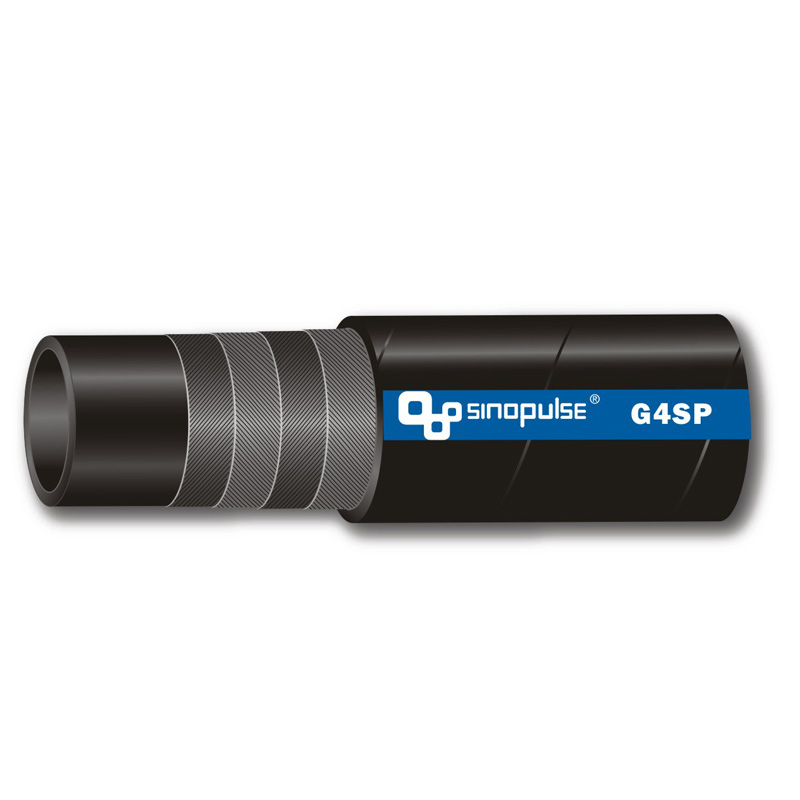
ODM R8 twin hose products represent a critical component in hydraulic systems requiring robust fluid conveyance. Classified as high-pressure hydraulic hose assemblies, they are typically constructed with an inner tube, multiple layers of reinforcement, and an outer cover, engineered to withstand demanding operational conditions. Their primary function is to transmit hydraulic fluid between components such as pumps, valves, cylinders, and motors. Positioned within the hydraulic power transmission chain, the R8 hose's performance directly impacts the efficiency, reliability, and safety of the entire system. Core performance characteristics include burst pressure, working pressure, impulse performance, and resistance to fluid compatibility and environmental factors. This guide provides an in-depth examination of their material science, manufacturing processes, engineering considerations, potential failure modes, and relevant industry standards.
Material Science & Manufacturing
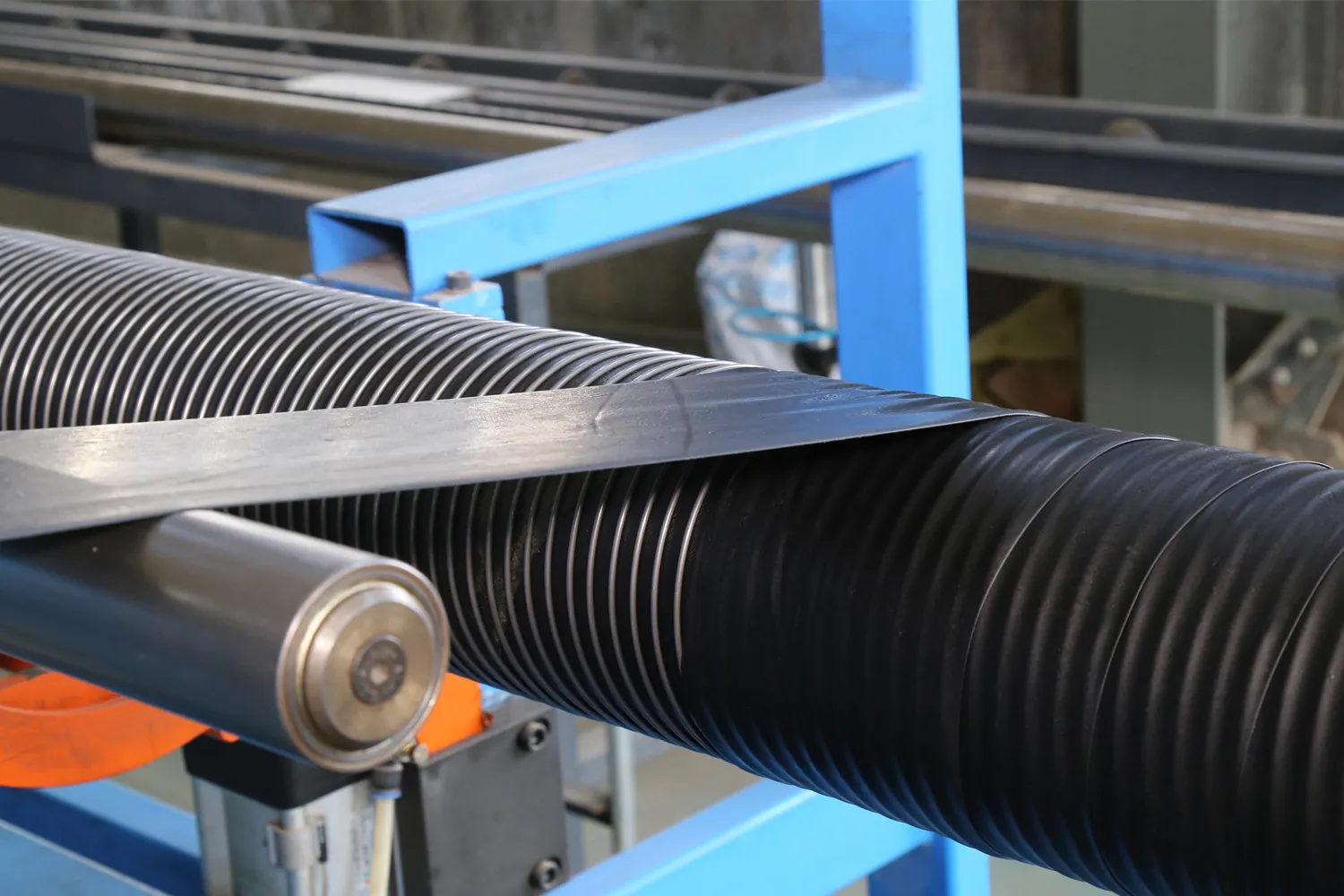
The construction of ODM R8 twin hose products relies on carefully selected materials chosen for their specific properties. The inner tube is commonly constructed from nitrile rubber (NBR) due to its excellent resistance to petroleum-based hydraulic fluids. Alternatively, for specialized applications involving phosphate ester fluids, fluoropolymers like PTFE or FKM are employed. The reinforcement layers typically consist of multiple spiral plies of high-tensile steel wire. The steel wire is treated with zinc coating to prevent corrosion. The outer cover is generally composed of synthetic rubber, often chloroprene (CR) for its resistance to abrasion, ozone, and weathering. The manufacturing process begins with extrusion of the inner tube. Subsequent spiraling of the steel wire reinforcement layers is a critical step, demanding precise tension control to achieve the required pressure ratings. This spiraled construction is then vulcanized, bonding the layers together under heat and pressure. The outer cover is extruded over the reinforced core, followed by a final curing process. Key parameters include wire diameter, helix angle, vulcanization temperature and time, and dimensional tolerances. Improper control of these parameters can lead to reduced burst strength, premature failure, and compromised fluid compatibility. Post-production testing includes hydrostatic testing to verify burst pressure and impulse testing to assess dynamic fatigue resistance.
Performance & Engineering
The performance of ODM R8 twin hose is governed by fundamental engineering principles, specifically related to fluid dynamics and material strength. Burst pressure, typically exceeding the working pressure by a safety factor of 4:1, is determined by the tensile strength of the steel reinforcement and the bond strength between layers. Working pressure is dictated by application requirements and is carefully selected to ensure long-term reliability. Impulse performance, critical in systems with pulsating flow, is analyzed using fatigue testing standards like ISO 6807. This assesses the hose's ability to withstand repeated pressure surges without failure. Environmental resistance is paramount. Prolonged exposure to UV radiation, ozone, and extreme temperatures can degrade the outer cover, reducing its protective capabilities. Fluid compatibility is also vital; incompatible fluids can cause swelling, cracking, or permeation, compromising the hose's integrity. Finite element analysis (FEA) is often employed during the design phase to optimize hose geometry, predict stress distribution, and validate performance under various loading conditions. Compliance requirements, such as those outlined in SAE J517 and EN 856 standards, dictate minimum performance criteria and testing protocols. Proper hose assembly, including correct fitting selection and crimping procedures, is essential for achieving optimal performance and preventing premature failure. Force analysis during bending and flexing dictates minimum bend radius requirements to avoid kinking and stress concentration.
Technical Specifications
| Parameter | Specification (Typical) | Testing Standard | Units |
|---|---|---|---|
| Working Pressure | 315 | SAE J517 | bar |
| Burst Pressure | 1260 | SAE J517 | bar |
| Inner Tube Material | Nitrile Rubber (NBR) | ASTM D2000 | - |
| Reinforcement | Multiple Steel Wire Spiral | ISO 6807 | layers |
| Outer Cover Material | Chloroprene (CR) | ASTM D2000 | - |
| Temperature Range | -40 to +100 | ISO 6807 | °C |
Failure Mode & Maintenance
ODM R8 twin hose products are susceptible to various failure modes in practical applications. Fatigue cracking, initiated by repeated flexing and pressure cycling, is a common issue, particularly near fittings. Delamination, the separation of reinforcement layers, results from inadequate bonding during vulcanization or exposure to aggressive fluids. Abrasion of the outer cover, caused by rubbing against surrounding components, reduces its protective capacity and exposes the reinforcement to corrosion. Oxidation of the steel wire, accelerated by moisture and corrosive environments, weakens the reinforcement and increases the risk of rupture. Permeation of the inner tube, allowing fluid to migrate through the hose wall, can occur with incompatible fluids. Kinking, caused by exceeding the minimum bend radius, creates stress concentrations and leads to premature failure. Preventative maintenance involves regular visual inspections for signs of abrasion, cracking, or swelling. Hose assemblies should be periodically pressure tested to verify integrity. Proper routing and support mechanisms should be implemented to minimize bending stress and abrasion. Contamination of the hydraulic fluid should be prevented through filtration to extend hose life. If a hose shows signs of damage, it should be replaced immediately. Fitting integrity should also be checked, as corrosion or loosening can compromise the seal and lead to leaks.
Industry FAQ
Q: What is the impact of fluid velocity on the service life of an R8 hose?
A: Higher fluid velocities increase the severity of impulse loading and can accelerate erosion of the inner tube, particularly with abrasive fluids. This reduces the fatigue life of the hose. Selecting a hose with a higher working pressure rating and employing pulsation dampeners can mitigate these effects.
Q: How does hose length affect its performance and reliability?
A: Longer hose lengths are more susceptible to pressure drop and require larger hose diameters to maintain adequate flow rates. They are also more prone to vibration and fatigue. Support systems should be used to minimize bending stresses in long hose runs.
Q: What are the implications of using incorrect fittings with an R8 hose?
A: Incorrect fittings can compromise the seal, leading to leaks and reduced system efficiency. They can also create stress concentrations at the connection points, leading to premature failure. Always use fittings specifically designed for R8 hose and ensure proper crimping procedures are followed.
Q: How important is proper hose routing to prevent failure?
A: Proper hose routing is critical. Avoid sharp bends, abrasion points, and exposure to extreme temperatures. Ensure adequate clearance between the hose and moving parts. Utilize hose guards and support brackets to protect the hose from damage.
Q: What are the best practices for storing R8 hoses before installation?
A: Store hoses in a cool, dry, and dark place, away from direct sunlight, ozone sources, and chemicals. Avoid bending or kinking the hose during storage. Store hoses horizontally and avoid stacking heavy objects on top of them.
Conclusion
The ODM R8 twin hose product represents a sophisticated engineered component essential for reliable hydraulic power transmission. Its performance is dictated by a complex interplay of material science, manufacturing precision, and engineering design considerations. Understanding the core principles governing burst pressure, impulse performance, fluid compatibility, and environmental resistance is critical for ensuring optimal system operation and maximizing service life.
Effective implementation of preventative maintenance programs, including regular inspections, proper hose routing, and correct fitting selection, significantly mitigates the risk of premature failure. Adherence to relevant industry standards, such as SAE J517 and ISO 6807, is paramount for ensuring compliance and safety. Continued advancements in materials and manufacturing techniques will undoubtedly lead to further enhancements in the performance and durability of R8 twin hose products.