


odm abrasion resistant hydraulic hose pricelist Performance Analysis
Introduction
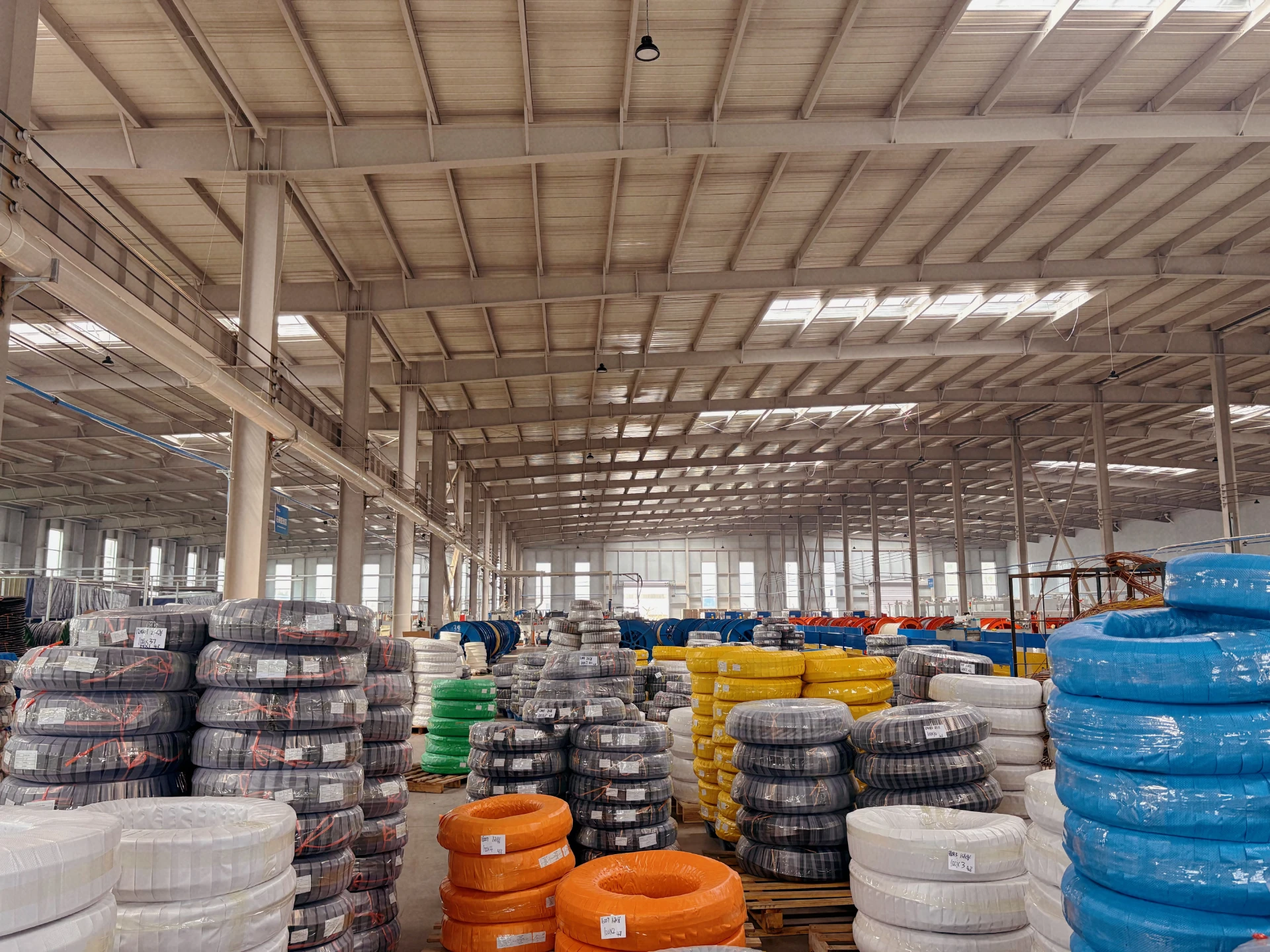
Abrasion resistant hydraulic hose, particularly those offered under an ODM (Original Design Manufacturer) arrangement, represent a critical component in fluid power systems across diverse industries. These hoses are engineered to reliably transmit hydraulic fluid under high pressure while resisting damage from particulate matter, impact, and cyclical bending. Their technical position within the industrial chain lies between the hydraulic pump/actuator and the fluid reservoir, serving as the vital conduit for power transmission. Core performance characteristics are defined by working pressure, burst pressure, temperature range, abrasion resistance (measured by rub testing), and fluid compatibility. The increasing demand for robust and long-lasting hoses stems from the operational costs associated with downtime and hose failure in applications such as construction equipment, mining, agricultural machinery, and industrial robotics. Addressing the pain point of premature failure due to abrasion, corrosion, and exceeding pressure limits drives advancements in materials science and hose construction techniques. This guide details the material science, manufacturing processes, performance parameters, potential failure modes, and maintenance practices associated with ODM abrasion resistant hydraulic hose.
Material Science & Manufacturing
The construction of abrasion resistant hydraulic hose relies on a layered system of materials, each contributing specific properties. The inner tube is typically formulated from synthetic rubbers such as Nitrile (NBR) for petroleum-based fluids, Ethylene Propylene Diene Monomer (EPDM) for phosphate ester fluids, or Fluorocarbon (FKM) for compatibility with aggressive chemicals. These elastomers provide flexibility and resistance to fluid degradation. Reinforcement layers, the core of abrasion resistance and pressure capacity, are commonly constructed from multiple plies of high-tensile steel wire, spirally wound or braided. The wire gauge and braid angle significantly influence burst pressure and flexibility. An intermediate cover layer, often a synthetic rubber compound, provides adhesion between the reinforcement and the outer cover. The outer cover is crucial for abrasion and environmental protection, utilizing polymers like Polyurethane (PU), Chlorinated Polyethylene (CPE), or a specialized blend designed for extreme abrasion resistance. Manufacturing processes involve extrusion of the inner tube, winding or braiding of the reinforcement layers, and finally, extrusion of the outer cover. Critical parameter control includes maintaining consistent rubber compound ratios, precise wire tension during braiding, and accurate temperature and pressure profiles during extrusion. Post-production testing includes hydrostatic pressure testing, impulse testing, and abrasion resistance testing to ensure compliance with industry standards. The quality of the steel wire and the adhesion between layers are paramount to prevent delamination and premature failure.
Performance & Engineering
Performance of abrasion resistant hydraulic hose is dictated by several engineering principles. Force analysis focuses on hoop stress within the hose wall due to internal pressure, calculated using the Barlow formula (Stress = (Pressure Inner Radius) / Wall Thickness). Burst pressure is typically rated at a 4:1 safety factor compared to working pressure. Environmental resistance is a key consideration, with cover materials selected to withstand UV exposure, ozone degradation, and chemical attack. Hydraulic fluid compatibility is critical; improper selection leads to swelling, softening, and eventual failure of the inner tube. The hose’s bend radius must be maintained within specified limits to prevent kinking and damage to the reinforcement layers. Compliance requirements are stringent, governed by standards like SAE J517 (hydraulic hose) and ISO 6898 (hydraulic fluid power – hoses). Functional implementation dictates hose selection based on application parameters. For example, high-speed applications necessitate impulse-resistant hose constructions, while applications involving extreme temperatures require specialized elastomer formulations. The use of anti-twist steel wire construction minimizes torsional stress and improves hose lifespan, especially in rotating equipment. Furthermore, proper fitting selection and installation are vital to prevent leakage and premature failure; mismatched fittings or improper crimping can create stress concentrations and lead to catastrophic hose rupture.
Technical Specifications
| Parameter | Unit | Specification Range (Typical) | Test Standard |
|---|---|---|---|
| Working Pressure | MPa | 10 – 42 | SAE J517 |
| Burst Pressure | MPa | 40 – 168 | SAE J517 |
| Temperature Range | °C | -40 to +100 | SAE J517 |
| Abrasion Resistance (Taber Abrasion Index) | mg Loss | < 50 | ISO 7798-2 |
| Reinforcement Type | - | Spiral Steel Wire / Braided Steel Wire | SAE J517 |
| Outer Cover Material | - | Polyurethane (PU) / Chlorinated Polyethylene (CPE) | SAE J517 |
Failure Mode & Maintenance
Abrasion resistant hydraulic hose is susceptible to several failure modes. Fatigue cracking occurs due to cyclical pressure and bending, initiated at stress concentrations near fittings or defects. Delamination results from poor adhesion between reinforcement layers or between the reinforcement and the rubber compounds. Degradation of the rubber compounds occurs due to prolonged exposure to heat, UV radiation, or incompatible fluids, leading to loss of flexibility and cracking. Oxidation causes hardening and cracking of the rubber material. Impact damage can rupture the outer cover or damage the reinforcement layers. Improper installation, such as excessive bending or kinking, contributes to premature failure. Maintenance practices are crucial for extending hose lifespan. Regular visual inspections should identify signs of abrasion, cracking, swelling, or leakage. Hose routing should avoid sharp bends and contact with abrasive surfaces. Pressure should be maintained within the hose’s rated working pressure. Fluid cleanliness is paramount; filtration systems prevent particulate contamination that accelerates abrasion. Periodic replacement of hoses based on a predetermined schedule or after a certain operational period is recommended. Proper storage in a cool, dry, and dark environment prevents premature degradation.
Industry FAQ
Q: What is the typical lifespan of an abrasion-resistant hydraulic hose in a heavy-duty construction application?
A: The lifespan varies significantly based on operating conditions, but a well-maintained hose in a construction application can typically last between 2-5 years. Factors like exposure to abrasive materials, cyclical bending, pressure spikes, and fluid contamination heavily influence this timeframe. Regular inspections and adherence to recommended maintenance procedures are critical for maximizing service life.
Q: How does the steel wire braid angle affect the hose’s performance?
A: A smaller braid angle generally provides higher pressure capacity but reduced flexibility. Conversely, a larger braid angle offers greater flexibility but lower pressure capacity. The optimal braid angle is determined by the specific application requirements; applications requiring high pressure and minimal bending utilize smaller angles, while those needing greater maneuverability employ larger angles.
Q: What type of outer cover material provides the best abrasion resistance?
A: Polyurethane (PU) generally offers the highest abrasion resistance compared to other common outer cover materials like CPE. PU is significantly more resistant to cuts, tears, and wear caused by contact with abrasive surfaces. However, PU may be more expensive and less resistant to certain chemicals than other options.
Q: What are the consequences of using an incompatible hydraulic fluid with the hose’s inner tube?
A: Using an incompatible fluid can cause the inner tube to swell, soften, or degrade, leading to leakage, reduced pressure capacity, and eventual hose failure. The fluid can chemically attack the elastomer, causing it to lose its elasticity and structural integrity. Always verify fluid compatibility with the hose manufacturer’s specifications.
Q: How important is proper fitting selection and crimping for hose reliability?
A: Proper fitting selection and crimping are absolutely crucial. Mismatched fittings can create stress concentrations and leakage points. Improper crimping can lead to slippage, hose rupture, or premature failure at the fitting connection. Fittings must be appropriately sized for the hose and rated for the system’s operating pressure. Crimping should be performed by trained personnel using calibrated crimping equipment.
Conclusion
The performance and longevity of abrasion resistant hydraulic hose are intrinsically linked to materials science, meticulous manufacturing processes, and diligent maintenance. Understanding the interplay between pressure ratings, material compatibility, environmental resistance, and potential failure modes is paramount for selecting the appropriate hose for a given application. Prioritizing quality components, adhering to industry standards, and implementing preventative maintenance strategies will significantly reduce downtime, lower operational costs, and enhance the overall safety and efficiency of hydraulic systems.
Looking forward, advancements in hose technology will likely focus on the development of even more abrasion-resistant polymers, smarter hose monitoring systems (integrated sensors), and improved manufacturing techniques that enhance layer adhesion and reduce stress concentrations. Furthermore, the drive for sustainable solutions will necessitate the exploration of bio-based and recyclable materials in hose construction, while maintaining the stringent performance requirements of demanding industrial applications.