


hydraulic hose online Performance Analysis

Introduction
Hydraulic hose, specifically when procured online, represents a critical component within fluid power systems, transmitting hydraulic fluid to actuate machinery across diverse industries including construction, agriculture, manufacturing, and aerospace. Its technical position within the supply chain is paramount, functioning as the arterial network connecting hydraulic pumps, valves, and actuators. Modern hydraulic hose design has evolved significantly, moving beyond simple rubber tubing to encompass multi-layered constructions incorporating reinforcing braids and spiral steel wire, all optimized for specific pressure ratings, fluid compatibility, and operational environments. Core performance characteristics revolve around burst pressure, working pressure, temperature resistance, and resistance to fluid degradation. The online procurement model necessitates a keen understanding of hose specifications and proper application criteria to avoid costly failures and downtime. Furthermore, selection considerations extend beyond the hose itself to include end fitting materials, crimping processes, and overall system compatibility.
Material Science & Manufacturing
The core of a hydraulic hose typically comprises an inner tube, reinforcement layers, and an outer cover. Inner tubes are commonly constructed from synthetic rubbers like nitrile (NBR), ethylene propylene diene monomer (EPDM), or fluorocarbon (FKM/Viton) – each possessing varying degrees of resistance to petroleum-based fluids, water, heat, and ozone. NBR is widely used for general-purpose hydraulic systems, offering good abrasion resistance. EPDM excels in applications requiring water and heat resistance, commonly found in steam or hot water hydraulic systems. FKM provides superior resistance to aggressive chemicals and high temperatures, critical in aerospace and chemical processing. Reinforcement layers provide the structural integrity to withstand high pressures. These layers commonly utilize one or more braids of high-strength steel wire, or a spiraled steel wire construction. The number and orientation of these layers directly influence the hose's pressure rating and flexibility. Outer covers are typically composed of synthetic rubber, such as chloroprene (CR) offering abrasion, oil, and weather resistance. The manufacturing process varies based on hose type. Braided hoses involve extruding the inner tube and cover, followed by winding steel wire helically around the inner tube. Spiral hoses involve continuously winding pre-formed steel wire spirals around a mandrel, followed by extrusion of the inner and outer layers. Crucial parameter control during manufacturing includes consistent rubber compound mixing ratios, precise wire winding tension, and proper vulcanization temperatures and times to ensure optimal material properties and bond strength. Quality control focuses on burst pressure testing, impulse testing, and dimensional accuracy.
Performance & Engineering
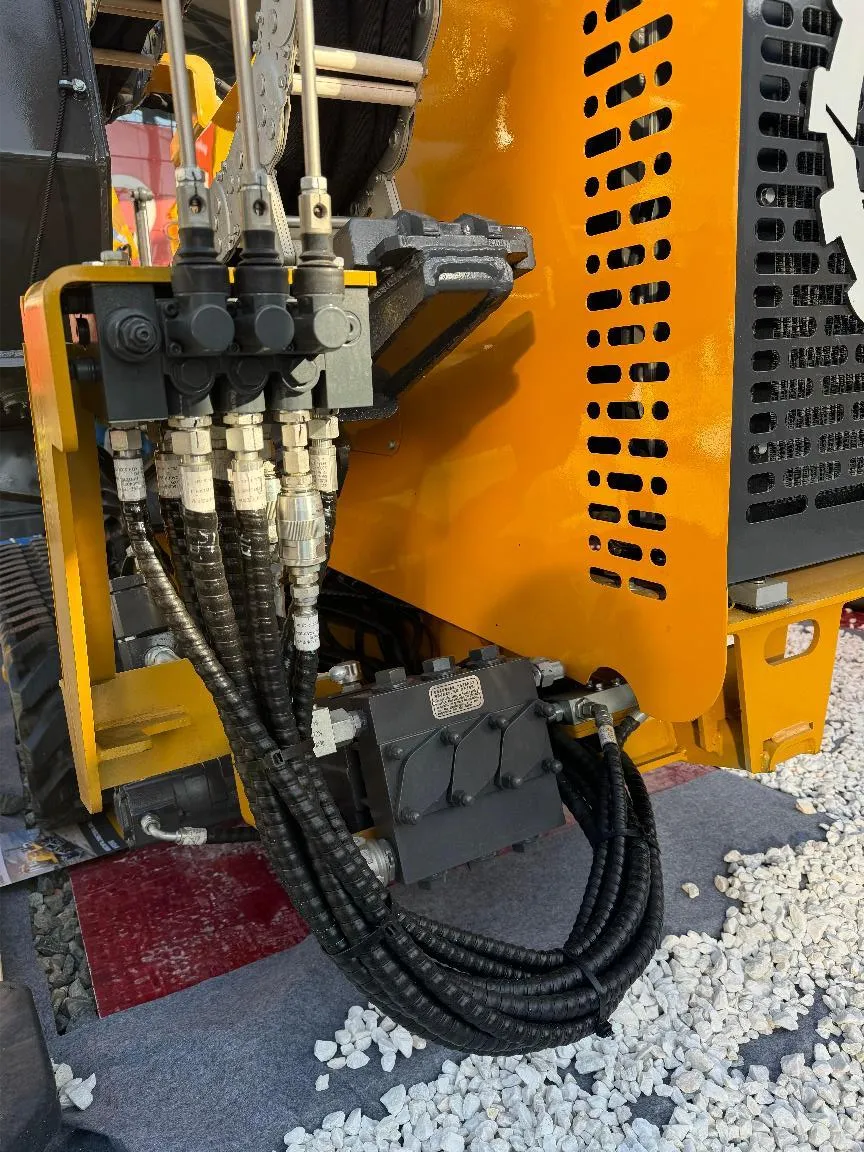
Hydraulic hose performance is governed by several key engineering principles. Force analysis focuses on hoop stress within the hose wall, which increases proportionally with internal pressure and hose diameter. Reinforcement layers are engineered to counteract this stress, preventing hose rupture. Fatigue life is a critical consideration, particularly in applications with pulsating pressures. Impulse pressures, sudden spikes in pressure, can significantly reduce hose lifespan. Hose selection must account for the system's maximum working pressure, pressure fluctuations, and the number of anticipated pressure cycles. Environmental resistance is crucial. Exposure to extreme temperatures (both high and low) can affect rubber compound elasticity and strength, potentially leading to cracking or failure. Ultraviolet (UV) radiation can degrade the outer cover, reducing its abrasion resistance. Chemical compatibility is paramount – the hose material must be resistant to the hydraulic fluid being used, preventing swelling, softening, or chemical attack. Compliance requirements vary by industry and region. For example, SAE J517 specifies performance and testing requirements for hydraulic hoses in North America, while EN 856 standards are prevalent in Europe. Proper hose routing is essential to minimize bending stress and abrasion. Hose guards and support clamps should be used to protect the hose from physical damage and vibration. The bend radius must adhere to manufacturer's specifications to prevent kinking and premature failure.
Technical Specifications
| Parameter | Unit | SAE 100R2AT | SAE 100R6 |
|---|---|---|---|
| Working Pressure | PSI | 2250 | 1200 |
| Burst Pressure | PSI | 6750 | 3600 |
| Temperature Range | °F | -40 to +212 | -40 to +176 |
| Inner Tube | Material | Synthetic Rubber (NBR) | Synthetic Rubber (NBR) |
| Reinforcement | Material | Two Steel Wire Braids | Single Steel Wire Braid |
| Cover | Material | Synthetic Rubber (CRM) | Synthetic Rubber (CRM) |
Failure Mode & Maintenance
Hydraulic hose failure can manifest in various forms. Fatigue cracking, initiated by repeated flexing and pressure cycles, is a common failure mode, typically occurring in the reinforcement layers. Delamination, the separation of layers within the hose wall, can result from inadequate bonding during manufacturing or exposure to incompatible fluids. Degradation of the inner tube occurs due to chemical attack from the hydraulic fluid, leading to swelling, softening, and eventual leakage. Oxidation of the outer cover, caused by exposure to oxygen and UV radiation, reduces its protective capabilities. Abrasion damage, resulting from contact with abrasive surfaces, can wear through the cover and expose the reinforcement layers. Kinking, caused by exceeding the minimum bend radius, creates localized stress concentrations and can lead to rupture. Maintenance practices are critical for extending hose lifespan. Regular visual inspections should be conducted to identify cracks, abrasions, leaks, and swelling. Hose should be replaced if any signs of damage are observed. Proper hose routing and support are essential to minimize stress and abrasion. Fluid contamination should be minimized through filtration, as particulate matter can accelerate wear and damage. Crimping procedures should be performed correctly, ensuring a secure and leak-free connection between the hose and fittings. Record-keeping of hose installation dates and service history is recommended for proactive maintenance scheduling.
Industry FAQ
Q: What is the significance of the "dash size" in hydraulic hose specifications?
A: The dash size, such as "-6" or "-8", refers to the inner diameter of the hose in sixteenths of an inch. A dash-6 hose has a 6/16 inch (or 3/8 inch) inner diameter. It is a critical parameter as it dictates the flow rate capacity of the hose; a larger dash size allows for greater fluid flow, but also generally requires larger fittings and can be less flexible.
Q: How do I determine the correct working pressure rating for my application?
A: The working pressure rating should always exceed the maximum system pressure, including any pressure spikes or surges. A safety factor of at least 4:1 is generally recommended – meaning the hose's working pressure should be at least four times the maximum system pressure. Consider the entire system pressure, including pump pressure and any pressure intensification due to valves or actuators.
Q: What is the difference between a braided hose and a spiral hose?
A: Braided hoses use one or more layers of woven steel wire, providing good flexibility and moderate pressure ratings. Spiral hoses utilize a continuously wound steel wire spiral, offering higher pressure ratings and superior kink resistance but reduced flexibility compared to braided hoses.
Q: What impact does hydraulic fluid compatibility have on hose selection?
A: Incorrect fluid compatibility can lead to rapid hose degradation. Petroleum-based fluids require hoses with NBR or FKM inner tubes. Phosphate ester fluids require specialized hose materials like EPDM or FKM. Always consult the hose manufacturer’s chemical compatibility chart to ensure the inner tube material is compatible with the hydraulic fluid.
Q: What are the best practices for storing hydraulic hoses prior to installation?
A: Store hoses in a cool, dry, and dark location, away from direct sunlight, heat sources, and ozone-generating equipment. Keep hoses coiled loosely to avoid kinking. Protect them from physical damage and contamination. Ideally, store hoses in their original packaging until ready for use.
Conclusion
The selection and implementation of hydraulic hose, particularly within an online procurement framework, demand a thorough understanding of material science, manufacturing processes, and performance characteristics. Incorrect hose selection can lead to catastrophic failures, costly downtime, and safety hazards. Prioritizing factors such as pressure rating, fluid compatibility, temperature range, and environmental resistance is paramount. Regular inspection and preventative maintenance are crucial for maximizing hose lifespan and ensuring reliable system operation.
Looking forward, advancements in hose technology focus on developing materials with enhanced chemical resistance, improved fatigue life, and reduced weight. Smart hose technologies, incorporating sensors to monitor pressure, temperature, and wear, are emerging, offering predictive maintenance capabilities and improved system reliability. Continued adherence to industry standards and best practices will remain essential for ensuring the safe and efficient operation of hydraulic systems.