


high quality wire braid hydraulic hose factory Performance Analysis
Introduction
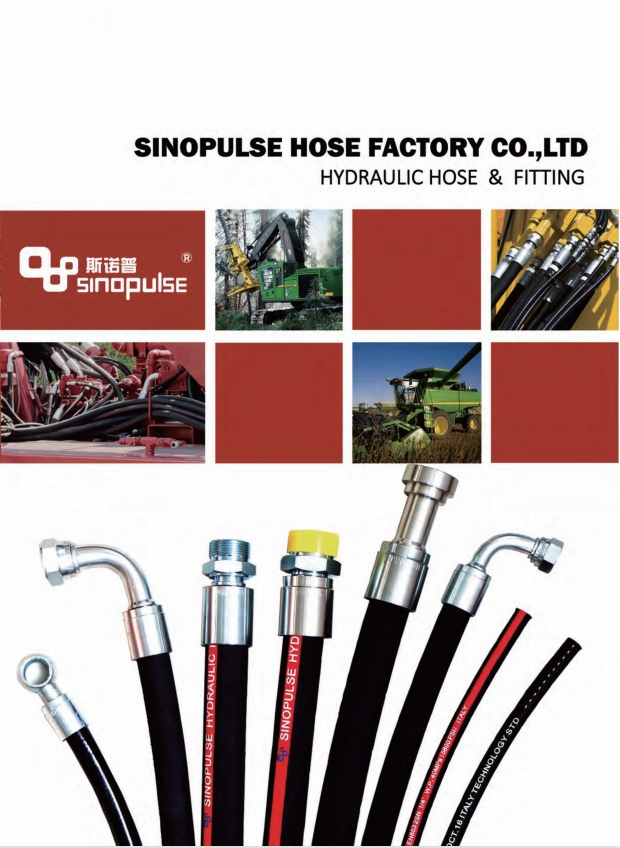
Wire braid reinforced hydraulic hose constitutes a critical component in fluid power systems across a diverse range of industries, including construction, agriculture, manufacturing, and automotive. These hoses are engineered to transmit hydraulic fluid under high pressure, facilitating the operation of hydraulic machinery. A “high quality” hose, in this context, isn’t merely defined by pressure rating, but by a confluence of factors – material composition of both the inner tube, reinforcement, and cover; precise manufacturing control; adherence to stringent industry standards; and performance characteristics like impulse resistance, temperature tolerance, and chemical compatibility. This guide provides an in-depth analysis of wire braid hydraulic hose, encompassing its material science, manufacturing processes, performance parameters, failure modes, maintenance protocols, and relevant industry standards, targeted towards procurement managers and engineering professionals within B2B industrial applications. The core pain point addressed is ensuring the hose’s long-term reliability and preventing catastrophic failure which can lead to downtime, safety hazards, and substantial financial losses.
Material Science & Manufacturing
The performance of a wire braid hydraulic hose is intrinsically linked to the materials utilized in its construction. The inner tube, typically composed of synthetic rubber compounds like nitrile (NBR), ethylene propylene diene monomer (EPDM), or fluorocarbon (FKM, Viton), provides a fluid barrier. NBR is common for petroleum-based hydraulic fluids, offering good abrasion resistance, but limited temperature range. EPDM excels in phosphate ester fluids and provides superior heat and ozone resistance. FKM offers the broadest chemical compatibility and highest temperature resistance but is also the most expensive. The reinforcement layer, the defining feature of wire braid hose, consists of one or more layers of high-strength steel wire helically wound around the inner tube. The steel wire’s tensile strength, ductility, and surface finish are critical. High-carbon steel is prevalent, but stainless steel is employed for corrosion resistance in harsh environments. Finally, the cover, typically a synthetic rubber like chloroprene (CR) or polyurethane (PU), protects the reinforcement from abrasion, weathering, and chemical attack. CR offers good all-around performance, while PU provides superior abrasion and oil resistance.
Manufacturing involves several key steps. First, the inner tube is extruded through a die to the desired dimensions. Subsequently, the steel wire is wound onto the inner tube using a precision winding machine, maintaining consistent pitch and tension. This winding process is crucial; inconsistent pitch can create stress concentrations and premature failure points. Next, an adhesive layer is applied to bond the reinforcement to the inner tube. Finally, the cover is extruded over the reinforcement layer, and the hose is cured in a vulcanization process to crosslink the rubber compounds, enhancing their strength and elasticity. Key parameter controls include maintaining precise temperature control during extrusion and curing, accurately regulating wire tension during winding, and ensuring proper adhesion between layers. Post-production, rigorous pressure testing and impulse testing are performed to verify performance against specifications.
Performance & Engineering
The performance of wire braid hydraulic hose is dictated by a range of engineering considerations. Burst pressure, working pressure, and impulse pressure are primary parameters. Burst pressure is the pressure at which the hose fails catastrophically. Working pressure is typically a fraction (often 50-70%) of the burst pressure and represents the maximum continuous operating pressure. Impulse pressure refers to the hose’s ability to withstand pressure fluctuations or surges – a frequent occurrence in hydraulic systems. Wire braid reinforcement significantly enhances impulse resistance compared to non-reinforced hoses.
Force analysis involves assessing the hoop stress within the hose wall under pressure. The steel wire braid bears the majority of this stress. Finite Element Analysis (FEA) is often employed to model stress distribution and optimize braid geometry. Environmental resistance is also critical. Exposure to extreme temperatures, UV radiation, ozone, and chemicals can degrade the rubber compounds, reducing the hose’s lifespan. Selecting appropriate rubber formulations for the specific application environment is paramount. Compliance requirements are governed by standards like SAE J517 (for pressure ratings) and ISO 6897 (for dimensional accuracy). Functional implementation involves considerations such as bend radius – excessively tight bends can induce stress and failure – and hose length, which affects pressure drop due to friction.
Technical Specifications
| Parameter | Unit | SAE 100R2AT | SAE 100R6AT |
|---|---|---|---|
| Working Pressure | MPa | 20.7 | 21 |
| Burst Pressure | MPa | 82.7 | 84 |
| Temperature Range | °C | -40 to +100 | -40 to +100 |
| Reinforcement | - | Two Steel Wire Braid | Four Steel Wire Braid |
| Inner Tube | - | NBR (Nitrile Rubber) | NBR (Nitrile Rubber) |
| Cover | - | CRM (Chloroprene Rubber) | CRM (Chloroprene Rubber) |
Failure Mode & Maintenance
Wire braid hydraulic hose is susceptible to several failure modes. Fatigue cracking, induced by repeated pressure cycling, is a common cause. Initiation often occurs at stress concentration points, such as braid crossovers or areas of damage. Delamination – separation of the layers – can occur due to poor adhesion or exposure to aggressive fluids. Degradation of the rubber compounds, caused by heat, ozone, or chemical attack, reduces their elasticity and strength. Oxidation, particularly in the steel wire braid, can lead to corrosion and eventual failure. Pinholes in the inner tube can result in fluid leakage. External damage, from abrasion, impact, or kinking, can compromise the hose’s integrity.
Preventative maintenance is crucial. Regular visual inspections should be conducted to identify signs of wear, cracking, or damage. Hoses should be replaced at recommended intervals or when any signs of deterioration are observed. Proper hose routing and support are essential to prevent kinking and abrasion. Avoid exposing hoses to excessive heat or harsh chemicals. Ensure that fittings are properly crimped and compatible with the hose. Regularly check fluid levels and filter condition to prevent contamination, which can accelerate hose degradation. A detailed failure analysis should be conducted on any hose that fails prematurely to identify the root cause and prevent recurrence.
Industry FAQ
Q: What is the practical difference between a two-wire braid and a four-wire braid hose for the same working pressure?
A: While both may share the same working pressure rating, a four-wire braid hose offers significantly improved impulse performance and a longer service life. The additional reinforcement provides greater resistance to pressure fluctuations and flex fatigue. It's preferred in applications with frequent pressure spikes or high-vibration environments.
Q: How does the type of hydraulic fluid affect hose selection?
A: The chemical compatibility between the inner tube material and the hydraulic fluid is paramount. Petroleum-based fluids typically require NBR, phosphate ester fluids require EPDM, and fire-resistant fluids may necessitate FKM. Using an incompatible fluid will lead to rapid degradation of the inner tube and hose failure.
Q: What is the impact of exceeding the minimum bend radius?
A: Exceeding the minimum bend radius induces stress on the hose reinforcement, particularly on the inner radius. This can lead to fatigue cracking and premature failure. Proper hose routing and support are critical to maintain the recommended bend radius.
Q: What is the role of proper crimping in hose assembly?
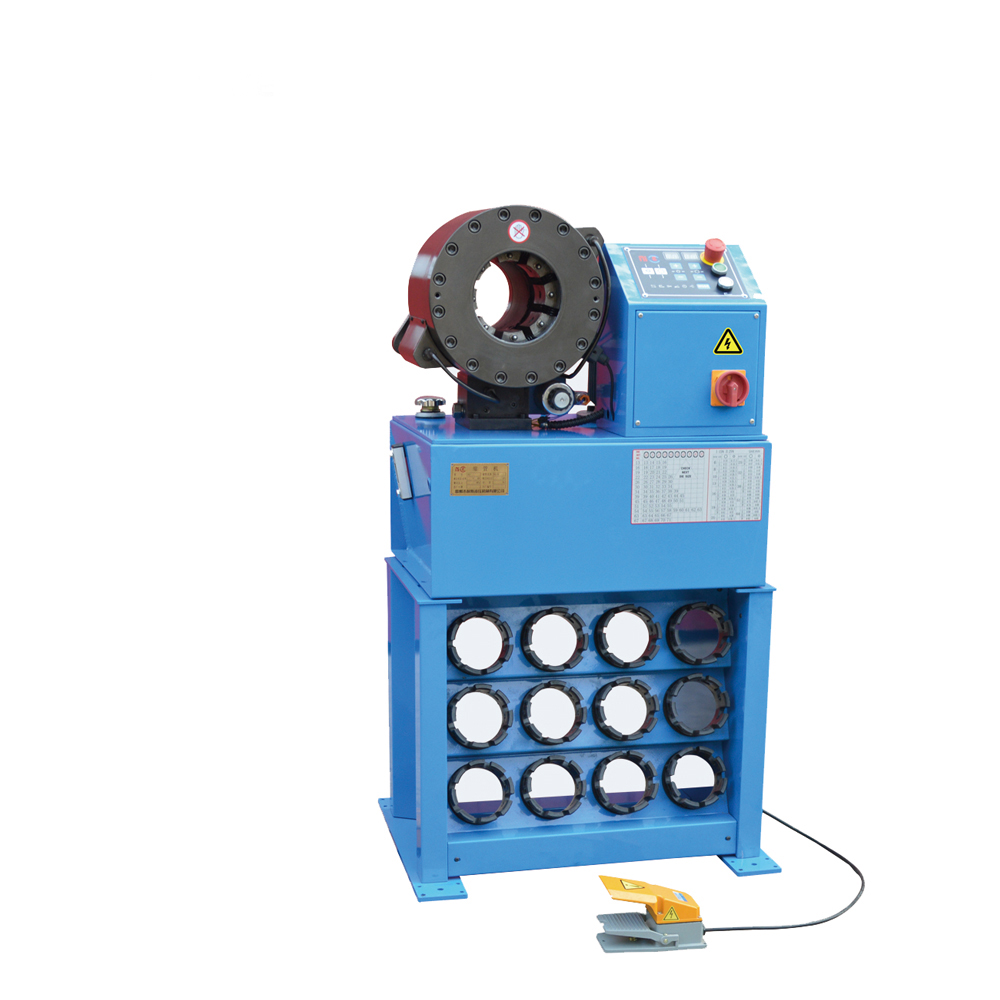
A: Proper crimping ensures a leak-free and mechanically secure connection between the hose and the fitting. Under-crimping can lead to leakage, while over-crimping can damage the hose reinforcement. Utilizing calibrated crimping equipment and following manufacturer's specifications are essential.
Q: What are the key considerations when specifying a hose for a high-temperature application?
A: Select an inner tube and cover material with a high temperature rating, such as FKM. Consider using a heat shield or insulation to further reduce heat exposure. Regular inspection for signs of hardening or cracking is also crucial.
Conclusion
The selection and implementation of wire braid hydraulic hose represent a critical engineering decision impacting system reliability and safety. Achieving optimal performance demands a comprehensive understanding of material properties, manufacturing processes, performance parameters, and potential failure modes. Prioritizing quality, adhering to industry standards, and implementing a robust preventative maintenance program are essential to maximizing hose lifespan and minimizing the risk of costly downtime and hazardous incidents.
Future trends in hydraulic hose technology are focused on developing lighter-weight materials, enhancing chemical resistance, and incorporating smart sensors for real-time condition monitoring. Furthermore, advancements in non-destructive testing methods will allow for more accurate assessment of hose integrity and proactive identification of potential failures. Continuous innovation in these areas will further enhance the reliability and efficiency of hydraulic systems across diverse industrial applications.