


high quality ss316 metal hose quotes Performance Analysis
Introduction
SS316 stainless steel metal hose assemblies represent a critical component in numerous industrial applications requiring robust fluid transfer under demanding conditions. These hoses, constructed from a specialized austenitic stainless steel alloy, are distinguished by their superior corrosion resistance, high temperature performance, and mechanical strength compared to alternative materials. Their position in the industry chain extends from core material production (stainless steel manufacturing) through hose fabrication (braiding, forming, end fitting attachment) to final integration within complex systems such as hydraulic machinery, chemical processing plants, and food & beverage production lines. Core performance characteristics include pressure containment, flexibility under stress, resistance to chemical attack, and long-term durability, directly impacting system reliability and operational safety. Procurement of these hoses necessitates detailed understanding of material grades, manufacturing processes, and performance specifications to ensure suitability for the intended application, minimizing the risk of premature failure and costly downtime. This guide provides an in-depth examination of SS316 metal hoses, focusing on the critical parameters influencing their performance and longevity.
Material Science & Manufacturing
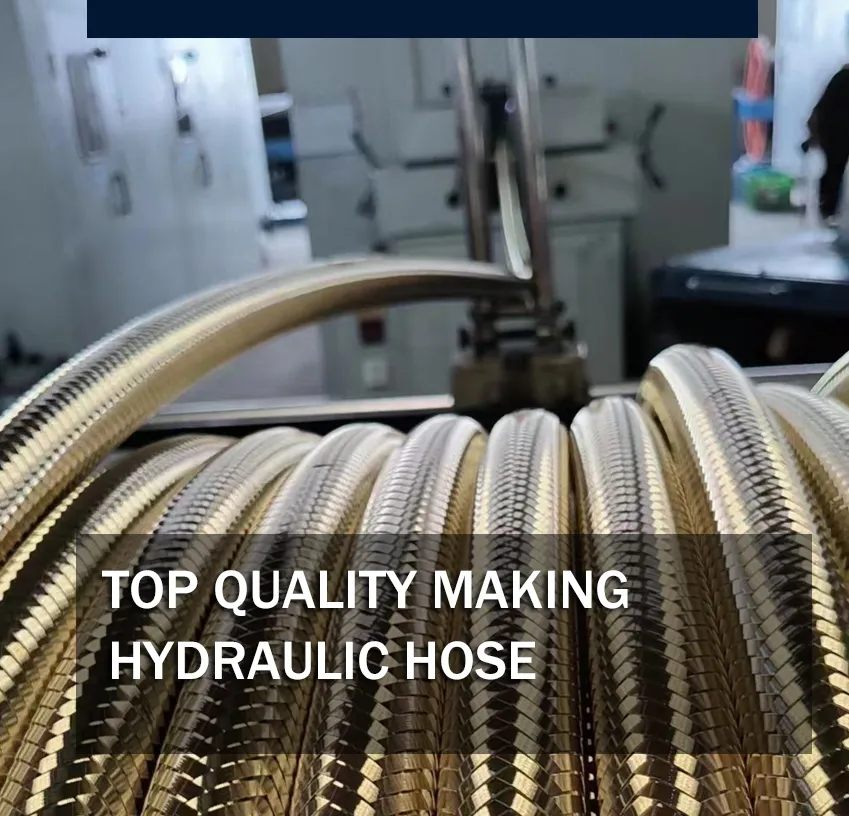
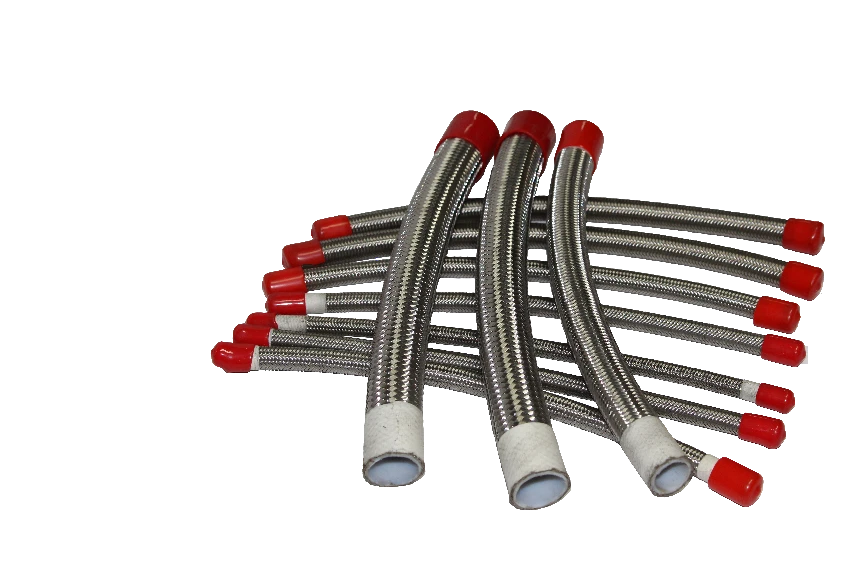
The foundation of a high-quality SS316 metal hose lies in the material’s composition and manufacturing processes. SS316 stainless steel, containing 16-18% chromium, 10-14% nickel, and 2-3% molybdenum, exhibits exceptional corrosion resistance, particularly to chlorides and other halides. The molybdenum addition is crucial, increasing resistance to pitting and crevice corrosion in saline environments. Raw material selection requires stringent control of chemical composition to meet ASTM A240 standards. Manufacturing typically involves several stages. First, a seamless or welded tube is formed from the SS316 alloy. Welded tubes undergo rigorous inspection for weld integrity, typically using radiographic testing. Subsequently, the tube is corrugated, increasing its flexibility. The corrugation profile (wavelength and height) is a critical parameter, influencing bending radius and pressure capacity. Following corrugation, a braided reinforcement layer, often constructed from SS316 wire, is applied to enhance burst pressure and prevent kinking. Braiding techniques—including single, double, and multiple layer braids—directly correlate with pressure rating. Finally, end fittings are attached via welding, crimping, or swaging, requiring precise control of welding parameters (current, voltage, shielding gas) to maintain corrosion resistance and structural integrity. Post-fabrication, pressure testing and leak detection are essential quality control measures, conforming to ISO 6802 standards.
Performance & Engineering
The performance of SS316 metal hoses is governed by a complex interplay of factors, including internal pressure, external bending, temperature, and media compatibility. Force analysis is critical in determining suitable hose configurations for specific applications. Internal pressure induces hoop stress in the hose wall, proportional to the radius and pressure magnitude. Braiding significantly enhances resistance to this stress, preventing ballooning and rupture. External bending generates bending stress, concentrated at the hose’s bend radius. Tight bend radii can lead to fatigue failure, necessitating careful selection of hose with appropriate flexibility and reinforcement. Environmental resistance is paramount. While SS316 excels in many corrosive environments, exposure to strong acids, concentrated alkalis, or specific halide solutions can lead to localized corrosion. Temperature significantly impacts material properties; elevated temperatures reduce yield strength and creep resistance. Operating temperatures should remain within the material’s specified limits. Compliance requirements vary by industry. For example, food & beverage applications demand compliance with FDA regulations (21 CFR 177.2600), ensuring the hose materials are non-toxic and do not leach contaminants. Hydraulic systems must adhere to SAE J517 standards, specifying pressure ratings and performance characteristics. Finite element analysis (FEA) is increasingly used to model hose behavior under complex loading conditions, optimizing design and predicting performance.
Technical Specifications
| Parameter | Unit | Typical Value (SS316) | Testing Standard |
|---|---|---|---|
| Working Pressure | PSI | Up to 6000 | SAE J517 |
| Burst Pressure | PSI | 3x Working Pressure | ISO 3165 |
| Temperature Range | °F | -200 to 600 | ASTM E831 |
| Corrugation Type | - | Single, Double | Customer Specification |
| Braiding Material | - | SS316 | ASTM A240 |
| End Fitting Material | - | SS316, Carbon Steel | ASTM A240, ASTM A588 |
Failure Mode & Maintenance
SS316 metal hoses, despite their robustness, are susceptible to several failure modes. Fatigue cracking, induced by repeated bending or pressure cycling, is a common issue, particularly at connection points. Crevice corrosion, occurring in shielded areas like under braiding or around end fittings, can be exacerbated by stagnant fluids. Pitting corrosion, initiated by localized defects or chloride attack, can penetrate the hose wall, leading to leaks. Oxidation at high temperatures can weaken the material, reducing its mechanical strength. Delamination of the braided reinforcement can compromise the hose's pressure containment capability. Maintenance strategies include regular visual inspections for signs of corrosion, cracks, or abrasion. Pressure testing should be performed periodically to verify integrity. Avoid exceeding the hose's pressure and temperature ratings. Properly support the hose to minimize bending stress. Flush the hose regularly to remove contaminants and prevent buildup. When replacing hoses, ensure compatibility with the fluid being conveyed. End fitting connections should be inspected for tightness and corrosion. Documentation of inspection and maintenance activities is crucial for tracking hose performance and identifying potential issues before they escalate.
Industry FAQ
Q: What is the impact of molybdenum content on the corrosion resistance of SS316 metal hose?
A: The molybdenum content (2-3%) in SS316 significantly enhances its resistance to pitting and crevice corrosion, particularly in chloride-containing environments. Molybdenum forms complex passivating layers that inhibit corrosion initiation and propagation, extending the hose's lifespan in aggressive media.
Q: How does the braiding pattern affect the pressure rating of a metal hose?
A: The braiding pattern directly influences the hose's pressure capacity. Single-layer braiding offers moderate pressure resistance, while double-layer braiding significantly increases it. Multiple layers provide the highest pressure ratings. The braiding angle and wire diameter also contribute to the overall strength.
Q: What are the key considerations when selecting end fittings for a SS316 metal hose?
A: End fitting material compatibility with the hose and conveyed fluid is crucial. SS316 fittings are preferred for maintaining corrosion resistance. The fitting connection method (welding, crimping, swaging) must be appropriate for the application and pressure rating. Correct fitting size and thread type are essential for leak-free operation.
Q: What is the effect of temperature on the performance of SS316 metal hoses?
A: Elevated temperatures reduce the yield strength and creep resistance of SS316. Operating temperatures should remain within the specified range (-200 to 600°F) to prevent premature failure. Prolonged exposure to high temperatures can also accelerate oxidation and corrosion.
Q: How can I prevent fatigue failure in SS316 metal hoses subjected to repeated bending?
A: Minimize bending radius to reduce bending stress concentration. Provide adequate support to prevent excessive flexing. Select hoses with a flexible corrugation profile. Avoid sharp bends and ensure smooth transitions. Regularly inspect for signs of cracking or wear at bending points.
Conclusion
SS316 metal hoses are indispensable components in a wide range of industrial applications, providing reliable fluid transfer under challenging conditions. Their superior corrosion resistance, mechanical strength, and temperature performance are directly attributable to the material composition and meticulous manufacturing processes employed. Proper selection, installation, and maintenance—guided by a thorough understanding of performance parameters, failure modes, and relevant industry standards—are critical for maximizing hose longevity and ensuring operational safety.
Continued advancements in material science and manufacturing techniques are driving improvements in SS316 metal hose performance, including the development of enhanced corrosion-resistant alloys and more durable braiding configurations. Future trends point towards increased use of FEA modeling for optimized designs and predictive maintenance strategies leveraging sensor technology to monitor hose condition in real-time. A commitment to quality control, adherence to international standards, and a proactive approach to maintenance will remain paramount for maintaining the integrity and reliability of these essential fluid transfer components.