


high quality resin hose pricelist Performance Analysis
Introduction
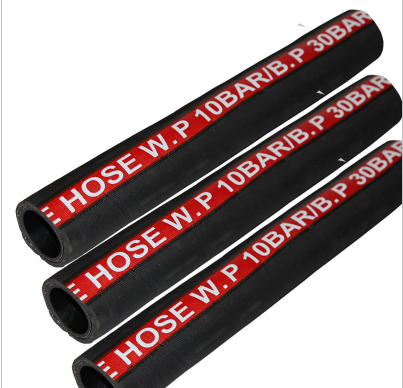
Resin hoses, specifically those engineered for high-performance applications, represent a critical component in fluid conveyance systems across diverse industries. These hoses are characterized by an inner liner composed of thermosetting resins, offering exceptional resistance to a broad spectrum of chemicals and temperatures. Their technical positioning within the industrial chain lies between the fluid source (pump, reservoir) and the application point (actuator, tool). Unlike traditional rubber hoses, resin hoses excel in applications demanding high purity, abrasion resistance, and compatibility with aggressive media. Core performance characteristics include pressure rating, temperature tolerance, chemical compatibility, burst pressure, and flexibility. The pricelist is dependent on material composition, reinforcement layers, hose diameter, length, and end fitting configurations. A key industry pain point is the consistent requirement for hoses able to handle increasingly aggressive fluids and sustained high pressures while maintaining dimensional stability and preventing permeation.
Material Science & Manufacturing
The core material of high-quality resin hoses is typically a thermosetting polymer, commonly polytetrafluoroethylene (PTFE), perfluoroalkoxy (PFA), or fluorinated ethylene propylene (FEP). PTFE boasts the highest chemical resistance and temperature tolerance (up to 260°C), but is less flexible. PFA offers improved flexibility while retaining excellent chemical resistance. FEP provides good electrical properties and is suitable for lower temperature applications. Reinforcement layers are crucial for pressure handling. These layers commonly utilize braided stainless steel (304 or 316 grade), aramid fiber (Kevlar), or high-tensile polyester. Manufacturing involves several key steps. First, the resin is melted and extruded through a die to form the inner liner. The reinforcement braid is then applied, followed by an outer cover, often constructed from polyurethane or polyethylene for abrasion resistance and environmental protection. Critical parameters during extrusion include die temperature, extrusion pressure, and cooling rate, which influence liner crystallinity and dimensional accuracy. Braid density and tension are tightly controlled to ensure consistent pressure ratings. Post-processing includes end fitting attachment (crimping, swaging, or threading) and rigorous quality control testing, including pressure testing and leak detection. Chemical compatibility tests are vital, confirming resistance to specific media.
Performance & Engineering
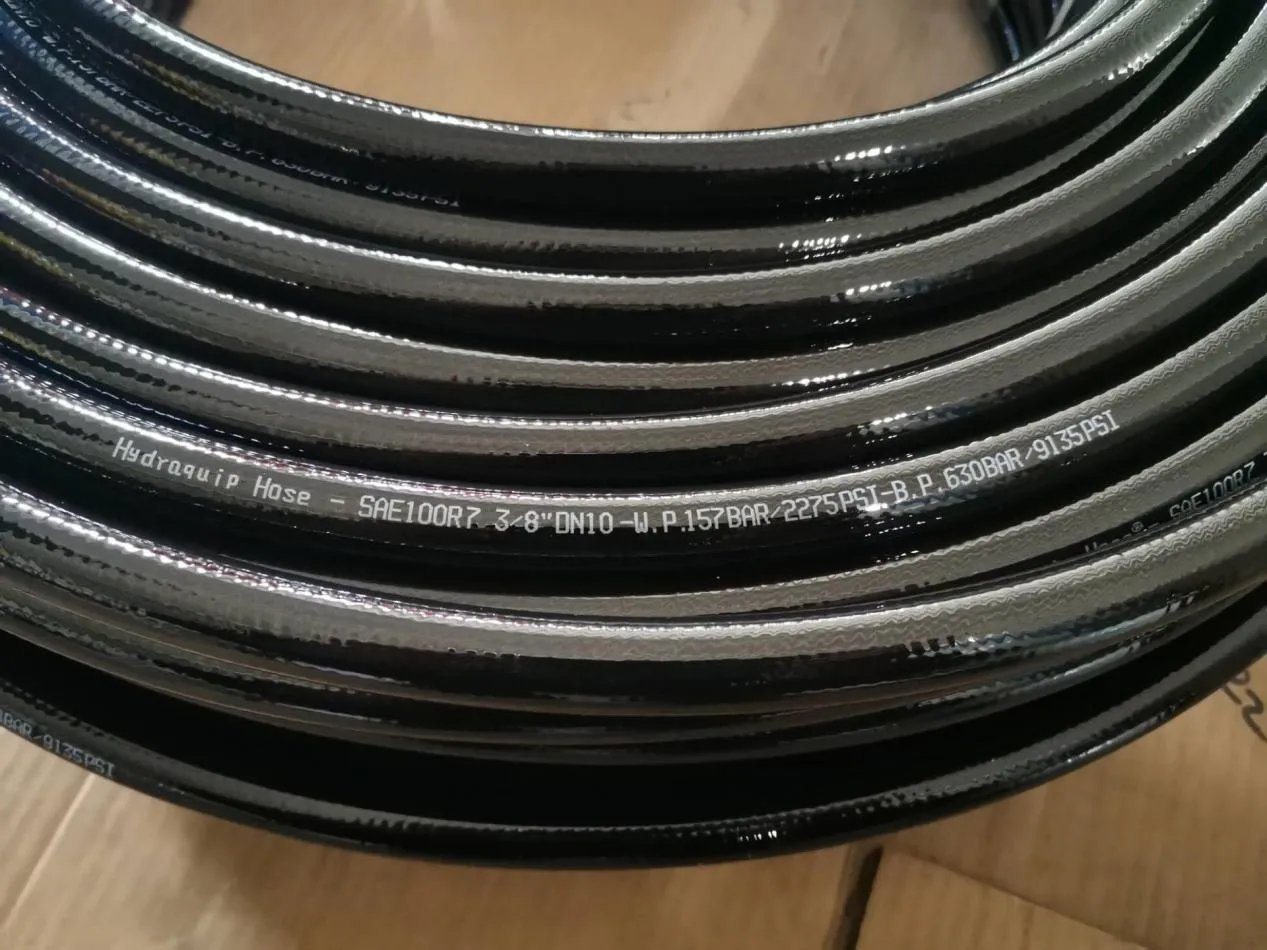
Performance analysis of resin hoses hinges on understanding stress-strain relationships and fluid dynamics. Force analysis under pressure considers hoop stress in the liner and axial stress in the reinforcement. Burst pressure is a critical metric, determined by the tensile strength of both the resin and reinforcement. Environmental resistance is paramount; prolonged exposure to UV radiation, ozone, and extreme temperatures can degrade the outer cover and compromise hose integrity. Compliance requirements vary by industry. For example, in the food & beverage industry, hoses must comply with FDA regulations (21 CFR 177.1550) for PTFE and related fluoropolymers. In the aerospace industry, hoses must meet stringent flammability, toxicity, and outgassing requirements (AMS standards). Functional implementation involves careful selection of end fittings to ensure leak-proof connections and compatibility with the fluid system. Hose flexibility is crucial for minimizing bending stress and preventing kinking, impacting operational life. Permeation rates, the rate at which fluids migrate through the hose wall, are also a key performance parameter, particularly for hazardous or highly regulated fluids. Finite Element Analysis (FEA) is employed during design to optimize hose geometry and reinforcement configuration for specific operating conditions.
Technical Specifications
| Parameter | Unit | PTFE Lined (Steel Braid) | PFA Lined (Steel Braid) |
|---|---|---|---|
| Operating Pressure | PSI | 3000 | 2500 |
| Burst Pressure | PSI | 9000 | 7500 |
| Temperature Range | °F | -100 to 500 | -60 to 450 |
| Chemical Compatibility | Rating (1-5, 5=Excellent) | 5 | 4.5 |
| Inner Diameter | inches | 0.25 - 4 | 0.25 - 3 |
| Outer Diameter | inches | 0.375 - 4.5 | 0.4375 – 3.5 |
Failure Mode & Maintenance
Common failure modes in resin hoses include fatigue cracking in the reinforcement, liner degradation due to chemical attack, permeation leading to fluid loss, and end fitting failure. Fatigue cracking arises from repeated pressure cycles, especially with excessive bending or flexing. Liner degradation occurs when the hose is exposed to incompatible chemicals, causing swelling, cracking, or leaching. Permeation is accelerated at higher temperatures and pressures. End fitting failures can result from improper crimping, corrosion, or material incompatibility. Failure analysis often involves microscopic examination of fractured surfaces to identify the root cause. Preventative maintenance includes regular visual inspection for signs of cracking, swelling, or abrasion. Pressure testing should be conducted periodically to verify hose integrity. Proper hose routing and support are essential to minimize bending stress. Avoid sharp bends and ensure adequate clearance from heat sources and abrasive surfaces. When handling aggressive chemicals, verify the hose’s compatibility with the specific fluid. Replace hoses immediately if any signs of damage are detected. Proper storage (cool, dry, and away from direct sunlight) is crucial to prevent premature degradation. Avoid coiling hoses too tightly, as this can induce stress and lead to cracking.
Industry FAQ
Q: What is the primary advantage of a PTFE-lined resin hose compared to a rubber hose in a hydraulic system using phosphate ester fluids?
A: Phosphate ester fluids are notoriously corrosive to many elastomers commonly used in rubber hoses. PTFE offers exceptional chemical inertness and is virtually unaffected by phosphate esters, preventing swelling, degradation, and contamination of the fluid. This translates to significantly extended hose life and reduced maintenance costs in these demanding applications.
Q: How does the braid construction impact the pressure rating and flexibility of a resin hose?
A: A tighter braid density and higher tensile strength braid material (e.g., stainless steel 316 vs. 304) increase the hose's pressure rating. However, a tighter braid also reduces flexibility. Therefore, the braid construction is a trade-off between pressure capacity and bend radius. Aramid fiber braids offer high strength with good flexibility but may be less resistant to abrasion than steel.
Q: What considerations should be made when selecting end fittings for a resin hose to ensure a leak-proof seal?
A: End fitting material must be compatible with both the hose material and the fluid being conveyed. Stainless steel fittings are generally recommended for PTFE and PFA hoses. The crimp or swage parameters must be precise to create a secure, leak-proof connection without damaging the hose liner. Consider using fittings designed specifically for resin hose to ensure proper sealing geometry.
Q: What are the key differences between PFA and FEP lined resin hoses, and in which applications is each preferred?
A: PFA offers higher temperature resistance and slightly better mechanical strength compared to FEP. FEP has superior electrical insulation properties and lower permeability. PFA is preferred for higher temperature hydraulic applications, while FEP is often used in applications requiring electrical isolation, such as semiconductor manufacturing.
Q: How can I determine if a resin hose is suitable for a specific chemical application?
A: Consult the hose manufacturer’s chemical compatibility chart. These charts provide a comprehensive listing of chemicals and their compatibility ratings with various hose materials. If the specific chemical is not listed, conduct a small-scale compatibility test by immersing a sample of the hose material in the chemical for a defined period and observing for any signs of swelling, discoloration, or degradation.
Conclusion
High-quality resin hoses are engineered solutions for demanding fluid conveyance applications where chemical resistance, temperature stability, and pressure handling are paramount. Their performance relies heavily on material selection (PTFE, PFA, FEP), reinforcement construction (braid type and density), and precise manufacturing control. Understanding the potential failure modes – fatigue cracking, chemical degradation, permeation – is critical for implementing effective preventative maintenance strategies.
The selection of the correct resin hose necessitates a thorough understanding of the application’s operational parameters and fluid compatibility requirements. Continued advancements in resin technology and manufacturing processes are driving improvements in hose performance and durability, enabling them to address increasingly challenging industrial applications. Prioritizing quality and compliance with relevant industry standards will ensure long-term reliability and minimize the risk of costly failures.