


high quality resin hose manufacturers Performance Analysis
Introduction
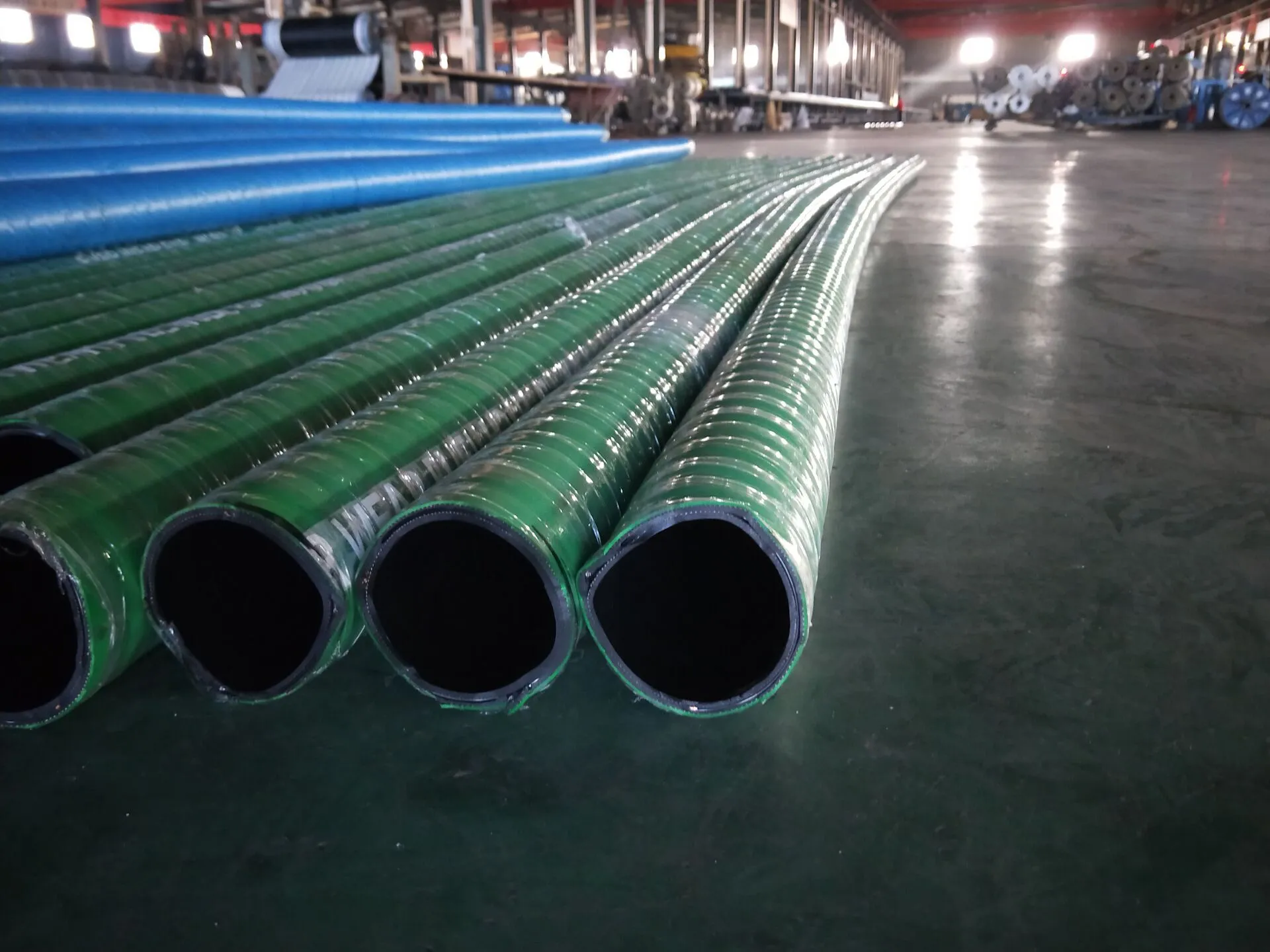
Resin hoses represent a critical component in a diverse array of industrial fluid transfer applications, ranging from chemical processing and pharmaceutical manufacturing to agricultural spraying and automotive coolant systems. Unlike traditional rubber or metal hoses, resin hoses leverage the unique properties of thermoplastic materials – specifically engineered resins – to deliver superior performance characteristics regarding chemical resistance, temperature tolerance, and weight reduction. This guide provides an in-depth technical exploration of high-quality resin hose manufacturing, covering material science, production methodologies, performance considerations, failure analysis, and industry standards. The core challenge in resin hose selection and implementation stems from understanding the nuanced compatibility between the hose material, the conveyed fluid, and the operational environment. Improper selection can lead to premature failure, costly downtime, and potential safety hazards. This document aims to equip engineers, procurement managers, and maintenance personnel with the knowledge to navigate these complexities and ensure optimal hose performance.
Material Science & Manufacturing
The foundation of a high-quality resin hose lies in the selection of appropriate thermoplastic resins. Commonly employed materials include Polyethylene (PE), Polypropylene (PP), Polyamide (Nylon), Polyvinylidene Fluoride (PVDF), and Polyurethane (PU). Each resin possesses distinct characteristics. PE offers excellent chemical resistance and low cost but has limited temperature capabilities. PP provides improved temperature resistance compared to PE, but its chemical resistance is narrower. Nylon exhibits high tensile strength and abrasion resistance, but is susceptible to hydrolysis. PVDF stands out for its exceptional chemical inertness and high-temperature performance, making it suitable for aggressive chemicals. PU provides flexibility and resistance to oils and fuels. The manufacturing process typically involves extrusion, where the resin is melted and forced through a die to create the hose profile. Key parameters include melt temperature, extrusion pressure, and cooling rate. Reinforcement layers – often constructed from textile braids (polyester, nylon) or wire helices (stainless steel) – are incorporated during or immediately after extrusion to enhance pressure resistance and prevent kinking. Post-extrusion processes include dimensional calibration, surface treatment (for improved adhesion of fittings), and rigorous quality control checks, including burst pressure testing, dimensional accuracy assessment, and chemical compatibility verification. Critical control points during manufacturing include maintaining consistent resin purity, ensuring proper reinforcement alignment, and preventing the introduction of voids or inclusions within the hose wall. The molecular weight distribution of the resin directly impacts the final mechanical properties; a narrower distribution generally leads to superior performance.
Performance & Engineering
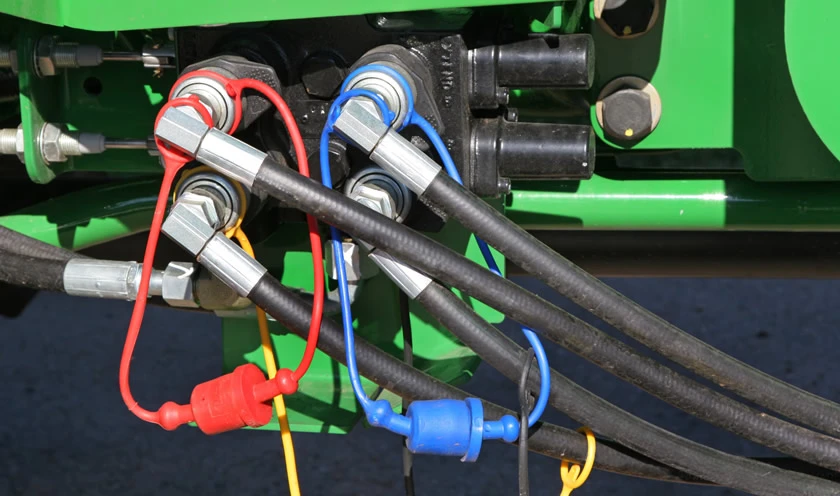
Resin hose performance is governed by a combination of material properties and engineering design. Burst pressure, defined as the pressure at which the hose fails catastrophically, is a critical specification. This is determined through hydrostatic testing, conforming to standards like ISO 3096. Tensile strength, measured in MPa or PSI, indicates the hose’s resistance to stretching and breaking under load. Elongation at break quantifies the amount of stretch before failure. Another key performance metric is flexibility, often assessed by bend radius – the minimum radius to which the hose can be bent without kinking or compromising flow. Environmental resistance is paramount. UV exposure can cause degradation in some resins, necessitating the incorporation of UV stabilizers. Temperature extremes can affect the hose’s flexibility and strength; operating temperature ranges are clearly defined for each resin type. Chemical compatibility is often the most significant performance factor. Resins react differently to various chemicals; a compatibility chart is crucial for proper selection. Fluid velocity and pressure drop must also be considered, especially in long hose runs. Computational Fluid Dynamics (CFD) analysis can be used to optimize hose diameter and minimize pressure losses. Finite Element Analysis (FEA) is used to predict stress distributions under different loading conditions, guiding reinforcement layer design and wall thickness optimization. Consideration must be given to electrostatic discharge (ESD) in applications involving flammable fluids, requiring the use of conductive resins or grounding measures.
Technical Specifications
| Parameter | Polyethylene (PE) | Polypropylene (PP) | Polyamide (Nylon) | Polyvinylidene Fluoride (PVDF) |
|---|---|---|---|---|
| Operating Temperature (°C) | -60 to 60 | -20 to 100 | -40 to 85 | -20 to 150 |
| Burst Pressure (PSI) | 200-500 | 400-800 | 800-1500 | 1000-2000 |
| Tensile Strength (MPa) | 10-20 | 20-30 | 60-80 | 40-60 |
| Chemical Resistance | Excellent to acids & bases | Good to many solvents | Poor to acids & bases | Excellent to almost all chemicals |
| UV Resistance | Poor (requires UV stabilizers) | Moderate | Moderate | Excellent |
| Typical Applications | Water transfer, low-pressure air | Chemical transfer, irrigation | Automotive coolant, fuel lines | High-purity chemical processing |
Failure Mode & Maintenance
Resin hose failures can manifest in several forms. Fatigue cracking, induced by repeated flexing and pressure cycles, is a common failure mode, particularly near fittings. Delamination, or separation of reinforcement layers, occurs when adhesion between the resin and reinforcement is compromised. Chemical attack, resulting from incompatibility between the hose material and the conveyed fluid, causes swelling, softening, or degradation of the resin. Oxidation, especially at elevated temperatures, leads to embrittlement and cracking. Abrasion, due to contact with abrasive surfaces, wears away the hose material. Kinking, caused by excessive bending, restricts flow and can lead to localized stress concentrations. Preventive maintenance is crucial. Regular visual inspections should identify signs of cracking, swelling, or abrasion. Pressure testing can detect leaks or weakening of the hose. Proper fitting installation – ensuring correct torque and utilizing compatible sealing materials – is essential. Avoid exceeding the hose’s specified operating pressure and temperature limits. Store hoses in a cool, dry place away from direct sunlight and harsh chemicals. When discarding a damaged hose, adhere to local environmental regulations for proper disposal. Implement a hose replacement schedule based on operating conditions and fluid compatibility, not just calendar time. Consider using hose guards in areas prone to abrasion.
Industry FAQ
Q: What is the best resin hose material for transferring concentrated sulfuric acid?
A: For concentrated sulfuric acid, PVDF is the most recommended resin due to its exceptional chemical inertness. While PTFE offers even better resistance, it is significantly more expensive. Polypropylene and polyethylene are wholly unsuitable due to rapid degradation. Careful consideration must be given to concentration and temperature, as even PVDF has limitations at very high concentrations and temperatures. Consider a reinforced PVDF hose with a minimum wall thickness specified by the acid supplier.
Q: How do I determine the correct burst pressure rating for my application?
A: The burst pressure rating should be at least 4:1 of the maximum operating pressure. This safety factor accounts for pressure spikes, surges, and material degradation over time. Consider any potential dynamic loads or water hammer effects that could increase the pressure transiently. Always check the hose manufacturer’s specifications and ensure the hose is rated for the specific fluid being conveyed.
Q: What is the impact of electrostatic discharge (ESD) on resin hose performance?
A: ESD can be a significant hazard when transferring flammable fluids. Resin hoses can build up static electricity during fluid flow. To mitigate this risk, use conductive resins (e.g., specially formulated PE or PP) or incorporate a grounding wire within the hose construction. Ensure proper grounding connections at both hose ends to dissipate any static charge. Follow relevant safety standards (e.g., NFPA 77) regarding ESD control.
Q: How does temperature affect the lifespan of a nylon hose used for coolant transfer?
A: Nylon is susceptible to hydrolysis, particularly at elevated temperatures. Continuous exposure to hot coolant can cause the nylon to absorb moisture, leading to a reduction in tensile strength and increased brittleness. Regularly monitor coolant temperature and ensure it remains within the hose’s specified operating range. Consider replacing nylon hoses more frequently in high-temperature applications or switching to a more hydrolysis-resistant material like PVDF.
Q: What steps can be taken to prevent kinking in a long run of small-diameter resin hose?
A: Kinking is often caused by bending the hose beyond its minimum bend radius. Support the hose along its length to prevent sagging and excessive bending. Use a reinforced hose construction with a helical wire to provide increased rigidity. Avoid sharp bends during installation. Increase the hose diameter to reduce flow velocity and pressure drop, minimizing the likelihood of kinking. Consider using hose support brackets at regular intervals.
Conclusion
The selection and application of high-quality resin hoses necessitate a comprehensive understanding of material properties, manufacturing processes, and operating conditions. Careful consideration of chemical compatibility, temperature limits, pressure ratings, and potential failure modes is paramount to ensure safe and reliable fluid transfer. Utilizing the principles outlined in this guide – from proper material selection based on the conveyed fluid to preventative maintenance procedures – will maximize hose lifespan, minimize downtime, and safeguard operational efficiency.
Future developments in resin hose technology will likely focus on enhanced materials with improved chemical resistance and temperature tolerance, as well as smarter hose designs incorporating sensors for real-time monitoring of pressure, temperature, and fluid flow. Adoption of advanced manufacturing techniques, such as 3D printing, may enable the creation of customized hose geometries optimized for specific applications. Continuous innovation in this field will be critical to meeting the evolving demands of industrial fluid handling.