


high quality nonconductive r7 hose service Performance Analysis
Introduction
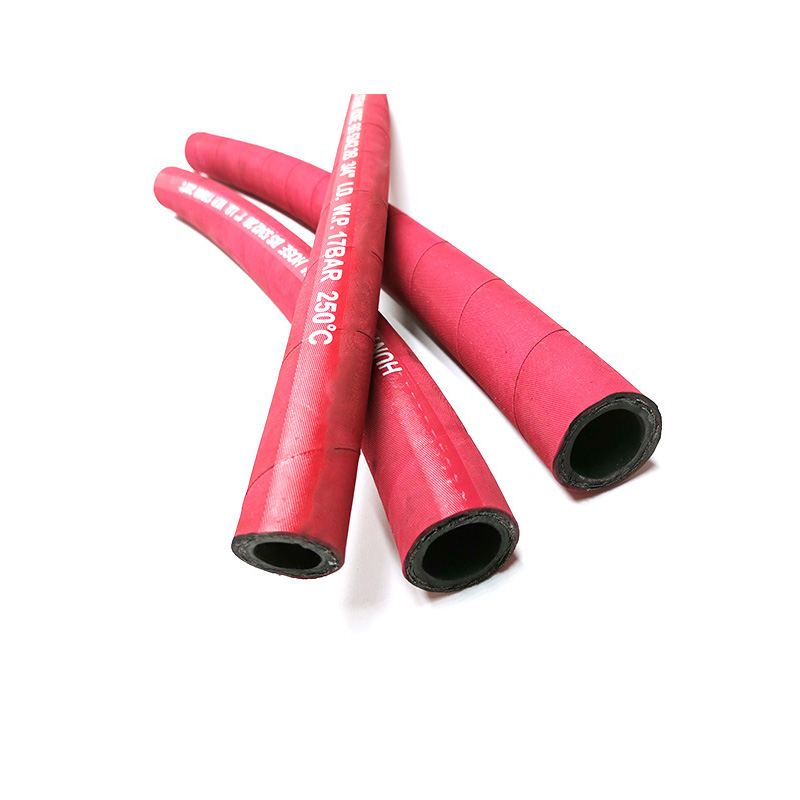
Non-conductive R7 hose represents a critical component in hydraulic systems demanding both high performance and electrical isolation. This technical guide details the engineering, material science, manufacturing, and operational considerations surrounding these hoses, primarily used in applications where contact with energized equipment or electrostatic discharge (ESD) poses a risk. The R7 designation refers to the Society of Automotive Engineers (SAE) standard 100R7, defining specifications for non-reinforced hydraulic hose. Unlike reinforced counterparts, R7 hoses rely on cover and tube integrity for pressure containment, making material selection and consistent manufacturing paramount. Core performance characteristics include burst pressure, working pressure, temperature range, and fluid compatibility, all of which dictate its suitability for diverse industrial applications, including mobile hydraulics, industrial machinery, and test equipment. The increasing demand for electrical safety in modern machinery drives the specialized requirement for non-conductive versions, incorporating materials with high electrical resistivity.
Material Science & Manufacturing
The construction of a high-quality non-conductive R7 hose involves multiple material layers, each contributing to overall performance. The inner tube typically consists of nitrile rubber (NBR) or ethylene propylene diene monomer (EPDM) rubber, chosen for their compatibility with a wide range of hydraulic fluids. NBR offers excellent resistance to petroleum-based oils, while EPDM exhibits superior resistance to water, steam, and phosphate ester fluids. The reinforcement layer, although absent in standard R7, is crucial in non-conductive variants to achieve necessary burst pressures without compromising electrical isolation. This is typically achieved using specialized textile braids – often polyester or nylon – treated with electrically insulating coatings. The cover, responsible for abrasion resistance and environmental protection, is typically constructed from a non-conductive synthetic rubber, often a blend of NBR and specialized polymers to enhance electrical resistivity.
Manufacturing begins with extrusion of the inner tube, followed by application of the textile braid, and finally, extrusion of the cover. Critical parameters during extrusion include die temperature, screw speed, and pressure to ensure dimensional accuracy and consistent material distribution. The braiding process must maintain uniform tension to prevent localized weaknesses. Post-extrusion, hoses undergo rigorous testing, including pressure testing, impulse testing, and electrical resistivity testing. The non-conductive properties are achieved by meticulous control of polymer formulations and the application of conductive barriers or coatings that are then specifically avoided in the targeted areas. Quality control relies heavily on statistical process control (SPC) to minimize variation and ensure adherence to stringent specifications. Curing time and temperature are also vital parameters as they dictate the final mechanical properties and cross-linking density of the rubber compounds. Inconsistent curing can lead to reduced tensile strength and premature failure.
Performance & Engineering
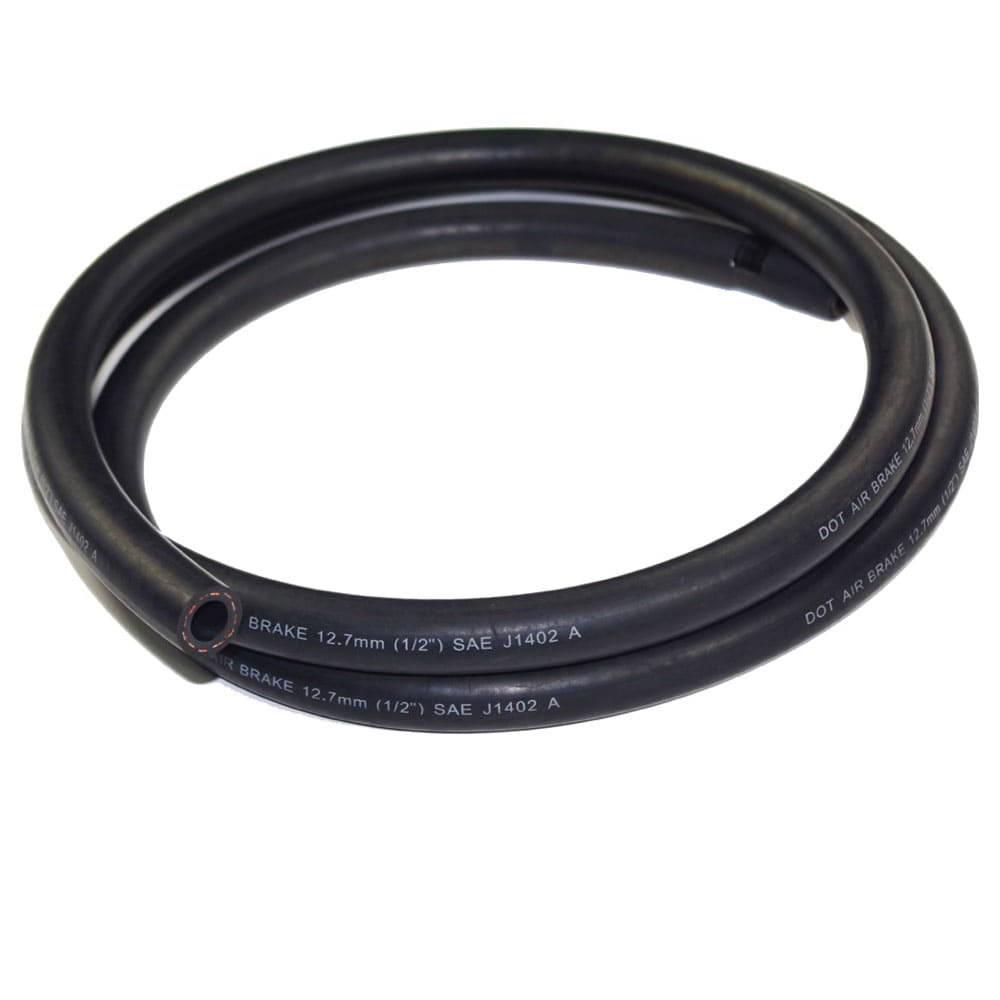
The performance of a non-conductive R7 hose is dictated by several engineering considerations. Force analysis centers around burst pressure, defined as the pressure at which the hose fails catastrophically, and working pressure, significantly lower to allow for a safety factor. These pressures are determined by the hose’s internal diameter and the tensile strength of the materials used. Impulse testing evaluates the hose’s ability to withstand repeated pressure surges without failure, a critical factor in hydraulic systems with pulsating flow. Environmental resistance is crucial; prolonged exposure to ozone, UV radiation, and extreme temperatures can degrade the rubber compounds, reducing their elasticity and strength. Chemical compatibility is another key aspect, requiring careful selection of materials based on the hydraulic fluid being used.
Electrical resistivity, the defining characteristic of non-conductive hoses, is typically measured in ohms per foot. Values exceeding 1 megohm per foot are generally considered adequate for most applications, preventing current leakage and minimizing the risk of electrical shock. Compliance requirements are dictated by industry standards, such as SAE 100R7 and relevant safety regulations. Functional implementation requires proper hose assembly, utilizing correctly sized fittings and ensuring secure crimping. Improperly assembled hoses are prone to leakage and failure. Bend radius is also crucial; exceeding the minimum bend radius can induce stress concentrations and lead to premature cracking. The design must consider static and dynamic loading conditions, accounting for potential vibrations and mechanical stresses.
Technical Specifications
| Parameter | Unit | Typical Value (NBR Tube/Polyester Braid/NBR Cover) | Test Standard |
|---|---|---|---|
| Working Pressure | psi | 1500 | SAE 100R7 |
| Burst Pressure | psi | 6000 | SAE 100R7 |
| Temperature Range | °F | -40 to +212 | SAE 100R7 |
| Electrical Resistivity | Ω/ft | >1 MΩ | ASTM D149 |
| Inner Diameter | in | 0.25 – 1.0 | SAE 100R7 |
| Outer Diameter | in | 0.43 – 1.38 | SAE 100R7 |
Failure Mode & Maintenance
Non-conductive R7 hoses, despite robust construction, are susceptible to several failure modes. Fatigue cracking, resulting from repeated bending and flexing, is a common issue, often initiating at the hose’s bend radius or near fittings. Delamination, the separation of layers, can occur due to inadequate bonding during manufacturing or exposure to incompatible fluids. Degradation, caused by ozone, UV radiation, or chemical attack, leads to reduced elasticity and cracking. Oxidation of the rubber compounds can also embrittle the hose. Pinholes can form due to abrasion or damage from external objects.
Preventative maintenance is crucial. Regular visual inspections should be conducted to identify cracks, bulges, or signs of degradation. Hoses should be replaced if any damage is detected. Proper storage is also important; hoses should be stored in a cool, dry place, away from direct sunlight and ozone sources. Avoid sharp bends and excessive twisting during installation. When handling hydraulic fluids, ensure compatibility with the hose materials. Regularly check fitting connections for leaks. If a hose rupture occurs, immediately shut down the system and replace the damaged hose. Implementing a routine hose replacement schedule based on operating hours and environmental conditions can minimize the risk of unexpected failures. For electrical issues, verify the integrity of the non-conductive layer with periodic resistivity testing.
Industry FAQ
Q: What is the primary benefit of using a non-conductive R7 hose over a standard R7 hose?
A: The primary benefit is enhanced safety in applications where electrical contact is possible. A non-conductive hose prevents current leakage and minimizes the risk of electrical shock, particularly important in mobile equipment or environments with potential electrostatic discharge.
Q: How is the electrical resistivity of a non-conductive R7 hose verified?
A: Electrical resistivity is verified through laboratory testing using a megohmmeter, applying a specified voltage and measuring the resistance in ohms per foot. The hose must meet a minimum resistivity threshold, typically exceeding 1 megohm per foot, to be considered non-conductive.
Q: What impact does temperature have on the performance of a non-conductive R7 hose?
A: Extreme temperatures can degrade the rubber compounds, reducing their elasticity and strength. High temperatures accelerate oxidation and chemical degradation, while low temperatures can cause the hose to become brittle and crack. Operating within the specified temperature range (-40 to +212°F) is crucial.
Q: Can a non-conductive R7 hose be used with all types of hydraulic fluids?
A: No. Fluid compatibility is critical. The inner tube material (NBR or EPDM) must be compatible with the specific hydraulic fluid being used. Incompatible fluids can cause swelling, softening, or cracking of the inner tube, leading to premature failure.
Q: What is the recommended service life of a non-conductive R7 hose?
A: The service life depends on operating conditions and application severity. A routine inspection and replacement schedule based on operating hours, environmental factors (temperature, UV exposure), and fluid compatibility is recommended. As a general guideline, hoses should be inspected annually and replaced every 5-7 years, or sooner if any signs of damage are observed.
Conclusion
Non-conductive R7 hoses represent a vital safety component in hydraulic systems demanding electrical isolation. Their performance is intricately linked to material science, precise manufacturing processes, and rigorous quality control. Understanding the potential failure modes and implementing a comprehensive preventative maintenance program are essential for ensuring long-term reliability and minimizing downtime. The specifications outlined in SAE 100R7 and adherence to best practices in hose assembly and operation are critical for realizing the full benefits of these specialized hoses.
The continued development of advanced polymer formulations and manufacturing techniques will likely lead to even more robust and reliable non-conductive R7 hoses in the future, capable of withstanding increasingly demanding operating conditions. Furthermore, advancements in non-destructive testing methods will enable more accurate assessment of hose integrity, improving predictive maintenance capabilities and reducing the risk of catastrophic failures. Proper material selection, informed by a thorough understanding of fluid compatibility and environmental factors, remains paramount to achieving optimal performance and service life.