


high quality durable rubber hydraulic hose quotes Performance Analysis
Introduction
Rubber hydraulic hoses are critical components in fluid power systems, transmitting hydraulic fluid to actuators and other devices. The reliability and lifespan of these hoses directly impact the efficiency and safety of the systems they serve. This guide focuses on high-quality, durable rubber hydraulic hose specification and evaluation, moving beyond simple price quotes to encompass material science, manufacturing processes, performance characteristics, failure modes, and relevant industry standards. The core challenge for procurement and engineering teams lies in correctly specifying hoses capable of withstanding application-specific pressures, temperatures, fluid compatibility, and operational stresses. This document provides a comprehensive technical overview to facilitate informed decision-making, minimize downtime, and ensure optimal system performance. We will delve into the nuances of hose construction, from reinforcement layers to cover compounds, exploring how these elements contribute to the overall durability and service life.
Material Science & Manufacturing
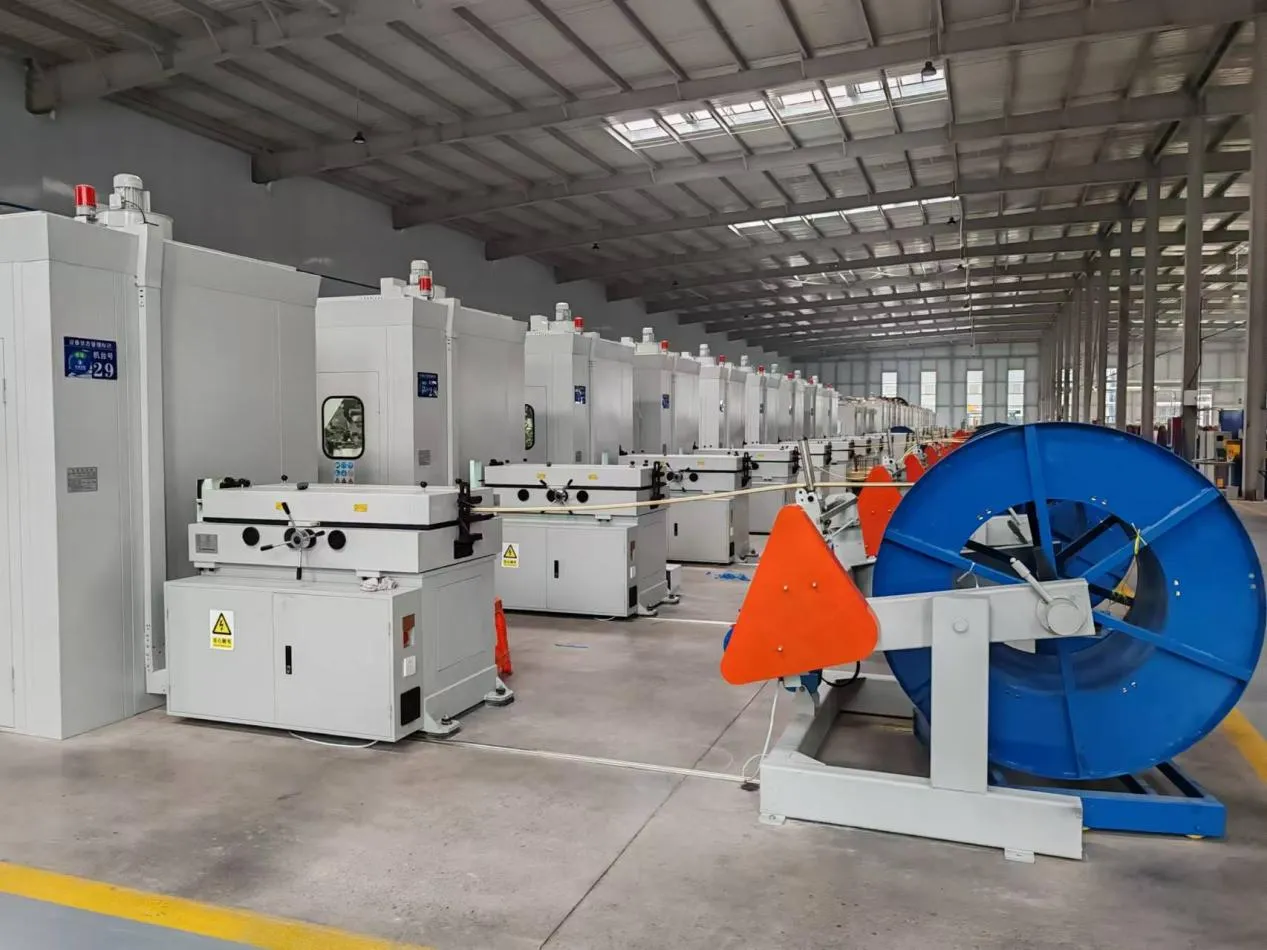
Rubber hydraulic hoses are typically constructed from multiple layers, each serving a specific function. The inner tube, in direct contact with the hydraulic fluid, is commonly composed of synthetic rubbers like nitrile (NBR), ethylene propylene diene monomer (EPDM), or fluorocarbon (FKM/Viton), chosen for their compatibility with the specific fluid used in the system. NBR provides good resistance to petroleum-based fluids, EPDM excels in phosphate ester compatibility and high-temperature resistance, and FKM/Viton offers superior resistance to a broader range of chemicals and extreme temperatures. The reinforcement layer, providing the hose's pressure resistance, is typically a braided or spiraled high-tensile steel wire. The number and configuration of these layers dictate the hose’s working pressure capacity. Manufacturing involves extrusion of the inner tube, followed by precise winding of the reinforcement layers. A bonding agent is critical during this process to ensure adhesion between the rubber and steel, preventing separation under pressure. Finally, the outer cover, typically a synthetic rubber like chloroprene (CR) or polyurethane (PU), provides abrasion, weather, and ozone resistance. Critical manufacturing parameters include extrusion temperature, curing time and temperature, winding tension, and bonding agent application. Inconsistent parameter control leads to defects like voids in the rubber, improper bonding, or uneven reinforcement distribution, significantly reducing hose lifespan. Material certifications (e.g., steel wire composition and tensile strength) and rigorous quality control procedures are paramount.
Performance & Engineering
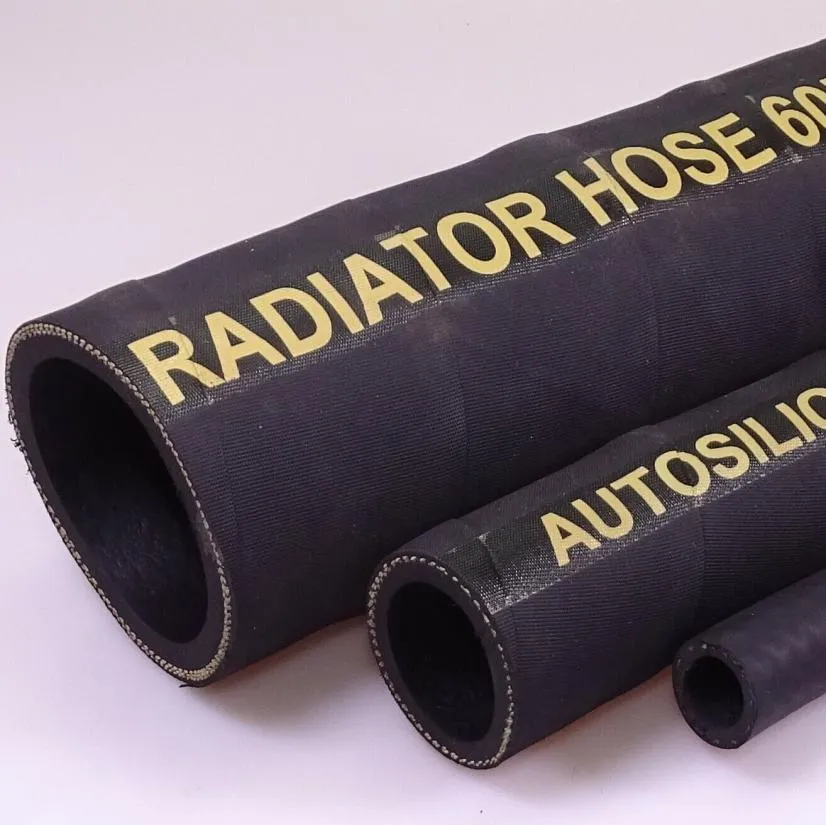
Hydraulic hose performance is dictated by several engineering considerations. Burst pressure, working pressure, and impulse pressure ratings are crucial. Working pressure is typically 50% of the burst pressure, representing the maximum sustained pressure the hose can safely handle. Impulse pressure, representing pressure spikes, requires even more robust hose construction. Hose bend radius is also critical. Exceeding the minimum bend radius induces stress concentration in the reinforcement layers, accelerating fatigue failure. Temperature range influences rubber flexibility and resistance to degradation. Exposure to extreme temperatures (both high and low) can compromise material properties. Fluid compatibility dictates the chemical resistance of the inner tube, preventing swelling, cracking, or leaching of materials. Abrasion resistance of the outer cover is vital in applications where the hose is exposed to rubbing or abrasive surfaces. Finite element analysis (FEA) is frequently used to model stress distributions within the hose under various loading conditions, optimizing reinforcement layer configuration and material selection. Compliance with industry standards (detailed in the footer) ensures adherence to minimum performance requirements and safety guidelines. Proper hose routing and support mechanisms are also essential to minimize stress and prevent premature failure. Selecting appropriate fittings and ensuring proper crimping are equally important to create a leak-free and durable connection.
Technical Specifications
| Parameter | Unit | Standard Grade Hose | Premium Grade Hose |
|---|---|---|---|
| Working Pressure | PSI | 2000 | 5000 |
| Burst Pressure | PSI | 8000 | 20000 |
| Temperature Range | °F | -40 to +212 | -65 to +250 |
| Inner Tube Material | - | NBR | FKM/Viton |
| Reinforcement | Layers | 2 Wire Braid | 4 Spiral Wire |
| Outer Cover Material | - | CR | Polyurethane |
| Minimum Bend Radius | inches | 6 | 8 |
Failure Mode & Maintenance
Common failure modes in rubber hydraulic hoses include burst failure due to exceeding pressure limits, fatigue cracking resulting from repeated bending and pressure cycling, abrasion of the outer cover leading to reinforcement exposure, and chemical degradation of the inner tube due to fluid incompatibility. Pinholes can develop in the inner tube due to corrosion or material defects. Hose twist, caused by improper installation or operation, introduces torsional stress, accelerating fatigue. Failure analysis often reveals root causes such as improper hose selection, inadequate maintenance, or exceeding operational limits. Regular visual inspections are crucial, checking for cracks, abrasions, blisters, or leaks. Hoses should be replaced immediately if any signs of damage are observed. Periodic pressure testing can identify potential weaknesses before catastrophic failure. Proper storage is also important; hoses should be stored in a cool, dry place away from direct sunlight and ozone sources. Avoid kinking or sharply bending hoses during storage. Maintaining a detailed hose replacement schedule based on operating conditions and service life is best practice. Preventive maintenance, including checking fitting connections and ensuring proper hose routing, can significantly extend hose lifespan and minimize downtime.
Industry FAQ
Q: What is the significance of the 'dash size' in hydraulic hose specifications?
A: The 'dash size' (e.g., -10, -12, -16) represents the internal diameter of the hose in sixteenths of an inch. A dash-12 hose has an internal diameter of 12/16ths of an inch, or 3/4 inch. This is a critical parameter for maintaining proper flow rate and minimizing pressure drop in the hydraulic system. Incorrect dash sizing can lead to cavitation, reduced efficiency, and potential damage to components.
Q: How does the reinforcement type (braided vs. spiral) affect hose performance?
A: Braided reinforcement, typically using multiple layers of wire braid, provides flexibility and is suitable for moderate pressure applications. Spiral reinforcement, with a single layer of high-tensile wire wound in a spiral, offers significantly higher pressure ratings and improved kink resistance but is generally less flexible. The choice depends on the application's pressure requirements and bend radius constraints.
Q: What is the impact of fluid compatibility on hose life?
A: Using a hose with an incompatible inner tube material can lead to swelling, softening, cracking, or leaching of the rubber, resulting in premature failure. It's crucial to verify that the hose material is specifically rated for the hydraulic fluid used in the system. Refer to chemical compatibility charts provided by hose manufacturers.
Q: What are the best practices for crimping hydraulic hose fittings?
A: Proper crimping is essential for a leak-free and durable connection. The crimp must create a sufficient deformation of the fitting sleeve onto the hose, ensuring a tight seal without damaging the reinforcement layers. Using the correct crimp die size, following the manufacturer’s specifications, and performing regular calibration of the crimping machine are crucial.
Q: How does temperature affect the performance of a hydraulic hose?
A: Extreme temperatures can significantly impact hose performance. High temperatures can accelerate rubber degradation and reduce pressure ratings. Low temperatures can decrease flexibility and increase the risk of cracking. Always select a hose with a temperature rating that exceeds the expected operating temperature range of the application.
Conclusion
Selecting the appropriate rubber hydraulic hose requires a thorough understanding of material science, manufacturing processes, and performance characteristics. Simply obtaining quotes without a detailed technical evaluation is a short-sighted approach that can lead to costly downtime and safety hazards. Focusing on key parameters such as working pressure, burst pressure, temperature range, fluid compatibility, and reinforcement type ensures the chosen hose meets the demands of the application. The premium grade hoses with superior materials, like FKM inner tubes and spiral wire reinforcement, offer significantly enhanced durability and longevity, justifying the initial investment when considering the total cost of ownership.
Ultimately, a collaborative approach between procurement, engineering, and hose suppliers is essential. Utilizing industry best practices, conducting regular inspections, and implementing a proactive maintenance program will maximize hose lifespan and contribute to the overall reliability and efficiency of hydraulic systems. Adherence to relevant international standards provides a baseline for quality and safety, ensuring consistent performance and minimizing the risk of failures.