


high impulse hydraulic hose product Performance Analysis
Introduction
High impulse hydraulic hose is a critical component in hydraulic systems designed to transmit fluid power under extreme pressure and dynamic conditions. Unlike standard hydraulic hose, high impulse hose is engineered to withstand repetitive pressure surges and fluctuations, characteristic of applications like heavy equipment, agricultural machinery, and construction vehicles. Its technical position within the industry chain lies between the hydraulic pump/valve and the hydraulic actuator (cylinder or motor). Core performance is defined by its working pressure, impulse pressure rating, temperature range, and fluid compatibility. The integrity of this hose directly impacts system efficiency, safety, and operational longevity. A failure in high impulse hose can lead to significant downtime, costly repairs, and potential safety hazards. Understanding its material composition, manufacturing processes, and failure modes is paramount for effective selection, installation, and maintenance.
Material Science & Manufacturing
The construction of high impulse hydraulic hose typically involves multiple layers, each contributing to its overall performance. The inner tube, in contact with the hydraulic fluid, is commonly manufactured from synthetic rubbers like nitrile (NBR), ethylene propylene diene monomer (EPDM), or fluorocarbon (FKM/Viton). NBR offers good resistance to petroleum-based fluids, EPDM excels in phosphate ester compatibility, and FKM provides superior chemical resistance and high-temperature performance. The reinforcement layer is the crucial element dictating impulse pressure resistance. This layer is composed of multiple plies of high-tensile steel wire, spirally wound or braided, providing the strength to withstand repeated pressure spikes. The number and configuration of these steel wire layers directly correlate to the hose’s pressure and impulse rating. An outer cover, usually made of synthetic rubber like polyurethane or neoprene, provides abrasion resistance, weather protection, and resistance to oil and ozone degradation.
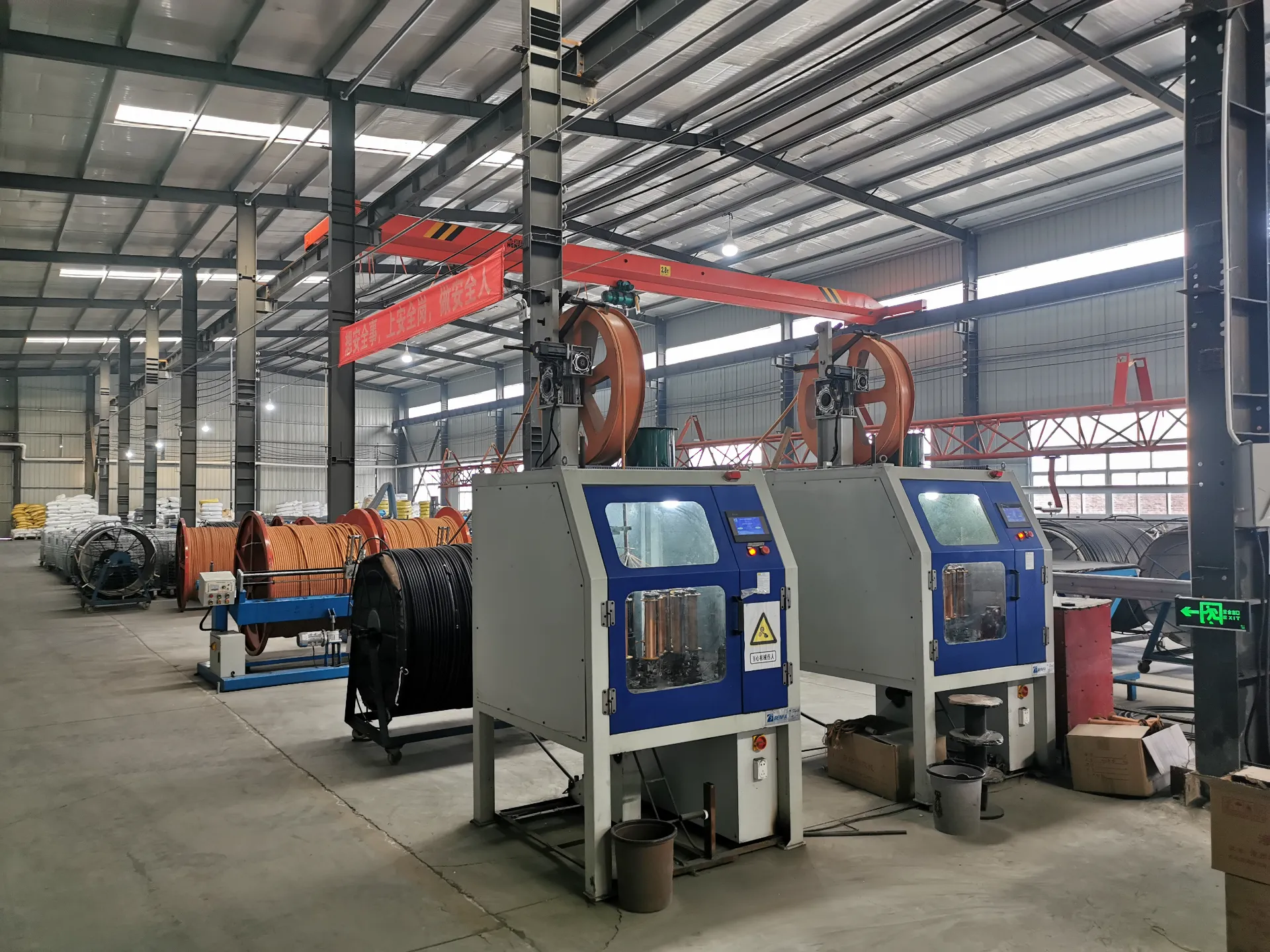
Manufacturing processes vary based on hose type, but generally include extrusion of the inner tube, spiraling or braiding of the reinforcement layers, and extrusion of the outer cover. Precise control of parameters during extrusion is vital – maintaining consistent rubber temperature, pressure, and screw speed ensures uniform wall thickness and material properties. Wire winding tension and helix angle are meticulously monitored to achieve the desired reinforcement density and flexibility. Post-extrusion processes involve curing (vulcanization) to crosslink the rubber compounds, enhancing their strength, elasticity, and chemical resistance. Quality control checks at each stage, including dimensional inspections, pressure testing, and material analysis, are essential to ensure compliance with industry standards and prevent premature failure.

Performance & Engineering
The performance of high impulse hydraulic hose is dictated by its ability to withstand both static and dynamic pressures. Static pressure refers to the continuous operating pressure, while impulse pressure represents the peak pressure resulting from sudden system shocks or reversals. Force analysis involves calculating the hoop stress within the hose wall under pressure, considering the reinforcement layer's contribution to tensile strength. Finite Element Analysis (FEA) is frequently employed to model stress distribution and identify potential weak points in the hose design. Environmental resistance is another critical factor. Exposure to extreme temperatures, UV radiation, ozone, and corrosive fluids can degrade the rubber compounds, reducing the hose’s flexibility and increasing the risk of cracking. Fluid compatibility must also be considered; incompatible fluids can cause swelling, softening, or chemical attack of the inner tube, leading to leaks and system failure.
Compliance requirements are governed by standards such as SAE J517 (Hydraulic Hose – Requirements for Performance), ISO 6899 (Rubber and plastics hoses and hose assemblies for hydraulic applications – Requirements for performance), and EN 856 (Rubber hoses and hose assemblies for hydraulic applications). These standards specify test methods for pressure testing, impulse testing, temperature range, and fluid resistance. Proper installation is crucial for optimal performance. Bending radius should adhere to manufacturer’s recommendations to prevent kinking and stress concentration. Hose assemblies must be securely clamped to fittings to prevent blow-off or leakage. Regular inspection and preventative maintenance are essential to identify and address potential issues before they escalate into major failures.
Technical Specifications
| Parameter | Unit | Specification Range (Typical) | Test Standard |
|---|---|---|---|
| Working Pressure | MPa | 20 – 42 | SAE J517, ISO 6899 |
| Impulse Pressure | MPa | 40 – 84 | SAE J517, ISO 6899 |
| Temperature Range | °C | -40 to +100 | SAE J517, ISO 6899 |
| Inner Tube Material | - | NBR, EPDM, FKM | ASTM D2000 |
| Reinforcement | - | Multiple Steel Wire Spirals/Braids | SAE J517 |
| Outer Cover Material | - | Polyurethane, Neoprene | ASTM D2000 |
Failure Mode & Maintenance
High impulse hydraulic hose is susceptible to several failure modes. Fatigue cracking, arising from repeated pressure cycles, is a common issue, typically initiating at areas of stress concentration (e.g., near fittings, kinks). Delamination, the separation of reinforcement layers from the rubber matrix, reduces the hose’s ability to withstand pressure. Degradation of the rubber compounds, caused by exposure to heat, ozone, or incompatible fluids, leads to loss of elasticity and increased susceptibility to cracking. Oxidation, particularly in unsaturated rubbers, results in hardening and embrittlement. Pinholes can develop in the inner tube due to abrasion from fluid contaminants or corrosion. Blow-offs occur when the hose separates from the fitting due to improper clamping or exceeding the pressure rating.
Preventative maintenance is crucial. Regular visual inspections should be conducted to identify signs of wear, cracking, blistering, or abrasion. Hose assemblies should be pressure tested periodically to verify their integrity. Ensure proper fluid cleanliness through filtration to minimize abrasive wear. Use compatible hydraulic fluids and avoid exceeding the hose’s pressure and temperature limits. Properly torque fittings according to manufacturer’s specifications. When replacing a hose, ensure the new hose meets or exceeds the original specifications. Damaged hoses should be replaced immediately; attempts to repair severely damaged hoses are generally discouraged due to the risk of catastrophic failure. Proper storage in a cool, dry, and dark environment can extend hose life.
Industry FAQ
Q: What is the primary difference between standard hydraulic hose and high impulse hydraulic hose?
A: The key difference lies in the reinforcement layer construction. High impulse hose utilizes multiple plies of high-tensile steel wire, spirally wound or braided, to withstand repetitive pressure surges and fluctuations, while standard hydraulic hose typically has fewer reinforcement layers and is designed for steady-state pressure applications. This difference directly impacts the hose’s ability to handle dynamic loading without failure.
Q: How does temperature affect the performance of high impulse hydraulic hose?
A: Extreme temperatures can significantly degrade the rubber compounds. High temperatures accelerate oxidation and reduce the elasticity of the rubber, leading to cracking and reduced pressure capacity. Low temperatures can cause the rubber to become brittle and less flexible, increasing the risk of cracking during bending. It's crucial to select a hose with a temperature range suitable for the application.
Q: What are the common causes of hose fitting failure in high impulse applications?
A: Common causes include improper torqueing of fittings, leading to loosening and leakage; corrosion of fittings; and the use of incompatible fitting materials. Also, exceeding the hose’s pressure rating stresses the fittings and can cause blow-off or fitting deformation. Regularly inspect fittings for signs of corrosion or damage and ensure proper torque specifications are followed.
Q: What is the role of fluid cleanliness in extending hose life?
A: Fluid contamination, particularly abrasive particles, is a major cause of hose failure. These particles act as an abrasive agent, wearing away the inner tube and reducing its wall thickness. This can lead to pinholes and leaks. Implementing a robust filtration system is critical to maintaining fluid cleanliness and extending hose life.
Q: How can I determine the correct impulse pressure rating for my application?
A: The impulse pressure rating should be significantly higher than the maximum expected pressure surge in the system. Consider the dynamic characteristics of the hydraulic system, including pump pulsations, valve switching speeds, and the presence of accumulators. Consult with a hydraulic engineer to accurately assess the pressure surge profile and select a hose with an adequate safety factor.
Conclusion
High impulse hydraulic hose is a specialized component demanding careful consideration of material science, manufacturing processes, and operational parameters. Its ability to reliably transmit fluid power under dynamic conditions is critical for the safe and efficient operation of demanding hydraulic systems. Selecting the appropriate hose based on pressure requirements, temperature range, fluid compatibility, and environmental factors is paramount. Regular inspection, preventative maintenance, and adherence to industry standards are vital to maximizing hose life and preventing catastrophic failures.
Future trends in high impulse hose technology focus on developing more durable and lightweight materials, enhancing chemical resistance, and incorporating smart sensors for real-time condition monitoring. Optimizing hose designs through advanced modeling and simulation techniques will further improve performance and reliability. The adoption of more sustainable materials and manufacturing processes is also gaining prominence, driven by environmental concerns and regulatory pressures. Continued innovation in this field will be essential to meet the evolving demands of increasingly complex hydraulic systems.