


Flexible Hydraulic Hose Definition and Performance Analysis

Introduction
Flexible hydraulic hose serves as a critical component in hydraulic systems, transmitting fluid power to actuate machinery across diverse industrial sectors including construction, agriculture, manufacturing, and aerospace. Unlike rigid piping, flexible hose accommodates movement, vibration, and misalignment between hydraulic pump/power unit and actuators. This guide provides a comprehensive technical overview of flexible hydraulic hose, detailing material science, manufacturing processes, performance characteristics, failure modes, and relevant industry standards. The core performance criteria revolve around pressure rating, temperature range, fluid compatibility, and burst strength, all of which dictate the suitability of a hose for a given application. A primary industry pain point is selecting the correct hose assembly – considering not just the hose itself, but also the fittings, crimping procedure, and potential for system contamination – to ensure reliable and safe operation, minimizing downtime and preventing catastrophic failures.
Material Science & Manufacturing
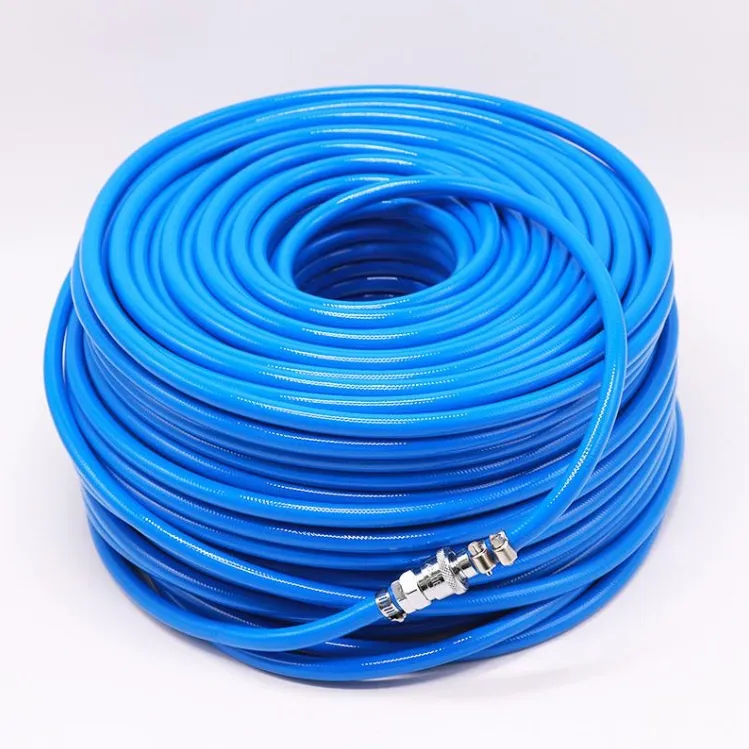
The construction of a flexible hydraulic hose typically involves four key layers: the inner tube, reinforcement layers, outer cover, and in some cases, a bonding layer. The inner tube, directly contacting the hydraulic fluid, is commonly composed of nitrile rubber (NBR) for compatibility with petroleum-based fluids, or fluoropolymers like PTFE (Teflon) for applications involving aggressive chemicals or high temperatures. NBR exhibits good abrasion resistance and cost-effectiveness, while PTFE offers superior chemical inertness and temperature resistance but at a higher cost. Reinforcement layers provide the hose’s pressure-bearing capability. These layers commonly consist of multiple braids of high-tensile steel wire. The number of braids directly correlates to the maximum working pressure; single braid hoses typically handle lower pressures compared to two, four, or six-braid constructions. A bonding layer, if present, adheres the reinforcement to the inner tube, enhancing durability and preventing separation under pressure. The outer cover provides abrasion, weathering, and oil resistance, typically utilizing synthetic rubbers like polyurethane or neoprene. Manufacturing processes involve extrusion of the inner tube and outer cover, followed by precise winding of the reinforcement layers. The final step is crimping the fittings onto the hose using specialized machinery, ensuring a leak-proof and mechanically secure connection. Critical parameters during manufacturing include precise control of material ratios, braid pitch, curing temperatures, and crimp force to achieve desired performance characteristics. Variations in these parameters can significantly impact hose lifespan and reliability.
Performance & Engineering
The performance of a flexible hydraulic hose is governed by several key engineering considerations. Burst pressure, a crucial safety parameter, is typically four times the working pressure. Working pressure is the maximum sustained pressure the hose can handle safely. Hose assemblies are subjected to rigorous impulse testing, simulating the cyclical pressure fluctuations inherent in hydraulic systems, to assess fatigue life. Temperature range is another critical factor, as both extremely high and low temperatures can degrade the hose materials, reducing flexibility and increasing the risk of failure. Fluid compatibility is paramount; incompatible fluids can cause swelling, softening, or cracking of the inner tube, leading to leaks and system malfunction. Bend radius is also critical – exceeding the minimum bend radius introduces stress concentrations, potentially leading to fatigue cracking. Furthermore, the hose must be able to withstand external loads such as abrasion, impact, and ozone exposure. Finite element analysis (FEA) is frequently employed during the design phase to optimize hose geometry and reinforcement configuration for specific applications, predicting stress distribution and identifying potential failure points. Compliance with industry standards, such as SAE J517 and EN 853, dictates minimum performance requirements and testing procedures.
Technical Specifications
| Hose Type | Working Pressure (PSI) | Burst Pressure (PSI) | Temperature Range (°F) |
|---|---|---|---|
| Single Braid NBR | 1500 | 6000 | -40 to 212 |
| Two Braid NBR | 2250 | 9000 | -40 to 212 |
| Four Braid NBR | 3000 | 12000 | -40 to 212 |
| Single Braid PTFE | 1000 | 4000 | -65 to 450 |
| Two Braid PTFE | 2000 | 8000 | -65 to 450 |
| Six Braid Hydraulic | 5000 | 20000 | -40 to 250 |
Failure Mode & Maintenance
Flexible hydraulic hoses are susceptible to various failure modes. Fatigue cracking, often initiated at the fitting crimp, results from repeated pressure cycling and flexing. Abrasion from external contact damages the outer cover, potentially exposing the reinforcement layers to corrosion. Ozone cracking, prevalent in environments with high ozone concentration, causes surface cracks in the rubber compounds. Internal abrasion occurs when abrasive particles within the hydraulic fluid erode the inner tube. Chemical degradation results from incompatible fluids attacking the hose materials. Fitting failure, encompassing loosening, corrosion, or improper crimping, leads to leaks. Maintenance practices are crucial to mitigate these failures. Regular visual inspections should identify signs of abrasion, cracking, and leaks. Hose assemblies should be replaced at scheduled intervals, determined by operating conditions and manufacturer recommendations. Proper fluid filtration is essential to minimize internal abrasion. Avoid exceeding the hose’s pressure and temperature ratings. Implement correct hose routing to prevent excessive bending and abrasion. When replacing a hose, ensure compatibility with the hydraulic fluid and system components. Crimping should always be performed by trained personnel using calibrated crimping equipment. Documenting hose replacement dates and inspection findings helps track performance and optimize maintenance schedules.
Industry FAQ
Q: What is the impact of impulse pressure on hose life?
A: Impulse pressure, or pressure spikes, creates cyclic stresses that accelerate fatigue failure. The higher the impulse pressure and frequency, the shorter the hose lifespan. Selecting a hose with a sufficient impulse rating for the application is critical. Using impulse hoses specifically designed with enhanced reinforcement can significantly extend service life in high-impulse systems.
Q: How does fluid temperature affect hose performance?
A: Elevated temperatures degrade rubber compounds, reducing their elasticity and strength, leading to premature failure. Low temperatures can cause the hose to become brittle and less flexible, increasing the risk of cracking. Always ensure the hose’s temperature rating exceeds the operating temperature range of the hydraulic fluid.
Q: What are the best practices for storing hydraulic hoses?
A: Hydraulic hoses should be stored in a cool, dry, and dark environment, away from direct sunlight, ozone sources, and extreme temperatures. Hoses should be coiled loosely to avoid kinking and stored horizontally to prevent distortion. Avoid stacking heavy objects on top of hoses.
Q: What is the importance of proper crimping?
A: Proper crimping is paramount for a leak-proof and reliable hose assembly. Insufficient crimping can result in leaks, while excessive crimping can damage the hose reinforcement. Crimping should be performed by certified technicians using calibrated equipment and following the fitting manufacturer’s specifications.
Q: Can I use different types of fittings on the same hose?
A: Generally, it is not recommended to mix fitting types (e.g., JIC and ORFS) on the same hose assembly. Different fitting designs have different sealing mechanisms and pressure ratings. Using incompatible fittings can create leak paths and compromise the integrity of the system. Always use fittings specifically designed for the hose and application.
Conclusion
Flexible hydraulic hose represents a complex yet essential component within numerous industrial applications. Its performance is intricately linked to material selection, precise manufacturing processes, and diligent adherence to operating parameters. The selection of appropriate hose construction – considering pressure, temperature, fluid compatibility, and environmental factors – is paramount to ensuring system reliability and safety. Understanding the potential failure modes and implementing proactive maintenance practices are crucial for maximizing hose lifespan and minimizing costly downtime.
Future advancements in flexible hydraulic hose technology will likely focus on the development of lighter-weight materials, improved abrasion resistance, and enhanced chemical compatibility. Smart hoses incorporating sensors for pressure, temperature, and leak detection are also emerging, enabling predictive maintenance and improved system monitoring. Continued innovation in hose materials and manufacturing techniques will be essential to meet the evolving demands of increasingly complex hydraulic systems.