


famous ptfe corrugated hose suppliers Performance Analysis
Introduction
Polytetrafluoroethylene (PTFE) corrugated hose represents a critical component in numerous industrial applications requiring fluid or gas transfer under demanding conditions. These hoses, supplied by specialized manufacturers, are characterized by their exceptional chemical inertness, high-temperature resistance, and flexibility. Positioned within the industrial chain between raw material suppliers (PTFE resin producers) and end-users (ranging from automotive to chemical processing), PTFE corrugated hose provides a reliable conduit for aggressive media where traditional rubber or metal hoses would fail. Core performance attributes include burst pressure, temperature range (-100°C to +260°C typical), and resistance to permeation. Addressing concerns around leakage, chemical compatibility, and long-term durability remains paramount for procurement and engineering teams.
Material Science & Manufacturing
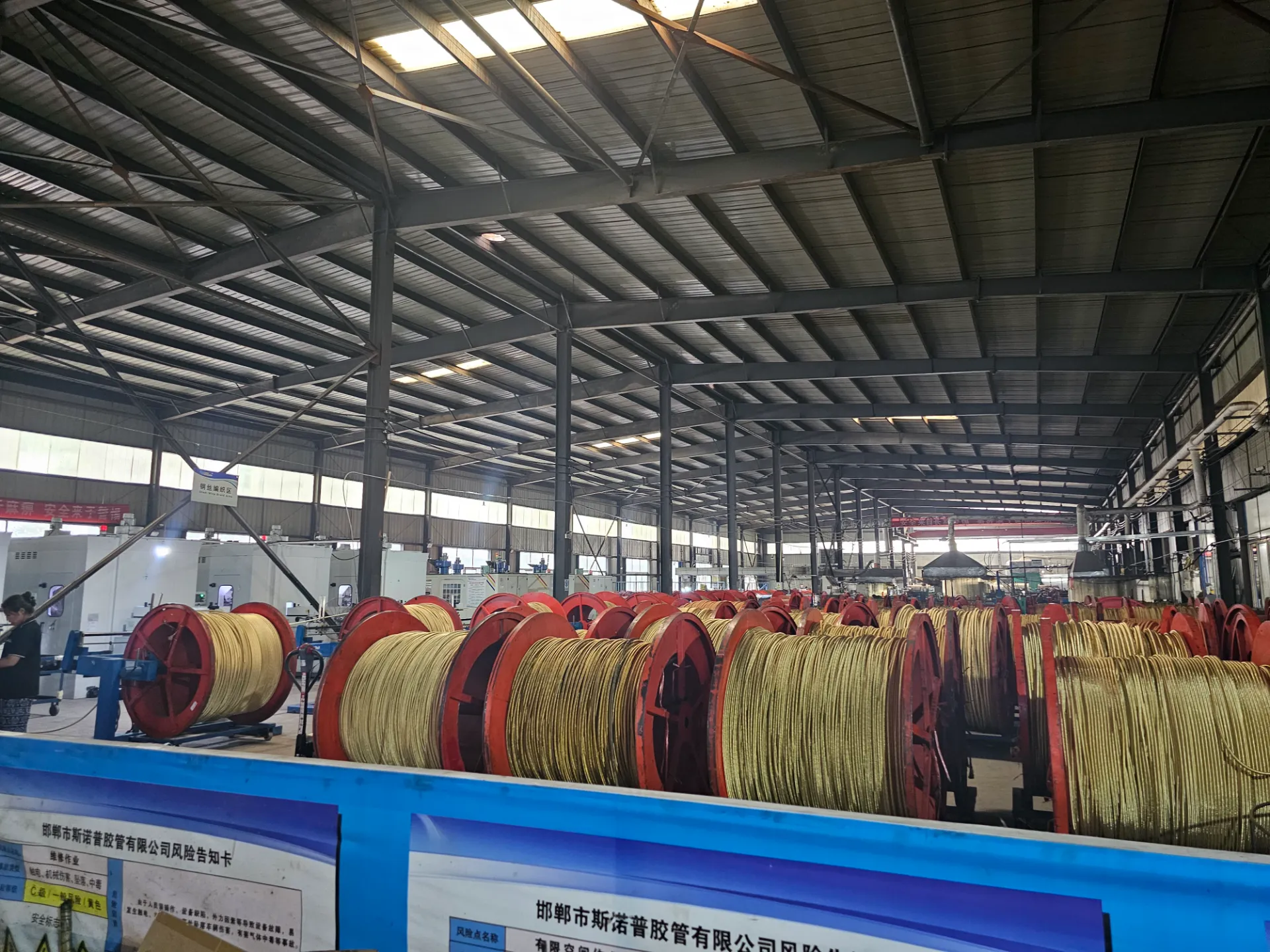
The fundamental material, PTFE, is a synthetic fluoropolymer of tetrafluoroethylene. Its exceptional properties stem from the strong carbon-fluorine bonds, rendering it highly resistant to chemical attack and possessing a very low coefficient of friction. Raw material selection is crucial; virgin PTFE resins offer superior performance compared to recycled or filled grades. The manufacturing of PTFE corrugated hose typically involves several stages: extrusion of a PTFE tube, followed by corrugation, often using specialized rolling or helical winding techniques. The corrugation process imparts flexibility. Subsequent sintering is essential to consolidate the PTFE structure and achieve dimensional stability. Key parameters include extrusion temperature (around 380°C), corrugation pitch and height, and sintering time/temperature profiles (typically 260°C for extended durations). Convolute geometry directly influences bend radius and burst pressure. Further processing may include the application of end fittings via crimping, swaging, or specialized bonding techniques. Material compatibility of end fittings (stainless steel 316 is common) with both the PTFE and the conveyed media is critical to prevent galvanic corrosion or localized degradation. Quality control involves dimensional inspection, pressure testing, and assessment of PTFE crystallinity.
Performance & Engineering
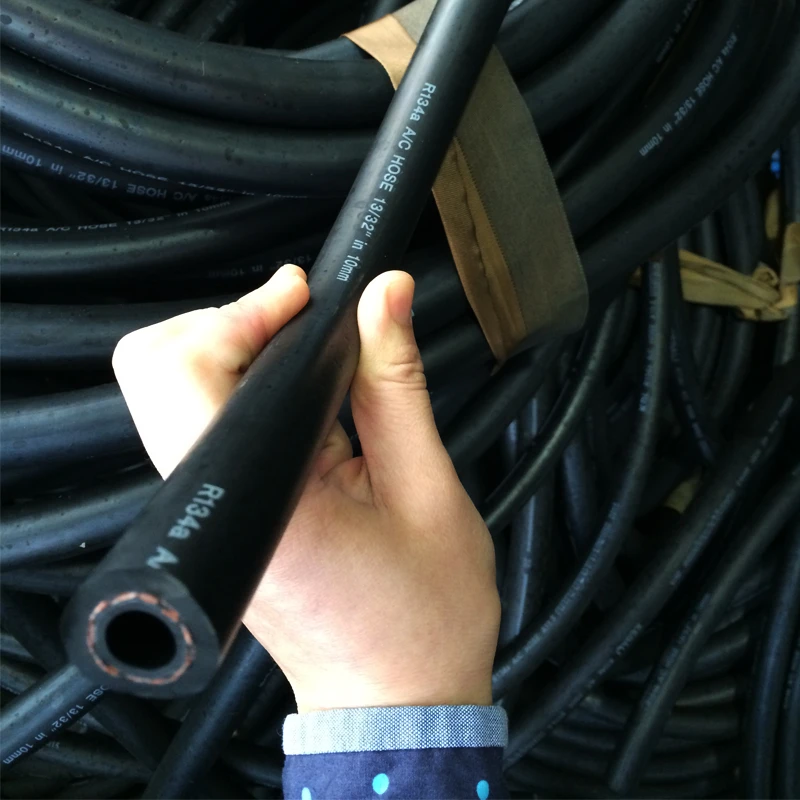
Engineering design of PTFE corrugated hose systems necessitates careful consideration of several factors. Firstly, pressure ratings must account for both static and dynamic loads, including surge pressures. Burst pressure, typically specified at a 4:1 safety factor, is a critical metric. Secondly, the bend radius impacts stress concentration within the PTFE corrugations. Smaller bend radii increase stress, potentially leading to fatigue failure. Finite element analysis (FEA) is often employed to optimize hose geometry and predict stress distribution. Thirdly, temperature extremes affect PTFE’s mechanical properties; while generally stable, prolonged exposure to high temperatures can cause creep and dimensional changes. Environmental resistance extends beyond chemical compatibility; UV exposure can lead to surface degradation, and repeated flexing can induce fatigue cracking. Compliance requirements vary by industry; for example, automotive applications require adherence to SAE J2044, while food & beverage applications demand FDA compliance. The hose’s ability to maintain its integrity under cyclical pressure and temperature fluctuations is key to long-term reliability. Understanding the conveyed media's chemical composition and potential for permeation is vital to material selection and minimizing environmental impact.
Technical Specifications
| Parameter | Unit | Typical Value | Test Standard |
|---|---|---|---|
| Operating Pressure | MPa | 10 | ISO 3167 |
| Burst Pressure | MPa | 40 | ISO 3167 |
| Temperature Range | °C | -100 to +260 | ASTM D348 |
| Minimum Bend Radius | mm | 150 | Manufacturer Specification |
| Tensile Strength | MPa | 20 | ASTM D638 |
| Elongation at Break | % | 150 | ASTM D638 |
Failure Mode & Maintenance
PTFE corrugated hose, despite its robustness, is susceptible to several failure modes. Fatigue cracking, induced by repeated flexing and pressure cycles, is common, particularly near end fittings or at points of high stress concentration. Permeation of aggressive chemicals can lead to material degradation and embrittlement over time. Creep, a time-dependent deformation under sustained load, is more pronounced at elevated temperatures. Delamination of PTFE layers can occur due to improper sintering or manufacturing defects. Oxidation, while slow, can occur at extremely high temperatures in the presence of oxygen. Preventive maintenance is crucial. Regular visual inspections should be conducted to identify cracks, abrasions, or swelling. Pressure testing should be performed periodically to verify hose integrity. Avoid sharp bends or excessive tension during installation and operation. Compatibility of the hose with the conveyed media must be verified. In the event of failure, the entire hose assembly should be replaced; repairs are generally not recommended due to the difficulty of achieving a reliable seal. Proper storage in a cool, dry environment away from direct sunlight can extend hose lifespan.
Industry FAQ
Q: What is the impact of PTFE fill materials (e.g., glass fiber) on hose performance?
A: While fillers like glass fiber can enhance PTFE’s mechanical strength and reduce creep, they also decrease chemical inertness and can introduce potential leak paths. Filled PTFE hoses are suitable for lower-pressure applications where increased stiffness is needed, but they are generally not recommended for highly corrosive environments.
Q: How does hose convolution geometry affect its flexibility and pressure rating?
A: Tighter convolutions (smaller pitch and height) increase flexibility but reduce pressure capacity. Wider convolutions provide higher pressure ratings but are less flexible. The optimal geometry depends on the specific application requirements and is often determined through FEA.
Q: What are the best practices for connecting PTFE corrugated hose to rigid piping systems?
A: Avoid direct welding to PTFE, as the heat can damage the polymer. Use compatible end fittings (stainless steel 316 is common) and ensure a proper seal. Expansion joints or flexible connectors should be incorporated to accommodate thermal expansion and contraction.
Q: What is the expected lifespan of a PTFE corrugated hose in a typical chemical processing environment?
A: Lifespan varies greatly depending on the conveyed media, temperature, pressure, and frequency of flexing. However, with proper maintenance and operating within specified limits, a lifespan of 5-10 years is achievable. Regular inspection is crucial.
Q: How does UV exposure affect PTFE corrugated hose, and what preventative measures can be taken?
A: Prolonged UV exposure can cause surface degradation and embrittlement of PTFE. Shielding the hose from direct sunlight with protective coverings or using UV-resistant coatings can significantly extend its lifespan. Dark-colored PTFE exhibits better UV resistance than lighter shades.
Conclusion
PTFE corrugated hose remains an indispensable component in numerous industries requiring reliable fluid transfer in challenging environments. Its exceptional chemical resistance, high-temperature capability, and flexibility make it superior to many alternative materials. However, achieving optimal performance and longevity necessitates a thorough understanding of material science, manufacturing processes, and potential failure modes. Careful consideration of operating conditions, proper installation practices, and regular maintenance are essential to maximize the service life and ensure the safe and efficient operation of PTFE corrugated hose systems.
Future developments in PTFE hose technology are focused on enhancing permeation resistance, increasing flexibility without compromising pressure ratings, and developing more sustainable manufacturing processes. Advancements in filler materials and polymer blending techniques promise to further improve hose performance and broaden application possibilities. Continuing research and development efforts are vital to address evolving industry demands and maintain the leading position of PTFE corrugated hose in critical industrial applications.