


famous polyurethane hose Performance Analysis
Introduction
Polyurethane hose represents a significant advancement in fluid conveyance technology, offering a robust alternative to traditional rubber hoses in a wide range of industrial applications. Positioned within the broader industrial hose segment, polyurethane hoses distinguish themselves through superior abrasion resistance, high pressure capabilities, and chemical compatibility. This guide provides an in-depth exploration of polyurethane hose, encompassing material science, manufacturing processes, performance characteristics, failure modes, and relevant industry standards. The core performance characteristics that drive adoption include flexibility at low temperatures, resistance to hydrolysis, and minimal permeability, addressing key pain points in sectors like hydraulics, pneumatics, chemical transfer, and material handling. Understanding these aspects is critical for procurement managers, engineers, and maintenance personnel seeking optimal hose solutions for demanding applications.
Material Science & Manufacturing
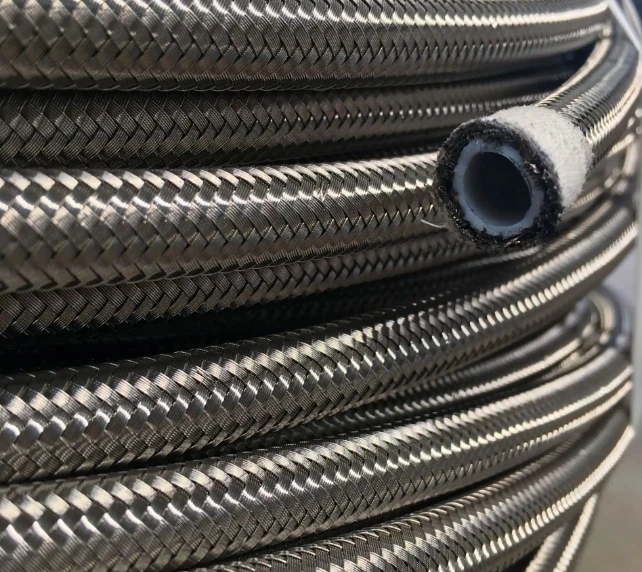
The foundation of polyurethane hose lies in the chemistry of polyurethanes – polymers created by the reaction of a polyol and an isocyanate. The specific properties of the final hose are heavily influenced by the choice of these raw materials and the manufacturing process employed. Commonly used polyols include polyester and polyether polyols, each conferring distinct characteristics. Polyester polyols generally exhibit superior abrasion resistance and tensile strength, while polyether polyols offer better hydrolysis resistance and flexibility at low temperatures. Isocyanates, such as MDI (methylene diphenyl diisocyanate) and TDI (toluene diisocyanate), dictate the polymer’s hardness and resistance to degradation. The manufacturing process typically involves extrusion. The polyurethane material is melted and forced through a die to create a seamless tube. Reinforcement layers, crucial for pressure handling, are incorporated during or after extrusion. These layers commonly consist of high-tensile textile braids (typically polyester or aramid fibers) or steel wire helices. Critical parameters during extrusion include temperature control (affecting viscosity and bubble formation), die pressure (influencing wall thickness uniformity), and cooling rate (dictating crystallization and mechanical properties). Post-extrusion processes include curing to optimize polymer crosslinking and dimensional stabilization, and quality control checks for defects like porosity or inconsistencies in reinforcement placement. Chemical compatibility is also intrinsically linked to the manufacturing process; additives are often incorporated to enhance resistance to specific chemicals, such as oils, solvents, or acids.
Performance & Engineering
The performance of polyurethane hose is fundamentally governed by its ability to withstand internal pressure, external loads, and environmental stressors. Force analysis during operation involves consideration of hoop stress (generated by internal pressure), longitudinal stress (resulting from pressure and end loads), and bending stress (induced by hose routing and movement). Finite element analysis (FEA) is often employed to optimize hose design and predict stress concentrations. Environmental resistance is a key factor, particularly in applications exposed to extreme temperatures, UV radiation, or harsh chemicals. Polyurethane’s resistance to hydrolysis – degradation caused by exposure to water – varies depending on the polyol used (polyether exhibiting superior resistance). Compliance requirements are application-specific. For hydraulic systems, hoses must meet standards like SAE J517 (defining pressure ratings and construction requirements). For food and beverage applications, materials must comply with FDA regulations regarding biocompatibility and leachability. Functional implementation considerations include bend radius (to prevent kinking and stress cracking), hose length (to minimize pressure drop and ensure proper reach), and fitting compatibility (ensuring a leak-proof seal). The selection of appropriate fittings—typically made from steel, stainless steel, or brass—is crucial for maintaining the hose’s integrity and preventing premature failure. Furthermore, electrostatic discharge (ESD) considerations are vital in applications where flammable fluids are handled, requiring the use of conductive polyurethane formulations to prevent static buildup.
Technical Specifications
| Parameter | Typical Value (Hydraulic Application) | Typical Value (Chemical Transfer) | Testing Standard |
|---|---|---|---|
| Working Pressure (PSI) | 4,000 - 6,000 | 200 - 500 | SAE J517, ISO 6897 |
| Burst Pressure (PSI) | 12,000 - 18,000 | 600 - 1500 | SAE J517, ISO 6897 |
| Temperature Range (°F) | -40 to 250 | -65 to 176 | ASTM D395 |
| Abrasion Resistance (Taber Abrasion Index) | 50 - 150 | 50 - 120 | ISO 7798-1 |
| Tensile Strength (PSI) | 4,000 - 6,000 | 3,000 - 5,000 | ASTM D412 |
| Elongation at Break (%) | 300 - 500 | 200 - 400 | ASTM D412 |
Failure Mode & Maintenance
Polyurethane hose, while durable, is susceptible to several failure modes. Fatigue cracking, often initiated at the bend radius, occurs due to repeated flexing under pressure. Delamination, the separation of reinforcement layers from the polyurethane matrix, can result from improper bonding during manufacturing or exposure to harsh chemicals. Hydrolytic degradation, as mentioned earlier, weakens the polymer structure, leading to cracks and eventual failure. Oxidation, particularly at elevated temperatures, causes embrittlement and loss of flexibility. Abrasion, despite polyurethane’s inherent resistance, can occur in applications involving abrasive materials or surfaces. Maintenance practices are crucial for extending hose life. Regular visual inspections should be conducted to identify signs of cracking, abrasion, or swelling. Pressure testing, using appropriate test equipment, can reveal hidden leaks or weaknesses. Avoid exceeding the hose’s maximum working pressure. Proper hose routing is essential to minimize bending stress and prevent kinking. Store hoses in a cool, dry place, away from direct sunlight and ozone sources. When replacing hoses, ensure compatibility with the fluid being conveyed and use only approved fittings. In the event of a suspected failure, immediately isolate the system and replace the hose. Implement a preventative maintenance schedule based on application severity and operating conditions.
Industry FAQ
Q: What is the primary advantage of polyurethane hose over rubber hose in hydraulic applications?
A: The primary advantage is significantly improved abrasion resistance. Rubber hoses are more susceptible to wear and tear from contact with abrasive fluids or surfaces, leading to premature failure. Polyurethane's higher hardness and resistance to erosion extend hose life, particularly in demanding hydraulic systems.
Q: How does temperature affect the performance of polyurethane hose?
A: Polyurethane’s performance is temperature-dependent. While it maintains flexibility at low temperatures (down to -40°F or lower with specialized formulations), excessive heat can cause softening and reduced pressure capacity. Continuous exposure to temperatures exceeding the specified maximum (typically 250°F) will accelerate degradation.
Q: Can polyurethane hose be used with corrosive chemicals?
A: Compatibility with corrosive chemicals varies significantly depending on the specific chemical and the polyurethane formulation. While many polyurethane hoses offer good resistance to common oils and solvents, prolonged exposure to strong acids, bases, or oxidizing agents can cause swelling, cracking, or degradation. It’s crucial to consult a chemical resistance chart before using polyurethane hose with any corrosive substance.
Q: What is the importance of reinforcement in polyurethane hose?
A: Reinforcement layers are critical for withstanding internal pressure. Without reinforcement, a polyurethane hose would burst at relatively low pressures. Textile braids or steel wire helices provide the tensile strength necessary to contain pressurized fluids and prevent hose expansion or rupture. The type and density of reinforcement directly influence the hose’s pressure rating.
Q: How often should polyurethane hose be replaced in a typical industrial application?
A: The replacement frequency depends heavily on the application’s severity. A general guideline is to inspect hoses every 6-12 months and replace them if any signs of damage (cracking, abrasion, swelling) are observed. High-pressure applications or those involving abrasive fluids may require more frequent replacement. Implementing a preventative maintenance program is recommended.
Conclusion
Polyurethane hose offers a compelling combination of performance characteristics – abrasion resistance, pressure capability, and chemical compatibility – making it a preferred choice in a diverse array of industrial applications. Understanding the underlying material science, manufacturing processes, and potential failure modes is crucial for selecting the appropriate hose for a specific application and ensuring long-term reliability. Proper maintenance and adherence to industry standards are equally vital for maximizing hose lifespan and preventing costly downtime.
The continued development of polyurethane formulations and manufacturing techniques promises to further enhance hose performance and expand its applicability. Future trends include the development of bio-based polyurethanes for increased sustainability, smart hoses with embedded sensors for real-time monitoring, and tailored formulations optimized for specific chemical environments. These advancements will solidify polyurethane hose's position as a cornerstone of fluid conveyance technology.