


famous high temperature resistant ptfe hose service Performance Analysis
Introduction
High Temperature Resistant PTFE Hose represents a critical component in numerous industrial applications requiring fluid transfer under extreme thermal and chemical conditions. Positioned within the broader industrial hose market – encompassing rubber, thermoplastic, and metal hose assemblies – PTFE hose distinguishes itself through its exceptional performance characteristics. This guide provides an in-depth technical analysis of PTFE hose construction, material science, performance parameters, failure modes, and relevant industry standards. Core performance metrics center on maintaining fluid integrity, pressure containment, and dimensional stability at elevated temperatures, often exceeding the capabilities of alternative hose materials. The demand for these hoses is driven by increasing process temperatures and aggressive media encountered in sectors like chemical processing, oil & gas, aerospace, and automotive manufacturing. Addressing common industry challenges such as permeation, thermal expansion, and corrosion resistance is paramount in selecting and implementing the appropriate PTFE hose assembly for a given application.
Material Science & Manufacturing
PTFE (Polytetrafluoroethylene) itself is a synthetic fluoropolymer renowned for its near-universal chemical resistance, low coefficient of friction, and a wide operating temperature range (-200°C to +260°C). The raw material, PTFE resin, is typically produced through the polymerization of tetrafluoroethylene. The quality and molecular weight distribution of the PTFE resin directly influence the final hose properties. Manufacturing high temperature PTFE hose typically involves several key processes. First, PTFE resin is sintered – heated to a temperature just below its melting point – to fuse the particles together without fully melting. This creates a porous PTFE tube. Extrusion is then employed to shape the sintered PTFE. Reinforcement layers, often constructed from stainless steel braid (Type 304 or 316), are crucial for pressure containment and dimensional stability. The braid is applied over the PTFE tube, followed by an outer protective layer, which can vary depending on the application. Common outer layers include woven fabrics, fluoropolymer films, or other engineered polymers. Critical parameters during manufacturing include precise braid coverage, consistent sintering temperatures, and careful control of extrusion pressures. Improper sintering can lead to porosity, compromising the hose's barrier properties and pressure rating. Variations in braid density can affect flexibility and burst pressure. Post-processing steps, such as skiving (reducing the outer diameter at the hose ends for fitting attachment) and cleaning, are also essential for ensuring proper assembly and performance. The chemical compatibility of all materials (PTFE, braid, outer layer, and fitting materials) is vital to prevent degradation and maintain long-term reliability.

Performance & Engineering
The performance of high temperature PTFE hose is dictated by several engineering considerations. First, burst pressure is a critical parameter, determined by the PTFE tube wall thickness and the reinforcement braid's strength and construction. Calculations involve hoop stress analysis, accounting for internal pressure and temperature. Thermal expansion is another significant factor. PTFE exhibits a relatively high coefficient of thermal expansion, which must be accommodated in the hose assembly design to prevent stress and potential failure. This is often achieved through the use of flexible end fittings or expansion joints. Permeation – the diffusion of fluids through the hose wall – is particularly important when handling hazardous or high-purity chemicals. PTFE offers excellent permeation resistance, but it's not absolute. Permeation rates are influenced by temperature, pressure, and the chemical properties of the fluid. Flexibility is often a trade-off with pressure rating. Hoses with thicker walls and higher braid coverage generally offer higher pressure capabilities but are less flexible. Static electricity dissipation is also a concern, particularly in flammable environments. Conductive PTFE formulations or the incorporation of conductive layers within the hose construction can address this issue. Compliance requirements vary by industry and application. For example, in the food and beverage industry, hoses must comply with FDA regulations regarding food contact materials. In aerospace, hoses must meet stringent flammability and outgassing requirements. Proper fitting selection and installation are critical to ensure a leak-free and reliable connection. Fittings must be compatible with PTFE and the conveyed fluid and should be crimped or swaged according to manufacturer specifications.
Technical Specifications
| Parameter | Unit | Typical Value (Standard Grade PTFE) | Enhanced Temperature Grade PTFE |
|---|---|---|---|
| Operating Temperature Range | °C | -100 to +260 | -100 to +315 |
| Burst Pressure (1" ID Hose) | psi | 3000 | 4500 |
| Working Pressure (1" ID Hose) | psi | 1000 | 1500 |
| Tensile Strength | MPa | 20 | 25 |
| Elongation at Break | % | 150 | 200 |
| Permeation Rate (Ethanol, 23°C) | g/m²/day | <0.1 | <0.05 |
Failure Mode & Maintenance
PTFE hose, despite its robust properties, is susceptible to certain failure modes. Fatigue cracking, particularly at the bend radius or near fitting connections, can occur due to repeated flexing and pressure cycling. Delamination, the separation of layers within the hose construction, can be caused by improper manufacturing or exposure to incompatible fluids. Degradation of the PTFE resin itself can occur at extremely high temperatures or in the presence of certain aggressive chemicals (e.g., molten alkali metals). Oxidation, though less common, can also lead to material embrittlement. Swelling, caused by absorption of certain fluids, can alter the hose's dimensions and reduce its pressure rating. Preventative maintenance is crucial. Regular visual inspections should be conducted to check for signs of cracking, abrasion, or swelling. Hose assemblies should be replaced at intervals determined by the severity of the application and the manufacturer's recommendations. Proper installation, avoiding sharp bends and excessive strain, is essential. Before installing a new hose, it should be flushed thoroughly to remove any debris or contaminants. Avoid exposure to incompatible chemicals. If a hose shows any signs of damage, it should be immediately removed from service. Record-keeping of hose installations, inspection dates, and replacements can help track performance and identify potential issues. Fittings should also be inspected for corrosion or damage and replaced as needed.
Industry FAQ
Q: What is the impact of different PTFE resin grades on hose performance?
A: Different PTFE resin grades offer varying levels of thermal stability, chemical resistance, and mechanical properties. Modified PTFE resins, such as filled PTFE, can enhance wear resistance and reduce creep. Virgin PTFE offers the highest purity and is preferred for critical applications involving high-purity fluids. Selecting the appropriate resin grade is crucial for meeting the specific demands of the application.
Q: How does the stainless steel braid affect the hose's pressure rating and flexibility?
A: The stainless steel braid provides the primary pressure containment. A higher braid density and finer wire diameter increase the pressure rating but generally reduce flexibility. The type of braid weave (e.g., single, double, helical) also influences flexibility and pressure handling. Careful consideration must be given to balancing these factors based on the application requirements.
Q: What are the limitations of PTFE hose regarding chemical compatibility?
A: While PTFE offers exceptional chemical resistance, it's not universally compatible with all chemicals. Molten alkali metals, fluorinated compounds, and certain strong acids can cause swelling or degradation. It’s critical to consult a chemical compatibility chart before selecting a PTFE hose for a specific application. Permeation can also occur with certain chemicals, even if the material is generally resistant.
Q: How do I determine the appropriate bend radius for a PTFE hose assembly?
A: The minimum bend radius is typically specified by the hose manufacturer. Exceeding the recommended bend radius can cause kinking, stress cracking, and premature failure. The bend radius is influenced by the hose diameter, wall thickness, and the reinforcement braid construction. It’s important to adhere to the manufacturer’s guidelines to ensure a long service life.
Q: What is the best method for connecting fittings to PTFE hose?
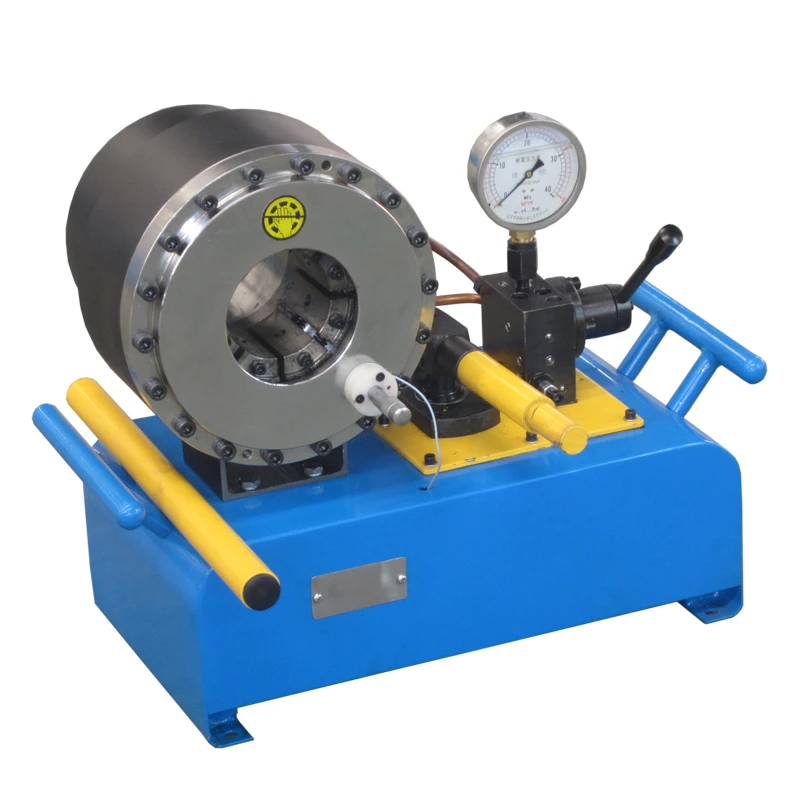
A: The preferred method is to use crimp fittings specifically designed for PTFE hose. Proper crimping ensures a leak-free and secure connection. Swaging can also be used, but it requires precise tooling and technique. Threaded fittings should be avoided where possible, as they can create stress concentrations in the PTFE. Always follow the fitting manufacturer's instructions for installation.
Conclusion
High Temperature Resistant PTFE hose represents a sophisticated fluid transfer solution demanding careful consideration of material science, manufacturing processes, and application-specific requirements. Its exceptional chemical resistance and thermal stability make it invaluable in critical industries. Successful implementation necessitates a thorough understanding of potential failure modes, adherence to industry standards, and diligent preventative maintenance.
Future developments in PTFE hose technology will likely focus on enhancing permeation resistance, improving flexibility, and developing more sustainable manufacturing processes. The continued demand for high-performance fluid transfer solutions will drive innovation in PTFE materials and hose construction techniques, ultimately leading to more reliable and efficient industrial systems.