


famous heavy machinery used hoses Performance Analysis
Introduction
Hydraulic hoses are critical components in heavy machinery, functioning as the vascular system for hydraulic fluid power transmission. These hoses are employed across a vast range of applications – from construction equipment like excavators and loaders to agricultural machinery and industrial presses. Their primary function is to reliably convey pressurized hydraulic fluid to actuators, enabling the operation of machine functions. The specific requirements for hoses differ based on operating pressure, fluid compatibility, temperature ranges, and environmental conditions. A failure in a hydraulic hose can lead to significant downtime, costly repairs, and potential safety hazards. This guide provides an in-depth examination of hydraulic hose technology, covering material science, manufacturing processes, performance characteristics, failure modes, and relevant industry standards. Understanding these aspects is crucial for informed selection, proper installation, and effective maintenance, maximizing operational efficiency and safety.
Material Science & Manufacturing
Hydraulic hoses are constructed from a multi-layered composite structure, typically comprising an inner tube, reinforcement layers, and an outer cover. The inner tube is often composed of synthetic rubbers like nitrile (NBR), chloroprene (CR), or ethylene propylene diene monomer (EPDM), selected for compatibility with the hydraulic fluid being used. NBR is common for petroleum-based fluids, while EPDM excels with phosphate ester fluids. Reinforcement layers provide the hose's strength and pressure-bearing capability. These layers commonly utilize high-tensile steel wire (single or multiple braids), textile braids (typically polyester or aramid fibers), or spiral-wound steel wire. Steel wire offers superior pressure capacity but is less flexible. Aramid fiber offers excellent strength-to-weight ratio and flexibility but lower pressure resistance. The outer cover, typically made of synthetic rubber such as CR or polyurethane, protects the reinforcement layers from abrasion, weathering, and chemical attack. Manufacturing processes vary based on hose type. Braided hoses are created by interlacing reinforcement wires or fibers over the inner tube. Spiral-wound hoses involve wrapping steel wire helically around the inner tube, followed by the application of the outer cover. Precise control of rubber compounding, reinforcement layer winding tension, and vulcanization (curing) temperature are critical for achieving desired mechanical properties and ensuring long-term durability. Post-manufacturing inspection includes pressure testing to verify burst pressure and leak testing to identify any flaws in the inner tube.

Performance & Engineering
The performance of a hydraulic hose is defined by several key engineering parameters. Burst pressure represents the maximum pressure the hose can withstand before failure; this is a critical safety factor, typically exceeding the system’s operating pressure by a significant margin (4:1 safety factor is common). Working pressure is the maximum recommended operating pressure for continuous use, dictated by temperature, fluid type and application. Tensile strength measures the hose’s resistance to axial load; this is important for installations with bending or flexing. Hose flexibility (bend radius) impacts its ability to navigate tight spaces and absorb vibrations. Environmental resistance, encompassing UV exposure, ozone degradation, and chemical compatibility, determines the hose’s lifespan in specific operating conditions. Hose selection must consider the fluid’s viscosity, temperature range, and potential for contamination. In dynamic applications, fatigue life – the number of pressure cycles the hose can endure before failure – is a paramount concern. Finite element analysis (FEA) is commonly used to model stress distribution within the hose under various loading scenarios, optimizing reinforcement layer configuration and material selection. Proper hose routing, minimizing sharp bends and avoiding abrasion against adjacent components, is essential for preventing premature failure. The hose end fittings (crimped or swaged) are integral to overall performance; ensuring a secure and leak-proof connection is crucial.
Technical Specifications
| Hose Type | Working Pressure (PSI) | Burst Pressure (PSI) | Temperature Range (°F) |
|---|---|---|---|
| Braided Rubber (2 Wire) | 2,000 | 8,000 | -40 to +212 |
| Spiral Wound (1 Wire) | 3,000 | 12,000 | -40 to +250 |
| Braided PTFE | 3,000 | 12,000 | -65 to +500 |
| Thermoplastic (Polyurethane) | 4,000 | 16,000 | -40 to +230 |
| Rubber (1 Wire Braid) | 1,500 | 6,000 | -40 to +180 |
| Composite Hose (Aramid) | 2,500 | 10,000 | -50 to +200 |
Failure Mode & Maintenance
Hydraulic hose failures typically stem from several root causes. External damage, such as abrasion, cuts, or impacts, can compromise the outer cover and expose the reinforcement layers to corrosion or contamination. Internal corrosion, induced by fluid degradation or contamination, weakens the inner tube, leading to leaks or bursts. Fatigue failure arises from repeated flexing and pressure cycling, causing crack propagation in the reinforcement layers or at the hose ends. Improper installation, including over-bending, twisting, or incorrect fitting crimping, introduces stress concentrations that accelerate failure. Wicking, the migration of fluid along the outer surface of the hose, can occur through damaged covers or porous materials, posing a safety hazard. For preventative maintenance, regular visual inspections are critical; look for signs of abrasion, cracking, bulging, or leaks. Pressure testing should be performed periodically to verify hose integrity. Hose routing should be optimized to minimize stress and exposure to hazards. Proper fluid maintenance (filtration, contamination control) extends hose life. When replacing a hose, ensure the new hose has equivalent or superior specifications to the original. Avoid mixing hose types from different manufacturers, as compatibility issues may arise. End fittings should be inspected for corrosion or damage and replaced if necessary.
Industry FAQ
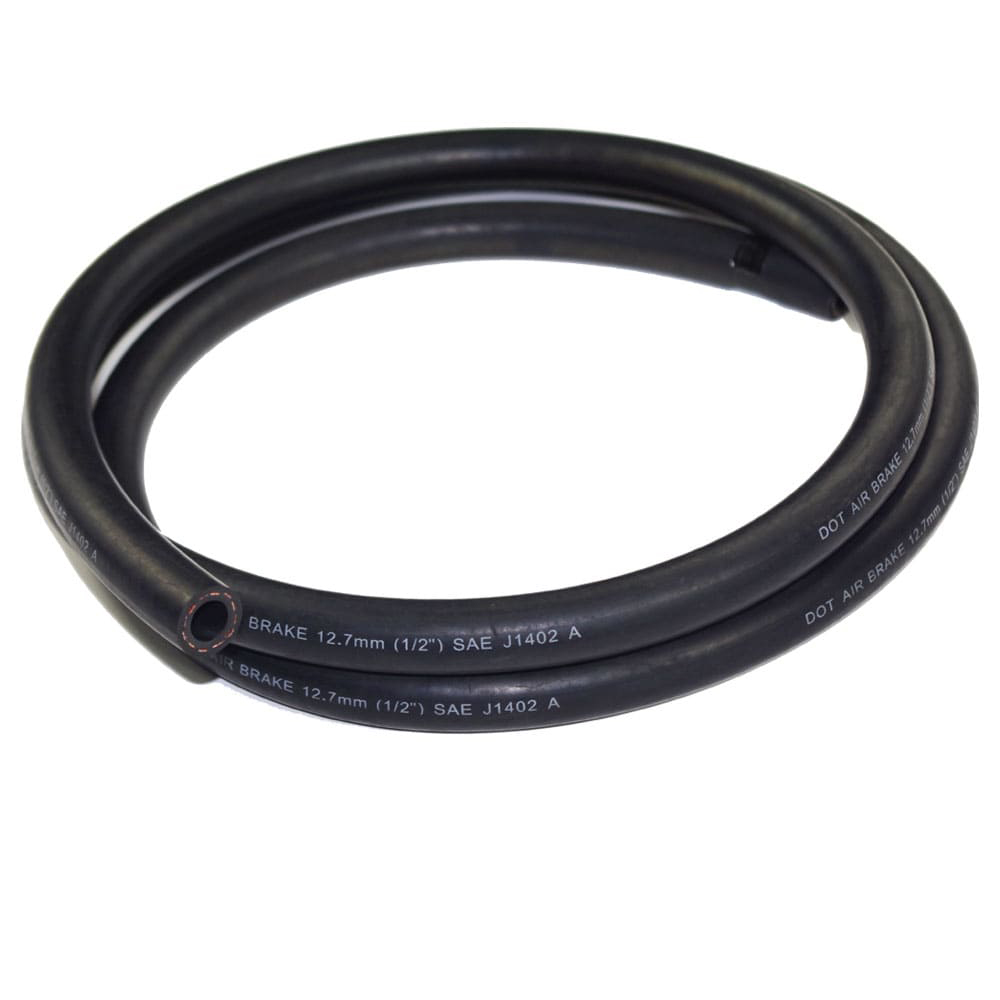
Q: What is the significance of hose layline markings?
A: Hose laylines are the continuous markings printed along the hose's outer cover. These markings provide critical traceability information, including the manufacturer's name, hose type, manufacturing date, and working pressure. They are essential for quality control, warranty claims, and identifying potential issues with specific hose batches.
Q: How does fluid velocity affect hose lifespan?
A: Higher fluid velocity increases the risk of erosion of the inner tube, especially with abrasive particles in the fluid. It also generates more heat, potentially accelerating rubber degradation. Optimizing hose size to maintain appropriate fluid velocity (typically below 15 ft/s) is crucial for maximizing lifespan.
Q: What are the considerations when selecting a hose for intermittent service?
A: Intermittent service introduces surge pressures that can exceed the continuous working pressure. The hose must be rated to withstand these pressure spikes, and shock absorption features (e.g., accumulators) may be necessary. Consider the frequency and magnitude of the pressure surges when selecting a hose.
Q: What is the impact of chemical exposure on hose performance?
A: Chemical exposure can cause swelling, softening, or degradation of the hose material. It's vital to select a hose with an inner tube and outer cover compatible with the hydraulic fluid and any potential external contaminants. Consult chemical resistance charts provided by hose manufacturers.
Q: What are the best practices for storing hydraulic hoses?
A: Hydraulic hoses should be stored in a cool, dry, and dark environment, away from direct sunlight, ozone sources, and extreme temperatures. Hoses should be stored coiled loosely, avoiding sharp bends. Protect hoses from physical damage during storage and transportation.
Conclusion
Hydraulic hoses are vital power transmission components in heavy machinery, and their selection and maintenance are crucial for operational reliability and safety. Understanding the intricacies of material science, manufacturing processes, and performance parameters is paramount. This guide has detailed the key factors influencing hose performance, including pressure ratings, temperature ranges, fluid compatibility, and fatigue life. Proactive maintenance, including regular inspections and adherence to industry best practices, can significantly extend hose lifespan and prevent costly failures.
The future of hydraulic hose technology will likely focus on advancements in materials, such as the development of more durable and chemically resistant polymers, and the integration of sensor technology for real-time monitoring of hose condition. Smart hoses equipped with embedded sensors could provide valuable data on pressure, temperature, and structural integrity, enabling predictive maintenance and preventing catastrophic failures. Further research and development are needed to optimize hose designs and manufacturing processes, enhancing performance and extending service life in demanding applications.