


famous flexible hydraulic hose Performance and Engineering

Introduction
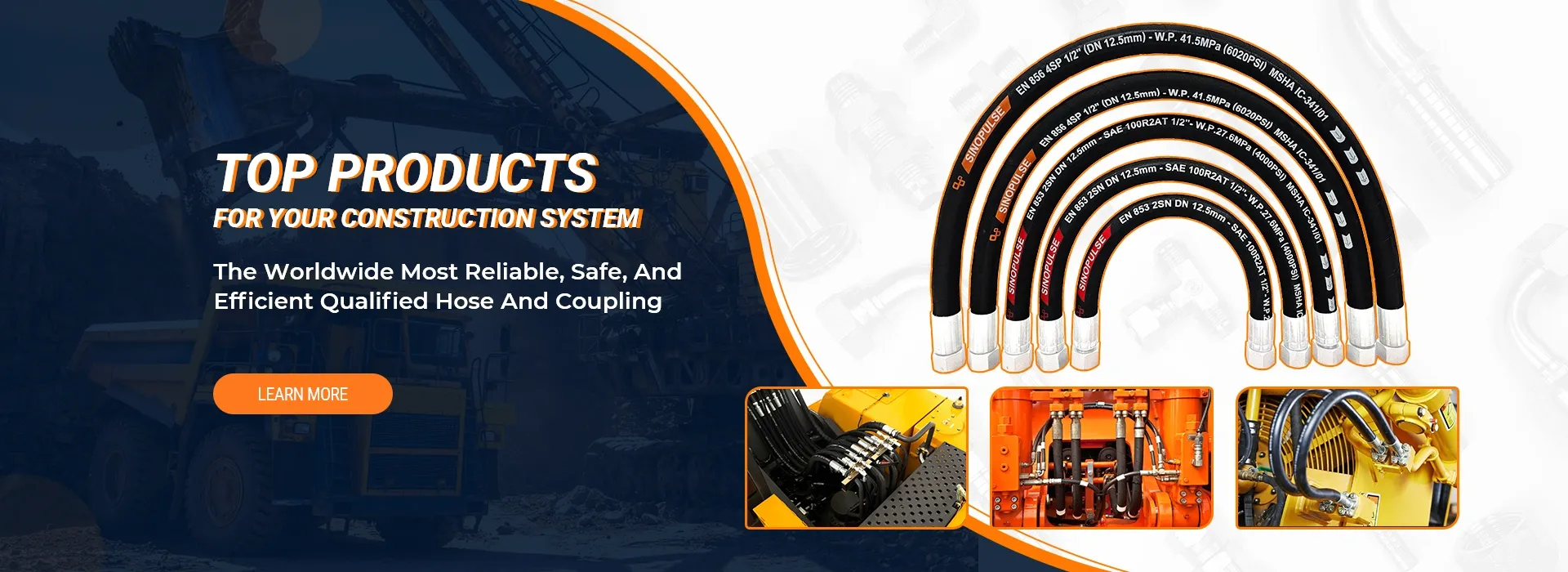
Flexible hydraulic hose constitutes a critical component in fluid power systems, facilitating the transmission of hydraulic fluid to actuators and other components. Unlike rigid piping, flexible hose provides vibration dampening, accommodates misalignments, and simplifies installation in dynamic environments. The 'famous flexible hydraulic hose' refers to a range of hose assemblies known for their robust construction, high-pressure capabilities, and adherence to stringent industry standards. These hoses are integral to sectors including construction machinery, agricultural equipment, material handling, and industrial manufacturing. Core performance attributes encompass burst pressure, working pressure, temperature resistance, fluid compatibility, and dimensional stability. A key industry pain point lies in selecting the appropriate hose construction for a given application, balancing cost with performance longevity and minimizing the risk of catastrophic failure due to hose degradation or incompatibility.
Material Science & Manufacturing
The construction of a flexible hydraulic hose typically involves several layers, each contributing to specific performance characteristics. The innermost layer, the tube, is usually composed of synthetic rubber compounds such as nitrile (NBR), ethylene propylene diene monomer (EPDM), or fluorocarbon (FKM/Viton), selected based on fluid compatibility and temperature range. NBR offers good resistance to petroleum-based fluids, EPDM excels in phosphate ester hydraulic fluids and high-temperature applications, and FKM provides superior resistance to aggressive chemicals and extreme temperatures. The reinforcement layer is crucial for withstanding internal pressure. This often comprises multiple braids of high-tensile steel wire, spirally wound steel wire, or synthetic fiber (aramid or polyester) depending on the required pressure rating. Steel braid offers high strength and durability, while synthetic fiber provides flexibility and lighter weight. The outer cover protects the reinforcement layer from abrasion, weathering, and chemical attack. Commonly used materials include synthetic rubbers like chloroprene (CR) or polyurethane (PU). The manufacturing process begins with extrusion of the inner tube, followed by application of the reinforcement layers using automated braiding or winding machines. Precise tension control during reinforcement application is critical for achieving consistent pressure ratings. Finally, the outer cover is extruded and vulcanized to bond all layers together. Parameter control during vulcanization – temperature, pressure, and time – directly influences the hose’s physical properties like tensile strength, elongation, and hardness. Improper vulcanization can lead to layer separation or reduced service life. Quality control involves hydrostatic testing to verify burst pressure and impulse testing to evaluate fatigue resistance.
Performance & Engineering
Hydraulic hose performance is dictated by a complex interplay of internal pressure, external loads, temperature fluctuations, and fluid dynamics. Force analysis considers hoop stress within the hose wall due to internal pressure, bending stress induced by hose routing, and axial stress caused by tension or compression. Finite element analysis (FEA) is routinely employed to optimize hose geometry and reinforcement configuration for maximizing pressure capacity and minimizing stress concentrations. Environmental resistance is paramount; exposure to ultraviolet (UV) radiation, ozone, and harsh chemicals can degrade the rubber compounds, leading to cracking and leakage. The choice of outer cover material and the addition of UV stabilizers are vital for mitigating these effects. Compliance requirements, such as those stipulated by SAE International (SAE J517, SAE J189), dictate minimum performance standards for burst pressure, impulse pressure, and temperature range. These standards also define testing procedures and acceptance criteria. Functional implementation considerations include hose bend radius, which must be maintained within specified limits to avoid kinking and stress concentration; hose length, which should be optimized to minimize pressure drop and prevent excessive movement; and hose end fitting compatibility, ensuring a secure and leak-free connection. The proper selection and installation of hose end fittings are as critical as the hose itself. Fittings must be rated for the same pressure and temperature as the hose and should be crimped using calibrated tooling to ensure adequate retention force.
Technical Specifications
| Parameter | Unit | Specification (Example - SAE 100R2AT) | Typical Range |
|---|---|---|---|
| Working Pressure | MPa | 20.7 | 10 - 35 |
| Burst Pressure | MPa | 82.7 | 35 - 140 |
| Temperature Range | °C | -40 to +100 | -40 to +150 |
| Reinforcement Type | - | Two Steel Wire Braids | Single/Double Steel Braid, Spiral Wire |
| Tube Material | - | Synthetic Rubber (NBR) | NBR, EPDM, FKM |
| Cover Material | - | Synthetic Rubber (CR) | CR, PU |
Failure Mode & Maintenance
Failure modes in flexible hydraulic hose are diverse and often interrelated. Common causes include fatigue cracking due to repeated pressure cycling and bending; abrasion from external contact with other components; degradation of rubber compounds due to exposure to heat, oil, or chemicals; and improper installation leading to excessive bending or twisting. Failure analysis typically involves visual inspection for cracks, bulges, or leaks; microscopic examination of fractured surfaces to determine the mode of failure; and chemical analysis of rubber compounds to assess degradation. Fatigue cracking initiates at stress concentrations, often near hose end fittings or at points of sharp bending. Delamination occurs when the bonding between layers fails, leading to separation and eventual rupture. Oxidation and chemical attack cause hardening and cracking of the rubber compounds, reducing their flexibility and strength. Maintenance practices should include regular visual inspections for signs of wear or damage; periodic leak checks; and replacement of hoses based on manufacturer recommendations or after a predetermined service life. Proper hose routing, avoiding sharp bends and abrasive surfaces, is crucial for preventing premature failure. Crimped fittings should be inspected for tightness and corrosion. Hoses should be stored in a cool, dry place, protected from sunlight and ozone. When replacing a hose, it’s essential to use the correct replacement part, matching the original specifications for pressure rating, temperature range, and fluid compatibility.
Industry FAQ
Q: What is the impact of impulse pressure on hydraulic hose life?
A: Impulse pressure, or pressure pulsations, creates cyclic stresses within the hose wall. These stresses can lead to fatigue failure over time, even if the working pressure is well below the hose’s rated capacity. Higher impulse pressures and more frequent pulsations will shorten hose life. Hoses designed for dynamic applications typically incorporate features like a cushioning layer to dampen pulsations.
Q: How does fluid compatibility affect hose selection?
A: Incompatible fluids can cause the hose tube to swell, soften, or degrade, leading to leaks and failure. It’s crucial to select a hose tube material that is chemically compatible with the hydraulic fluid being used. Refer to fluid compatibility charts provided by hose manufacturers.
Q: What are the risks associated with exceeding the minimum bend radius?
A: Exceeding the minimum bend radius creates a sharp kink in the hose, which concentrates stress and can lead to premature fatigue failure. It also restricts fluid flow and increases pressure drop. Always adhere to the manufacturer’s recommended minimum bend radius.
Q: Can a damaged outer cover compromise the hose’s integrity?
A: Yes. While the outer cover primarily provides abrasion and weather protection, a damaged cover can expose the reinforcement layer to corrosion and accelerate degradation. A compromised cover also increases the risk of fluid leaks if the tube is damaged underneath.
Q: What is the proper procedure for crimping hose end fittings?
A: Crimping should be performed using a calibrated crimping machine and the correct die set for the hose and fitting combination. Improper crimping – either too loose or too tight – can lead to leakage or hose failure. Follow the fitting manufacturer's instructions meticulously.
Conclusion
The selection and maintenance of flexible hydraulic hose are critical for ensuring the reliability and safety of hydraulic systems. Understanding the material science, manufacturing processes, performance characteristics, and potential failure modes allows engineers and procurement professionals to make informed decisions. The 'famous flexible hydraulic hose' reputation is predicated on a commitment to quality, adherence to stringent standards, and continuous innovation in materials and construction techniques.
Future advancements will likely focus on developing more durable and chemically resistant rubber compounds, optimizing hose designs for reduced weight and improved flexibility, and incorporating smart sensing technologies for real-time monitoring of hose condition and predictive maintenance. Prioritizing these areas will lead to increased system uptime, reduced maintenance costs, and enhanced operational safety.