


extend rubber hydraulic hose Performance Analysis
Introduction
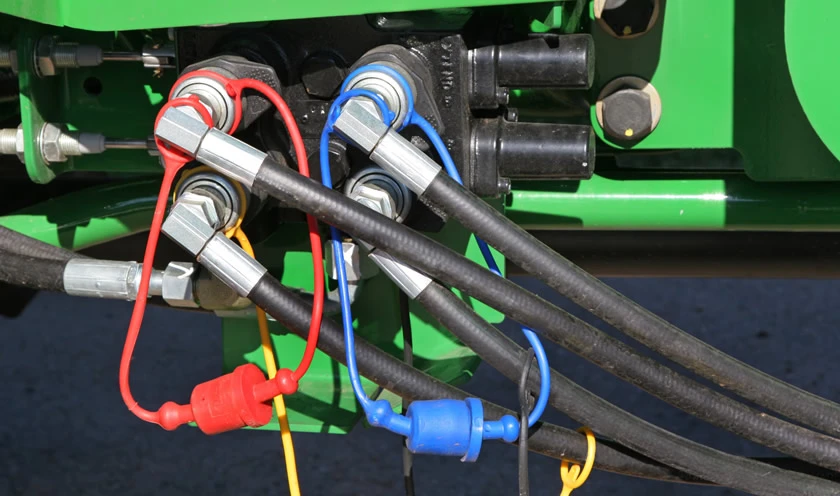
Extend rubber hydraulic hose is a critical component in fluid power systems, facilitating the transmission of hydraulic fluid to actuators and other hydraulic components. Unlike standard hydraulic hose, extendable hose is specifically engineered to accommodate dynamic movement and spatial constraints often encountered in mobile machinery, construction equipment, and agricultural applications. Its primary function is to provide a flexible, reliable, and leak-free conduit for pressurized hydraulic fluid, while simultaneously allowing for axial extension and retraction. The core performance characteristics revolve around pressure capacity, burst strength, flexibility, and resistance to environmental factors such as temperature, oil degradation, and abrasion. The industry faces recurring challenges relating to hose lifespan, consistent performance across varying operating conditions, and the mitigation of catastrophic failure modes. This guide provides an in-depth analysis of the material science, manufacturing processes, performance engineering, failure analysis, and maintenance protocols associated with extend rubber hydraulic hose.
Material Science & Manufacturing
The construction of extend rubber hydraulic hose typically involves several layers of distinct materials, each contributing to its overall performance. The innermost layer, the tube, is commonly composed of a synthetic rubber compound, frequently nitrile rubber (NBR), chloroprene rubber (CR), or ethylene propylene diene monomer (EPDM). NBR offers excellent resistance to petroleum-based hydraulic fluids, CR provides good resistance to heat and weathering, and EPDM excels in high-temperature and phosphate ester fluid applications. The selection hinges on fluid compatibility and operational temperature ranges. Surrounding the tube is a reinforcement layer, which provides the hose’s structural integrity and pressure bearing capacity. This layer is typically constructed of multiple spiraled high-tensile steel wire braids. The number of braids and the wire gauge directly correlate to the hose’s working pressure rating. Extendable functionality is achieved through a unique helical winding of high-strength textile cords (often polyester or aramid fibers) incorporated within the reinforcement layers. This winding imparts the axial flexibility necessary for extension and retraction. Finally, the outer cover, also composed of synthetic rubber (often CR or a blend of polymers), provides abrasion resistance, weather protection, and resistance to ozone cracking. Manufacturing processes involve precise layering of these materials, followed by vulcanization – a chemical process using heat and pressure to crosslink the rubber polymers, resulting in a durable and resilient composite structure. Critical process parameters include temperature control during vulcanization, precise tensioning of the steel wire braids, and accurate alignment of the textile winding to ensure uniform extension characteristics. Improper vulcanization can lead to material degradation and reduced hose lifespan, while inconsistent braid tension can compromise pressure capacity. Precise control of the rubber compound formulation (polymer blend, filler type, plasticizer concentration) is essential for achieving the desired physical and chemical properties.

Performance & Engineering
The performance of extend rubber hydraulic hose is governed by a complex interplay of forces and environmental factors. Axial extension and retraction induce significant stress within the hose structure, particularly at the connection points and within the reinforcement layers. Finite element analysis (FEA) is commonly employed to model these stress distributions and optimize the hose design for maximum durability and resistance to fatigue failure. Burst pressure testing, conducted in accordance with industry standards (SAE J517, ISO 3862), determines the maximum pressure the hose can withstand before catastrophic failure. Working pressure is significantly lower, typically 50-75% of the burst pressure, providing a safety factor. Environmental resistance is paramount. Exposure to elevated temperatures can accelerate rubber degradation, reducing flexibility and increasing the risk of cracking. Conversely, low temperatures can lead to reduced flexibility and increased susceptibility to damage. Chemical compatibility with the hydraulic fluid is also critical. Incompatible fluids can cause swelling, softening, or degradation of the rubber compounds, compromising the hose’s integrity. Furthermore, exposure to ultraviolet (UV) radiation can cause ozone cracking in the outer cover. Engineering considerations include proper hose routing to minimize bending stress, the use of appropriate fittings designed for extendable hose, and the implementation of protective sleeves or guards to shield the hose from abrasion and environmental damage. The hose’s dynamic performance—its ability to repeatedly extend and retract under pressure—is a key metric. Cyclic fatigue testing evaluates the hose’s lifespan under simulated operational conditions. Compliance requirements mandate adherence to specific safety standards, including dimensional accuracy, pressure rating verification, and material traceability.
Technical Specifications
| Parameter | Unit | Typical Value (Example - Dependent on Hose Series) | Testing Standard |
|---|---|---|---|
| Working Pressure | MPa | 20 | SAE J517 / ISO 3862 |
| Burst Pressure | MPa | 80 | SAE J517 / ISO 3862 |
| Temperature Range | °C | -40 to +100 | SAE J517 / ISO 3862 |
| Minimum Bend Radius (Unpressurized) | mm | 300 | Manufacturer Specification |
| Extension Ratio | % | 50 | Manufacturer Specification |
| Inner Tube Material | - | NBR | ASTM D2000 |
Failure Mode & Maintenance
Extend rubber hydraulic hose is susceptible to several failure modes. Fatigue cracking, particularly at the connection points and within the steel wire reinforcement, is a common cause of failure, resulting from repeated flexing and pressure cycling. Delamination, the separation of the layers within the hose structure, can occur due to improper vulcanization or exposure to incompatible fluids. Abrasion damage to the outer cover can expose the reinforcement layers, leading to corrosion and eventual failure. Oxidation of the rubber compounds, accelerated by exposure to heat and oxygen, causes hardening and cracking. Another critical failure mode is hose kinking, particularly during extension and retraction, which can restrict fluid flow and generate localized pressure spikes. Pinholes in the inner tube, often caused by internal corrosion or damage from abrasive particles in the hydraulic fluid, lead to leakage. Maintenance protocols are crucial for extending hose lifespan and preventing catastrophic failures. Regular visual inspections should be conducted to identify signs of abrasion, cracking, bulging, or leakage. Hose connections should be inspected for tightness and corrosion. Hydraulic fluid should be regularly analyzed for contamination and degradation. Hose routing should be periodically reviewed to ensure proper support and minimize bending stress. When replacing a hose, it is essential to use fittings specifically designed for extendable hose and to ensure proper installation torque. Avoid exceeding the hose’s working pressure or temperature limits. Consider implementing a preventative maintenance schedule based on operating hours or cycles.
Industry FAQ
Q: What is the impact of exceeding the minimum bend radius on hose lifespan?
A: Exceeding the minimum bend radius induces excessive stress on the reinforcement layers, accelerating fatigue cracking and reducing the hose’s overall lifespan. Repeated bending beyond the specified radius causes microscopic damage to the steel wire braids, weakening the hose structure and increasing the risk of failure. The tighter the bend, the more pronounced the effect.
Q: How does fluid contamination affect the performance of extend rubber hydraulic hose?
A: Fluid contamination, particularly with abrasive particles, can cause erosion of the inner tube, leading to pinholes and leakage. Water contamination can promote corrosion of the steel wire reinforcement, weakening the hose structure. Chemical contaminants can degrade the rubber compounds, reducing their flexibility and resistance to pressure. Regular fluid filtration and analysis are essential for mitigating these effects.
Q: What are the considerations when selecting fittings for extend rubber hydraulic hose?
A: Fittings must be specifically designed for extendable hose to accommodate axial movement without inducing excessive stress. Standard hose fittings are often too rigid and can restrict the hose’s extension and retraction capabilities, leading to premature failure. Look for fittings with swivel features or a flexible design that allows for articulation.
Q: How can the extension ratio of a hose be verified after installation?
A: The extension ratio can be verified by physically extending the hose to its maximum length and measuring the increase in length compared to its retracted length. Manufacturers often provide detailed specifications for the expected extension ratio. Significant deviations from the specified ratio may indicate damage or improper installation.
Q: What is the role of the outer cover in protecting the hose?
A: The outer cover provides critical protection against abrasion, weathering, ozone cracking, and chemical exposure. It shields the reinforcement layers from environmental damage and helps to maintain the hose’s flexibility. Regular inspection of the outer cover for signs of damage is essential for identifying potential problems before they escalate.
Conclusion
Extend rubber hydraulic hose represents a specialized solution for fluid power transmission in applications requiring dynamic movement and spatial flexibility. Its performance is intrinsically linked to the precise interplay of material properties, manufacturing techniques, and operational parameters. Maintaining the integrity of the hose relies on understanding the potential failure modes and implementing proactive maintenance strategies, including regular inspections, fluid analysis, and proper installation practices. The selection of appropriate hose specifications—pressure rating, temperature range, and extension ratio—must align with the specific demands of the application to ensure both reliability and longevity.
Future advancements in extend rubber hydraulic hose technology are likely to focus on the development of more durable and chemically resistant rubber compounds, the incorporation of advanced reinforcement materials (e.g., carbon fiber), and the integration of smart sensing technologies for real-time monitoring of hose condition. These improvements will contribute to increased hose lifespan, reduced downtime, and enhanced safety in demanding industrial environments.