


discount yarn braid r7 hose suppliers Performance Analysis
Introduction
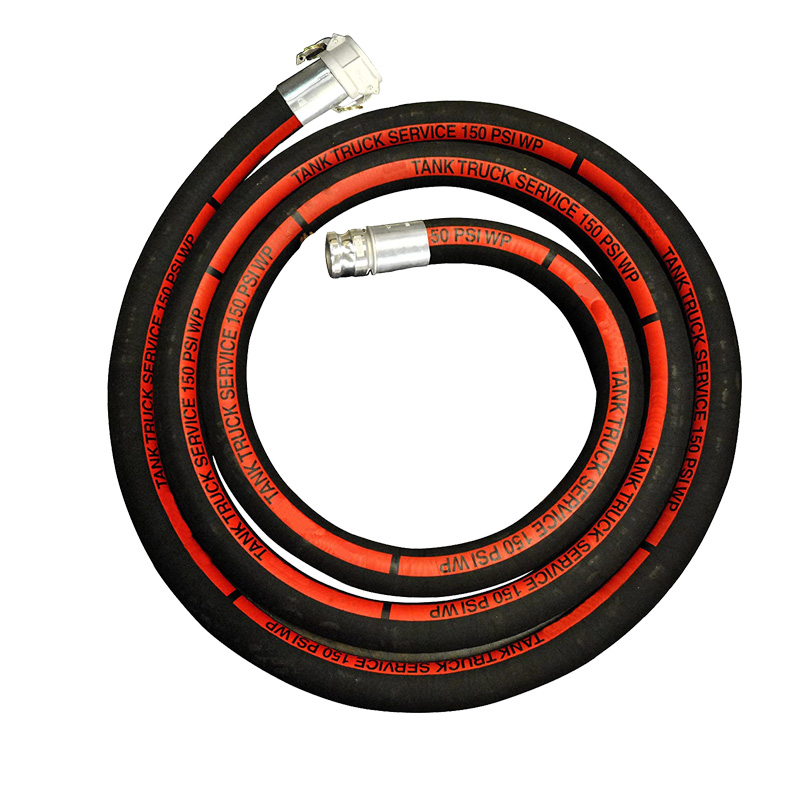
Discount yarn braid R7 hose represents a critical component in fluid power systems, specifically designed for high-pressure hydraulic applications. These hoses are integral to industries including construction, agriculture, mining, and manufacturing, facilitating the transmission of hydraulic fluid to operate machinery. Positioned within the industry chain as a finished good produced from synthetic rubber compounds, steel wire reinforcement, and a protective yarn braid covering, the R7 hose standard (DIN EN 853) dictates its performance characteristics. Core performance metrics include working pressure, burst pressure, temperature range, and fluid compatibility. A primary industry pain point is balancing cost with reliable performance, especially considering the demanding operating environments these hoses encounter. Suppliers offering “discount” options must navigate maintaining quality and adherence to standards while offering competitive pricing, often necessitating efficient manufacturing processes and optimized material sourcing.
Material Science & Manufacturing
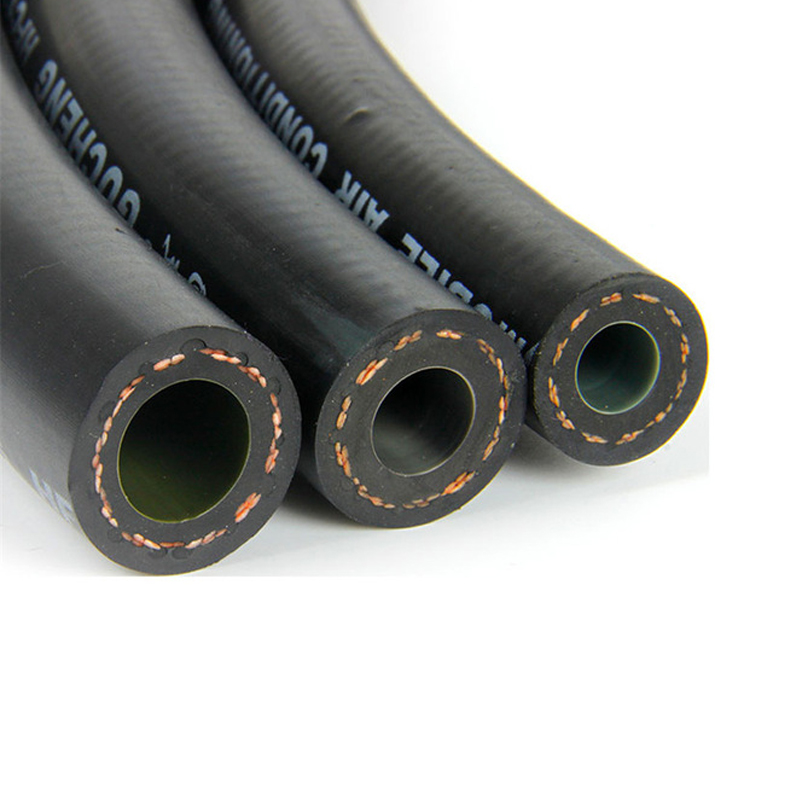
The construction of a discount yarn braid R7 hose begins with the inner tube, typically composed of a synthetic rubber compound – often a nitrile rubber (NBR) blend – selected for its resistance to petroleum-based hydraulic fluids. NBR’s key physical properties include tensile strength (typically 17-25 MPa), elongation at break (300-500%), and hardness (60-70 Shore A). Manufacturing involves extrusion of the rubber compound through a die to form the inner tube. Multiple layers of high-tensile steel wire spiral reinforcement are then applied to provide pressure resistance. The wire's carbon content and surface treatment are critical to preventing corrosion. Manufacturing employs a helical winding process, ensuring consistent pitch and coverage. Following reinforcement, an outer cover comprised of a synthetic rubber blend, often a Chloroprene rubber (CR) for weather and ozone resistance, is extruded over the wire. Finally, a yarn braid, typically polyester or nylon, is applied to provide abrasion and kink resistance. The braid angle is precisely controlled (typically 55-65 degrees) to optimize protection without compromising flexibility. Parameter control during extrusion (temperature, pressure, screw speed) is vital to ensure uniform tube thickness and consistent rubber properties. Post-production testing involves hydrostatic pressure testing, impulse testing, and dimensional checks to ensure compliance with DIN EN 853.
Performance & Engineering
R7 hoses are engineered to withstand significant pressure fluctuations and dynamic loading. Force analysis considers hoop stress in the tube due to internal pressure, axial stress in the reinforcement layers, and bending stress during hose routing. The reinforcement layers are designed to manage the hoop stress, preventing tube rupture. Fatigue life is a critical performance parameter, assessed through impulse testing according to DIN EN 853. This test simulates repeated pressure cycles, identifying potential failure points. Environmental resistance is paramount. Exposure to UV radiation, ozone, and temperature extremes (typically -40°C to +100°C) can degrade the rubber compounds. CR outer covers offer superior resistance to these elements compared to NBR. Chemical compatibility is also crucial; the hose materials must resist degradation from the specific hydraulic fluid being used. Phosphoric ester fluids, for example, require specialized rubber compounds. Compliance with DIN EN 853 is mandatory for R7 hoses, dictating minimum burst pressure (typically four times the working pressure), minimum working pressure, and testing procedures. Incorrect hose selection or installation (e.g., exceeding pressure or bend radius limits) can lead to premature failure.
Technical Specifications
| Parameter | Unit | Standard R7 Specification | Typical Discount R7 Range |
|---|---|---|---|
| Working Pressure | MPa | Up to 31.5 | 20 - 31.5 |
| Burst Pressure | MPa | ≥ 4 x Working Pressure | ≥ 4 x Working Pressure |
| Temperature Range | °C | -40 to +100 | -40 to +90 (depending on compound) |
| Inner Tube Material | - | NBR | NBR (various blends) |
| Reinforcement | Layers | Spiral Steel Wire | 2-6 Spiral Steel Wire |
| Outer Cover Material | - | CR, NBR | CR, NBR (cost-optimized blends) |
Failure Mode & Maintenance
Common failure modes in R7 hoses include fatigue cracking due to repeated pressure cycling, particularly at connection points. This is often exacerbated by improper hose routing or excessive bending. Another failure mode is abrasion damage to the outer cover, leading to exposure of the reinforcement layers and subsequent corrosion. Internal degradation of the rubber compound due to fluid contamination or incompatibility can also cause swelling, cracking, and eventual failure. Oxidation of the rubber compound, accelerated by high temperatures and UV exposure, can lead to hardening and loss of flexibility. Failure analysis typically involves visual inspection, pressure testing, and microscopic examination of fractured surfaces to determine the root cause. Preventative maintenance includes regular visual inspection for abrasion, cracking, and leaks. Hose routing should minimize bending and avoid contact with sharp objects. Fluid filtration is essential to remove contaminants that can degrade the rubber compound. Hoses should be replaced at recommended intervals or after any signs of damage are detected. Proper storage (cool, dry, dark) is vital to prevent premature degradation.
Industry FAQ
Q: What is the impact of using a lower-grade reinforcement wire on the hose's burst pressure and fatigue life?
A: Utilizing lower-grade reinforcement wire directly compromises both burst pressure and fatigue life. Lower carbon content wire possesses reduced tensile strength, directly diminishing the hose's ability to withstand high pressures. Furthermore, the wire’s surface finish is crucial; imperfections can initiate crack propagation under cyclical loading, drastically shortening fatigue life. While it lowers manufacturing costs, this practice significantly elevates the risk of catastrophic failure and premature hose replacement.
Q: How does the choice of outer cover material affect the hose’s service life in outdoor applications?
A: The outer cover material is paramount for outdoor longevity. Chloroprene rubber (CR) offers significantly better resistance to ozone cracking, UV degradation, and weathering than Nitrile rubber (NBR). NBR, while cost-effective, will become brittle and crack when exposed to prolonged sunlight and ozone. CR maintains flexibility and protective properties for a considerably longer duration, even in harsh environmental conditions.
Q: What are the consequences of using a hydraulic fluid incompatible with the inner tube material?
A: Incompatibility between hydraulic fluid and the inner tube leads to swelling, softening, or hardening of the rubber compound. Swelling weakens the tube’s structural integrity, increasing the risk of rupture. Hardening reduces flexibility and increases susceptibility to cracking. Both scenarios result in leaks, reduced performance, and potential system failure. Always verify fluid compatibility charts provided by both the hose and fluid manufacturers.
Q: What is the acceptable bend radius for an R7 hose to prevent kinking and premature failure?
A: The acceptable bend radius is critical. Exceeding the minimum bend radius (typically 4-6 times the hose bore diameter, consult manufacturer specifications) causes kinking, which restricts fluid flow and creates stress concentrations. Repeated bending beyond this limit leads to fatigue cracking in the reinforcement layers. Proper hose routing is essential to maintain the recommended bend radius throughout the system.
Q: How do “discount” R7 hoses typically achieve lower prices, and what potential compromises are involved?
A: “Discount” pricing is usually achieved through material cost reduction (using less expensive rubber compounds or reinforcement wire), streamlined manufacturing processes (potentially sacrificing quality control), and reduced testing protocols. Potential compromises include lower burst pressures, reduced temperature ranges, decreased abrasion resistance, and shorter service life. While cost savings are attractive, carefully evaluate the trade-offs between price and performance to avoid costly failures and downtime.
Conclusion
Discount yarn braid R7 hoses are essential components in hydraulic systems, demanding careful consideration of material properties, manufacturing processes, and performance characteristics. Maintaining adherence to DIN EN 853 standards is crucial for ensuring reliability and safety. While cost optimization is a valid concern, compromises in material quality or manufacturing rigor can significantly reduce hose lifespan and increase the risk of failure.
Effective preventative maintenance, including regular inspection, proper fluid selection, and adherence to recommended bend radii, is paramount to maximizing hose service life. Understanding potential failure modes allows for proactive replacement before catastrophic incidents occur, minimizing downtime and maintaining operational efficiency. A thorough understanding of these technical aspects empowers informed purchasing decisions and ensures optimal performance in demanding hydraulic applications.