


discount wire braid hydraulic hose factory Performance Analysis

Introduction
Wire braid reinforced hydraulic hose represents a critical component in fluid power systems across diverse industries, including construction, agriculture, manufacturing, and automotive. These hoses are engineered to reliably transmit hydraulic fluid under high pressure, facilitating the operation of hydraulic machinery. This guide provides an in-depth technical examination of wire braid hydraulic hose, covering material science, manufacturing processes, performance characteristics, failure modes, and relevant industry standards. The core performance metric lies in its burst pressure capability, coupled with resistance to abrasion, oil permeation, and temperature extremes. The industry faces persistent challenges regarding hose lifespan, particularly in aggressive operating environments where fluid compatibility and external damage are prevalent concerns. This document aims to provide a comprehensive resource for engineers, procurement managers, and maintenance personnel involved in the selection, implementation, and maintenance of these essential hydraulic components.
Material Science & Manufacturing
The construction of wire braid hydraulic hose relies on several key materials. The inner tube is typically composed of synthetic rubber compounds, most commonly nitrile rubber (NBR) for petroleum-based fluids, or ethylene propylene diene monomer (EPDM) for phosphate ester fluids. NBR exhibits excellent resistance to oil, fuel, and abrasion, while EPDM provides superior resistance to heat, ozone, and weathering. The reinforcement layer consists of one or more braids of high-strength steel wire, providing the necessary tensile strength to withstand internal pressure. The wire is typically carbon steel, offering a balance of strength and cost-effectiveness, although stainless steel is utilized in corrosive environments. The outer cover is typically a synthetic rubber compound, often chloroprene rubber (CR) – Neoprene – due to its excellent resistance to abrasion, ozone, and weathering. Manufacturing begins with extrusion of the inner tube, followed by the application of the wire braid through a braiding machine. This process involves interlacing the steel wires around the inner tube, achieving a specific braid angle (typically 55-70 degrees) to maximize strength and flexibility. After braiding, the outer cover is extruded, and the hose is cured under heat and pressure to vulcanize the rubber compounds and bond the layers together. Critical parameters include braid density (wires per inch), rubber compound formulation, cure temperature and duration, and dimensional accuracy. Precise control of these parameters is essential to achieve consistent hose performance and prevent defects.
Performance & Engineering
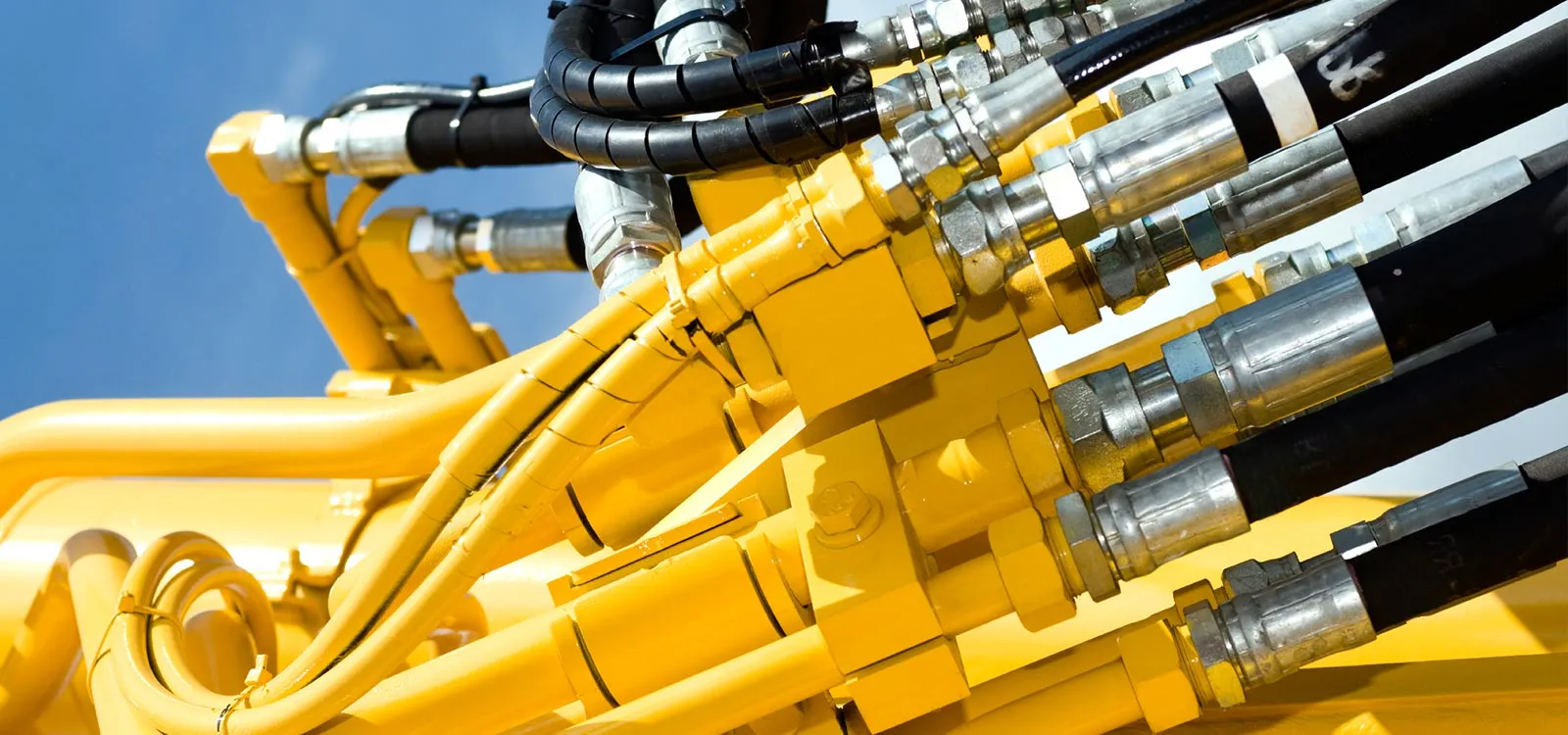
The performance of wire braid hydraulic hose is dictated by several engineering principles. Burst pressure, the maximum pressure the hose can withstand before failure, is a primary design consideration. This is directly proportional to the tensile strength of the wire braid and the inner tube thickness. Fatigue resistance, the ability to withstand repeated pressure cycles, is crucial in dynamic applications. Hose performance is also affected by temperature; elevated temperatures can reduce rubber compound strength and increase fluid permeation, while low temperatures can reduce flexibility. Fluid compatibility is paramount, as incompatible fluids can cause swelling, degradation, and eventual failure of the inner tube. Finite element analysis (FEA) is commonly employed during the design process to simulate stress distribution under various loading conditions. Standard performance testing includes burst pressure testing, impulse testing (simulating pressure spikes), and flex fatigue testing. Hose assemblies are often terminated with crimped fittings, which must be properly sized and installed to ensure a secure connection and prevent leakage. The crimp quality significantly impacts the overall assembly’s performance and reliability. Furthermore, the hose’s bend radius must be considered to prevent kinking and excessive stress concentration, leading to premature failure.
Technical Specifications
| Parameter | Unit | Typical Value (1/2" ID Hose) | Standard Test Method |
|---|---|---|---|
| Working Pressure | PSI | 3000 | SAE J517 |
| Burst Pressure | PSI | 9000 | SAE J517 |
| Temperature Range | °F | -40 to +212 | SAE J517 |
| Inner Tube Material | - | Nitrile Rubber (NBR) | ASTM D2000 |
| Reinforcement | - | Single Steel Wire Braid | ASTM E8 |
| Outer Cover Material | - | Chloroprene Rubber (CR) | ASTM D2000 |
Failure Mode & Maintenance
Wire braid hydraulic hose is susceptible to several failure modes. Bursting is the most catastrophic failure, typically resulting from exceeding the working pressure or a sudden pressure spike. Fatigue cracking occurs over time due to repeated pressure cycling, often initiating at the wire braid and propagating through the rubber layers. Abrasion damage can occur from external contact with abrasive surfaces, leading to wear and eventual rupture of the outer cover. Oil permeation can cause swelling and degradation of the inner tube, leading to leakage and reduced hose life. Kinking, caused by exceeding the minimum bend radius, can induce stress concentration and lead to cracking. Corrosion of the steel wire braid, particularly in harsh environments, can reduce its tensile strength and contribute to failure. Proper maintenance is crucial to maximize hose lifespan. Regular visual inspections should be conducted to identify signs of abrasion, cracking, and leakage. Hose assemblies should be replaced if any damage is detected. Fluid compatibility should be verified to ensure the hose material is suitable for the intended application. Hose assemblies should be routed to avoid sharp bends and contact with abrasive surfaces. Crimped fittings should be inspected for proper engagement and tightness. Periodic pressure testing can help identify potential weaknesses before catastrophic failure occurs. Appropriate storage conditions, avoiding direct sunlight and extreme temperatures, are also important for maintaining hose integrity.
Industry FAQ
Q: What is the impact of impulse pressure on wire braid hose life?
A: Impulse pressure, characterized by rapid pressure fluctuations, significantly reduces hose lifespan. Each pressure surge creates stress waves within the hose, leading to fatigue damage, particularly at the connection points and within the braid structure. Hose selection must account for the expected impulse pressure magnitude and frequency, and the use of impulse hose designs (with enhanced damping characteristics) is often necessary.
Q: How does fluid temperature affect the performance of NBR inner tubes?
A: Elevated temperatures accelerate the degradation of NBR, leading to reduced tensile strength, increased permeability, and swelling. Operating NBR hoses continuously above 100°C will significantly shorten their service life. Conversely, very low temperatures can reduce the flexibility of the NBR, increasing the risk of kinking.
Q: What is the role of the braid angle in hose reinforcement?
A: The braid angle impacts both the hose's strength and flexibility. A steeper braid angle (closer to 90 degrees) provides greater tensile strength but reduces flexibility. A shallower braid angle (closer to 0 degrees) increases flexibility but reduces strength. A typical braid angle of 55-70 degrees represents a balance between these two properties.
Q: What are the common causes of fitting failure in hydraulic hose assemblies?
A: Common causes include improper crimping (insufficient or excessive crimp force), corrosion of the fitting material, and damage to the fitting threads. Using incorrect fitting types for the hose and application can also lead to premature failure. Regular inspection of fittings is crucial.
Q: What is the difference between single and double wire braid reinforcement?
A: Double wire braid reinforcement provides significantly higher burst pressure and fatigue resistance compared to single wire braid. It's used in applications requiring higher operating pressures or more demanding duty cycles. However, double braid hose is typically less flexible than single braid hose.
Conclusion
Wire braid hydraulic hose remains a cornerstone of fluid power systems, offering a reliable and cost-effective solution for transmitting hydraulic fluid. Understanding the intricacies of material science, manufacturing processes, and performance characteristics is vital for selecting the appropriate hose for a given application. Proper installation, maintenance, and attention to potential failure modes are essential to maximizing hose lifespan and ensuring safe operation.
Future advancements in hydraulic hose technology are likely to focus on developing new materials with enhanced temperature and chemical resistance, improving manufacturing processes for greater dimensional accuracy and consistency, and incorporating sensor technology for real-time monitoring of hose condition. Continued research into alternative reinforcement materials, such as spiral-wound reinforcement, may offer further improvements in performance and durability.