


discount wire braid hydraulic hose factories Manufacturing Performance Analysis

Introduction
Wire braid reinforced hydraulic hose represents a critical component in fluid power systems across a diverse range of industries, including construction, agriculture, manufacturing, and automotive. These hoses are designed to transmit hydraulic fluid under substantial pressure, facilitating the operation of heavy machinery and equipment. Discount wire braid hydraulic hose factories, while often associated with cost-effectiveness, must adhere to stringent performance and safety standards to mitigate risk. This guide provides an in-depth technical analysis of wire braid hydraulic hose, encompassing material science, manufacturing processes, performance characteristics, failure modes, and relevant industry standards. The focus is on providing practical information valuable to procurement managers, engineers, and maintenance personnel involved in the selection, implementation, and maintenance of these critical components. Core performance metrics include pressure rating, temperature range, fluid compatibility, and burst strength, all of which are intrinsically linked to the hose’s construction and materials.
Material Science & Manufacturing
The construction of wire braid hydraulic hose relies on a multi-layered system, each component contributing to the hose’s overall performance. The inner tube, typically composed of synthetic rubber compounds such as nitrile rubber (NBR), ethylene propylene diene monomer (EPDM), or fluorocarbon (FKM/Viton), provides compatibility with various hydraulic fluids. NBR is frequently used for petroleum-based fluids, while EPDM excels in phosphate ester-based systems. FKM offers superior resistance to high temperatures and aggressive chemicals. The reinforcement layer, the defining feature of wire braid hose, consists of one or more braids of high-strength steel wire. The braid angle is a critical parameter, influencing the hose’s flexibility and burst pressure. A tighter braid angle generally results in higher burst strength but reduced flexibility. The outer cover, typically made of chloroprene rubber (CR) or polyurethane (PU), provides protection against abrasion, weathering, and oil contamination. Manufacturing involves several key steps: inner tube extrusion, wire braiding (typically using a specialized braiding machine), hose assembly, and outer cover extrusion. Parameter control during extrusion (temperature, pressure, and die geometry) is crucial for ensuring consistent wall thickness and material homogeneity. The steel wire used in the braid undergoes surface treatment (zinc coating or passivation) to enhance corrosion resistance. Proper vulcanization of the rubber compounds is paramount for achieving optimal mechanical properties and fluid resistance.
Performance & Engineering
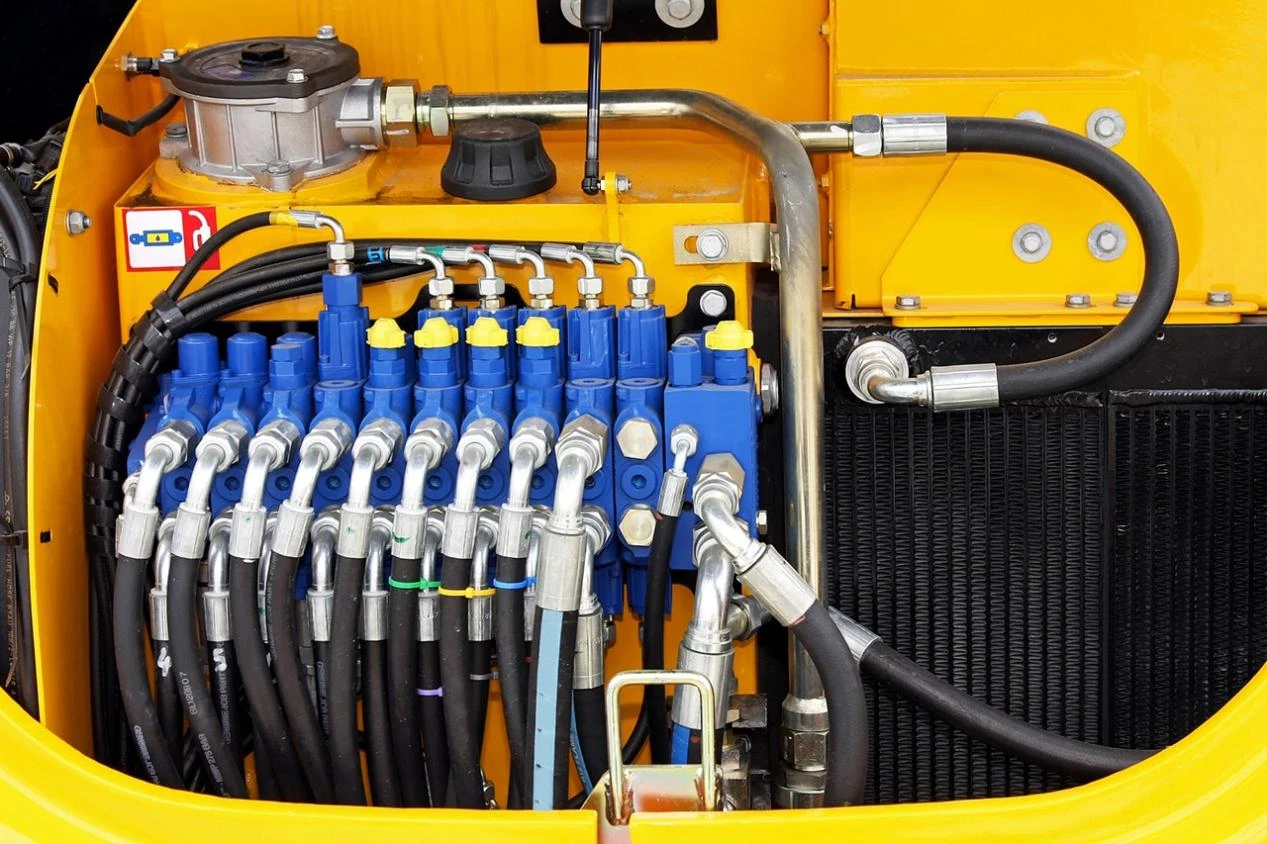
The performance of wire braid hydraulic hose is dictated by several engineering principles. Hose pressure rating is determined by a combination of the inner tube thickness, reinforcement braid strength, and braid angle. Burst pressure, typically specified as a multiple of the working pressure, represents the maximum pressure the hose can withstand before failure. Fatigue life is a critical consideration, particularly in applications involving cyclical loading. Repeated pressure fluctuations can lead to fatigue cracking in the reinforcement layer. Finite element analysis (FEA) is often employed to model hose behavior under different loading conditions and optimize hose design. Environmental resistance is also crucial. Exposure to extreme temperatures, UV radiation, and corrosive fluids can degrade the rubber compounds, reducing the hose’s lifespan. Fluid compatibility must be carefully considered to prevent swelling, softening, or chemical attack of the inner tube. Hose assemblies, including fittings, must be designed to withstand the anticipated pressures and loads. Proper fitting crimping is essential for ensuring a secure and leak-free connection. The selection of fitting materials (steel, stainless steel, or brass) should be compatible with the hydraulic fluid and operating environment. Compliance with industry standards, such as SAE J517 and EN 856, is mandatory to ensure safety and reliability.
Technical Specifications
| Parameter | Unit | Typical Value (1/2" ID Hose) | Standard Specification |
|---|---|---|---|
| Working Pressure | psi | 2000 | SAE J517 100R2 |
| Burst Pressure | psi | 8000 | SAE J517 100R2 |
| Temperature Range | °F | -40 to +212 | SAE J517 |
| Inner Tube Material | - | NBR | SAE J517 |
| Reinforcement | - | 2 Wire Braid (Steel) | SAE J517 |
| Outer Cover Material | - | CR | SAE J517 |
Failure Mode & Maintenance
Wire braid hydraulic hose is susceptible to several failure modes. Fatigue cracking, initiated by repeated pressure cycles, is a common cause of failure, often occurring in the reinforcement braid. Corrosion, particularly in marine or corrosive environments, can weaken the steel wire and lead to premature failure. Abrasion of the outer cover can expose the reinforcement layer to corrosion and damage. Improper installation, such as over-bending or incorrect fitting crimping, can create stress concentrations and accelerate failure. Fluid incompatibility can cause swelling or degradation of the inner tube, leading to leaks. Hose kinking restricts fluid flow and can damage the inner tube. Preventive maintenance is crucial for extending hose lifespan. Regular visual inspections should be conducted to identify signs of abrasion, cracking, or swelling. Hose assemblies should be replaced at recommended intervals, even if no visible damage is present. Fluid cleanliness is paramount; particulate contamination can accelerate wear and damage internal components. Proper hose routing and support are essential to prevent excessive bending and abrasion. Regularly check fitting connections for leaks. When replacing hoses, ensure compatibility with the hydraulic fluid and operating conditions.
Industry FAQ
Q: What is the significance of the braid angle in wire braid hose?
A: The braid angle directly impacts the hose's flexibility and pressure capacity. A smaller braid angle provides greater flexibility, enabling tighter bends, but reduces the hose’s ability to withstand high pressures. Conversely, a larger braid angle increases pressure capacity but decreases flexibility. The optimal braid angle is a trade-off determined by the specific application requirements.
Q: How does temperature affect the performance of hydraulic hose?
A: Extreme temperatures can significantly degrade the rubber compounds used in hose construction. High temperatures can cause softening and swelling, reducing pressure capacity and increasing leakage risk. Low temperatures can cause hardening and cracking, decreasing flexibility and increasing the likelihood of failure. Selecting a hose with a temperature range appropriate for the operating environment is critical.
Q: What are the common causes of hose leakage?
A: Common causes include damage to the inner tube due to abrasion, chemical attack, or kinking. Improperly crimped fittings, corroded fittings, or worn seals can also lead to leakage. Fatigue cracking in the reinforcement layer can eventually propagate through the inner tube, causing a breach.
Q: What is the role of the outer cover in hydraulic hose construction?
A: The outer cover provides critical protection against abrasion, weathering (UV exposure, ozone), and oil contamination. It also helps to contain the reinforcement braid and prevent corrosion. The choice of outer cover material (CR or PU) depends on the specific operating environment and exposure conditions.
Q: What are the key considerations when selecting a hydraulic hose for a specific application?
A: Key considerations include the working pressure, temperature range, fluid compatibility, environmental conditions, and required flexibility. Compliance with relevant industry standards (SAE, EN) is also paramount. Proper hose size (inner diameter) is crucial for maintaining adequate flow velocity.
Conclusion
Wire braid reinforced hydraulic hose remains a mainstay in fluid power systems due to its balance of performance, cost-effectiveness, and availability. Understanding the underlying material science, manufacturing processes, and performance characteristics is crucial for ensuring reliable operation and minimizing the risk of failure. Discount wire braid hydraulic hose factories must maintain rigorous quality control procedures and adhere to industry standards to deliver consistently performing products.
Continued advancements in rubber compound technology and reinforcement materials will likely lead to improved hose performance, extending service life and reducing maintenance costs. Focus on predictive maintenance strategies, incorporating condition monitoring and data analytics, will further optimize hose management and enhance system reliability. Selecting the appropriate hose for the specific application, combined with proper installation and maintenance practices, remains the cornerstone of a safe and efficient hydraulic system.