


discount polyurethane hose suppliers Performance Analysis

Introduction
Polyurethane (PU) hose represents a significant advancement in fluid conveyance technology, increasingly prevalent across diverse industrial applications. This guide provides a comprehensive technical overview of PU hose, specifically addressing considerations relevant to sourcing from discount polyurethane hose suppliers. While cost-effectiveness is a key driver, understanding the material science, manufacturing processes, performance characteristics, and potential failure modes is paramount to ensure long-term reliability and operational safety. PU hose offers notable advantages over traditional rubber hoses, including superior abrasion resistance, high pressure capacity, and flexibility, making it ideal for conveying air, water, oils, and a range of chemicals. The industry faces challenges related to material variability amongst suppliers, proper installation to avoid premature failure, and maintaining compatibility with conveyed media. This analysis aims to equip engineers and procurement professionals with the knowledge necessary to navigate these challenges when engaging with discount suppliers, preventing costly downtime and ensuring optimal performance.
Material Science & Manufacturing
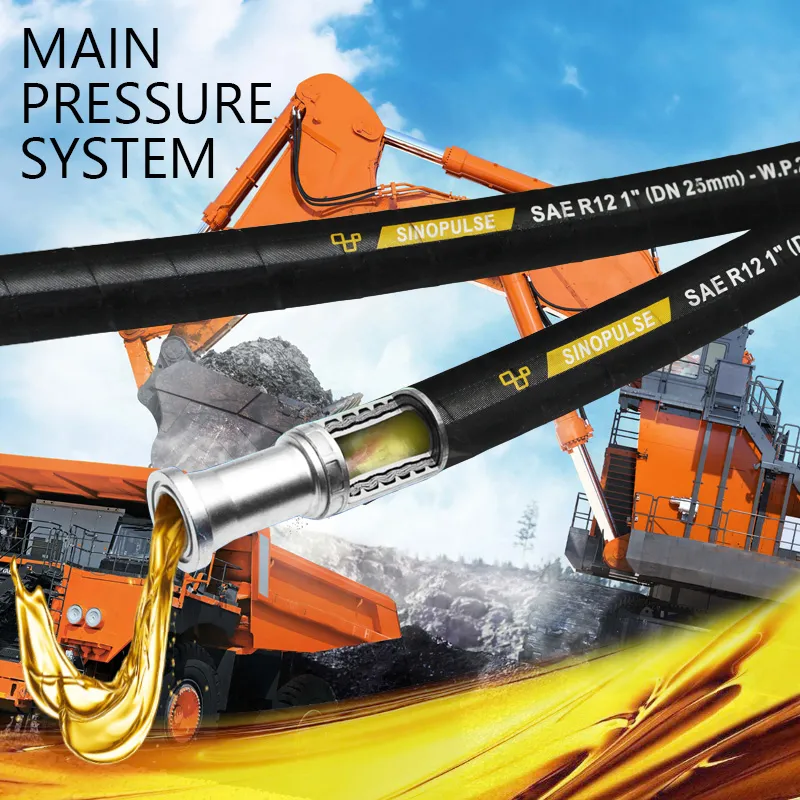
Polyurethane is a polymer composed of organic units joined by carbamate (urethane) links. Its properties are highly tunable based on the selection of polyols and isocyanates used in its synthesis. For hose applications, polyester-based polyurethers are common, offering excellent hydrolysis resistance. Ether-based polyurethers provide greater flexibility at low temperatures but are more susceptible to hydrolysis. The manufacturing process for PU hose typically involves extrusion, where the molten polyurethane is forced through a die to create the desired hose dimensions. Key parameters during extrusion include temperature control (affecting viscosity and bubble formation), pressure (influencing wall thickness and consistency), and cooling rate (determining crystallinity and mechanical properties). Reinforcement layers, often comprised of high-tensile strength textile braids (typically polyester or aramid) or spiral-wound steel wire, are incorporated during or immediately after extrusion to enhance pressure handling capabilities. The adhesion between the polyurethane matrix and the reinforcement is critical; poor adhesion leads to delamination and catastrophic failure. Post-extrusion processes often include curing to optimize crosslinking and physical properties, and dimensional inspection to ensure conformance to specifications. Discount suppliers may sometimes compromise on the quality of raw materials (using lower-grade polyols or recycled materials) or reduce curing times to lower production costs, impacting long-term durability.
Performance & Engineering
The performance of PU hose is dictated by several key engineering parameters. Burst pressure, determined by the reinforcement structure and material strength, is a primary consideration. Working pressure is typically specified as a fraction (e.g., 1/4) of the burst pressure, providing a safety factor. Tensile strength measures the hose’s resistance to stretching, crucial for applications involving dynamic loading or bending. Elongation at break indicates the degree of stretch before failure. Abrasion resistance, a hallmark of PU hose, is typically assessed using Taber abrasion tests, quantifying material loss under standardized conditions. Chemical resistance varies significantly depending on the polyurethane formulation; compatibility charts are essential to prevent swelling, degradation, or permeation. Temperature range dictates the operational limits; PU hose generally performs well between -40°C and +100°C, but prolonged exposure to extreme temperatures can lead to plasticizer migration and embrittlement. Fatigue life, the number of pressure cycles the hose can withstand before failure, is critical for applications involving pulsating flow. Proper hose assembly, including correct crimping of fittings, is vital to avoid stress concentrations and premature failure. Neglecting to account for these performance characteristics when selecting a discount supplier can result in unexpected failures and system downtime.
Technical Specifications
| Parameter | Standard Grade PU Hose | High-Performance PU Hose | Discount PU Hose (Typical) |
|---|---|---|---|
| Working Pressure (PSI) | 300 | 500 | 200 |
| Burst Pressure (PSI) | 900 | 1500 | 600 |
| Tensile Strength (PSI) | 3500 | 5000 | 2800 |
| Elongation at Break (%) | 400 | 500 | 300 |
| Abrasion Resistance (Taber Index) | 150 | 200 | 100 |
| Temperature Range (°C) | -40 to +100 | -40 to +120 | -20 to +80 |
Failure Mode & Maintenance
PU hose is susceptible to several failure modes. Abrasion, particularly in abrasive media applications, leads to gradual wear and thinning of the hose wall. Hydrolytic degradation, caused by exposure to water or moisture, breaks down the polyurethane polymer chains, reducing strength and flexibility. Chemical attack, from incompatible fluids, causes swelling, softening, or cracking. Fatigue cracking occurs under cyclic pressure, initiating at stress concentrations (e.g., near fittings). Kinking, caused by excessive bending, can permanently deform the hose and restrict flow. Delamination, resulting from poor adhesion between the polyurethane and reinforcement, leads to catastrophic failure. Maintenance practices include regular visual inspections for cracks, abrasions, or swelling. Pressure testing can identify leaks or weaknesses. Proper storage is crucial; hoses should be stored in a cool, dry place, away from direct sunlight and ozone. Avoid overbending or stretching the hose during installation or operation. When replacing fittings, ensure they are compatible with the hose material and properly crimped. Discount suppliers sometimes utilize lower-quality reinforcement, increasing the risk of delamination and reducing the overall fatigue life.
Industry FAQ
Q: What are the key differences in performance between polyester and aramid reinforcement in PU hose?
A: Polyester reinforcement provides good general-purpose strength and is more cost-effective. Aramid reinforcement offers significantly higher tensile strength and resistance to stretching, making it suitable for high-pressure, high-temperature applications, or where dynamic loading is a concern. However, aramid is more expensive and can be susceptible to UV degradation if not properly protected.
Q: How can I determine the chemical compatibility of a PU hose with a specific fluid?
A: Chemical compatibility charts are available from hose manufacturers and should be consulted before use. If the specific fluid is not listed, a small-scale compatibility test should be conducted, immersing a section of the hose in the fluid for a defined period and observing for swelling, discoloration, or degradation.
Q: What is the impact of plasticizer migration on the performance of PU hose?
A: Plasticizer migration occurs when the plasticizing agents within the polyurethane leach out over time, particularly at elevated temperatures. This results in a loss of flexibility, increased hardness, and reduced tensile strength. Selecting a hose with a low plasticizer content or using a specialized plasticizer resistant formulation can mitigate this issue.
Q: What are the proper crimping specifications for fittings on PU hose?
A: Crimping specifications vary depending on the hose size, fitting type, and reinforcement material. Manufacturers provide detailed crimping charts; failure to follow these specifications can lead to leaks, blowouts, or premature hose failure. A calibrated crimping tool is essential for accurate and consistent crimping.
Q: Are there any specific considerations when using PU hose in pneumatic applications?
A: In pneumatic systems, ensure the hose is rated for the operating pressure and temperature. Pay attention to potential static buildup, particularly when conveying dry air. Consider using a conductive PU hose to dissipate static charge and prevent sparks. Avoid sharp bends that can restrict airflow and cause kinking.
Conclusion
The selection of polyurethane hose, particularly from discount suppliers, necessitates a thorough understanding of material science, manufacturing nuances, and performance characteristics. Prioritizing key specifications such as burst pressure, tensile strength, abrasion resistance, and chemical compatibility is crucial for ensuring long-term operational reliability and minimizing the risk of failure. While cost savings are attractive, compromising on material quality or manufacturing processes can lead to premature degradation and costly downtime.
Ultimately, a strategic sourcing approach involves not only identifying a vendor offering competitive pricing, but also conducting due diligence to verify their quality control procedures and adherence to relevant industry standards. Proper installation, regular inspection, and proactive maintenance are essential components of a comprehensive hose management program, maximizing the lifespan and performance of polyurethane hose in demanding industrial environments.