


discount polyurethane hose supplier Performance Analysis

Introduction
Polyurethane (PU) hose represents a critical component in numerous industrial fluid transfer applications, gaining prominence due to its superior flexibility, abrasion resistance, and chemical compatibility compared to traditional rubber hoses. This guide provides an in-depth technical analysis of PU hose, specifically focusing on considerations for procurement from a discount polyurethane hose supplier. The industrial hose market is driven by demand from sectors including automotive, food & beverage, pharmaceutical, material handling, and pneumatic systems. PU hoses are particularly advantageous in applications requiring high pressure, pulsating flows, and resistance to oils and solvents. Key performance characteristics include burst pressure, working pressure, temperature range, and compatibility with conveyed media. Sourcing from a discount supplier necessitates a thorough understanding of material grades, manufacturing processes, and quality control measures to ensure performance meets application requirements. This document will explore these facets in detail, offering a comprehensive resource for engineering and procurement professionals.
Material Science & Manufacturing
Polyurethane hoses are typically constructed from thermoplastic polyurethane (TPU) elastomers, synthesized by reacting a polyol with a diisocyanate. The specific polyol and diisocyanate used dictate the hose’s physical and chemical properties. Polyester-based PU exhibits superior abrasion resistance, while polyether-based PU offers better hydrolysis resistance – critical in applications involving prolonged water exposure. Raw material quality is paramount; sourcing from reputable chemical suppliers ensures consistent polymer properties. Manufacturing processes primarily involve extrusion. TPU pellets are fed into an extruder, melted, and forced through a die to create a seamless tube. Critical parameters during extrusion include melt temperature, screw speed, and die pressure, all influencing the hose’s wall thickness uniformity and mechanical strength. Reinforcement layers, typically comprising of high-tensile strength textile braids (often polyester or aramid), are often embedded during extrusion to enhance burst pressure capability. Spiral reinforcement, using steel wire or synthetic fibers, is used for applications requiring even higher pressure ratings. Post-extrusion processes include cooling, coiling, and quality inspection. The manufacturing process influences critical characteristics such as dimensional accuracy, surface finish, and the absence of defects like voids or inclusions.
Performance & Engineering
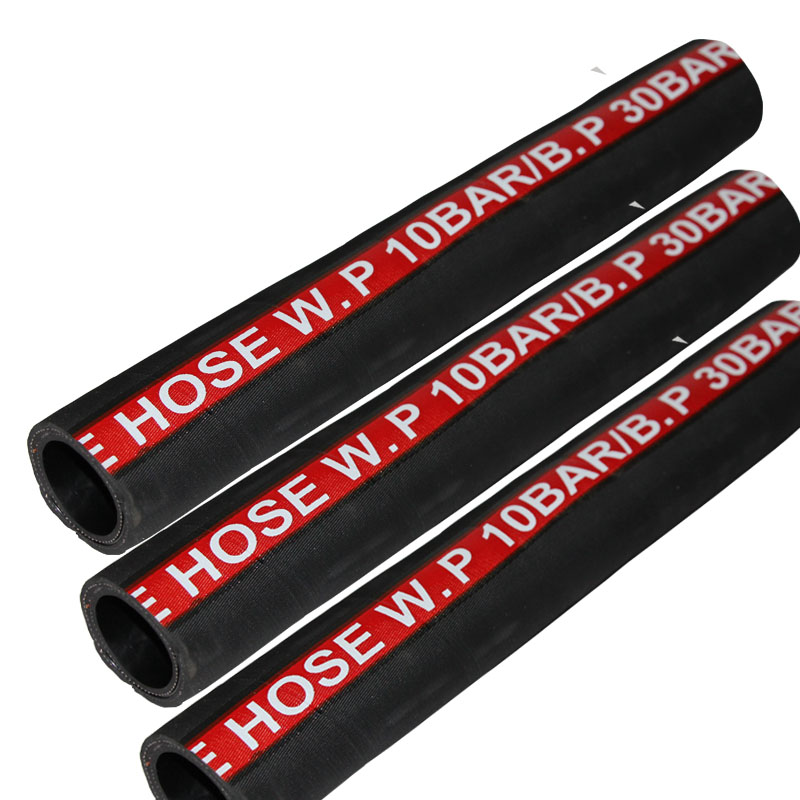
The performance of a PU hose is dictated by several engineering factors. Burst pressure, defined as the pressure at which the hose fails catastrophically, is a primary performance metric. Working pressure is typically specified as a fraction of the burst pressure, often 50-70%, to ensure a safety factor. Hose flexibility, assessed by bend radius, is crucial for ease of installation and operation. Too tight a bend radius can induce stress concentrations leading to premature failure. Environmental resistance is critical; PU hoses must withstand temperature fluctuations, exposure to UV radiation, and contact with various chemicals. Hydrolysis resistance, particularly important for pneumatic applications with compressed air containing moisture, must be considered. Force analysis involves calculating the hoop stress within the hose wall under internal pressure. This stress is directly proportional to the internal pressure and radius, and inversely proportional to the wall thickness. Material selection and reinforcement design aim to minimize this stress, ensuring long-term reliability. Compliance requirements vary by industry. Food-grade PU hoses must comply with FDA regulations (21 CFR 177.2600) regarding extractables and leachables. Hoses used in hydraulic systems must meet standards set by SAE International. Proper fitting selection and installation are vital. Incorrect fittings can create leak paths or induce stress concentrations leading to failure.
Technical Specifications
| Parameter | Typical Value (Standard Grade PU Hose) | High-Performance PU Hose | Reinforcement Type |
|---|---|---|---|
| Working Pressure (PSI) | 200 | 500 | Polyester Braid |
| Burst Pressure (PSI) | 600 | 1500 | Aramid Braid |
| Temperature Range (°F) | -40 to 176 | -60 to 212 | N/A |
| Abrasion Resistance (Taber Abrasion Index) | 150 | 300 | N/A |
| Chemical Resistance | Oils, Solvents (Limited) | Wide Range of Chemicals | N/A |
| Bend Radius (Inches) | 6 | 8 | N/A |
Failure Mode & Maintenance
Polyurethane hoses are susceptible to several failure modes. Fatigue cracking, induced by repeated flexing and pressure cycles, is a common issue. This is exacerbated by excessive bend radii or operating pressures. Hydrolytic degradation occurs when the PU material reacts with water, leading to a loss of mechanical properties. This is more prevalent in polyether-based PU if not properly stabilized. Abrasion wear, particularly in abrasive environments, causes gradual material loss, reducing wall thickness and ultimately leading to failure. Chemical attack, resulting from incompatibility with conveyed media, can cause swelling, softening, or cracking. Oxidation, especially at elevated temperatures, can lead to embrittlement. Failure analysis should include visual inspection for cracks, bulges, or discoloration; pressure testing to identify leaks; and potentially, material analysis to determine the root cause of failure. Preventative maintenance includes regular visual inspections, pressure testing, and replacement of hoses at predetermined intervals based on operating conditions and application criticality. Proper storage of spare hoses is also crucial; avoid exposure to direct sunlight, extreme temperatures, and incompatible chemicals. Avoid kinking the hose during installation and operation.
Industry FAQ
Q: What is the primary difference between polyester and polyether-based polyurethane hoses, and which should I choose for a compressed air application?
A: Polyester-based PU offers superior abrasion resistance, making it suitable for applications involving particulate matter. Polyether-based PU exhibits better hydrolysis resistance, crucial for compressed air systems as compressed air inherently contains moisture. For compressed air, polyether-based PU is generally preferred to prevent degradation of the hose wall due to moisture absorption and subsequent chemical breakdown. However, ensure the polyether-based PU is stabilized against hydrolysis through the addition of additives.
Q: How does reinforcement type (braid vs. spiral) affect hose performance and cost?
A: Textile braid reinforcement (polyester or aramid) increases burst pressure capability and provides good flexibility. Spiral reinforcement (steel or synthetic fiber) offers significantly higher burst pressures but reduces flexibility. Braid-reinforced hoses are generally less expensive than spiral-reinforced hoses. The choice depends on the required pressure rating and the application's flexibility needs.
Q: What are the key considerations when selecting fittings for a polyurethane hose?
A: Fittings must be compatible with the hose material and operating pressure. Barb fittings provide a secure connection when properly clamped. Threaded fittings offer more robust connections but require careful torqueing to avoid damaging the hose or fitting. Consider the fitting material; brass and stainless steel are common choices. Ensure the fitting’s inner diameter matches the hose’s inner diameter to minimize flow restriction.
Q: How can I verify the chemical compatibility of a polyurethane hose with the fluid it will convey?
A: Consult a chemical compatibility chart provided by the hose manufacturer. These charts list the compatibility of PU materials with various chemicals. If the specific chemical is not listed, a small-scale compatibility test is recommended. Submerge a hose sample in the chemical for a specified period and observe for any signs of swelling, softening, or discoloration.
Q: What quality control measures should I expect from a discount polyurethane hose supplier?
A: Even from a discount supplier, expect basic quality control measures such as hydrostatic testing (pressure testing to verify burst pressure), dimensional inspection (to ensure hose diameter and wall thickness are within tolerances), and visual inspection for defects. Request documentation demonstrating these tests were performed and results meet specified standards. Traceability to raw material lots is also a good indicator of quality control.
Conclusion
Polyurethane hose offers a compelling combination of flexibility, durability, and chemical resistance, making it a versatile choice for diverse industrial applications. Successful implementation relies on a thorough understanding of material properties, manufacturing processes, and potential failure modes. When sourcing from a discount supplier, diligent verification of quality control measures and thorough performance evaluation are crucial to mitigate risks and ensure long-term reliability. Understanding the interplay between working pressure, burst pressure, temperature range, and chemical compatibility is paramount for optimal hose selection.
The trend towards lighter weight and increased efficiency in industrial equipment will continue to drive demand for high-performance PU hoses. Future developments are likely to focus on enhanced chemical resistance, improved abrasion protection, and the integration of smart sensors for real-time monitoring of hose condition. Prioritizing preventative maintenance and adhering to industry best practices will maximize hose lifespan and minimize downtime, contributing to overall operational efficiency.