


discount mining hydraulic hose service Performance Analysis
Introduction
Discount mining hydraulic hose service represents a critical component within the broader materials handling and resource extraction infrastructure. Hydraulic hoses are integral to powering heavy machinery utilized in mining operations, including excavators, loaders, drills, and conveying systems. The specific focus on ‘discount’ service denotes a competitive pricing strategy aimed at reducing operational costs for mining companies, acknowledging the high-volume, often cyclical, demand for hose replacement and repair. This guide provides an in-depth technical assessment of mining hydraulic hoses, encompassing material science, manufacturing processes, performance characteristics, failure modes, and relevant industry standards. The core performance metrics revolve around pressure capacity, burst strength, abrasion resistance, and operational temperature range, all of which are paramount in the demanding mining environment. The industry pain point lies in minimizing downtime due to hose failure, optimizing hose lifespan to reduce replacement frequency, and ensuring robust performance under extreme conditions.
Material Science & Manufacturing
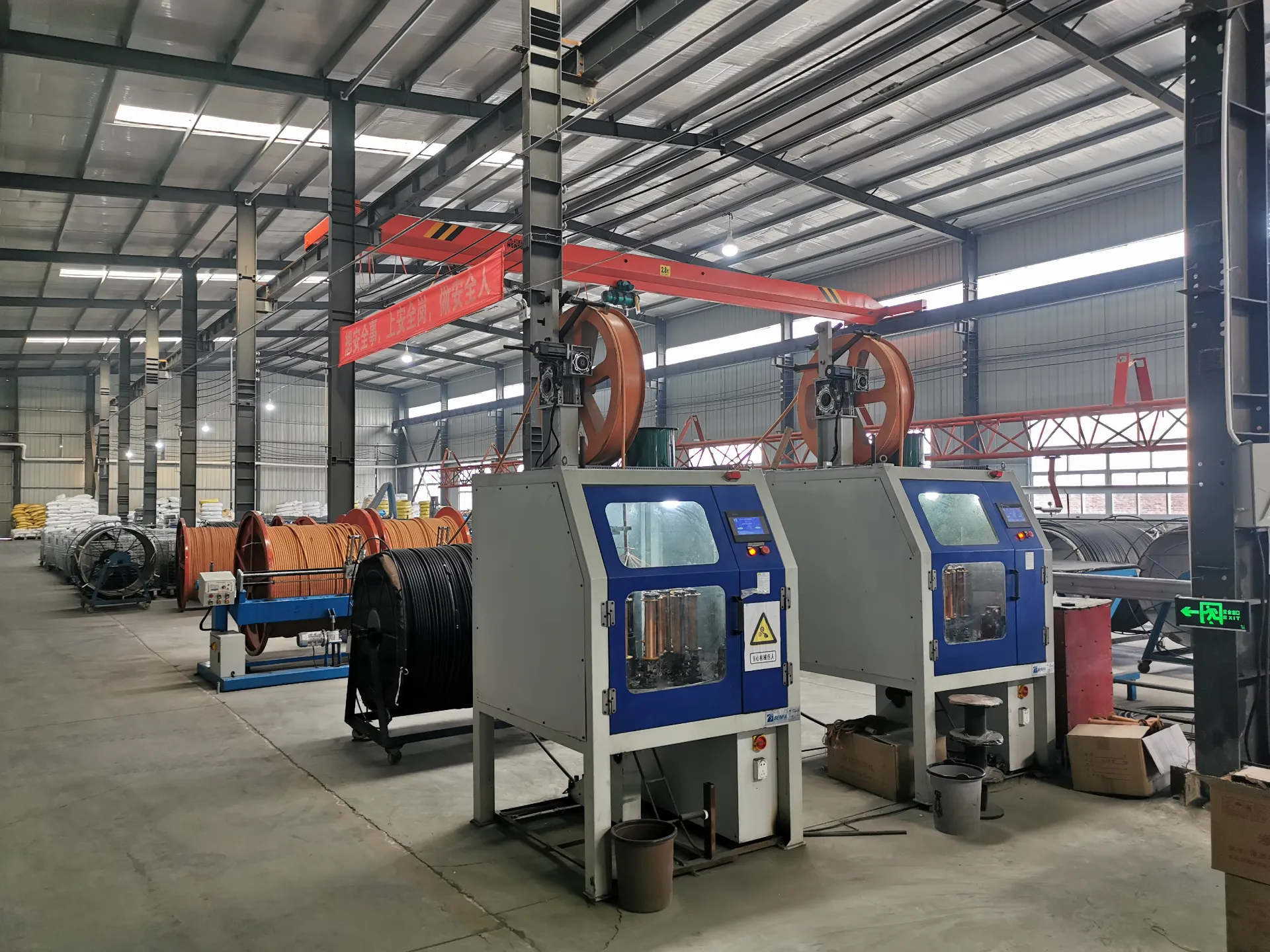
Mining hydraulic hoses are typically constructed from multiple layers, each contributing to specific performance characteristics. The inner tube is commonly composed of synthetic rubbers like nitrile (NBR) for oil resistance, or fluorocarbon (FKM/Viton) for compatibility with highly aggressive fluids and extreme temperatures. Reinforcement layers are critical, employing high-tensile steel wire (single or multi-spiral) to withstand immense internal pressures. Cover materials frequently utilize abrasion-resistant compounds such as polyurethane or a blend of synthetic rubbers. The manufacturing process begins with extrusion of the inner tube, followed by helical winding of the steel wire reinforcement. This is then followed by the application of bonding adhesives and the outer cover. Critical parameters include wire tension during winding (affecting burst pressure), adhesive viscosity and cure time (impacting layer adhesion), and cover thickness (determining abrasion resistance). Manufacturing defects such as porosity in the rubber, incomplete wire wrapping, or insufficient bonding can lead to premature failure. The selection of materials must also account for chemical compatibility with the hydraulic fluids used in mining operations, as incompatibility can lead to swelling, degradation, and reduced hose life. Specific gravity and Shore hardness are routinely tested to ensure compliance with specifications. Furthermore, specialized hoses might incorporate anti-static compounds to prevent the buildup of electrostatic charge in environments with flammable materials.
Performance & Engineering
The performance of mining hydraulic hoses is dictated by several key engineering considerations. Force analysis focuses on hoop stress (pressure exerted radially on the hose wall) and longitudinal stress (caused by pressure and bending). Burst pressure is a critical specification, typically exceeding the maximum operating pressure by a safety factor (often 4:1). Abrasion resistance is evaluated using standardized tests like the Taber abrasion test, measuring weight loss after exposure to abrasive media. Environmental resistance encompasses temperature extremes (often -40°C to +100°C or higher in mining applications), exposure to UV radiation, and resistance to ozone cracking. Compliance requirements are stringent, dictated by organizations such as the Society of Automotive Engineers (SAE) and the International Organization for Standardization (ISO). Functional implementation demands careful consideration of hose routing, bend radius (to avoid kinking and fatigue), and connection types (e.g., crimped fittings, field-attachable fittings). Fatigue life is a significant concern, as continuous flexing and vibration contribute to material degradation. Proper hose guard protection is crucial to prevent damage from rock impacts, abrasion, and entanglement. Hose selection must align with the hydraulic system’s flow rate, pressure, and fluid type to ensure optimal performance and longevity.
Technical Specifications
| Parameter | Unit | Typical Value (Mining Hose) | Test Standard |
|---|---|---|---|
| Working Pressure | MPa | 35-70 | SAE J517 |
| Burst Pressure | MPa | 140-280 | SAE J517 |
| Temperature Range | °C | -40 to +100 | ISO 6898 |
| Abrasion Resistance (Weight Loss) | g | < 0.5 | ASTM D5963 |
| Hose Diameter (ID) | mm | 13-51 | ISO 6898 |
| Reinforcement Type | - | Multi-Spiral Steel Wire | SAE J517 |
Failure Mode & Maintenance
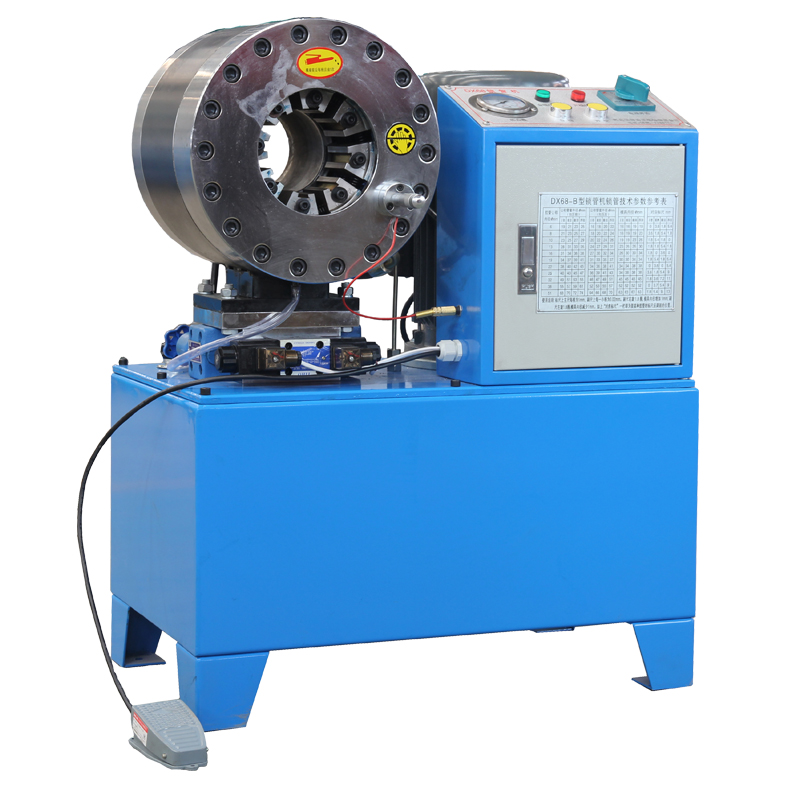
Mining hydraulic hoses are subject to several common failure modes. Fatigue cracking occurs due to repeated flexing and vibration, initiated at stress concentration points (e.g., near fittings). Abrasion wear results from contact with abrasive materials like rocks and soil. Pinholes and leaks can develop due to internal corrosion or damage to the inner tube. Burst failure occurs when the internal pressure exceeds the hose’s capacity. Delamination separates the reinforcement layers from the inner tube or cover, compromising structural integrity. Oxidation and UV degradation cause rubber hardening and cracking, reducing flexibility and strength. Maintenance solutions include regular visual inspections for signs of wear, damage, or leaks. Pressure testing can identify weaknesses before catastrophic failure. Proper hose routing and guarding are essential to prevent abrasion and impact damage. Hose should be replaced at scheduled intervals or when signs of deterioration are observed. Correct fitting selection and crimping procedures are crucial to ensure secure connections. Fluid contamination can accelerate hose degradation, necessitating regular fluid analysis and filtration. Utilizing a preventative maintenance program with detailed inspection logs is the most effective strategy to minimize downtime and extend hose lifespan.
Industry FAQ
Q: What is the impact of hydraulic fluid type on hose life in mining applications?
A: The type of hydraulic fluid significantly impacts hose life. Fluids containing aggressive additives or high water content can cause swelling, degradation, and corrosion of the hose’s inner tube. Phosphate ester fluids require specialized hose materials (e.g., FKM inner tubes) due to their inherent incompatibility with standard nitrile rubber. Regularly analyzing the fluid and selecting a hose compatible with its composition is crucial.
Q: How does hose bend radius affect performance and longevity?
A: Exceeding the minimum recommended bend radius induces excessive stress on the hose reinforcement, leading to premature fatigue failure. Sharp bends also restrict fluid flow and increase pressure drop. Maintaining the specified bend radius ensures optimal performance and maximizes hose lifespan. Proper hose routing and support are essential.
Q: What are the key considerations for selecting hose fittings?
A: Fitting selection must align with the hose type, operating pressure, and fluid compatibility. Incorrect fitting materials can corrode or leak. The crimping procedure must be performed correctly to ensure a secure and reliable connection. Using high-quality fittings and employing certified crimping technicians are essential for preventing failures.
Q: What are the benefits of utilizing hose guards in mining environments?
A: Hose guards provide crucial protection against abrasion, impact damage, and entanglement, significantly extending hose lifespan. They are particularly important in areas prone to rock falls or where hoses are exposed to moving machinery. Selecting the appropriate guard material (e.g., spiral wrap, heavy-duty sleeves) depends on the specific environmental hazards.
Q: How often should hydraulic hoses be inspected and replaced in a mining operation?
A: Inspection frequency depends on the severity of the operating conditions. Daily visual inspections should be conducted for obvious signs of damage. More thorough inspections, including pressure testing, should be performed at scheduled intervals (e.g., monthly or quarterly). Hoses should be replaced proactively based on inspection findings, operating hours, or manufacturer recommendations. A preventative maintenance program is highly recommended.
Conclusion
Discount mining hydraulic hose service, at its core, is about balancing cost-effectiveness with unwavering reliability. The demands of the mining sector – extreme pressures, abrasive environments, and continuous operation – necessitate a deep understanding of material science, manufacturing tolerances, and the potential failure modes inherent in hydraulic hose systems. Proactive maintenance, coupled with judicious material selection and adherence to industry standards, is paramount in minimizing downtime and maximizing return on investment.
Looking ahead, advancements in hose technology will likely focus on developing more durable materials, incorporating smart sensing capabilities for real-time condition monitoring, and improving manufacturing processes to enhance consistency and quality. The integration of predictive maintenance strategies, leveraging data analytics to anticipate failures before they occur, represents a significant opportunity to optimize hose management and further reduce operational costs within the mining industry.