


discount durable rubber hydraulic hose products Performance Analysis
Introduction
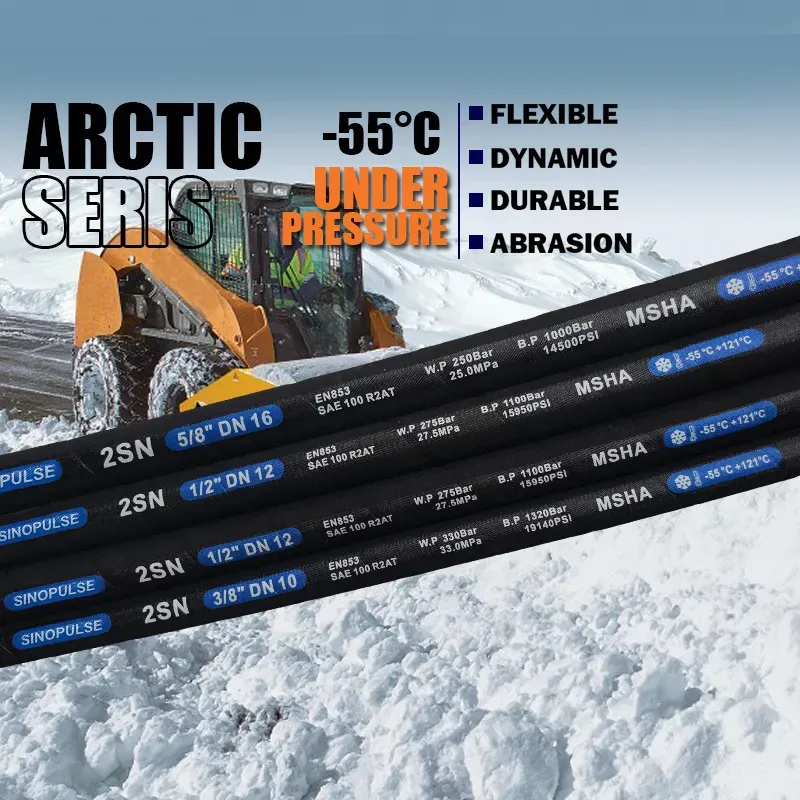
Rubber hydraulic hose, integral to fluid power systems, transmits hydraulic fluid to actuate machinery. This guide focuses on discount durable rubber hydraulic hoses – specifically, hoses designed for reliable performance within budgetary constraints. Their technical position lies between premium, specialized hoses (e.g., those employing exotic polymers or specialized reinforcement) and basic, low-cost options. Core performance characteristics include pressure rating, burst pressure, temperature range, fluid compatibility, and abrasion resistance. The industry's primary pain point is balancing cost with longevity and safety; compromised materials or manufacturing can lead to premature failure, system downtime, and potential hazards. This guide provides a detailed analysis of materials, manufacturing, performance, failure modes, and relevant standards to facilitate informed procurement and proper application of these critical components.
Material Science & Manufacturing
Discount durable rubber hydraulic hoses typically utilize a synthetic rubber blend for the inner tube, commonly a combination of Styrene-Butadiene Rubber (SBR) and Nitrile Butadiene Rubber (NBR). SBR offers cost-effectiveness and good abrasion resistance, while NBR provides excellent oil resistance. The reinforcement layer is frequently comprised of multiple plies of high-tensile steel wire, spirally wound or braided. Wire gauge and ply count directly correlate to the hose’s pressure rating. The outer cover generally consists of Chloroprene rubber (Neoprene) for its resistance to weathering, ozone, and abrasion. Manufacturing processes begin with rubber compounding – precisely mixing polymers, plasticizers, fillers (carbon black, clay), and curing agents. The inner tube is extruded, followed by the application of reinforcement layers via winding or braiding machines. Strict tension control during reinforcement application is critical; inconsistent tension leads to uneven stress distribution and potential failure. The outer cover is then extruded, and the hose is cured in a heated autoclave. Parameter control during curing – temperature, pressure, and time – dictates the final rubber properties (hardness, tensile strength, elongation). Post-curing, hoses undergo pressure testing to verify integrity, and end fittings are crimped onto the hose using calibrated crimping machines. Fitting selection and crimp quality are paramount to prevent leakage and separation under pressure.
Performance & Engineering
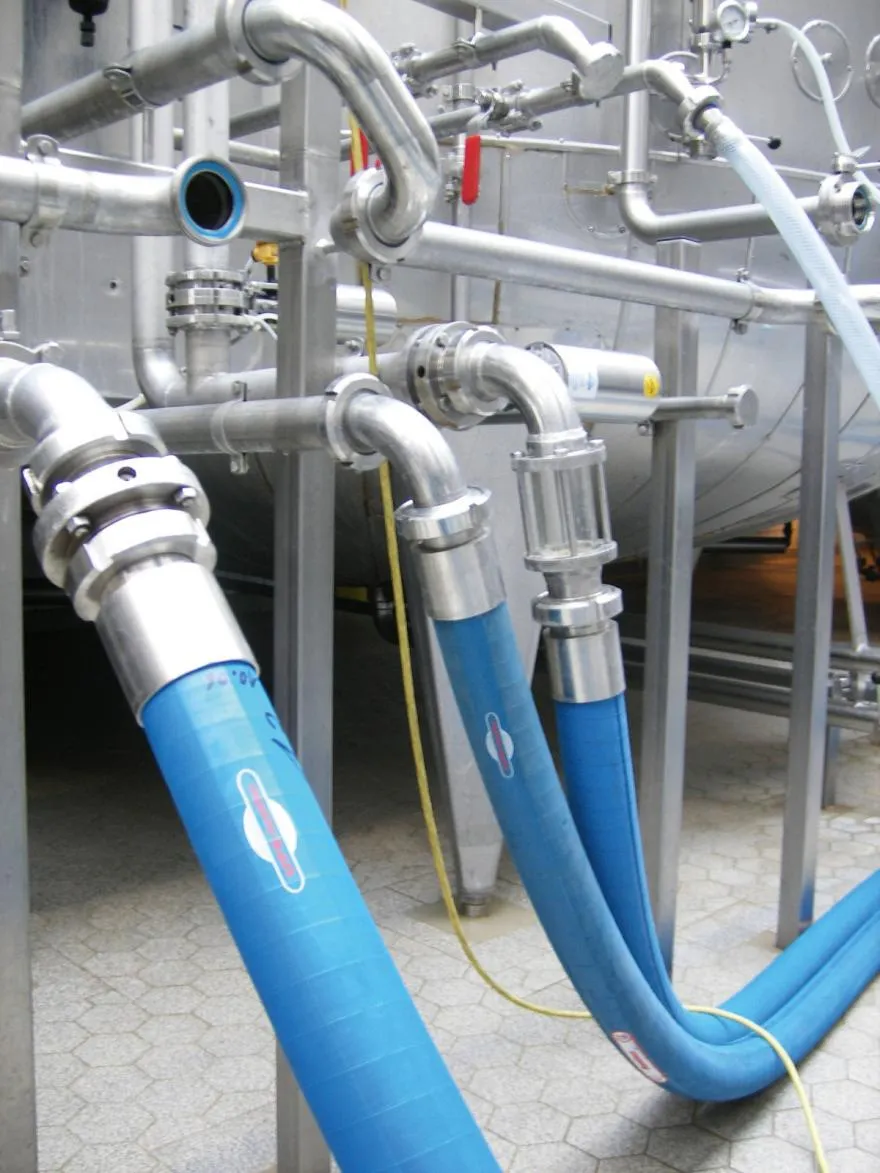
Hydraulic hose performance is dictated by several engineering principles. Burst pressure, typically four times the working pressure, is determined by the reinforcement layer’s tensile strength and the rubber’s cohesive strength. Fatigue life, the hose's resistance to repeated pressure cycles, is affected by stress concentration at fittings and inherent material defects. Hose bend radius is critical; exceeding the minimum bend radius causes kinking, restricting flow and damaging the reinforcement. Environmental resistance is influenced by the rubber compound's formulation. Exposure to ozone, UV radiation, and extreme temperatures can cause cracking and hardening. Fluid compatibility is a major consideration. Incompatible fluids can swell the rubber, reducing its elasticity and leading to failure. Proper hose routing minimizes abrasion and protects against damage from external factors. Force analysis during installation and operation considers axial tension, bending moments, and external loads. Compliance requirements, such as those outlined by SAE J517 and EN 853, dictate minimum performance standards for pressure, temperature, and burst resistance. These standards also address marking requirements, ensuring traceability and identification of hose specifications.
Technical Specifications
| Parameter | Typical Value (Discount Durable Hose) | Testing Standard | Unit |
|---|---|---|---|
| Working Pressure | 2000-3000 | SAE J517 | PSI |
| Burst Pressure | 8000-12000 | SAE J517 | PSI |
| Temperature Range | -40 to +100 | SAE J517 | °C |
| Inner Tube Material | SBR/NBR Blend | ASTM D2000 | - |
| Reinforcement | Multiple Steel Wire Plies | SAE J517 | - |
| Outer Cover Material | Chloroprene (Neoprene) | ASTM D2000 | - |
Failure Mode & Maintenance
Common failure modes in discount durable rubber hydraulic hoses include: 1) Fatigue Cracking: Initiated by repeated flexing and pressure cycles, particularly near fittings. Microscopic cracks propagate over time, eventually leading to complete failure. 2) Abrasion Damage: External abrasion from rubbing against other components or the environment wears away the outer cover, exposing the reinforcement. 3) Kinking: Excessive bending below the minimum bend radius damages the reinforcement and restricts flow. 4) Pinholes: Small punctures in the inner tube caused by internal corrosion or external damage. 5) Fitting Separation: Improper crimping or corrosion at the fitting interface leads to leakage or complete separation. 6) Oxidation & Ozone Cracking: Exposure to oxygen and ozone degrades the rubber compound, causing surface cracking and loss of elasticity. Maintenance recommendations include regular visual inspections for cracks, abrasions, and leaks. Hose routing should be optimized to minimize bending and abrasion. Fluid contamination should be prevented through filtration. Hoses should be replaced at scheduled intervals or immediately upon detection of damage. Proper storage – cool, dry, and away from sunlight – extends hose life. Periodic pressure testing can proactively identify potential weaknesses.
Industry FAQ
Q: What is the impact of fluid type on the lifespan of a discount durable rubber hose?
A: Fluid compatibility is crucial. Using a fluid not recommended by the hose manufacturer (typically indicated by fluid resistance charts) can cause swelling, softening, or degradation of the inner tube material. This reduces the hose's pressure rating, flexibility, and ultimately, its lifespan. Petroleum-based fluids generally work well with NBR, but specialized fluids (e.g., phosphate esters) may require different rubber compounds.
Q: How does temperature affect the performance of these hoses?
A: Both high and low temperatures can compromise hose performance. High temperatures accelerate rubber degradation, reducing its tensile strength and elasticity. Low temperatures can cause the rubber to stiffen, increasing the risk of cracking during bending. Operating outside the specified temperature range (typically -40°C to +100°C for discount durable hoses) significantly reduces lifespan.
Q: What are the common causes of hose burst, and how can they be prevented?
A: Bursting is often caused by exceeding the working pressure, fatigue failure, or damage to the reinforcement. Prevention involves selecting a hose with a sufficient pressure rating for the application, avoiding excessive pressure spikes, inspecting for damage regularly, and maintaining proper hose routing to prevent abrasion and kinking.
Q: What is the significance of the hose’s “bend radius”?
A: The bend radius is the minimum recommended radius for bending the hose without causing damage. Bending below the specified radius stresses the reinforcement layer, leading to premature fatigue failure. Proper hose routing and support are essential to maintain the correct bend radius.
Q: How do I determine the correct fitting for a discount durable rubber hose?
A: Correct fitting selection is paramount. Fittings must be compatible with the hose type and size, and the crimp must be performed according to the manufacturer's specifications using a calibrated crimping machine. Using the wrong fitting or an improper crimp can lead to leakage or fitting separation under pressure.
Conclusion
Discount durable rubber hydraulic hoses represent a cost-effective solution for many fluid power applications, but their performance and longevity are intrinsically linked to material selection, manufacturing quality, and proper application. Understanding the fundamental principles of material science, engineering considerations, and potential failure modes is crucial for ensuring safe and reliable operation. Prioritizing preventative maintenance, regular inspections, and adherence to industry standards will maximize the service life of these components and minimize the risk of costly downtime and potential hazards.
Moving forward, advancements in rubber compounding and reinforcement technologies will continue to improve the performance and durability of discount durable hydraulic hoses. Focus on optimizing hose routing, implementing robust filtration systems, and utilizing advanced diagnostic tools will further enhance the reliability of hydraulic systems. Ultimately, a holistic approach encompassing informed procurement, proper installation, diligent maintenance, and adherence to relevant standards is essential for achieving optimal results.