


custom r8 twin hose factory Performance Engineering

Introduction
Custom R8 twin hose assemblies represent a critical component within hydraulic systems utilized across a diverse range of industrial applications, including construction equipment, agricultural machinery, and manufacturing processes. These assemblies, characterized by their robust construction and ability to convey hydraulic fluid under significant pressure, are often specified to precise dimensional and performance requirements. The R8 designation refers to the standardized hose size, dictating the inner diameter and subsequent flow capacity. Twin hose configurations are frequently employed where separate lines for supply and return are necessary, often incorporating differing material constructions for optimized performance within specific fluid compatibility parameters. The increasing demand for customized solutions—driven by the need for optimized space utilization, reduced weight, and enhanced operational efficiency—has positioned custom R8 twin hose fabrication as a specialized area within the hydraulic component supply chain. This guide details the material science, manufacturing processes, performance characteristics, potential failure modes, and relevant industry standards associated with custom R8 twin hose assemblies.
Material Science & Manufacturing
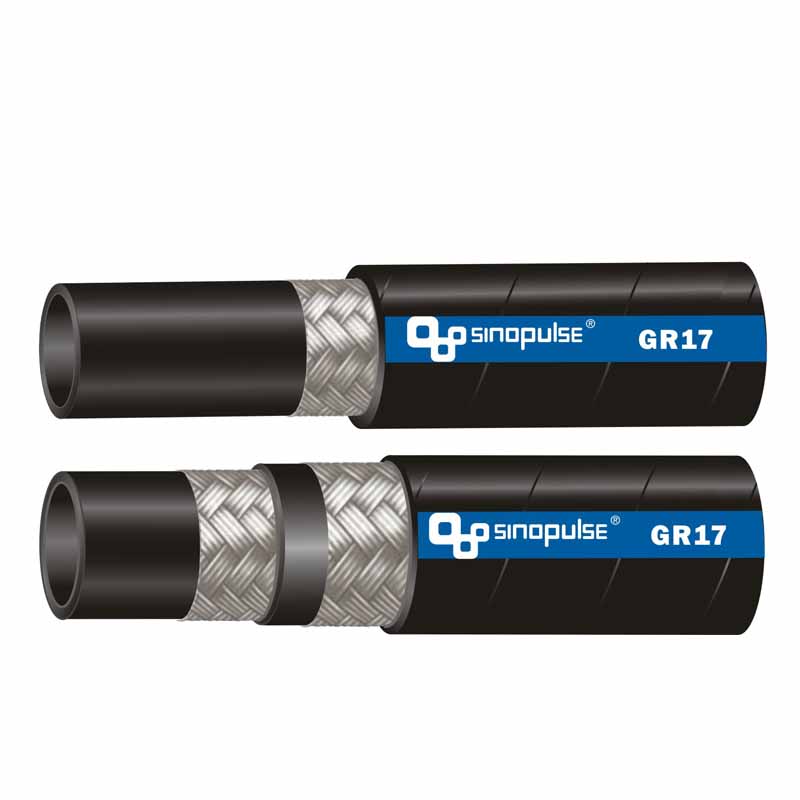
R8 twin hose assemblies are typically constructed from a combination of materials, each selected for its specific properties. The inner tube, which comes into direct contact with the hydraulic fluid, is commonly composed of synthetic rubber compounds such as Nitrile (NBR), Ethylene Propylene Diene Monomer (EPDM), or Fluorocarbon (FKM/Viton), depending on the fluid compatibility requirements. NBR offers excellent resistance to petroleum-based hydraulic fluids but limited resistance to ozone and weathering. EPDM provides superior resistance to heat, ozone, and weathering but may be less compatible with certain petroleum products. FKM offers the broadest chemical compatibility, including resistance to aggressive fluids and high temperatures, but is also the most expensive. The reinforcement layer, providing the hose with its pressure resistance, traditionally utilizes multiple braids of high-tensile steel wire. The number of braids (typically 2, 4, or 6) directly correlates with the working pressure rating. Increasingly, synthetic fiber reinforcements, such as Aramid, are employed to reduce weight and enhance flexibility. The outer cover is typically constructed from synthetic rubber, offering protection against abrasion, weathering, and oil exposure. The manufacturing process begins with extrusion of the inner tube and outer cover. The reinforcement layer is then applied via a braiding machine, precisely winding the steel or synthetic fibers around the inner tube. Following braiding, the hose is vulcanized – a process involving heating under pressure to chemically crosslink the rubber compounds, imparting their desired properties. Critical parameters during vulcanization include temperature, time, and pressure; deviations can result in compromised material properties and reduced hose life. Finally, the hose is inspected for defects, cut to length, and fitted with the appropriate end fittings, employing crimping processes to ensure a secure and leak-free connection.
Performance & Engineering
The performance of an R8 twin hose assembly is governed by several key engineering considerations. Burst pressure, working pressure, and impulse pressure ratings are critical parameters dictated by the hose construction and reinforcement configuration. Burst pressure represents the maximum pressure the hose can withstand before rupture, while working pressure is a fraction of the burst pressure, defining the safe operating limit. Impulse pressure, frequently overlooked, refers to the hose’s ability to withstand pressure fluctuations and spikes generated by hydraulic pumps and valves. Flexibility, measured by bend radius, is crucial for installation and operation within confined spaces. Excessive bending can lead to kinking and premature failure. Temperature resistance, determined by the rubber compounds used, must align with the operating temperature range of the hydraulic system. Exposure to temperatures outside the specified range can cause material degradation and loss of performance. Furthermore, the hose assembly must exhibit resistance to fluid permeation—the leakage of hydraulic fluid through the hose wall—to prevent environmental contamination and maintain system efficiency. Finite element analysis (FEA) is routinely employed during the design phase to simulate stress distributions under various loading conditions, optimizing hose construction and ensuring structural integrity. Compliance with industry standards, such as SAE J517 and EN 853, is essential to guarantee performance and safety. Static and dynamic testing are conducted to validate the hose assembly's ability to meet these requirements, including pressure testing, impulse testing, and bend testing.
Technical Specifications
| Parameter | Unit | Typical Value (R8 Twin Hose) | Testing Standard |
|---|---|---|---|
| Inner Diameter | mm | 10.2 | SAE J518 |
| Working Pressure | MPa | 20-35 (depending on reinforcement) | SAE J517 / EN 853 |
| Burst Pressure | MPa | 60-105 (depending on reinforcement) | SAE J517 / EN 853 |
| Temperature Range | °C | -40 to +100 (NBR), -40 to +120 (EPDM) | SAE J517 |
| Reinforcement Type | - | 2/4/6 Steel Wire Braid, Aramid Fiber | SAE J517 |
| Fluid Compatibility | - | Petroleum-based fluids, water-glycol fluids (dependent on inner tube material) | DIN 73750 |
Failure Mode & Maintenance
R8 twin hose assemblies are susceptible to several failure modes, often stemming from operational stresses and environmental factors. Fatigue cracking, initiated by repeated flexing and pressure cycling, is a common cause of failure, particularly near the end fittings. Delamination of the reinforcement layer can occur due to inadequate bonding during vulcanization or exposure to corrosive fluids. Abrasion of the outer cover, resulting from contact with abrasive surfaces, can expose the reinforcement layer to corrosion. Oxidation of the rubber compounds, accelerated by exposure to heat, ozone, and UV radiation, leads to hardening and cracking. Internal degradation of the inner tube can occur due to chemical attack by incompatible fluids. Improper installation, including excessive bending or twisting, can induce localized stresses and accelerate failure. Maintenance practices are critical for extending the service life of R8 twin hose assemblies. Regular visual inspections should be conducted to identify signs of wear, damage, or leakage. Hoses should be replaced immediately if any cracks, bulges, or abrasions are detected. End fittings should be inspected for corrosion and proper crimping. Hydraulic fluid should be maintained at the correct level and replaced periodically to prevent contamination and ensure proper lubrication. Proper routing and support of the hose assembly are essential to minimize stress and prevent abrasion. Storing spare hoses in a cool, dry, and dark environment will prevent premature degradation.
Industry FAQ
Q: What are the key considerations when selecting the inner tube material for an R8 twin hose assembly intended for use with phosphate ester hydraulic fluid?
A: Phosphate ester fluids are notoriously aggressive and require highly specialized inner tube materials. Standard NBR or EPDM are not suitable and will rapidly degrade. FKM (Viton) is generally the material of choice, offering excellent chemical resistance. However, even within FKM, specific formulations are required to ensure long-term compatibility. PTFE (Teflon) inner tubes offer the highest level of resistance but are considerably more expensive and challenging to manufacture.
Q: How does the number of reinforcement braids affect the working pressure and flexibility of an R8 twin hose?
A: Increasing the number of reinforcement braids directly increases the working pressure capacity of the hose. However, this comes at the cost of reduced flexibility. A 2-braid hose offers the best flexibility but the lowest pressure rating. A 4-braid hose represents a good balance between pressure and flexibility, while a 6-braid hose provides the highest pressure rating but is the least flexible. The appropriate braid count depends on the specific application requirements.
Q: What is the significance of the SAE J517 standard for R8 twin hose assemblies?
A: SAE J517 defines the performance requirements for hydraulic hose, including working pressure, burst pressure, temperature range, and fluid compatibility. Compliance with SAE J517 ensures that the hose assembly meets minimum safety and performance standards. It also provides a common framework for specifying and comparing different hose products.
Q: What is the proper procedure for crimping end fittings onto an R8 twin hose assembly?
A: Proper crimping is crucial for a leak-free connection. The crimp machine must be calibrated and set to the correct parameters specified by the end fitting manufacturer. Incorrect crimping can result in a loose connection, leading to leakage, or an over-crimped connection, potentially damaging the hose. The hose should be inspected after crimping to ensure proper deformation of the ferrule and a secure grip on the hose reinforcement.
Q: What are the recommended practices for preventing hose twisting during installation?
A: Hose twisting introduces stress into the hose construction and can significantly reduce its service life. Use swivel fittings where possible to allow the hose to rotate freely. Ensure adequate slack in the hose routing to accommodate movement of the connected equipment. Avoid forcibly twisting the hose during installation. If twisting is unavoidable, carefully untwist the hose before applying pressure.
Conclusion
Custom R8 twin hose assemblies are engineered components demanding careful consideration of material selection, manufacturing processes, and operational parameters. The interplay between inner tube compatibility, reinforcement configuration, and outer cover protection dictates the hose’s performance characteristics and longevity. Understanding the potential failure modes, and implementing proactive maintenance practices are paramount to ensuring reliable and safe operation.
As hydraulic systems continue to evolve, driven by the demands for increased efficiency, reduced emissions, and enhanced performance, the demand for customized R8 twin hose solutions will only intensify. Future developments will likely focus on advanced materials, such as thermoplastic hoses offering improved chemical resistance and reduced weight, and smart hose technologies incorporating sensors for real-time monitoring of pressure, temperature, and fluid condition. Adherence to stringent industry standards, coupled with a commitment to continuous improvement in manufacturing and testing methodologies, will be critical for maintaining the integrity and reliability of these essential components.