


custom flexible hydraulic hose exporter Performance Analysis
Introduction
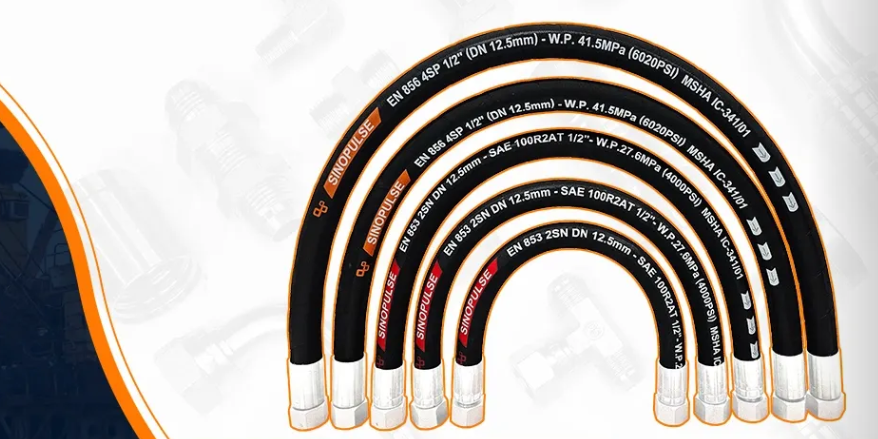
Custom flexible hydraulic hoses are engineered fluid conveyance systems integral to the operation of heavy machinery across diverse industries including construction, agriculture, manufacturing, oil & gas, and aerospace. Unlike rigid piping, these hoses offer the adaptability required for dynamic applications involving movement, vibration, and varying temperature conditions. Their technical position within the supply chain lies between the hydraulic power unit (pump, reservoir, valves) and the actuator (cylinder, motor), transmitting pressurized fluid – typically hydraulic oil – to perform work. Core performance characteristics are defined by working pressure, burst pressure, temperature range, fluid compatibility, and bend radius. The key differentiating factor in custom hose production is the tailoring of these characteristics to meet specific application demands, diverging from standardized, off-the-shelf options. This necessitates precise material selection, reinforcement strategies, and end-fitting integration, posing significant engineering and quality control challenges.
Material Science & Manufacturing
The fundamental construction of a flexible hydraulic hose comprises four key layers: the inner tube, reinforcement, outer cover, and end fittings. The inner tube, typically extruded from synthetic rubbers like Nitrile (NBR), Chloroprene (CR), or Fluoroelastomer (FKM/Viton), dictates fluid compatibility and temperature resistance. NBR offers excellent resistance to petroleum-based fluids at moderate temperatures ( -40°C to +100°C), while CR provides enhanced ozone and weathering resistance. FKM, the most expensive option, is reserved for aggressive fluids and extreme temperatures (-20°C to +200°C). Reinforcement layers provide the hose’s strength and pressure capability. These commonly involve multiple plies of high-tensile steel wire, spirally or braided, influencing the hose’s flexibility and resistance to kinking. The wire’s tensile strength and coating (e.g., zinc plating for corrosion protection) are critical parameters. The outer cover, usually a synthetic rubber compound like Polyurethane (PU) or EPDM, provides abrasion, weathering, and chemical resistance. PU offers superior abrasion resistance, while EPDM excels in outdoor applications due to its ozone and UV resistance. Manufacturing processes include extrusion for the inner tube and cover, calendaring for reinforcement layers, and spiral winding or braiding for reinforcement assembly. Critical process controls involve maintaining consistent extrusion temperatures, wire tension during winding/braiding, and proper vulcanization (curing) to achieve optimal material properties and bond strength. End fitting attachment, typically via swaging or crimping, requires precise tooling and quality control to ensure a leak-proof seal and withstand high pressures.
Performance & Engineering
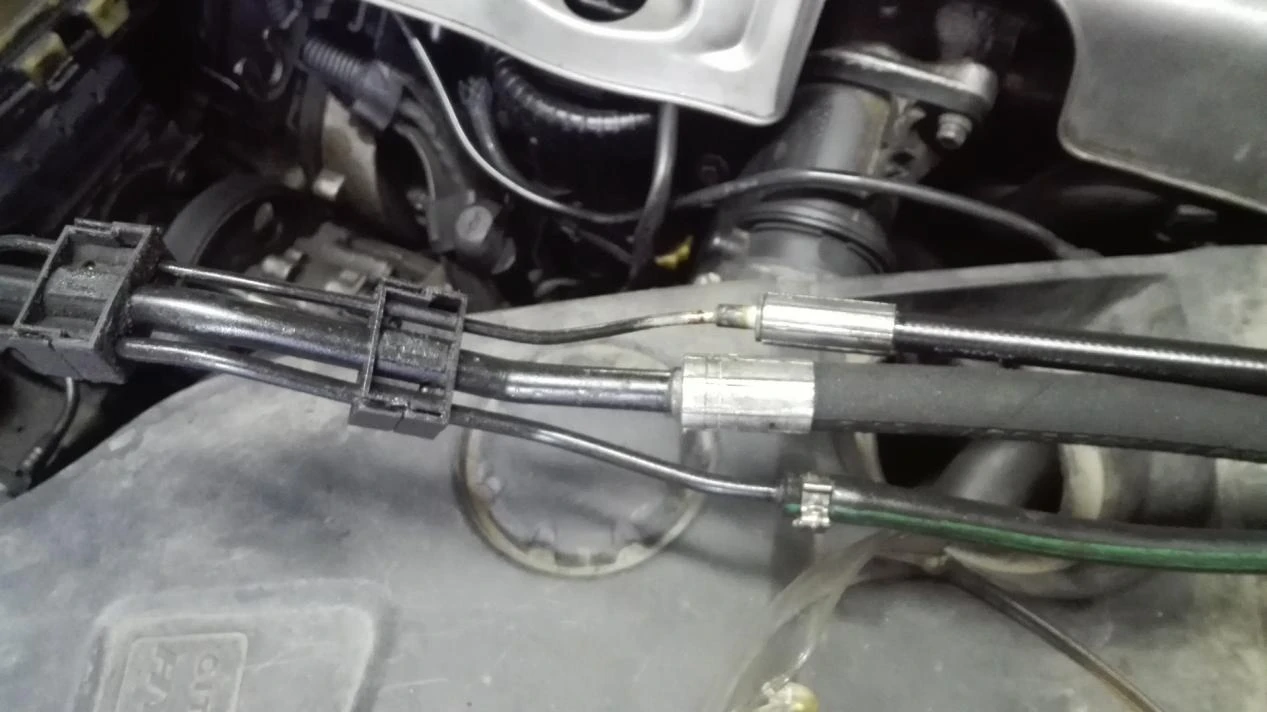
Hydraulic hose performance is fundamentally governed by stress analysis, considering internal pressure, external loads (bending, twisting, axial tension), and temperature fluctuations. Internal pressure induces hoop stress in the hose wall, requiring sufficient reinforcement to prevent burst. Bending introduces compressive stress on the outer radius and tensile stress on the inner radius, leading to fatigue failure if the bend radius is too small or the cyclic loading is excessive. Twisting generates shear stress, potentially leading to hose kinking and restricted flow. Environmental resistance is paramount. Prolonged exposure to UV radiation degrades the outer cover, reducing its flexibility and abrasion resistance. Chemical exposure can cause swelling, cracking, or dissolution of the inner tube, compromising fluid compatibility. Compliance requirements vary by industry and region. For example, SAE J517 specifies performance criteria for hydraulic hoses used in mobile machinery, while ISO 6897 addresses testing procedures for burst pressure and impulse pressure. Functional implementation involves careful consideration of hose length, end fitting type (e.g., threaded, flanged, quick-disconnect), and routing to minimize stress concentrations and ensure adequate clearance from moving parts. Proper hose guarding and support are also crucial to prevent abrasion and impact damage. Failure to adequately address these engineering aspects can result in catastrophic failure, leading to equipment downtime, fluid leaks, and potential safety hazards.
Technical Specifications
| Parameter | Unit | NBR/Steel Wire | FKM/Stainless Steel |
|---|---|---|---|
| Working Pressure | MPa | 25 | 40 |
| Burst Pressure | MPa | 75 | 120 |
| Temperature Range | °C | -40 to +100 | -20 to +200 |
| Minimum Bend Radius | mm | 4D | 6D |
| Fluid Compatibility | - | Petroleum-based fluids | Aggressive chemicals, fuels |
| Reinforcement Type | - | Spiral steel wire | Spiral stainless steel wire |
Failure Mode & Maintenance
Hydraulic hose failure commonly manifests in several forms. Fatigue cracking originates from repeated flexing and pressure cycling, initiating at stress concentrations (e.g., near end fittings or at sharp bends). Burst failure results from exceeding the working pressure, causing sudden catastrophic rupture. Pinholing occurs due to localized deterioration of the inner tube, often caused by fluid contamination or chemical attack. Abrasion degrades the outer cover, exposing the reinforcement layers to corrosion. Kinking restricts fluid flow and can damage the inner tube. Delamination refers to the separation of reinforcement layers from the inner tube or outer cover, compromising the hose’s structural integrity. Effective maintenance involves regular visual inspections for cracks, abrasions, bulges, and leaks. Hose routing should be checked to ensure proper support and clearance. Fluid contamination should be minimized through filtration. Hose assemblies should be replaced at predetermined intervals based on application severity and manufacturer recommendations. When replacing hoses, it’s vital to use compatible end fittings and ensure proper crimping/swaging. Failure analysis, including microscopic examination of fractured surfaces, can identify the root cause of failure and prevent recurrence. Periodic pressure testing can proactively identify weakened hoses before catastrophic failure occurs.
Industry FAQ
Q: What is the significance of impulse pressure rating and how does it differ from working pressure?
A: Working pressure is the continuous operating pressure the hose is designed to withstand. Impulse pressure, however, accounts for pressure surges or spikes – rapid pressure fluctuations common in hydraulic systems due to pump pulsations, valve switching, or sudden load changes. The impulse pressure rating is significantly higher than the working pressure, indicating the hose's ability to endure these transient pressure events without failure. Ignoring impulse pressure ratings can lead to premature hose failure, even if the continuous operating pressure is within the specified limits.
Q: How does the selection of end fitting material impact hose longevity and performance?
A: End fitting material must be compatible with both the hose and the hydraulic fluid to prevent corrosion and galvanic reactions. Steel fittings are common but can corrode in certain environments. Stainless steel offers superior corrosion resistance but is more expensive. The crimping/swaging process must also be optimized for the specific fitting and hose combination to ensure a secure, leak-proof seal. Incorrectly crimped fittings can lead to premature failure at the connection point.
Q: What are the best practices for storing hydraulic hoses to prevent degradation?
A: Hydraulic hoses should be stored in a cool, dry, and dark environment, away from direct sunlight, ozone sources (e.g., electric motors), and extreme temperatures. Hoses should be stored coiled loosely, avoiding sharp bends or kinks. Protect hoses from physical damage during storage. For long-term storage, it’s recommended to periodically inspect hoses for signs of deterioration and re-coil them to prevent set (permanent deformation).
Q: What considerations are crucial when specifying a custom hose for a high-temperature application?
A: Selecting the correct inner tube material is paramount. FKM/Viton offers the highest temperature resistance, but NBR and CR can be suitable for lower temperature applications. The reinforcement material must also be able to withstand the elevated temperature without losing strength. The outer cover should be resistant to heat aging and degradation. Consider using heat shielding or insulation to further protect the hose from excessive temperatures. The hose’s overall design should minimize heat buildup, such as reducing friction losses and promoting heat dissipation.
Q: How do different reinforcement types (spiral vs. braided) affect hose performance characteristics?
A: Spiral reinforcement generally provides higher pressure ratings and greater flexibility compared to braided reinforcement. Braided hoses are more resistant to kinking but have a smaller burst pressure for a given size. Spiral hoses are better suited for applications requiring a tight bend radius, while braided hoses excel in applications with high vibration and axial movement. The choice between spiral and braided reinforcement depends on the specific application requirements and trade-offs between pressure, flexibility, and kink resistance.
Conclusion
The selection and implementation of custom flexible hydraulic hoses demand a thorough understanding of material science, manufacturing processes, and engineering principles. Properly specifying a hose requires careful consideration of working pressure, temperature range, fluid compatibility, environmental conditions, and application-specific requirements. Failure to address these factors can result in premature failure, costly downtime, and potential safety hazards. Prioritizing quality materials, precise manufacturing controls, and rigorous testing procedures is essential for ensuring long-term reliability and performance.
Looking ahead, advancements in hose technology will likely focus on developing new materials with enhanced temperature resistance, chemical compatibility, and abrasion resistance. Smart hose assemblies incorporating sensors for pressure, temperature, and leak detection are also emerging, enabling predictive maintenance and improved system reliability. Continued collaboration between hose manufacturers, equipment OEMs, and end-users will be crucial for driving innovation and addressing the evolving needs of the hydraulic industry.