


custom coal mining hoses companies Performance Engineering

Introduction
Custom coal mining hoses are engineered fluid conveyance solutions designed to withstand the uniquely harsh operating conditions inherent to coal extraction. Positioned as a critical component within the broader mining equipment supply chain, these hoses facilitate the transfer of hydraulic power, compressed air, water, and slurries essential for powering machinery, controlling dust, and managing material transport. Core performance characteristics revolve around abrasion resistance, high-pressure capacity, chemical compatibility with coal dust and associated compounds, and sustained flexibility even at extreme temperatures. Failure in this application can result in significant operational downtime, safety hazards, and substantial economic losses, thus necessitating highly specialized hose construction and rigorous quality control.
Material Science & Manufacturing
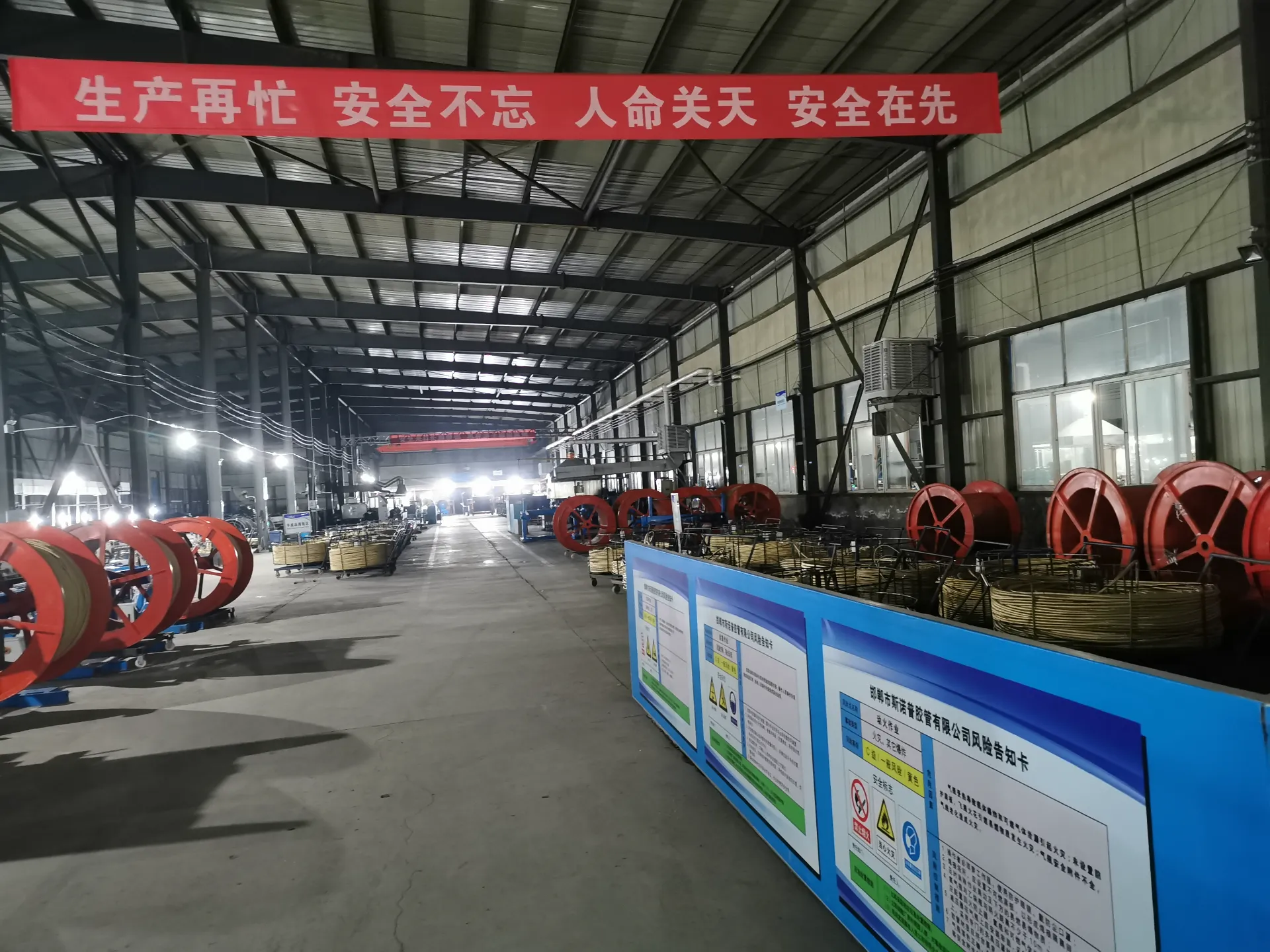
The manufacture of custom coal mining hoses relies heavily on specific material choices and process controls. Core materials include synthetic rubbers like Chloroprene (CR) due to its excellent abrasion resistance and resistance to hydrocarbon fluids, and Nitrile (NBR) for its oil resistance. Reinforcement layers typically utilize multiple plies of high-tensile strength steel wire braid, often in spiral or helical configurations, to provide burst pressure resistance and structural integrity. Inner tubes are formulated to resist abrasion from coal particles and chemical attack from additives used in coal processing. Manufacturing processes begin with the extrusion of the inner tube, followed by the application of reinforcement layers via automated braiding machines. An intermediate cover layer provides bonding and protection. Finally, the outer cover, formulated for abrasion and weather resistance, is extruded. Critical parameters during manufacturing include wire tension during braiding (directly impacting burst pressure), rubber cure temperature and time (affecting elasticity and hardness), and dimensional tolerances throughout the process. Post-production testing includes hydrostatic pressure testing, impulse testing, and abrasion resistance assessments.
Performance & Engineering
Performance of coal mining hoses is dictated by several key engineering considerations. Force analysis focuses on hoop stress within the hose wall due to internal pressure, bend radius stress during operation, and impact forces from debris. Environmental resistance is critical, specifically resistance to temperature extremes (ranging from sub-freezing conditions to elevated temperatures near machinery), exposure to UV radiation, and the corrosive effects of coal dust, methane, and other gases. Compliance requirements, such as MSHA (Mine Safety and Health Administration) standards in the United States, dictate specific performance criteria and testing protocols. Functional implementation often involves custom fitting designs to ensure leak-free connections and compatibility with mining equipment. Flexibility is paramount, allowing for hose routing within confined spaces and accommodating movement of machinery. Fatigue life is a significant concern, as constant flexing and pressure cycling can lead to material degradation and eventual failure. Proper hose routing and support are therefore essential to maximize operational lifespan.
Technical Specifications
| Parameter | Unit | Specification Range | Test Standard |
|---|---|---|---|
| Working Pressure | PSI | 2000-6000 | ISO 6897 |
| Burst Pressure | PSI | 6000-18000 | SAE J517 |
| Temperature Range | °F | -40 to +212 | ASTM D395 |
| Abrasion Resistance (Taber Abrasion Index) | mg loss | < 50 | ISO 7798-2 |
| Oil Resistance (Volume Swell) | % | < 15 | ASTM D792 |
| Bend Radius | inches | 6-12 (dependent on hose ID) | Manufacturer Specification |
Failure Mode & Maintenance
Failure modes in coal mining hoses are diverse, primarily driven by the extreme service environment. Abrasion from coal particles is a leading cause, leading to gradual wear of the outer cover and eventually, reinforcement layer exposure. Fatigue cracking occurs due to constant flexing and pressure cycling, initiating at points of high stress concentration. Delamination can occur between layers if bonding is compromised during manufacturing or due to chemical attack. Oxidation and degradation of the rubber compounds are accelerated by exposure to heat, UV radiation, and ozone. Impulse failures (sudden pressure surges) can exceed the hose’s burst pressure, leading to catastrophic rupture. Maintenance solutions include regular visual inspections for cuts, abrasions, and bulges. Pressure testing should be conducted periodically to verify structural integrity. Proper hose routing and support are crucial to minimize bending stress. Contamination of the fluid being conveyed should be prevented through filtration. When replacing hoses, ensure compatibility with the fluid and operating conditions, and use properly crimped fittings. Records of inspection and maintenance should be maintained for traceability.
Industry FAQ
Q: What is the primary difference between a standard hydraulic hose and a hose specifically designed for coal mining?
A: Standard hydraulic hoses lack the specialized abrasion resistance and chemical compatibility required to withstand the harsh conditions of coal mining. Coal mining hoses utilize more robust rubber compounds, multiple reinforcement layers, and abrasion-resistant outer covers to prevent premature failure due to coal dust, impacts, and cyclical stress.
Q: How does temperature affect the performance of coal mining hoses?
A: Extreme temperatures can significantly degrade hose performance. Low temperatures can reduce flexibility and increase the risk of cracking, while high temperatures can accelerate rubber degradation and reduce burst pressure. Specialized rubber compounds are formulated to maintain performance within a wide temperature range.
Q: What are the consequences of using a hose with an insufficient burst pressure rating?
A: Using a hose with an insufficient burst pressure rating creates a significant safety hazard. A sudden rupture can release high-pressure fluid, potentially causing serious injury to personnel and equipment damage. Hoses must be selected with a safety factor that exceeds the maximum operating pressure.
Q: What role do hose fittings play in ensuring a reliable system?
A: Hose fittings are critical for ensuring a leak-free and durable connection. Improperly crimped or incompatible fittings can lead to premature failure. Fittings must be specifically designed for the hose type and operating pressure, and crimping procedures must be strictly adhered to.
Q: How often should coal mining hoses be inspected and replaced?
A: Inspection frequency depends on the severity of the operating conditions, but a minimum of monthly visual inspections is recommended. Hoses should be replaced immediately if any signs of damage, such as cuts, abrasions, bulges, or leaks, are observed. A proactive replacement schedule based on service hours is also advisable.
Conclusion
Custom coal mining hoses represent a highly engineered product category crucial for maintaining operational efficiency and safety within the coal extraction industry. The selection process demands careful consideration of material properties, manufacturing processes, performance specifications, and potential failure modes. Prioritizing abrasion resistance, chemical compatibility, and robust construction is paramount to ensuring long-term reliability and minimizing downtime.
Looking forward, advancements in material science, such as the development of novel polyurethane blends and reinforced polymer composites, promise to further enhance the performance and lifespan of these critical components. Continuous monitoring of operational data and implementation of predictive maintenance programs will also play an increasingly important role in optimizing hose management and maximizing return on investment.