


coiled hydraulic hose Performance Analysis
Introduction
Coiled hydraulic hose is a critical component in numerous industrial applications, serving as a flexible conduit for the transmission of pressurized hydraulic fluid. Positioned within the power transmission and control systems of heavy machinery, construction equipment, agricultural vehicles, and manufacturing processes, it distinguishes itself from straight hydraulic hose through its pre-coiled configuration. This configuration facilitates ease of deployment, retraction, and storage, eliminating the need for manual coiling and uncoiling. Core performance characteristics center on burst pressure, working pressure, impulse pressure resistance, and temperature range compatibility. Understanding these parameters, alongside material composition and manufacturing standards, is essential for selecting the appropriate hose for demanding operational environments. A primary industry pain point revolves around hose failure due to exceeding pressure limits, material degradation from environmental exposure, or improper installation, leading to costly downtime and potential safety hazards.
Material Science & Manufacturing
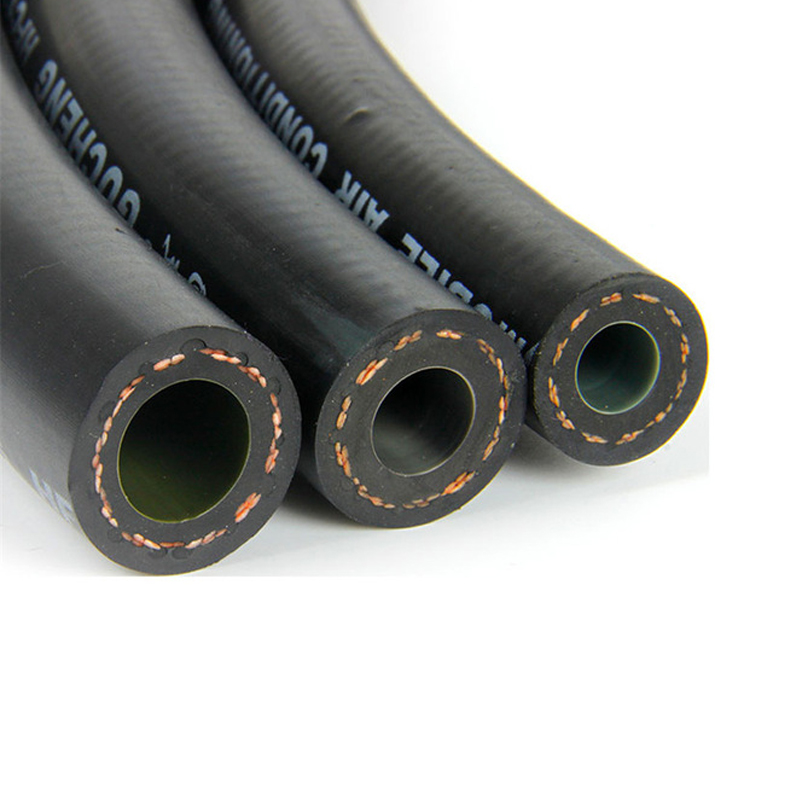
The construction of coiled hydraulic hose typically involves several layers of specialized materials. The innermost layer, the tube, is commonly composed of nitrile rubber (NBR), also known as Buna-N, for its excellent resistance to petroleum-based hydraulic fluids. Alternatives include ethylene propylene diene monomer (EPDM) for phosphate ester fluids and fluorocarbon (FKM, Viton) for high-temperature and aggressive chemical environments. Surrounding the tube is a reinforcement layer, crucial for withstanding internal pressure. This layer commonly utilizes multiple braids or spirals of high-tensile steel wire. The number and orientation of these braids directly correlate to the hose’s burst pressure rating. A spiral-wound construction, employing alternating layers of steel wire and polymer, provides enhanced flexibility and impulse resistance. Finally, the outer cover provides environmental protection and abrasion resistance, often consisting of synthetic rubber compounds such as chloroprene (Neoprene) or polyurethane.
Manufacturing processes begin with extrusion of the inner tube material. Following tube formation, the reinforcement layers are applied through braiding or winding machines. Precise tension control during braiding/winding is paramount to achieving consistent pressure ratings and preventing localized stress concentrations. The outer cover is then extruded over the reinforcement layer. Post-extrusion, the hose undergoes curing – a vulcanization process that crosslinks the rubber compounds, enhancing their elasticity, strength, and chemical resistance. Coiling is typically performed using specialized machinery that applies a controlled radius to the hose, establishing its permanent coiled configuration. Quality control measures at each stage involve dimensional checks, pressure testing (hydrostatic and impulse), and material analysis to ensure compliance with industry standards. Parameter control during extrusion (temperature, pressure, speed) is vital for consistent wall thickness and material homogeneity. Steel wire quality and braid angle directly influence burst strength and flex fatigue resistance.
Performance & Engineering
The performance of coiled hydraulic hose is governed by several key engineering principles. Firstly, force analysis focuses on hoop stress generated by internal pressure, which is directly related to burst pressure. The reinforcement layers are engineered to counteract this stress. Secondly, environmental resistance is critical. Exposure to ultraviolet (UV) radiation, ozone, temperature extremes, and chemical spills can degrade the rubber compounds, leading to cracking and reduced flexibility. Materials are selected and formulated to mitigate these effects. Thirdly, compliance requirements dictate adherence to stringent safety standards. For example, Society of Automotive Engineers (SAE) standards specify impulse pressure testing to simulate the dynamic loading experienced in hydraulic systems. The coiled configuration introduces unique engineering considerations. The bend radius must be carefully controlled to prevent kinking, which restricts flow and can lead to hose failure. Fatigue analysis is essential, considering the repeated flexing and uncoiling during operation. Additionally, thermal expansion and contraction of the hose material must be accommodated to prevent stress buildup. Proper hose routing and support are vital to minimize bending stress and abrasion.
Technical Specifications
| Parameter | Unit | Specification Range (Typical) | Test Standard |
|---|---|---|---|
| Working Pressure | PSI | 1000 – 5000 | SAE J517 |
| Burst Pressure | PSI | 3000 – 15000 | SAE J517 |
| Impulse Pressure | PSI | Up to 1000 (cycles) | SAE J343 |
| Temperature Range | °F | -40 to +212 | SAE J517 |
| Hose Diameter (ID) | Inch | ¼ to 1 ½ | Manufacturer Specification |
| Reinforcement Type | - | Steel Wire Braid/Spiral | SAE J517 |
Failure Mode & Maintenance
Coiled hydraulic hose is susceptible to several failure modes. Fatigue cracking, initiated by repeated bending and flexing, is a common issue, particularly near the connections. This manifests as hairline cracks that propagate under pressure. Abrasion, caused by contact with abrasive surfaces, can erode the outer cover, exposing the reinforcement layers to corrosion. Chemical degradation occurs when the hose comes into contact with incompatible fluids, causing swelling, softening, or cracking of the rubber compounds. Internal corrosion of the steel wire reinforcement can weaken the hose structure, leading to burst failure. Kinking, as previously mentioned, restricts flow and introduces localized stress concentrations. Oxidation, driven by exposure to oxygen and heat, can cause the rubber to become brittle and lose its elasticity.
Preventative maintenance is crucial for extending hose life. Regular visual inspections should be conducted to identify cracks, abrasions, and leaks. Hose connections should be checked for tightness and corrosion. The hose should be properly routed and supported to minimize bending stress and abrasion. Fluid compatibility should be verified before use. Avoid exceeding the hose’s pressure and temperature ratings. If damage is detected, the hose should be replaced immediately. Storage of hoses should be in a cool, dry, and dark location, away from ozone sources and direct sunlight. Periodically flexing the hose during storage can help prevent the rubber from becoming stiff. When replacing a hose, ensure the new hose meets or exceeds the original specifications. Using the correct fittings and ensuring proper crimping are also essential for a reliable connection.
Industry FAQ
Q: What is the impact of exceeding the specified bend radius on the life of a coiled hydraulic hose?
A: Exceeding the specified bend radius introduces excessive stress concentrations within the hose structure, particularly at the inner radius. This accelerates fatigue cracking and reduces the hose's overall lifespan. Severe bending can also cause kinking, restricting fluid flow and potentially leading to catastrophic failure. Adhering to the manufacturer’s recommended bend radius is critical for maintaining hose integrity.
Q: How does the type of hydraulic fluid affect the selection of the inner tube material?
A: Different hydraulic fluids exhibit varying levels of chemical compatibility with different rubber compounds. For example, nitrile rubber (NBR) is suitable for petroleum-based fluids, but can degrade when exposed to phosphate ester fluids. EPDM is preferred for phosphate ester fluids, while fluorocarbon (FKM) offers superior resistance to a wide range of fluids, including aggressive chemicals and high temperatures. Incorrect fluid selection can lead to swelling, softening, or cracking of the inner tube, resulting in leaks and hose failure.
Q: What is the significance of impulse pressure testing, and how does it relate to real-world applications?
A: Impulse pressure testing simulates the dynamic pressure fluctuations that occur in hydraulic systems due to pump pulsations, valve switching, and cylinder operation. It assesses the hose's ability to withstand repeated pressure surges without failure. In real-world applications, these pressure surges can significantly stress the hose, particularly near connections. A hose that passes impulse pressure testing is more likely to withstand the rigors of dynamic hydraulic systems.
Q: What are the common causes of abrasion damage, and how can it be prevented?
A: Abrasion damage is typically caused by contact with abrasive surfaces, such as machinery frames, moving parts, or rough terrain. This can erode the outer cover, exposing the reinforcement layers to corrosion. Prevention strategies include proper hose routing to avoid contact with abrasive surfaces, using hose guards or sleeves to protect vulnerable areas, and selecting hoses with abrasion-resistant outer covers.
Q: How do environmental factors like UV exposure and ozone affect hose life, and what preventative measures can be taken?
A: Ultraviolet (UV) radiation and ozone can degrade the rubber compounds in the hose, causing cracking and reduced flexibility. Prolonged exposure accelerates this process. Preventative measures include storing hoses in a cool, dark, and dry location, away from direct sunlight and ozone sources. Using hoses with UV-resistant and ozone-resistant outer covers can also help extend their lifespan.
Conclusion
Coiled hydraulic hose represents a complex integration of material science, manufacturing precision, and engineering considerations. Its performance, dictated by parameters such as burst pressure, impulse resistance, and environmental compatibility, is intrinsically linked to the selection of appropriate materials – from the inner tube’s fluid resistance to the reinforcement’s ability to withstand stress. Understanding the potential failure modes, including fatigue cracking, abrasion, and chemical degradation, is paramount for ensuring operational safety and minimizing downtime.
Effective maintenance practices, centered on regular inspection, proper installation, and adherence to manufacturer’s specifications, are indispensable for maximizing hose lifespan and mitigating risks. As hydraulic systems become increasingly sophisticated and operate in more demanding environments, continued advancements in hose materials and manufacturing techniques will be critical to meeting the evolving needs of industrial applications. Future developments may focus on self-healing polymers, improved abrasion resistance, and integrated sensor technology for real-time condition monitoring.