


china rubber hydraulic oil hose Performance Analysis
Introduction
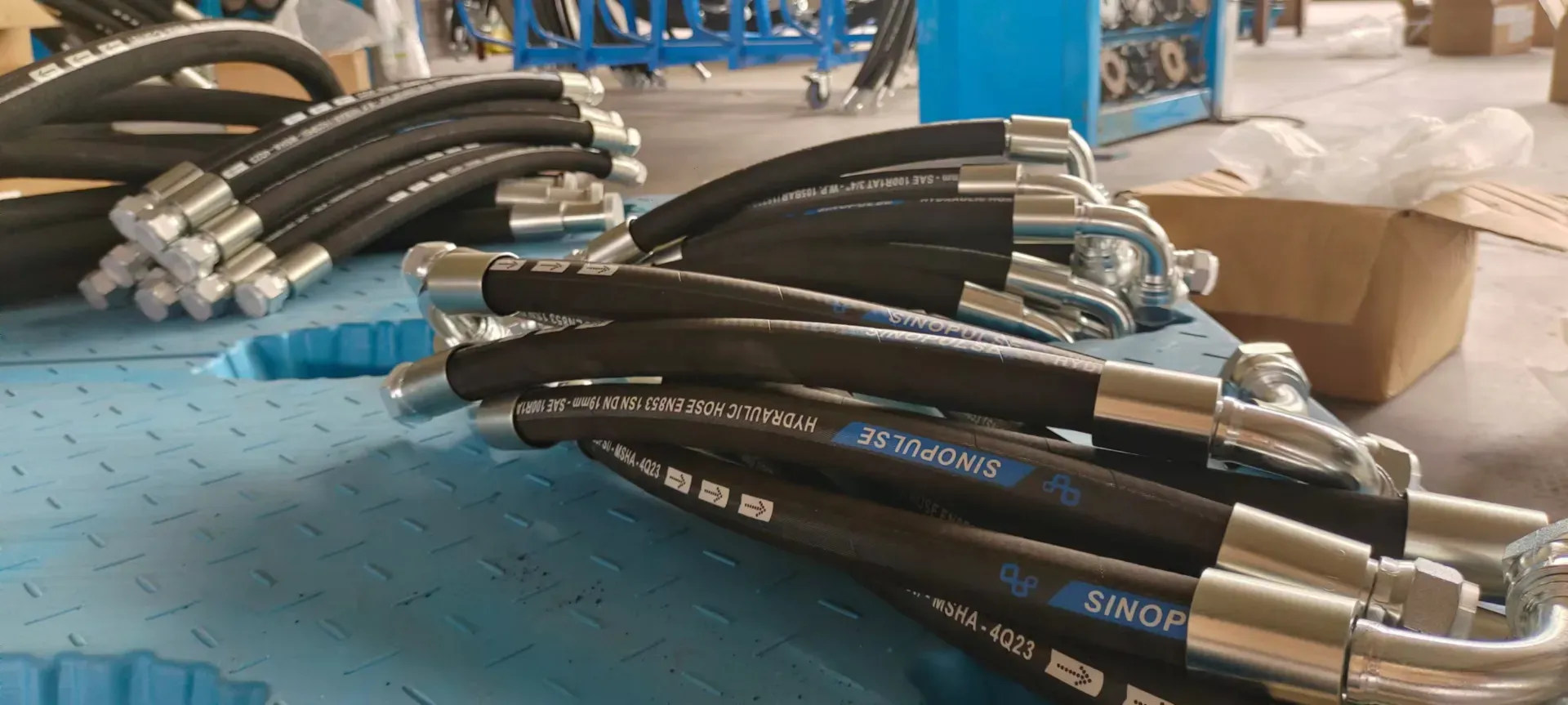
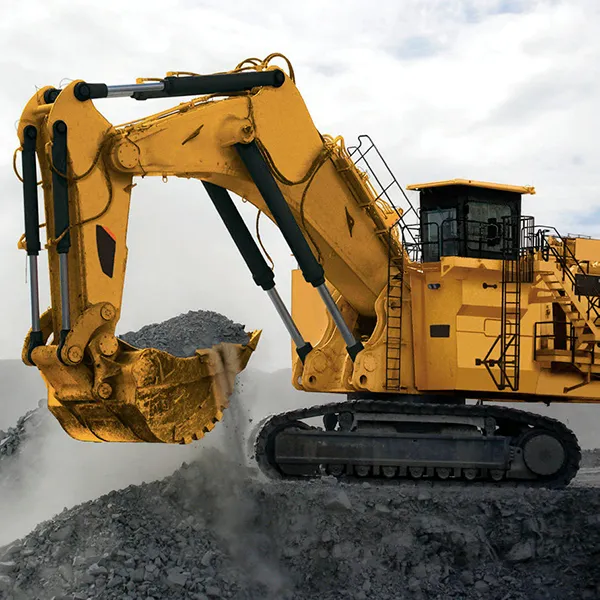
China rubber hydraulic oil hose constitutes a critical component in fluid power systems across diverse industrial applications, including construction machinery, agricultural equipment, material handling vehicles, and industrial manufacturing processes. Positioned within the hydraulic system as the conduit for pressurized hydraulic fluid, its primary function is to transmit power efficiently and reliably. The performance of this hose directly impacts the operational integrity and safety of the entire system. Commonly constructed from synthetic rubbers reinforced with multiple layers of high-tensile steel wire, these hoses are designed to withstand high pressures, temperature variations, and exposure to various fluids. Key performance indicators include burst pressure, working pressure, temperature range, and resistance to oil and abrasion. A prevalent challenge within the industry revolves around maintaining consistent quality control, ensuring adherence to stringent international standards, and mitigating the risk of premature failure due to factors like hose twisting, kinking, and fluid incompatibility. This guide provides a detailed technical overview of China-manufactured rubber hydraulic oil hoses, encompassing material science, manufacturing processes, performance characteristics, failure modes, and industry best practices.
Material Science & Manufacturing
The core material for China rubber hydraulic oil hoses is typically a synthetic rubber compound. Common elastomers include nitrile rubber (NBR), which provides excellent resistance to petroleum-based oils, and ethylene propylene diene monomer (EPDM) rubber, known for its superior resistance to heat, ozone, and weathering. The selection of the elastomer is directly tied to the intended operating environment and the type of hydraulic fluid being conveyed. Reinforcement layers are crucial for pressure containment. These layers traditionally consist of multiple helical plies of high-strength steel wire, though some specialized hoses utilize spiral-wound steel wire for increased flexibility and higher pressure ratings. The manufacturing process begins with the extrusion of the inner tube, followed by the winding of reinforcement layers. An adhesion promoter is applied between the rubber and the steel to ensure a strong bond, preventing separation under pressure. The outer cover, often composed of Chloroprene rubber (CR) provides abrasion resistance, weather protection, and chemical compatibility. Key manufacturing parameters requiring precise control include rubber compound mixing ratios, extrusion temperature and pressure, winding tension, vulcanization time and temperature, and quality control inspections for dimensional accuracy and material defects. Improper vulcanization can lead to insufficient cross-linking, resulting in reduced tensile strength and elasticity. Furthermore, the quality of the steel wire significantly impacts the hose's burst pressure and fatigue life. Sophisticated testing procedures, including tensile testing, ozone resistance testing, and fluid compatibility testing, are employed throughout the manufacturing process to verify compliance with industry standards. A significant industry pain point centers around inconsistent raw material sourcing and variations in manufacturing quality among different Chinese manufacturers.
Performance & Engineering
The performance of a rubber hydraulic oil hose is governed by several engineering principles. Burst pressure, a critical safety parameter, is determined by the tensile strength of the reinforcement layers and the adhesion between the rubber and steel. Working pressure is typically specified as a percentage (often 50-75%) of the burst pressure, providing a safety factor to account for pressure surges and dynamic loading. Hose flexibility is influenced by the diameter, wall thickness, and the type of reinforcement winding. Spiral wound reinforcement offers greater flexibility compared to helical winding. Environmental resistance is paramount, particularly in applications exposed to extreme temperatures, UV radiation, and corrosive fluids. Temperature range is defined by the operating limits of the rubber compound; exceeding these limits can lead to material degradation and premature failure. Furthermore, hydraulic oil compatibility is essential to prevent swelling, softening, or cracking of the inner tube. Chemical resistance data sheets provided by rubber manufacturers are critical for proper hose selection. From a force analysis perspective, hydraulic hoses experience internal pressure forces, bending stresses, and axial tension. Proper hose routing and support mechanisms are necessary to minimize bending stresses and prevent kinking, which can significantly reduce the hose's lifespan. Compliance requirements, such as those stipulated by SAE International (SAE J517), EN 853, and GB/T 3686, dictate minimum performance standards for burst pressure, working pressure, and temperature range. Finite element analysis (FEA) is frequently employed during the design phase to optimize hose geometry and reinforcement configurations for specific application requirements.
Technical Specifications
| Parameter | Unit | SAE 100R2 AT | SAE 100R6 AT |
|---|---|---|---|
| Working Pressure | MPa | 31.5 | 21 |
| Burst Pressure | MPa | 105 | 63 |
| Temperature Range | °C | -40 to +100 | -40 to +100 |
| Inner Tube Material | - | NBR | EPDM |
| Reinforcement | - | 2 Spiral Steel Wire | 4 Spiral Steel Wire |
| Cover Material | - | CRM | CRM |
Failure Mode & Maintenance
Rubber hydraulic oil hoses are susceptible to various failure modes, primarily stemming from material degradation, mechanical stress, and fluid incompatibility. Fatigue cracking, often initiated at the fitting crimp or at points of high stress concentration, is a common failure mechanism. This occurs due to cyclical loading and repeated bending. Delamination, the separation of reinforcement layers from the rubber matrix, can result from poor adhesion during manufacturing or prolonged exposure to incompatible fluids. Hose twisting and kinking are significant contributors to premature failure, as they create localized stress concentrations and disrupt the reinforcement structure. External abrasion can wear away the outer cover, exposing the reinforcement layers to corrosion and accelerating degradation. Oxidation of the rubber compound, particularly at elevated temperatures, leads to hardening and cracking. Internal degradation can occur due to chemical attack from the hydraulic fluid, resulting in swelling, softening, or loss of elasticity. Preventative maintenance is critical for extending hose life. Regular visual inspections should be conducted to identify signs of cracking, abrasion, or leakage. Hose routing should be carefully planned to minimize bending and twisting. Proper fitting selection and crimping are essential for ensuring a secure connection. Hydraulic fluid should be regularly analyzed to monitor contamination levels and ensure compatibility with the hose materials. If a hose shows any signs of damage, it should be replaced immediately. Industry best practice dictates a schedule for hose replacement based on application severity and operating conditions. Records should be maintained documenting hose inspection dates, fluid analysis results, and replacement intervals.
Industry FAQ
Q: What is the impact of steel wire quality on hydraulic hose burst pressure?
A: The tensile strength and fatigue resistance of the steel wire directly correlate with the hose’s burst pressure. Higher-quality steel with consistent diameter and minimal surface defects provides greater reinforcement, enabling the hose to withstand higher pressures without failure. Variations in steel quality significantly impact hose reliability and safety.
Q: How does the type of hydraulic fluid affect hose lifespan?
A: Incompatible hydraulic fluids can cause the inner tube material to swell, soften, or crack, leading to premature failure. NBR is generally suitable for petroleum-based oils, while EPDM is preferred for phosphate ester fluids. Careful fluid compatibility assessment is crucial during hose selection.
Q: What are the key differences between spiral and helical wire reinforcement?
A: Spiral winding uses a continuous wire wrapped at an angle, providing superior flexibility and higher pressure ratings. Helical winding utilizes multiple layers of wire wound in a close-spaced helix, offering robust reinforcement but less flexibility. The choice depends on the application’s pressure and bending requirements.
Q: What are the common causes of hose kinking and how can it be prevented?
A: Kinking occurs when the hose is bent beyond its minimum bend radius, causing internal damage and reducing flow. Prevention involves proper hose routing, using appropriate support mechanisms, and selecting hoses with sufficient flexibility for the application.
Q: What international standards are most relevant to hydraulic hose manufacturing and testing?
A: Key standards include SAE J517 (hydraulic hose performance requirements), EN 853 (rubber hoses for hydraulic applications), ISO 6898 (hydraulic hoses), and GB/T 3686 (rubber hoses for hydraulic applications – Chinese national standard). Compliance with these standards ensures product safety and reliability.
Conclusion
China rubber hydraulic oil hose technology has evolved significantly, offering a diverse range of solutions to meet the demands of various industrial applications. The selection of appropriate materials, precise manufacturing controls, and adherence to international standards are paramount for ensuring reliable performance and mitigating failure risks. Understanding the interplay between material science, engineering principles, and potential failure modes is crucial for both manufacturers and end-users.
Looking ahead, ongoing research and development efforts will focus on improving hose durability, enhancing fluid compatibility, and exploring novel materials to address increasingly demanding operating conditions. Furthermore, the implementation of advanced quality control measures and traceability systems will be essential for maintaining consistent product quality and building confidence in China-manufactured hydraulic hoses. Ultimately, a commitment to technical excellence and continuous improvement will drive the continued advancement of this critical component in fluid power systems.