


china hydraulic hose factory Performance Analysis
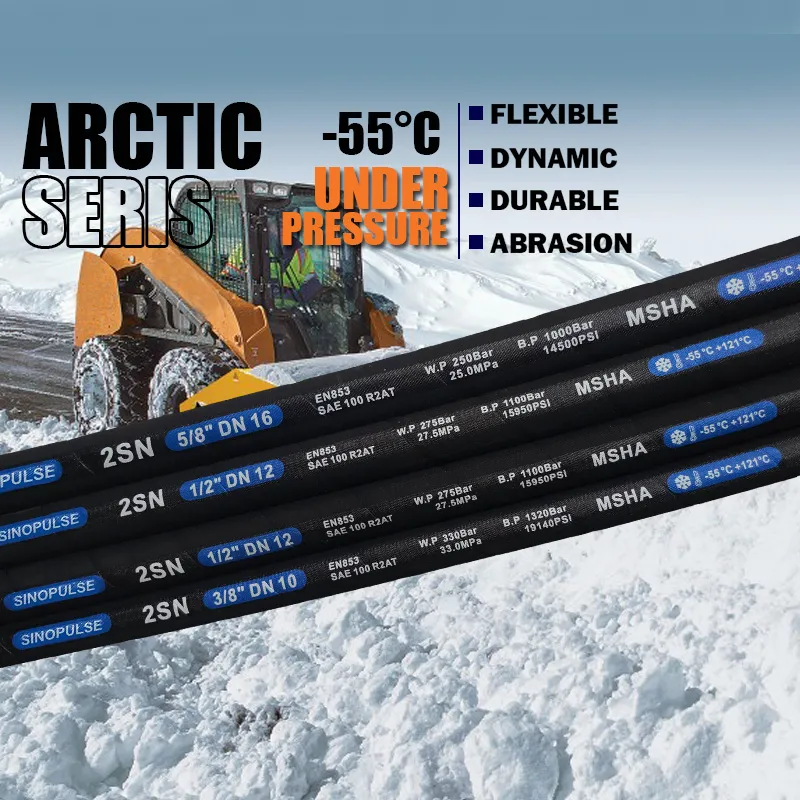
Introduction
Hydraulic hoses manufactured in China represent a significant and growing segment of the global fluid power industry. These hoses are critical components in a wide range of applications, including construction machinery, agricultural equipment, industrial manufacturing, oil & gas exploration, and material handling. The Chinese manufacturing base offers competitive pricing, increasing quality control, and expanding production capacity. However, understanding the nuances of material composition, manufacturing processes, performance characteristics, and potential failure modes is paramount for successful implementation. This guide provides an in-depth technical overview of hydraulic hoses produced by china hydraulic hose factory, focusing on construction, material science, performance, and maintenance considerations. A key pain point within the industry is ensuring consistent quality and adherence to international standards from diverse Chinese manufacturers; this guide aims to address that concern.
Material Science & Manufacturing
The core construction of a hydraulic hose typically involves several layers. The innermost layer, or tube, is commonly made of synthetic rubber compounds like nitrile (NBR), ethylene propylene diene monomer (EPDM), or fluoropolymers (FKM/Viton) depending on fluid compatibility requirements. NBR offers excellent resistance to petroleum-based oils but limited resistance to ozone and weathering. EPDM excels in weathering and heat resistance, making it ideal for water and steam applications. FKM provides superior chemical resistance, including compatibility with aggressive fluids like brake fluids and high-temperature oils. The reinforcement layer provides the hose’s pressure handling capability. This layer can be composed of one or multiple braids of high-tensile steel wire, or a spiral-wound construction using steel wire or textile materials (e.g., aramid fiber). The outer cover, typically made of synthetic rubber (e.g., chloroprene), provides protection against abrasion, weathering, and oil exposure.
Manufacturing processes begin with tube extrusion, where the rubber compound is forced through a die to create a seamless tube. Reinforcement layers are then applied through braiding or winding processes. Braiding involves interlacing multiple strands of wire at specific angles, achieving uniform strength distribution. Spiral winding offers higher pressure ratings but can exhibit localized stresses. The outer cover is extruded over the reinforcement layer. Critical parameters during manufacturing include rubber compound mixing ratios, extrusion temperature and pressure, braid angle and tension, and vulcanization (curing) time and temperature. Improper control of these parameters can lead to defects like porosity, inconsistent wall thickness, and reduced pressure ratings. Quality control at china hydraulic hose factory necessitates rigorous testing of raw material properties (tensile strength, elongation, hardness) and finished hose performance (burst pressure, impulse pressure, leakage).
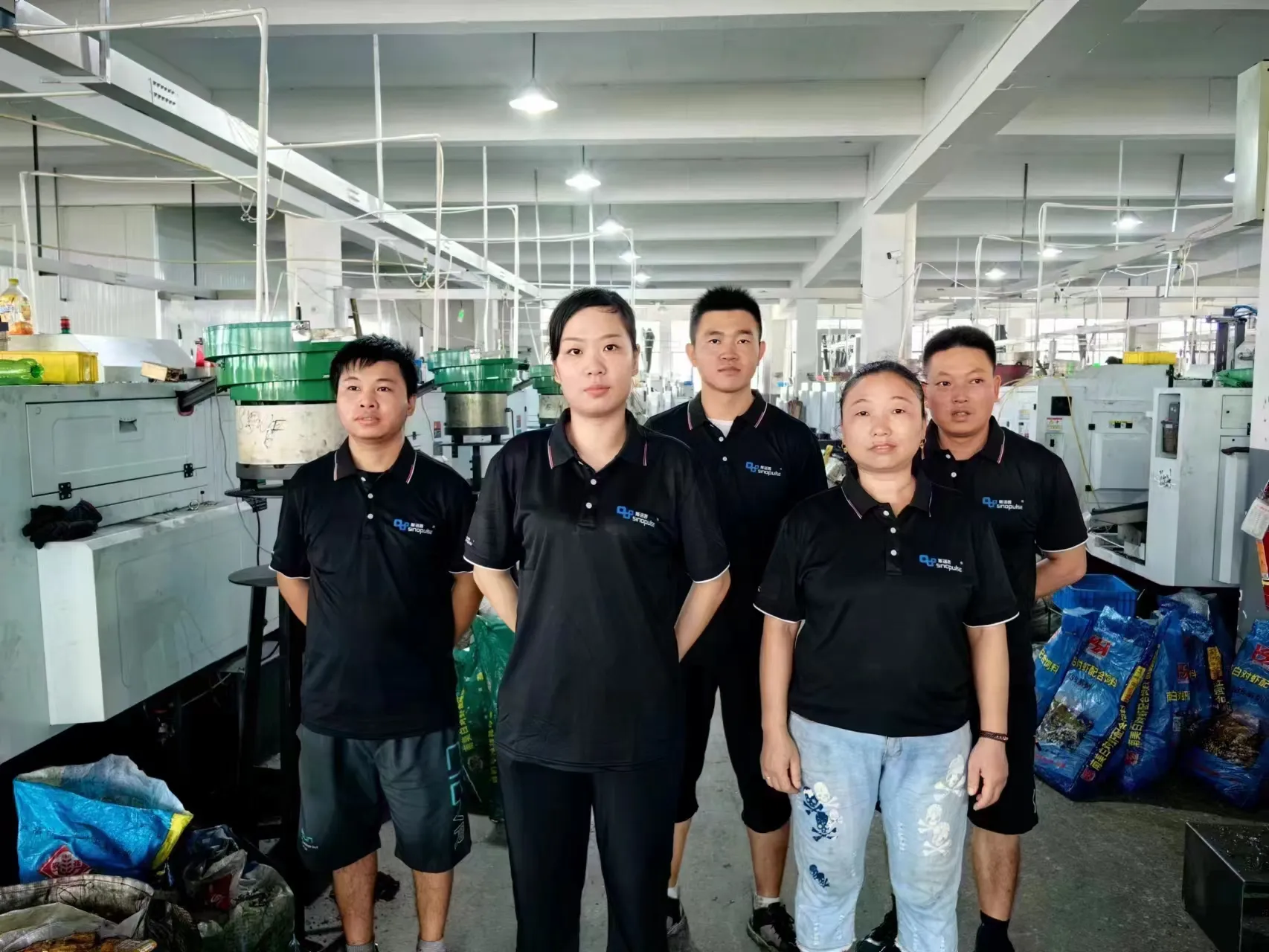
Performance & Engineering
The performance of a hydraulic hose is dictated by its ability to withstand internal pressure, external stresses, and environmental factors. Burst pressure, the pressure at which the hose ruptures, is a primary specification. Impulse pressure, representing pressure fluctuations, is equally critical as repeated pulsations can cause fatigue failure. Hose bend radius is a crucial engineering consideration; exceeding the minimum bend radius induces stress concentrations, reducing hose life. Temperature extremes also affect performance; high temperatures degrade rubber compounds, while low temperatures reduce flexibility.
Force analysis involves calculating hoop stress (stress acting circumferentially around the hose) and longitudinal stress (stress acting along the hose length). These stresses are dependent on internal pressure, hose diameter, and wall thickness. Finite element analysis (FEA) is employed to model stress distributions under various loading conditions. Environmental resistance encompasses resistance to ozone, ultraviolet (UV) radiation, oil, chemicals, and abrasion. Compliance requirements mandate adherence to industry standards like SAE J517 (hydraulic hose specification) and ISO 6898 (hydraulic hose assemblies). The selection of appropriate hose construction—braided or spiral-wound—depends on the application’s pressure and impulse requirements. For high-pressure, high-impulse applications, spiral wound hoses generally offer superior performance. Proper hose assembly, including crimping the fittings securely, is essential for preventing leakage and ensuring reliable operation.
Technical Specifications
| Parameter | SAE 100R1AT | SAE 100R2AT | DIN EN 853 1SN | DIN EN 857 1SC |
|---|---|---|---|---|
| Maximum Working Pressure (PSI) | 2000 | 3000 | 2000 | 4000 |
| Burst Pressure (PSI) | 8000 | 12000 | 8000 | 16000 |
| Temperature Range (°F) | -40 to 212 | -40 to 212 | -40 to 212 | -40 to 212 |
| Reinforcement Type | Single Steel Wire Braid | Two Steel Wire Braids | Single Steel Wire Braid | Spiral Steel Wire |
| Tube Material | NBR | NBR | NBR | NBR |
| Cover Material | Synthetic Rubber | Synthetic Rubber | Synthetic Rubber | Synthetic Rubber |
Failure Mode & Maintenance
Hydraulic hose failure modes are diverse and can stem from various factors. Fatigue cracking, induced by repeated pressure cycles and flexing, is a common cause. This often originates at stress concentration points, such as near fittings. Pinholes and cracks in the tube can result from internal corrosion or degradation of the rubber compound due to incompatible fluids or excessive temperatures. Abrasion damage to the outer cover exposes the reinforcement layers, accelerating corrosion and potential failure. Fitting failures, including corrosion, loosening, or improper crimping, lead to leakage and hose detachment. Delamination, the separation of layers within the hose, compromises its structural integrity. Oxidation of rubber compounds, particularly in high-temperature environments, results in hardening and cracking.
Preventative maintenance is crucial for extending hose life. Regular visual inspections should be conducted to identify signs of abrasion, cracking, bulging, or leakage. Hoses should be replaced if any damage is detected. Proper hose routing and support are essential to prevent excessive bending and abrasion. Fluid compatibility must be verified to avoid chemical degradation. The hydraulic system should be kept clean to minimize contamination and prevent erosion. Crimping procedures should adhere to manufacturer's specifications. Periodic pressure testing can identify hoses with weakening structural integrity. Record keeping of hose installation dates and service history aids in proactive replacement programs.
Industry FAQ
Q: What is the impact of steel wire braid angle on the hose's pressure rating and flexibility?
A: The braid angle directly affects both pressure rating and flexibility. A steeper braid angle provides higher pressure containment capability because the load is distributed more effectively across the wires. However, steeper angles reduce the hose’s flexibility, making it more difficult to route and potentially increasing stress concentrations during bending. A shallower angle increases flexibility but reduces the pressure rating.
Q: How does the choice of tube material affect compatibility with different hydraulic fluids?
A: Tube material selection is paramount for fluid compatibility. NBR is suitable for petroleum-based oils but can swell or degrade with phosphate ester fluids. EPDM is ideal for water-glycol and fire-resistant fluids. FKM provides the broadest chemical resistance, including compatibility with aggressive fluids like synthetic lubricants and brake fluids. Incorrect material selection leads to tube degradation, swelling, cracking, and ultimately, hose failure.
Q: What are the critical considerations for crimping hydraulic hose fittings?
A: Proper crimping is essential for a secure and leak-free connection. Incorrect crimp dimensions—too loose or too tight—can lead to fitting failure. The crimp must conform to the fitting's specifications and provide adequate compression of the hose reinforcement. Using the correct crimping die and following the manufacturer’s crimping chart are vital. Regular calibration of the crimping machine is also necessary.
Q: How can I identify potential hose failures before they occur?
A: Regular visual inspections are the first line of defense. Look for signs of abrasion, cracking, bulging, leakage, or discoloration. Pay close attention to areas near fittings and bends. Conduct routine pressure testing to identify hoses with reduced structural integrity. Consider implementing a hose replacement schedule based on operating hours or calendar time, particularly for critical applications.
Q: What is the significance of impulse pressure rating compared to working pressure?
A: While working pressure represents the continuous operating pressure, impulse pressure represents the hose’s ability to withstand pressure spikes and fluctuations. Hydraulic systems often experience pressure surges due to pump pulsations, valve switching, and cylinder movements. A hose with an adequate impulse pressure rating is crucial for preventing fatigue failure in these dynamic systems. Ignoring the impulse rating can lead to premature hose failure, even if the working pressure is within limits.
Conclusion
China hydraulic hose factory produces a substantial portion of the global hydraulic hose supply, offering cost-effective solutions. However, understanding the intricacies of material science, manufacturing processes, and performance characteristics is critical for ensuring reliability and longevity. Careful attention to material selection, quality control during manufacturing, proper hose assembly, and regular preventative maintenance are essential. Failure to address these factors can result in premature hose failure, system downtime, and potentially hazardous situations.
As the industry evolves, increased focus on advanced materials (e.g., thermoplastic hoses), improved manufacturing techniques, and stricter adherence to international standards will be crucial. Proactive hose management programs, incorporating regular inspections, pressure testing, and timely replacement, will minimize risk and optimize operational efficiency. Ultimately, a thorough understanding of these technical aspects empowers informed decision-making and ensures the safe and reliable operation of hydraulic systems.