


china flexible metal hose supplier Performance Analysis
Introduction
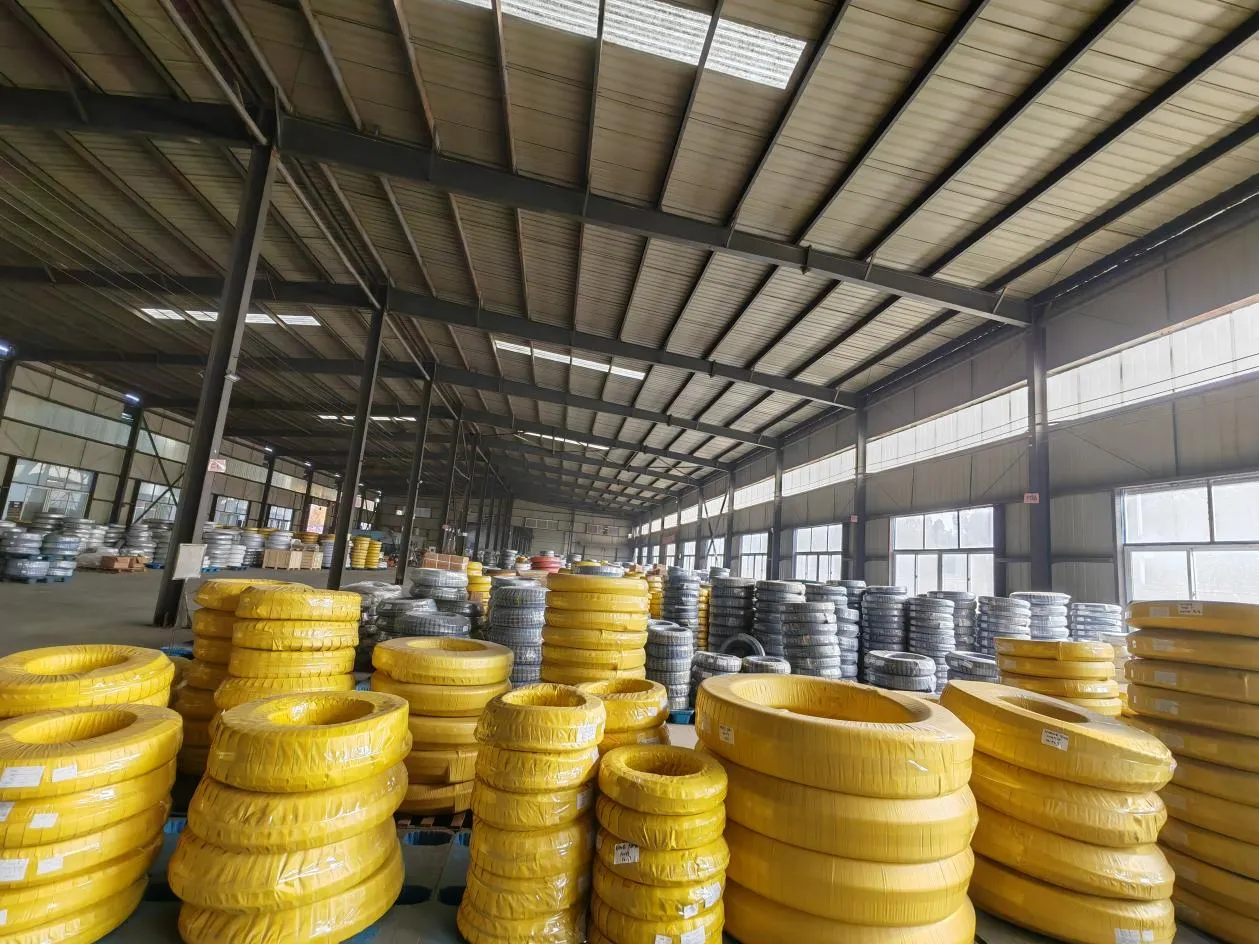
Flexible metal hoses are critical components in numerous industrial applications, facilitating the transfer of fluids, gases, and solids while accommodating movement, vibration, and misalignment. As a leading china flexible metal hose supplier, manufacturers provide a diverse range of hose assemblies engineered to withstand demanding operating conditions. This guide provides an in-depth exploration of these hoses, encompassing material science, manufacturing processes, performance characteristics, potential failure modes, and relevant industry standards. A core industry pain point revolves around ensuring consistent quality and adherence to international specifications, particularly regarding corrosion resistance, pressure ratings, and fatigue life. The selection of appropriate hose construction—stainless steel, carbon steel, alloy materials, and braiding configurations—directly impacts operational reliability and system safety, demanding a rigorous understanding of material properties and application requirements. This document intends to provide precisely that understanding.
Material Science & Manufacturing
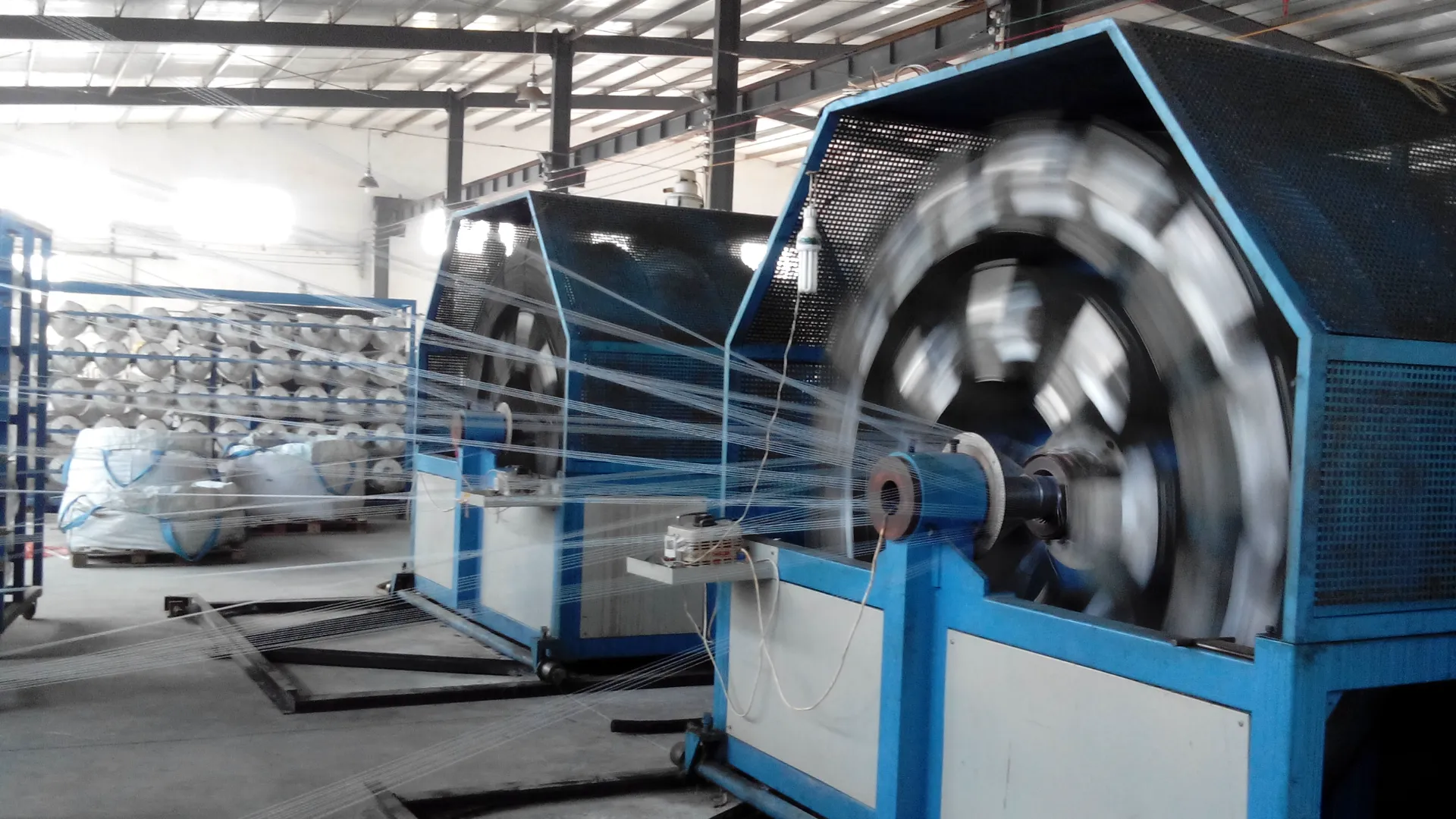
The core material for flexible metal hoses is typically stainless steel (304, 316, 321 grades are common), carbon steel, or alloy combinations selected for specific application needs. Stainless steel provides excellent corrosion resistance, while carbon steel offers high strength at lower cost. The manufacturing process generally begins with the formation of a corrugated tube. This is achieved through methods such as helical forming (where a continuous strip of metal is wrapped around a mandrel) or annular forming (creating ring-shaped convolutions). The corrugation increases the hose’s flexibility. Following corrugation, the hose undergoes braiding – usually with stainless steel wire – to enhance its pressure-bearing capacity and resistance to bursting. Braiding angle and wire diameter are critical parameters. Lower angles provide greater flexibility but reduced pressure resistance; higher angles offer the opposite. Key parameter control lies in maintaining consistent corrugation pitch, braid coverage, and weld integrity. Welding (TIG or laser welding) is used to join the hose ends to fittings. Surface treatment, such as passivation for stainless steel, is vital to enhance corrosion resistance. Material certifications (mill test reports) are essential for traceability and quality assurance, ensuring compliance with standards like ASTM A240 for stainless steel and ASTM A53 for carbon steel.
Performance & Engineering
The performance of a flexible metal hose is dictated by several engineering factors. Burst pressure, working pressure, and impulse pressure ratings are paramount. These are determined through rigorous hydraulic testing, often exceeding industry standards. Fatigue life – the number of cycles a hose can withstand at a given pressure and temperature – is a critical consideration, particularly in applications involving vibration or cyclical loading. Force analysis is used to calculate stresses within the hose during bending, axial tension, and radial compression. Environmental resistance is also crucial. Exposure to corrosive media, extreme temperatures, and UV radiation can degrade hose performance. Compliance requirements, such as RoHS and REACH, necessitate the use of materials free from restricted substances. The hose’s end fitting design – including thread type, material compatibility, and sealing mechanisms – significantly impacts the overall system’s integrity. Finite Element Analysis (FEA) is increasingly used during the design phase to optimize hose geometry and material selection, maximizing performance and minimizing stress concentrations. Proper installation is critical; excessive bending radius or improper torque on fittings can lead to premature failure.
Technical Specifications
| Parameter | Unit | Typical Value (Stainless Steel 304) | Typical Value (Carbon Steel) |
|---|---|---|---|
| Working Pressure | MPa | 25 | 15 |
| Burst Pressure | MPa | 75 | 45 |
| Temperature Range | °C | -196 to 600 | -40 to 200 |
| Corrugation Pitch | mm | 12.7 | 16 |
| Braid Type | - | SS304 (single/double) | Carbon Steel (single/double) |
| Minimum Bend Radius | mm | 150 | 200 |
Failure Mode & Maintenance
Failure modes in flexible metal hoses are diverse. Fatigue cracking, particularly at the corrugation roots, is common under cyclical loading. Corrosion, especially in environments containing chlorides or sulfides, can lead to material degradation and leakage. Excessive bending beyond the specified minimum bend radius can cause kinking and eventual failure. Delamination of the braiding, often caused by inadequate bonding or corrosion of the braid wires, reduces pressure capacity. Creep – gradual deformation under sustained stress – can occur at elevated temperatures. Oxidation, particularly in carbon steel hoses, weakens the material over time. Maintenance involves regular visual inspections for signs of corrosion, cracking, or damage to the braiding. Pressure testing should be conducted periodically to verify the hose’s integrity. Proper cleaning and lubrication of fittings can prevent galling and ensure secure connections. Replace hoses exhibiting any signs of degradation or failing pressure tests. Use appropriate torque wrenches during installation and maintenance to prevent over-tightening or under-tightening of fittings. Avoid exposing hoses to chemicals incompatible with their construction materials.
Industry FAQ
Q: What is the impact of different braiding materials on the hose’s performance?
A: Braiding materials significantly affect hose performance. Stainless steel braiding provides superior corrosion resistance and strength compared to carbon steel. The braiding angle also plays a crucial role; a tighter braid angle increases pressure capacity but reduces flexibility, while a looser angle offers greater flexibility at the expense of pressure resistance. Double braiding provides even higher pressure ratings and increased durability.
Q: How does temperature affect the working pressure of a flexible metal hose?
A: Working pressure decreases as temperature increases. Materials lose strength at elevated temperatures, reducing the hose's ability to withstand internal pressure. Manufacturers provide derating charts indicating the allowable working pressure at different temperatures. Exceeding these limits can lead to premature failure.
Q: What are the key considerations when selecting a hose for corrosive environments?
A: Material selection is paramount. Stainless steel 316 offers improved corrosion resistance compared to 304, particularly in chloride-rich environments. Consider using hoses with PTFE lining for highly corrosive media. Regular inspection and replacement are also crucial in corrosive applications.
Q: How do I determine the correct minimum bend radius for a flexible metal hose?
A: The minimum bend radius is typically specified by the manufacturer and is dependent on the hose’s diameter, construction, and material. Exceeding the minimum bend radius can cause kinking, fatigue cracking, and reduced flow. Refer to the manufacturer's datasheet for precise specifications.
Q: What certifications should I look for when sourcing flexible metal hoses?
A: Look for certifications demonstrating compliance with relevant industry standards, such as ISO 9001 (quality management system), and specific product certifications like DVGW (gas), UL (safety), or ASME (pressure vessels). Material certifications (mill test reports) should also be available to verify material traceability and chemical composition.
Conclusion
China flexible metal hoses represent a critical component in diverse industrial applications, requiring careful consideration of material science, manufacturing precision, and performance characteristics. Selecting the correct hose construction, braiding type, and end fitting is crucial for ensuring operational reliability, system safety, and long-term durability. Understanding potential failure modes and implementing a proactive maintenance program are essential for minimizing downtime and maximizing the service life of these hoses.
Future advancements in flexible metal hose technology are focused on developing lighter-weight materials, improving corrosion resistance, and enhancing fatigue life. The increasing adoption of FEA and advanced manufacturing techniques will further optimize hose designs and manufacturing processes. Prioritizing quality, adherence to international standards, and a comprehensive understanding of application requirements are key to ensuring the successful implementation of these critical components.