


china 4sp/4sh hydraulic hose quotes Performance Analysis
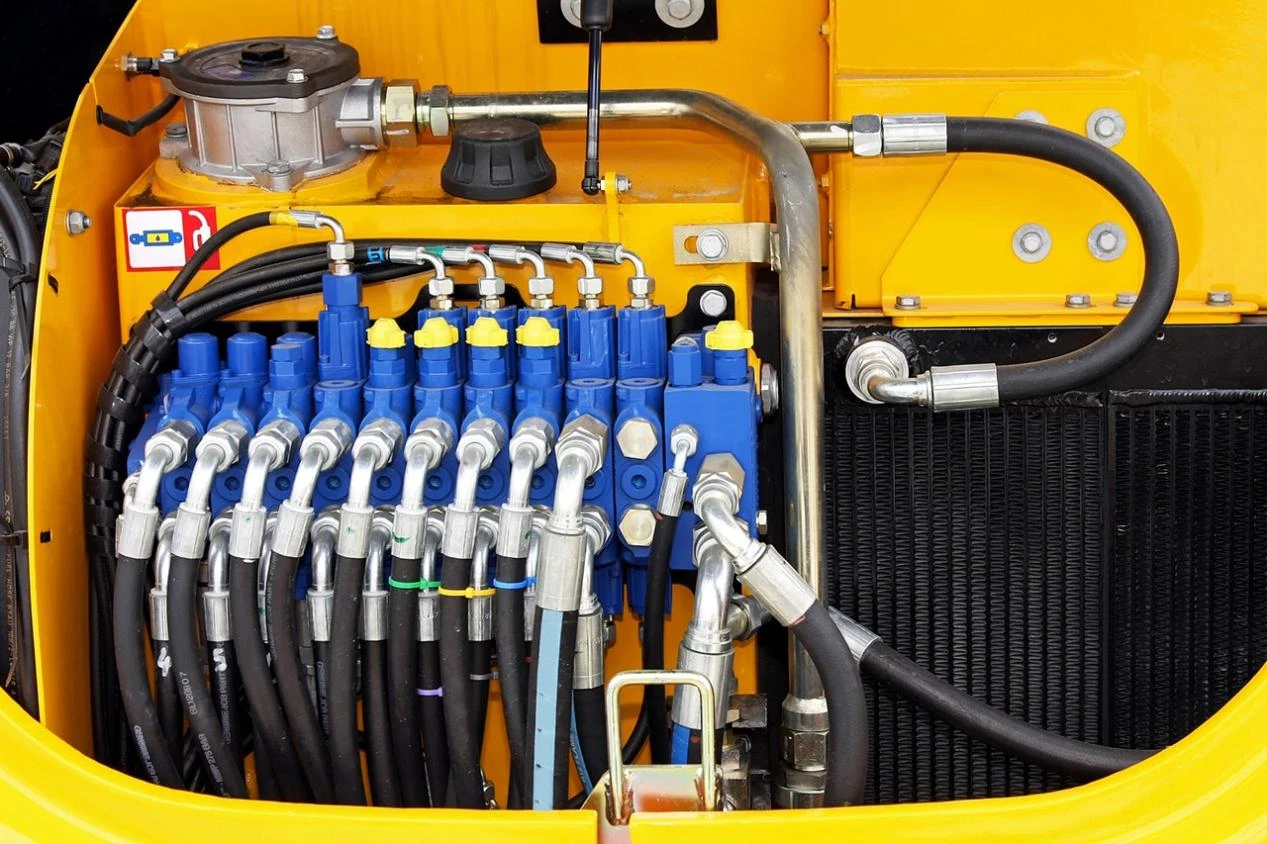
Introduction
4SP/4SH hydraulic hoses represent a critical component in fluid power systems across diverse industrial applications. These hoses, manufactured according to stringent international standards, are engineered for the conveyance of hydraulic fluid under high pressure, offering robust performance and extended service life. The ‘4SP’ designation indicates a spiral wire reinforcement, providing high-pressure capability and resistance to flexural fatigue. ‘4SH’ denotes a similar construction but with increased flexibility. Chinese manufacturers have become significant suppliers in the global market, offering competitive pricing for these hose types. Understanding the material composition, manufacturing processes, performance characteristics, and potential failure modes of 4SP/4SH hoses is paramount for ensuring system reliability, safety, and operational efficiency. This guide provides a comprehensive technical overview, addressing the core concerns of procurement managers and engineers in selecting and maintaining these vital hydraulic components. The core pain point addressed is balancing cost-effectiveness with guaranteed performance and adherence to rigorous safety standards, a challenge increasingly relevant in a global supply chain.
Material Science & Manufacturing
The construction of 4SP/4SH hoses typically involves four key layers: the inner tube, reinforcement, outer cover, and in some cases, a guard layer. The inner tube, crucial for fluid compatibility, is commonly composed of synthetic rubber compounds such as Nitrile (NBR), Ethylene Propylene Diene Monomer (EPDM), or Chloroprene (CR), each chosen for specific fluid resistance profiles. NBR offers excellent resistance to petroleum-based oils, while EPDM is preferred for phosphate ester fluids and CR provides good resistance to weathering and ozone. The reinforcement layer, defining the hose's pressure rating, consists of multiple spiral-wound steel wires. The wire's tensile strength and the number of spirals directly influence the hose’s burst pressure. 4SP hoses typically utilize a single spiral layer of high-tensile steel wire, whereas 4SH hoses employ multiple spiral layers for enhanced flexibility. The outer cover, providing environmental protection and abrasion resistance, is generally manufactured from synthetic rubbers like Polyurethane (PU) or Chlorinated Polyethylene (CPE). Manufacturing processes include extrusion for the inner tube and outer cover, followed by spiral winding of the steel reinforcement. Precise control of extrusion temperatures, curing times, and spiral winding tension are critical parameters. Post-manufacturing quality control involves hydrostatic pressure testing to verify burst pressure and dimensional inspection to confirm adherence to specified tolerances. Chemical compatibility testing is also performed to ensure the inner tube material maintains integrity when exposed to target hydraulic fluids.
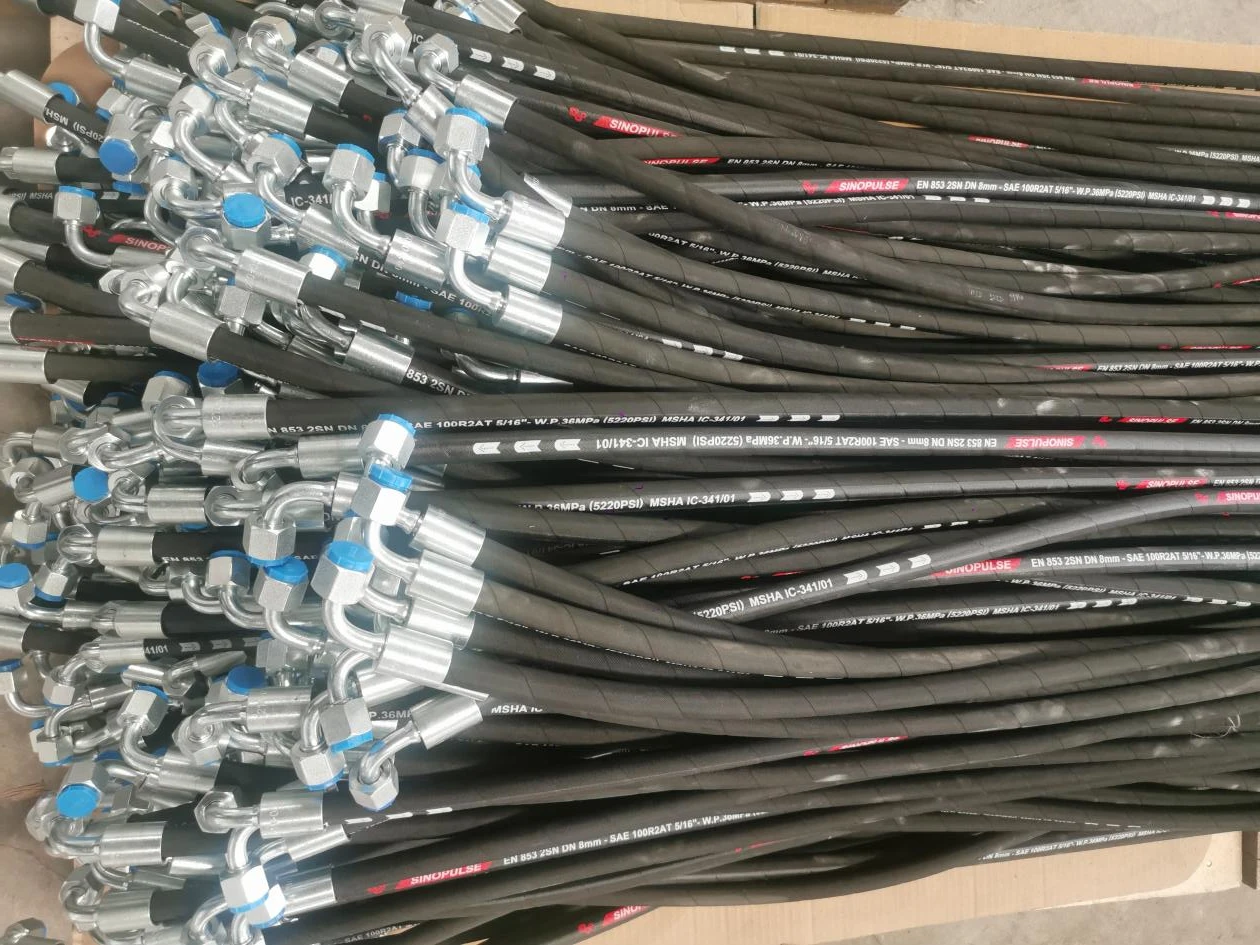
Performance & Engineering
The performance of 4SP/4SH hoses is dictated by several engineering factors. Burst pressure, the maximum pressure the hose can withstand before failure, is a primary specification, directly linked to the reinforcement layer’s design and steel wire tensile strength. Working pressure is significantly lower, typically a safety factor of 4:1 applied to the burst pressure. Flexural fatigue resistance, the hose's ability to endure repeated bending cycles, is paramount in dynamic applications. This is influenced by the hose's bend radius and the material properties of both the inner tube and outer cover. Environmental resistance, including temperature extremes, ozone exposure, and UV radiation, is critical for outdoor applications. Hoses must maintain flexibility and integrity across their specified operating temperature range. Compliance requirements, dictated by standards such as SAE J517 and EN 853, ensure consistent quality and safety. Force analysis during installation and operation is crucial to prevent kinking and excessive stress concentration. Hose assemblies should be designed with sufficient slack to accommodate system movement and thermal expansion/contraction. The hose end fittings must be properly crimped to ensure a leak-proof and structurally sound connection. Incorrect crimping can lead to premature failure and potential system hazards. Hydraulic fluid velocity and the presence of contaminants also impact hose lifespan; exceeding recommended velocity limits can induce erosion, while particulate matter can cause abrasion of the inner tube.
Technical Specifications
| Specification | 4SP Hose | 4SH Hose | SAE J517 Standard |
|---|---|---|---|
| Working Pressure (PSI) | Up to 4,000 PSI | Up to 3,000 PSI | Defines pressure ratings for hydraulic hose |
| Burst Pressure (PSI) | 16,000 PSI (Typical) | 12,000 PSI (Typical) | Minimum 4:1 safety factor over working pressure |
| Temperature Range (°F) | -40°F to +212°F | -40°F to +212°F | Specifies operating temperature limits |
| Inner Tube Material | NBR (Standard), EPDM, CR | NBR (Standard), EPDM, CR | Compatibility with various hydraulic fluids |
| Reinforcement | Single Spiral High-Tensile Steel Wire | Multiple Spiral High-Tensile Steel Wire | Determines pressure rating and flexibility |
| Outer Cover Material | CPE, PU | CPE, PU | Abrasion and weather resistance |
Failure Mode & Maintenance
Common failure modes in 4SP/4SH hoses include burst failures due to exceeding pressure limits, pinhole leaks caused by inner tube degradation or abrasion, and separation of layers resulting from fatigue or improper installation. Fatigue cracking typically originates at points of high stress concentration, such as near fittings or bends. External damage, such as cuts or abrasions, can compromise the outer cover, exposing the reinforcement layer to corrosion. Internal corrosion, particularly in applications utilizing incompatible fluids, can lead to inner tube swelling, cracking, and eventual failure. Oxidation of the rubber compounds due to prolonged exposure to high temperatures and oxygen also contributes to material degradation. Regular visual inspections are crucial for identifying signs of damage, such as cracks, bulges, or abrasions. Hose assemblies should be replaced if any damage is detected. Proper routing and support are essential to prevent kinking, excessive bending, and chafing. Periodic fluid analysis can detect contaminants that may contribute to hose degradation. Hose assemblies should be replaced on a preventative maintenance schedule, based on operating conditions and manufacturer recommendations. When replacing hoses, ensure the new assembly meets or exceeds the original specifications and is compatible with the hydraulic fluid being used. Proper crimping procedures and torque specifications for fittings must be strictly followed.
Industry FAQ
Q: What is the primary difference between 4SP and 4SH hoses in terms of application?
A: 4SP hoses are generally preferred for applications requiring higher pressure ratings and less frequent bending, such as static hydraulic lines. 4SH hoses, with their multiple spiral reinforcement, offer greater flexibility and are better suited for dynamic applications involving repeated bending and flexing, such as hydraulic cylinders and control lines.
Q: How does temperature affect the lifespan of a 4SP/4SH hose?
A: Operating outside the specified temperature range can significantly reduce hose lifespan. High temperatures accelerate material degradation, leading to hardening, cracking, and reduced flexibility. Low temperatures can cause the rubber compounds to become brittle and more susceptible to cracking. Maintaining hydraulic fluid within its optimal temperature range also mitigates these effects.
Q: What are the key considerations when selecting an inner tube material?
A: Inner tube material selection is driven by hydraulic fluid compatibility. NBR is suitable for petroleum-based oils, while EPDM is recommended for phosphate ester fluids. CR offers broad compatibility and resistance to weathering. Failure to use a compatible inner tube can result in swelling, degradation, and premature hose failure.
Q: What are the consequences of improper hose crimping?
A: Improper crimping can lead to several issues, including leaks, reduced pressure rating, and premature hose failure. Under-crimping results in a loose connection and potential leakage, while over-crimping can damage the hose reinforcement and compromise its structural integrity. Certified crimping equipment and trained personnel are essential.
Q: What maintenance practices are crucial for extending hose lifespan?
A: Regular visual inspections for damage, proper hose routing and support, periodic fluid analysis, and adherence to a preventative maintenance schedule are critical. Replacing hoses based on operating conditions and manufacturer recommendations, rather than solely on appearance, is also essential.
Conclusion
4SP/4SH hydraulic hoses are essential components in a wide range of industrial applications. Their performance and longevity are heavily reliant on material selection, manufacturing precision, and adherence to industry standards. Understanding the interplay between pressure ratings, flexibility requirements, fluid compatibility, and environmental factors is crucial for optimal system design and operation.
Procurement managers and engineers must prioritize quality control and preventative maintenance to mitigate the risk of failure and ensure system reliability. The continued development of advanced rubber compounds and reinforcement technologies promises further enhancements in hose performance and durability. Choosing reputable suppliers capable of delivering consistent quality and comprehensive technical support is paramount.